This image made available by NASA shows the planet Venus made with data from the Magellan spacecraft and Pioneer Venus Orbiter. On Wednesday, June 2, 2021, NASA’s new administrator, Bill Nelson, announced two new robotic missions to the solar system's hottest planet, during his first major address to employees. (NASA/JPL-Caltech via AP)
By Marcia Dunn
NASA is returning to sizzling Venus, our closest yet perhaps most overlooked neighbor, after decades of exploring other worlds.
The space agency's new administrator, Bill Nelson, announced two new robotic missions to the solar system's hottest planet, during his first major address to employees Wednesday.
“These two sister missions both aim to understand how Venus became an inferno-like world capable of melting lead at the surface," Nelson said.
One mission named DaVinci Plus will analyze the thick, cloudy Venusian atmosphere in an attempt to determine whether the inferno planet ever had an ocean and was possibly habitable. A small craft will plunge through the atmosphere to measure the gases.
It will be the first U.S.-led mission to the Venusian atmosphere since 1978.
The other mission, called Veritas, will seek a geologic history by mapping the rocky planet’s surface.
“It is astounding how little we know about Venus," but the new missions will give fresh views of the planet's atmosphere, made up mostly of carbon dioxide, down to the core, NASA scientist Tom Wagner said in a statement. “It will be as if we have rediscovered the planet.”
NASA’s top science official, Thomas Zurbuchen, calls it “a new decade of Venus.” Each mission — launching sometime around 2028 to 2030 — will receive $500 million for development under NASA’s Discovery program.
The missions beat out two other proposed projects, to Jupiter's moon Io and Neptune's icy moon Triton.
The U.S. and the former Soviet Union sent multiple spacecraft to Venus in the early days of space exploration. NASA's Mariner 2 performed the first successful flyby in 1962, and the Soviets' Venera 7 made the first successful landing in 1970.
In 1989, NASA used a space shuttle to send its Magellan spacecraft into orbit around Venus.
The European Space Agency put a spacecraft around Venus in 2006.
___
The Associated Press Health and Science Department receives support from the Howard Hughes Medical Institute’s Department of Science Education. The AP is solely responsible for all content.
With the emergence of the omicron variant, the U.S. is considering tightening international travel guidelines. The CDC said it might reduce the window for foreign travelers to submit a negative COVID-19 test from three days prior to one day before allowing entry.
Jill and Carlo cover the latest on Omicron, another school shooting in America and more. Plus, bidding farewell to 'transitory' inflation, and the controversy surrounding 'Lovely Bones' author Alice Sebold.
Sarav Arunachalam, air pollution scientist at the University of North Carolina at Chapel Hill, joins Cheddar Climate, where he discusses what he needs to happen when it comes to EV production on a global level to help reduce the effects of climate change.
The United Nations Secretary-General said this year that his agency's warning about climate change was a 'code red for humanity.' So how will political pledges to lower emissions, increase green energy, and ramp up electric vehicle infrastructure play out, and can we reverse some climate damage next year? Vijay Vaitheeswaran, Global energy & climate innovation editor for The Economist, and host of 'To a Lesser Degree,' The Economist’s podcast on climate change, joins Cheddar Climate to discuss what we can look ahead to in 2022, including global policy shifts and investments from the private and public sectors, holding global leaders accountable, and more.
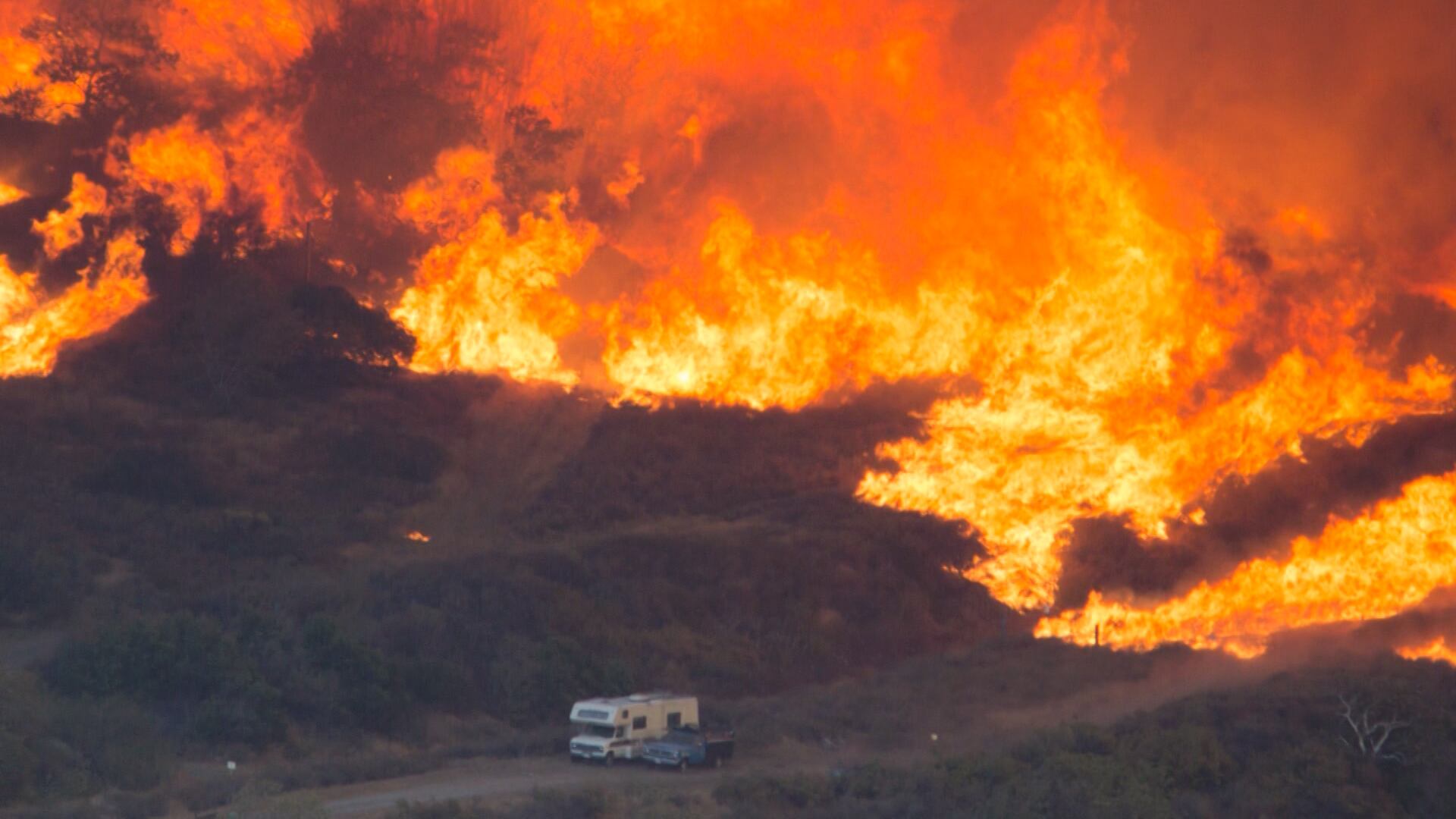
In recent years, extreme weather events like flooding and wildfires have become more frequent, and more severe - and scientists say global warming is to blame. Climate crises could leave people in need of help, and that's where Global Rescue steps in. The crisis response firm employs former Navy Seals and Army Rangers to rescue travelers from climate-related emergencies. Global Rescue CEO Dan Richards joins Cheddar Climate to discuss.
Jennifer Lotito, president and COO at the non-profit (RED), joined Cheddar to discuss the CODE (RED) campaign as the organization looks to expand its mission to support both AIDS and COVID-19 relief. She explained that people can get involved in the campaign for Giving Tuesday and ahead of World AIDS Day by shopping (RED) branded products and even using credit card rewards points to add their own support. Lotito also pointed out that COVID-19 has also impacted HIV testing as people avoid clinics out of fear of the other pandemic.
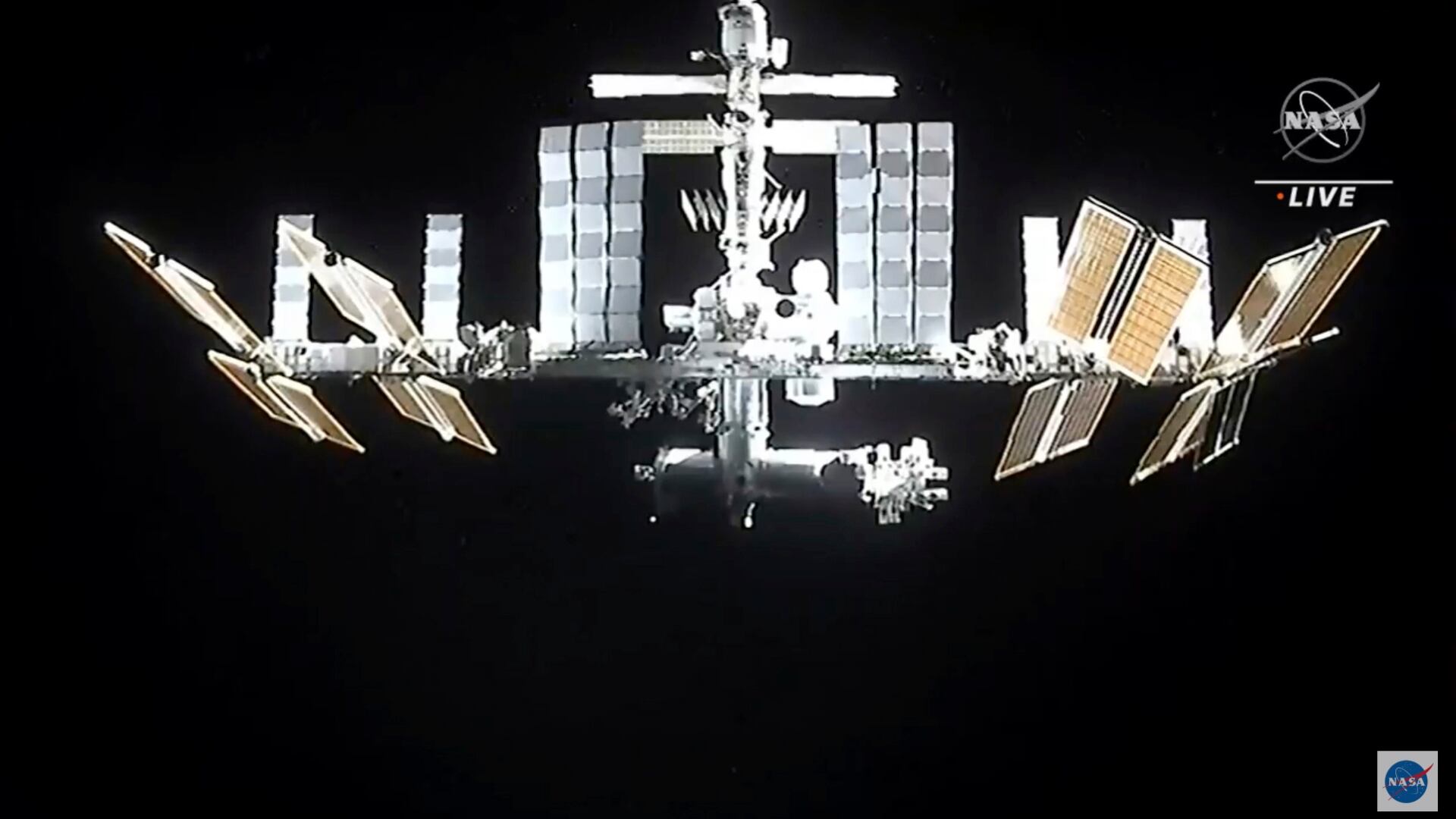
NASA indefinitely delayed a spacewalk to repair an ISS antenna, citing concerns about space debris. It was unclear if the warning from the space agency to astronauts aboard the ISS was related to the recent destruction of a non-functioning Russian satellite.