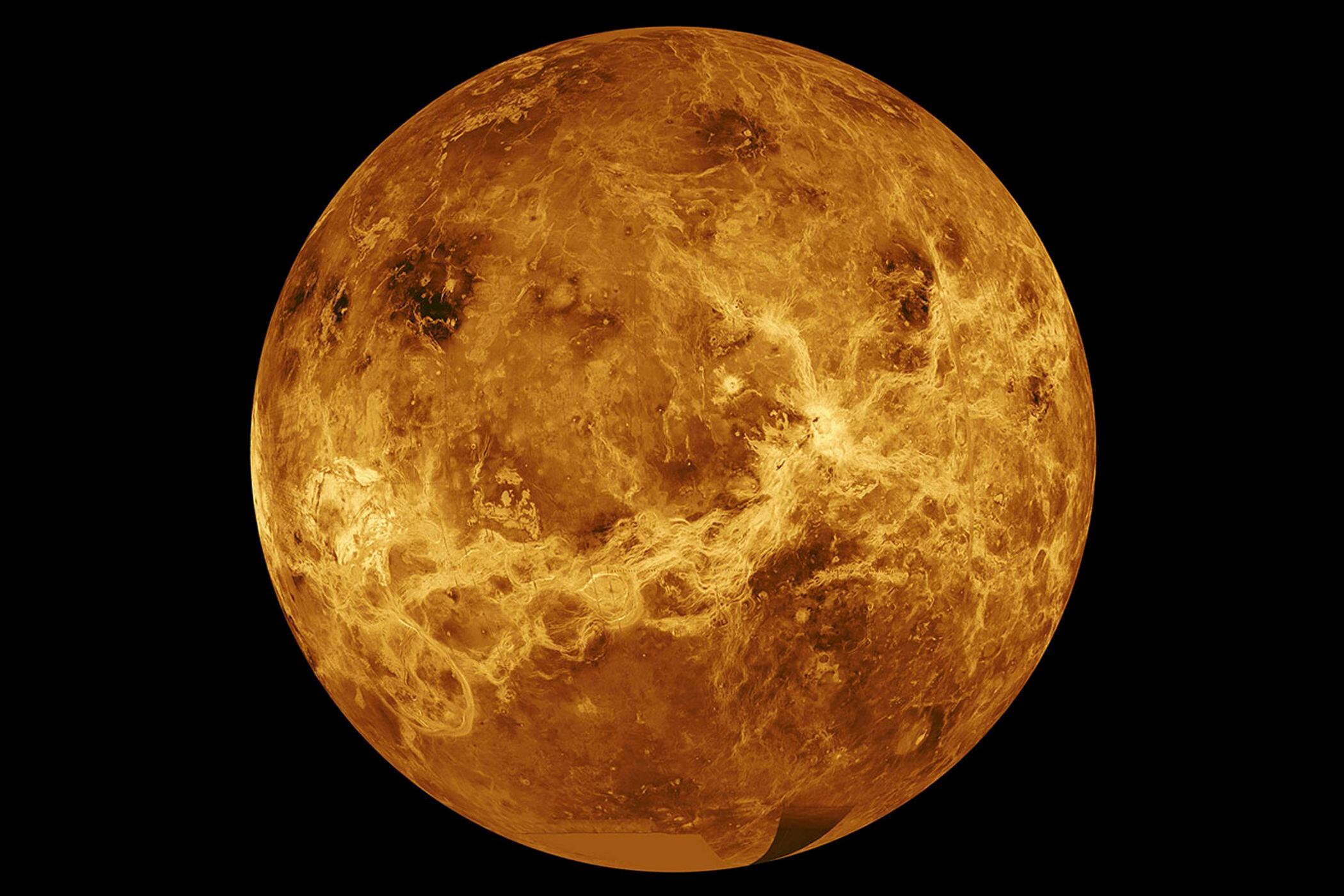
This image made available by NASA shows the planet Venus made with data from the Magellan spacecraft and Pioneer Venus Orbiter. On Wednesday, June 2, 2021, NASA’s new administrator, Bill Nelson, announced two new robotic missions to the solar system's hottest planet, during his first major address to employees. (NASA/JPL-Caltech via AP)
By Marcia Dunn
NASA is returning to sizzling Venus, our closest yet perhaps most overlooked neighbor, after decades of exploring other worlds.
The space agency's new administrator, Bill Nelson, announced two new robotic missions to the solar system's hottest planet, during his first major address to employees Wednesday.
“These two sister missions both aim to understand how Venus became an inferno-like world capable of melting lead at the surface," Nelson said.
One mission named DaVinci Plus will analyze the thick, cloudy Venusian atmosphere in an attempt to determine whether the inferno planet ever had an ocean and was possibly habitable. A small craft will plunge through the atmosphere to measure the gases.
It will be the first U.S.-led mission to the Venusian atmosphere since 1978.
The other mission, called Veritas, will seek a geologic history by mapping the rocky planet’s surface.
“It is astounding how little we know about Venus," but the new missions will give fresh views of the planet's atmosphere, made up mostly of carbon dioxide, down to the core, NASA scientist Tom Wagner said in a statement. “It will be as if we have rediscovered the planet.”
NASA’s top science official, Thomas Zurbuchen, calls it “a new decade of Venus.” Each mission — launching sometime around 2028 to 2030 — will receive $500 million for development under NASA’s Discovery program.
The missions beat out two other proposed projects, to Jupiter's moon Io and Neptune's icy moon Triton.
The U.S. and the former Soviet Union sent multiple spacecraft to Venus in the early days of space exploration. NASA's Mariner 2 performed the first successful flyby in 1962, and the Soviets' Venera 7 made the first successful landing in 1970.
In 1989, NASA used a space shuttle to send its Magellan spacecraft into orbit around Venus.
The European Space Agency put a spacecraft around Venus in 2006.
___
The Associated Press Health and Science Department receives support from the Howard Hughes Medical Institute’s Department of Science Education. The AP is solely responsible for all content.
2021 has been a year filled with extreme weather conditions. Hundreds of thousands of people recently saw the effects of massive tornados that swept across six states. Now, experts say climate change could have played a major role. Jennifer Marlon, research scientist and lecturer at the Yale School of the Environment, joins Cheddar News to discuss.
Anthony Tall, sports agent and president of Miracle Sports Agency, joins Cheddar News to talk about the challenges professional sports leagues are facing amid a surge in coronavirus cases across the U.S.
Extreme weather hit all of us in 2021. Deadly heat hit parts of the U.S. that normally don't even need air conditioning. More than 52,000 wildfires broke out, a terrifying example of what can happen when extreme heat mixes with drought. Hurricane Ida was so powerful it actually briefly reversed the flow of the Mississippi River. Cheddar News did a deep dive into this year's unbelievable weather and how climate change may have impacted it.
With the New Year just around the corner, many people will be making new health and fitness goals. However, after the initial January push, it's easy to drop your resolutions and go back to your old habits. Joan Ifland, CEO of Food Addiction Reset, discusses her best tips for following through with New Year's Resolutions.
Carlo and Baker preview President Biden's address to the nation as Omicron becomes the new dominant Covid strain. Plus, Trump gets booed for getting his booster and the White House gets a new puppy.
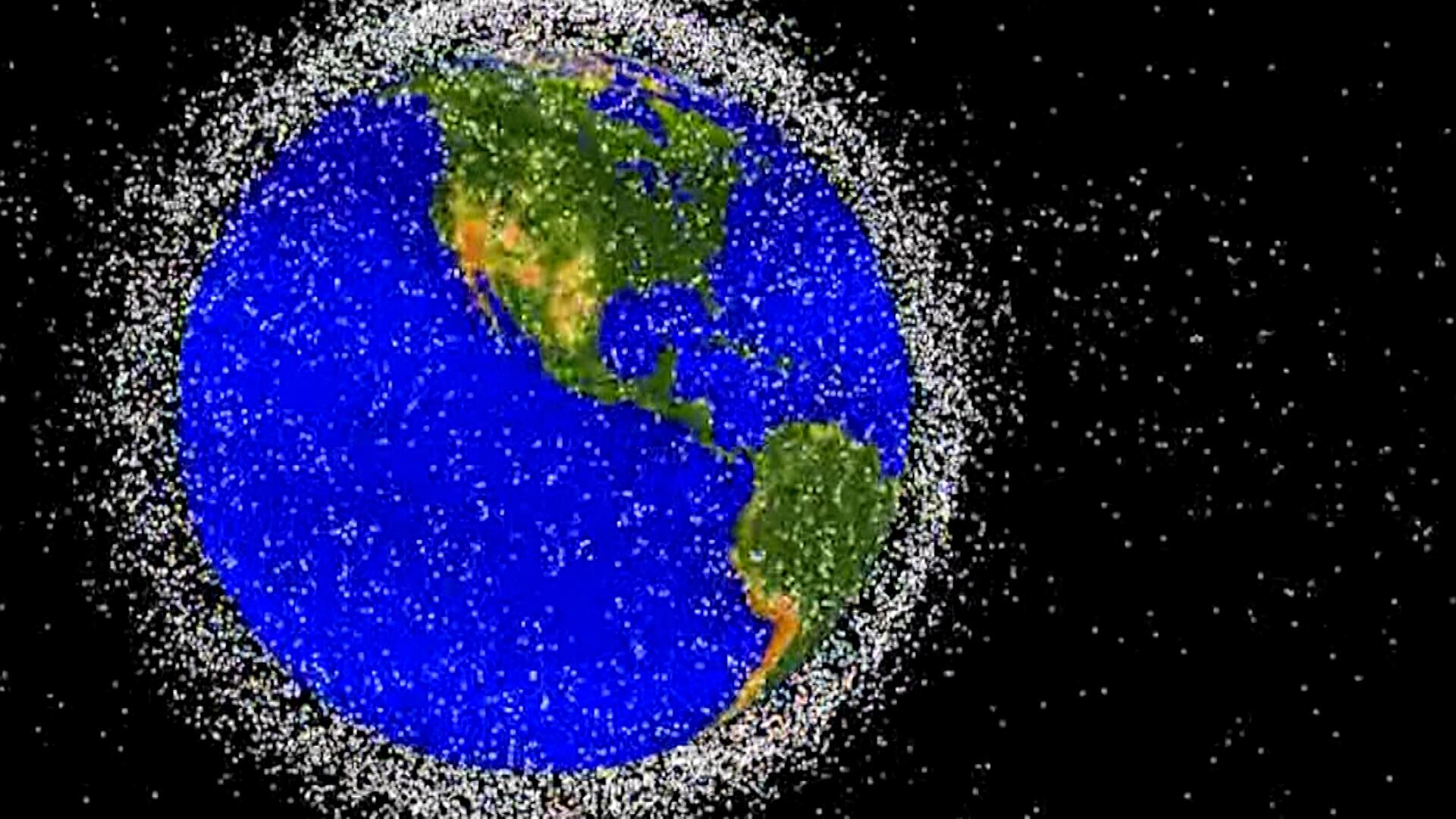
Alinda Mashiku, Conjunction Analysis and Risk Assessment Deputy Manager at the NASA Goddard Space Flight Center, joins Future of Space: Humankind's Leap Forward to explain how space debris is threatening operations in space at a time when more satellites are being deployed.
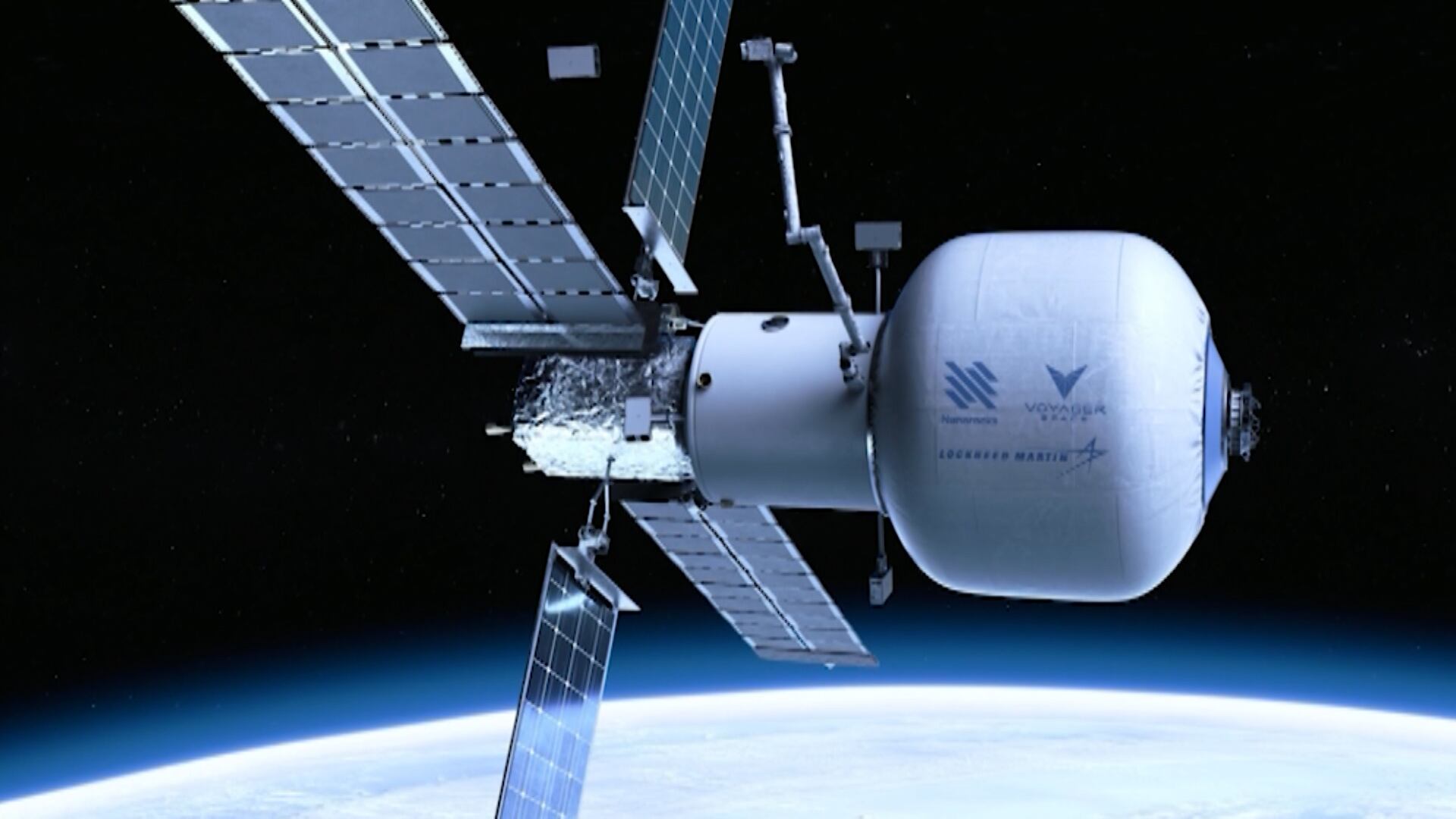
Marshall Smith, Senior Vice President of Space Systems at Nanoracks and Kirk Shireman, Vice President of the Lunar Exploration Campaign at Lockheed Martin join Future of Space: Humankind's Leap Forward to discuss upcoming plans for developing their Starlab commercial space station after being awarded a $160 million contract by NASA.
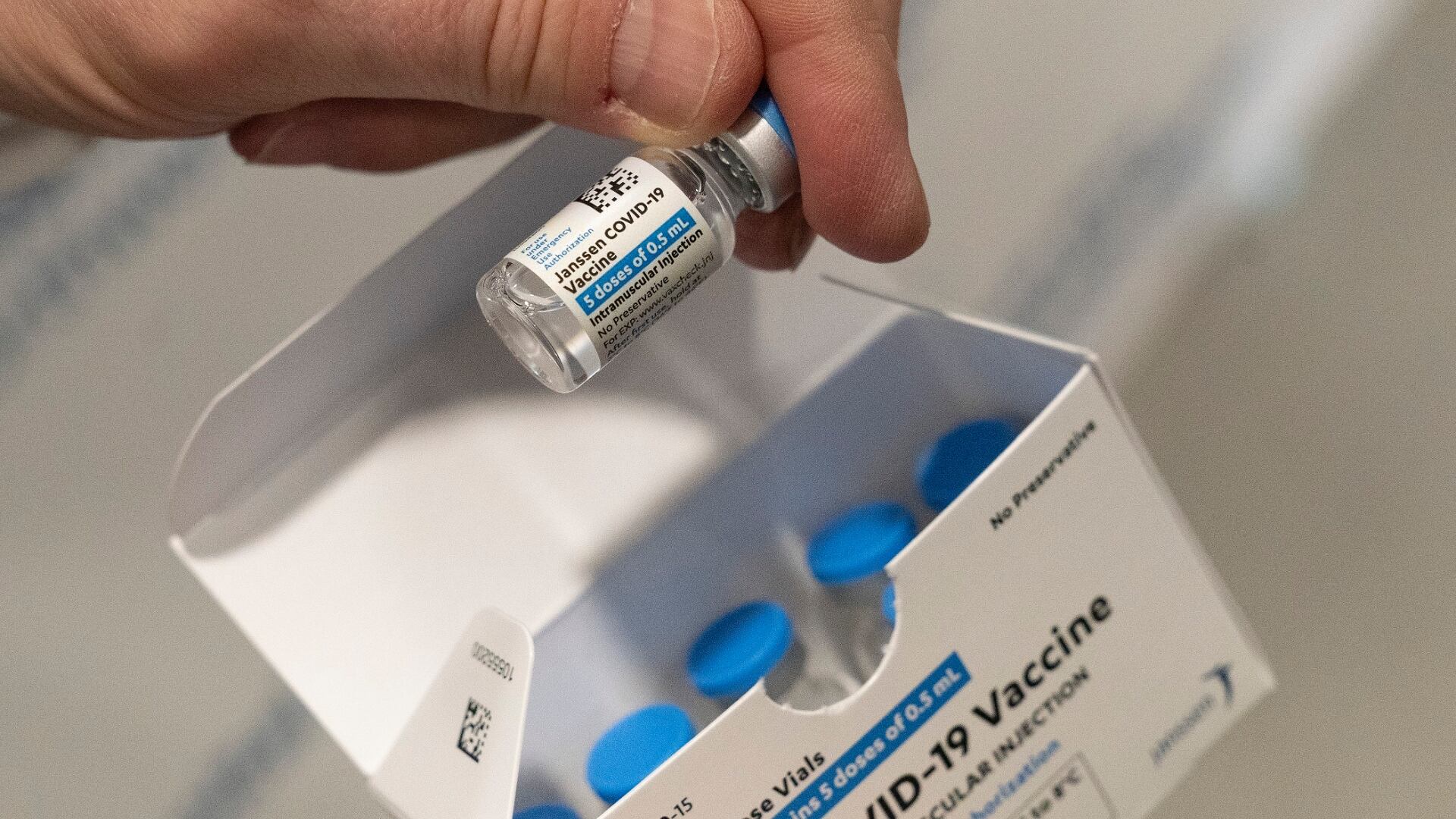
The CDC recently endorsed the advisory committee's recommendation that people should receive the Pfizer or Moderna COVID vaccines over the Johnson & Johnson shot, leaving some questions and concerns for the public. Epidemiologist Dr. Eric Feigl-Ding, spoke to Cheddar about the shift in the agency's stance, and what it might mean. "If you already have it, any side effects are already long past," he said. "Going forward is what they're saying. That getting a booster you should get the Moderna or the Pfizer booster, and I don't think they're encouraging anyone to get de novo Johnson & Johnson as their first shot anymore."
The billionaire space race took off in 2021, making major strides in space tourism. That growth is only expected to skyrocket in the next year, as the government and private institutions and companies look to shape the final frontier's exploration. Cheddar News dives into the biggest moments of the year in space, and what comes next for space travel and tourism.
Chloe and Halle Bailey are no strangers to hard work. The sisters got their start performing covers on YouTube and have become a force in the music industry. Since then, the two have spread their wings beyond their duo group to individual projects. Now they're coming together to face off in the LG OLED Ultimate Gaming Showdown. Chloe and Halle join Cheddar News to discuss.