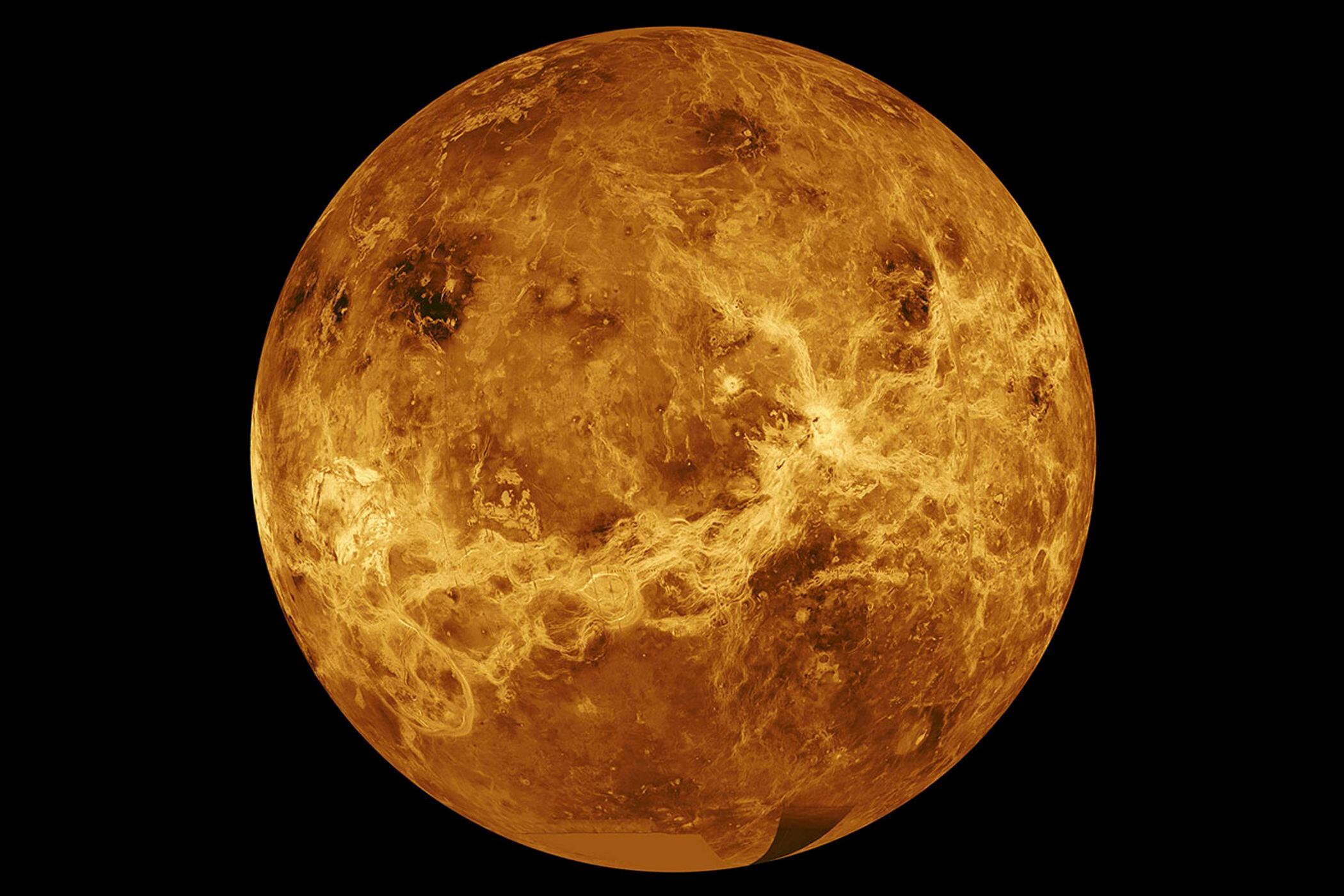
This image made available by NASA shows the planet Venus made with data from the Magellan spacecraft and Pioneer Venus Orbiter. On Wednesday, June 2, 2021, NASA’s new administrator, Bill Nelson, announced two new robotic missions to the solar system's hottest planet, during his first major address to employees. (NASA/JPL-Caltech via AP)
By Marcia Dunn
NASA is returning to sizzling Venus, our closest yet perhaps most overlooked neighbor, after decades of exploring other worlds.
The space agency's new administrator, Bill Nelson, announced two new robotic missions to the solar system's hottest planet, during his first major address to employees Wednesday.
“These two sister missions both aim to understand how Venus became an inferno-like world capable of melting lead at the surface," Nelson said.
One mission named DaVinci Plus will analyze the thick, cloudy Venusian atmosphere in an attempt to determine whether the inferno planet ever had an ocean and was possibly habitable. A small craft will plunge through the atmosphere to measure the gases.
It will be the first U.S.-led mission to the Venusian atmosphere since 1978.
The other mission, called Veritas, will seek a geologic history by mapping the rocky planet’s surface.
“It is astounding how little we know about Venus," but the new missions will give fresh views of the planet's atmosphere, made up mostly of carbon dioxide, down to the core, NASA scientist Tom Wagner said in a statement. “It will be as if we have rediscovered the planet.”
NASA’s top science official, Thomas Zurbuchen, calls it “a new decade of Venus.” Each mission — launching sometime around 2028 to 2030 — will receive $500 million for development under NASA’s Discovery program.
The missions beat out two other proposed projects, to Jupiter's moon Io and Neptune's icy moon Triton.
The U.S. and the former Soviet Union sent multiple spacecraft to Venus in the early days of space exploration. NASA's Mariner 2 performed the first successful flyby in 1962, and the Soviets' Venera 7 made the first successful landing in 1970.
In 1989, NASA used a space shuttle to send its Magellan spacecraft into orbit around Venus.
The European Space Agency put a spacecraft around Venus in 2006.
___
The Associated Press Health and Science Department receives support from the Howard Hughes Medical Institute’s Department of Science Education. The AP is solely responsible for all content.
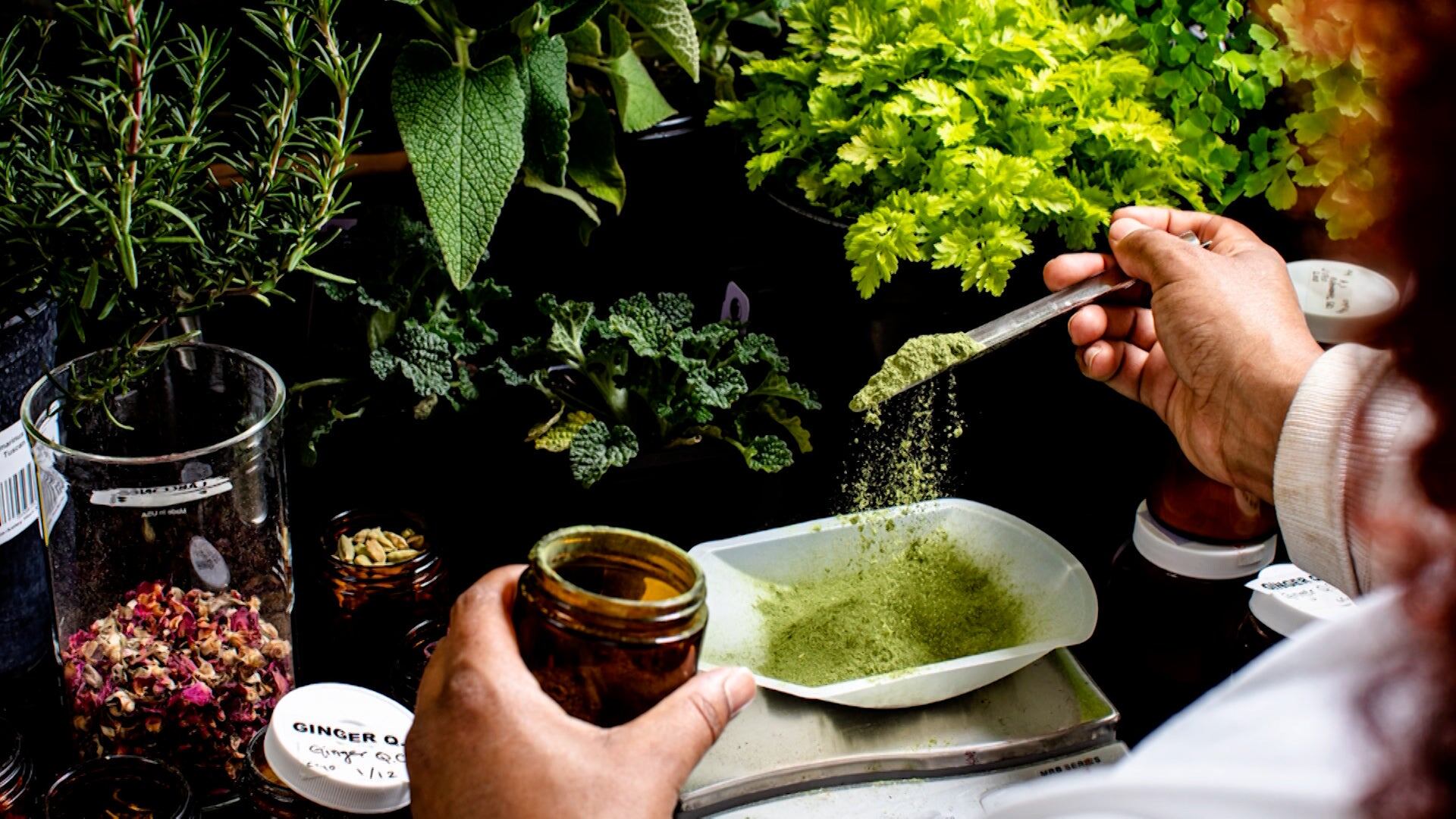
Brightseed Co-Founder Sofia Elizondo breaks down what plant bioactives are, and how they're using the latest technology to study human's biological connections with plants.
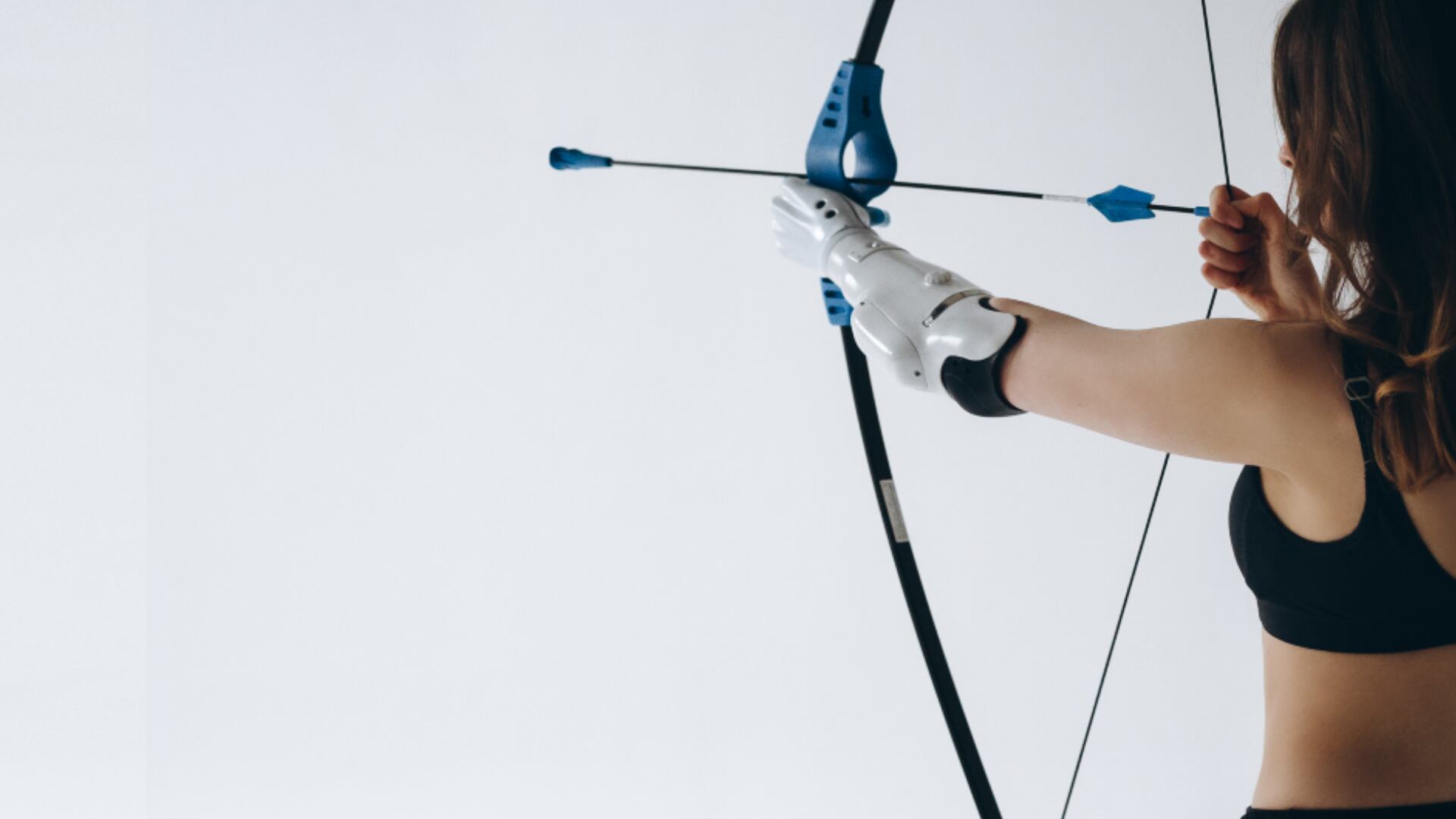
On this episode of Cheddar Innovates: Brightseed Co-Founder breaks down what plant bioactives are, and how they're using the latest technology to study human's biological connections with plants; Esper Bionics CEO breaks down how they re creating a mind-controlled bionic hand that guest smarter the more you use it; Cheddar gets a look at Curiosity Stream's 'Capturing A Black Hole In Our Milky Way.'
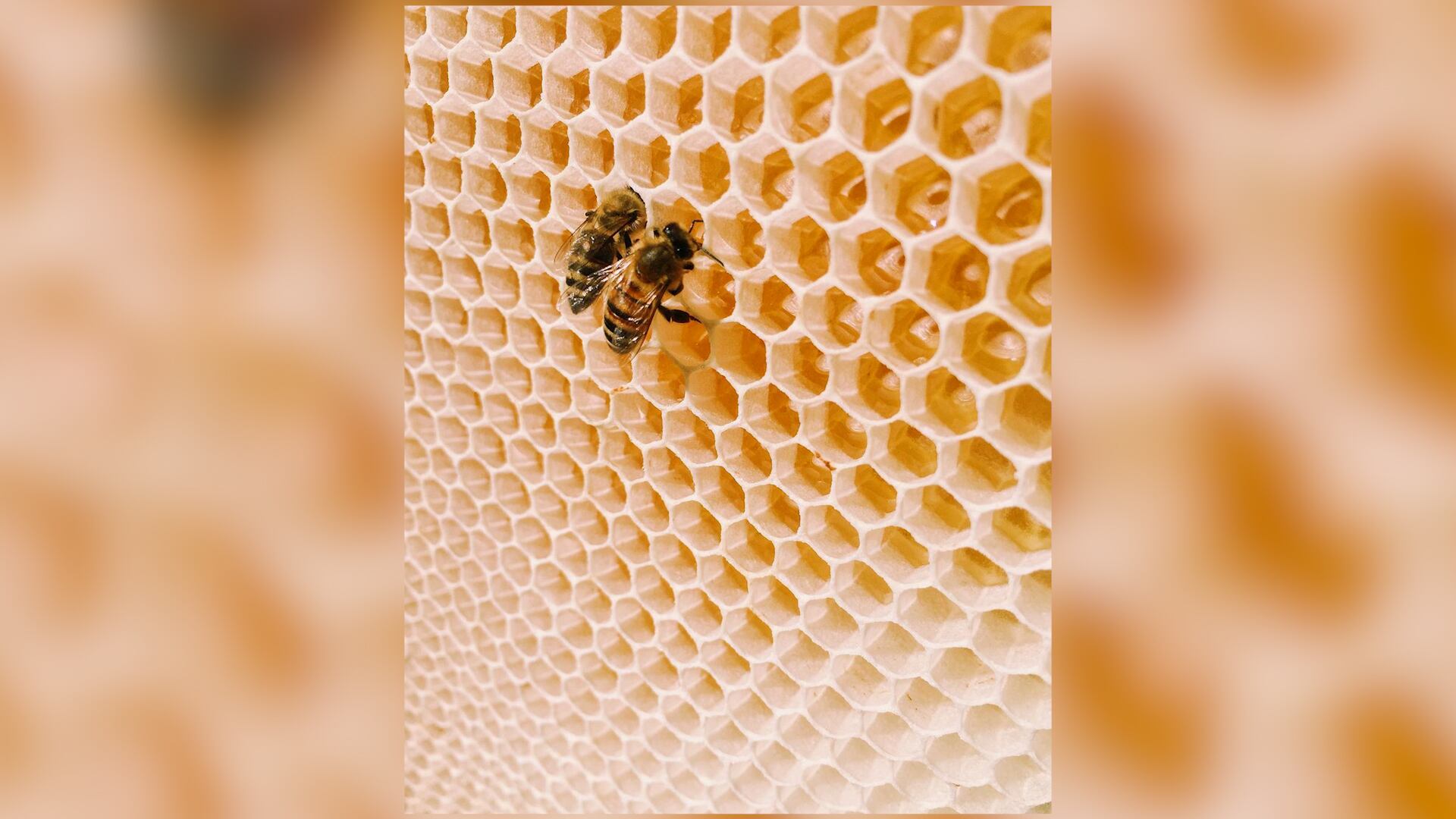
Hilary Kearney, Founder of Girl Next Door Honey, joined Closing Bell to discuss her partnership with Comvita to save the important pollinators, as bee colonies are on the decline across the United States.
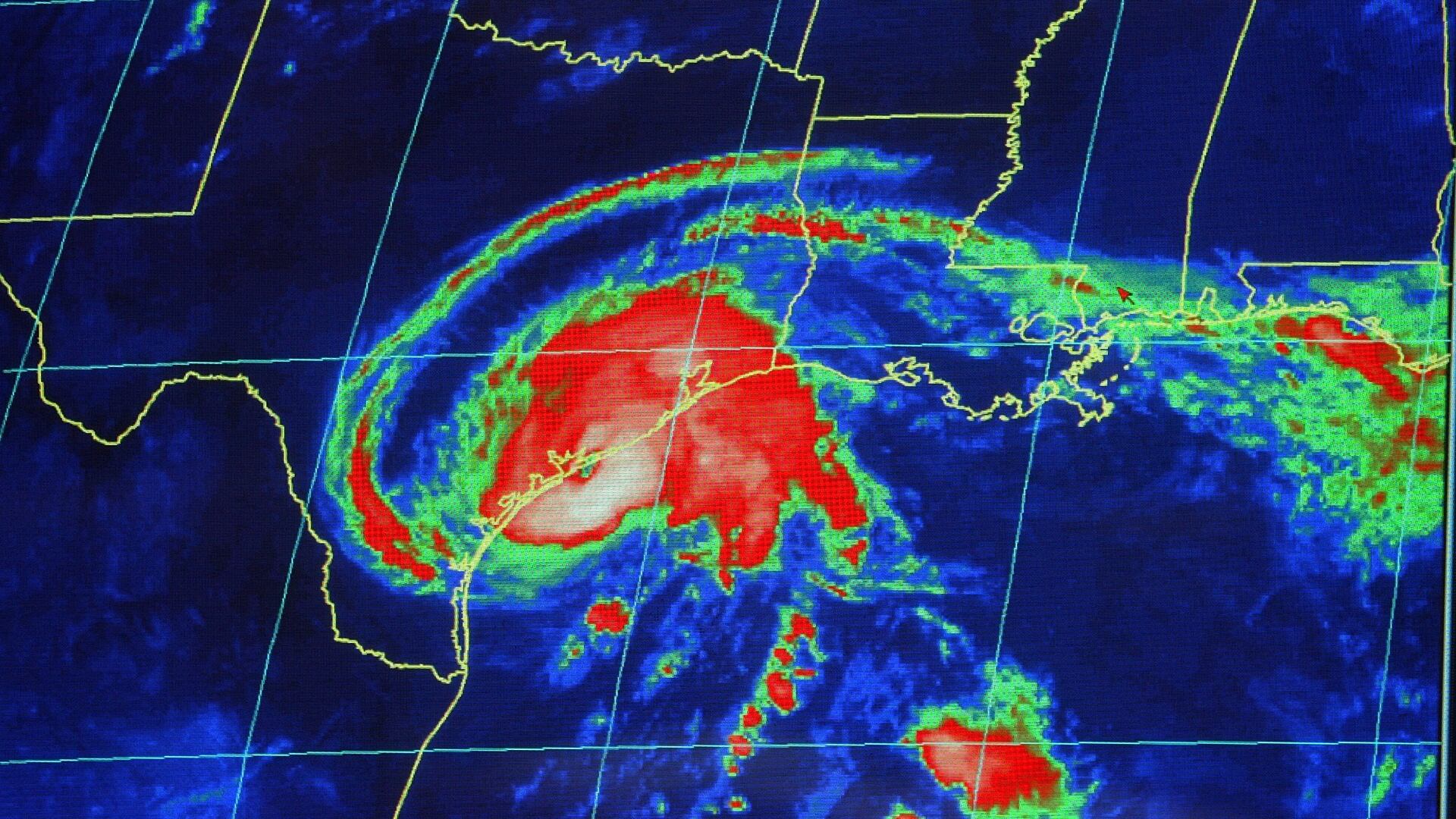
Hurricane climatologist Jill Trepanier joined Cheddar News to discuss NOAA's announced prediction for an above-normal hurricane season and what it might mean for people in the United States. "I think it's important that people who maybe haven't been used to having extreme weather events related to say tropical cycles and tropical systems, like thinking New Jersey, Northeastern seaboard, that area may get more action than they're used to in the past," she said.
Dr. Jarrad Aguirre, Co-Founder and CEO of Miga Health, joins Cheddar News' Closing Bell, where he says his company is looking to establish the future of heart health and points to how 80% of premature heart attacks and strokes are preventable.
On this episode of Cheddar Reveals, David Keith, Professor of Applied Physics at the Harvard School of Engineering and Applied Sciences and Professor of Public Policy at the Harvard Kennedy School, and founder of Carbon Engineering outlines the viability of solar geoengineering as a solution to help reverse the effects of global warming; Lena Geraghty, Sustainability & Urban Innovation Director at National League of Cities, discusses which U.S. cities are safest from global warming and how the real estate market will be impacted from the effects of climate change; Cheddar gets a look at Curiosity Stream's 'Changing Ocean Asia.'
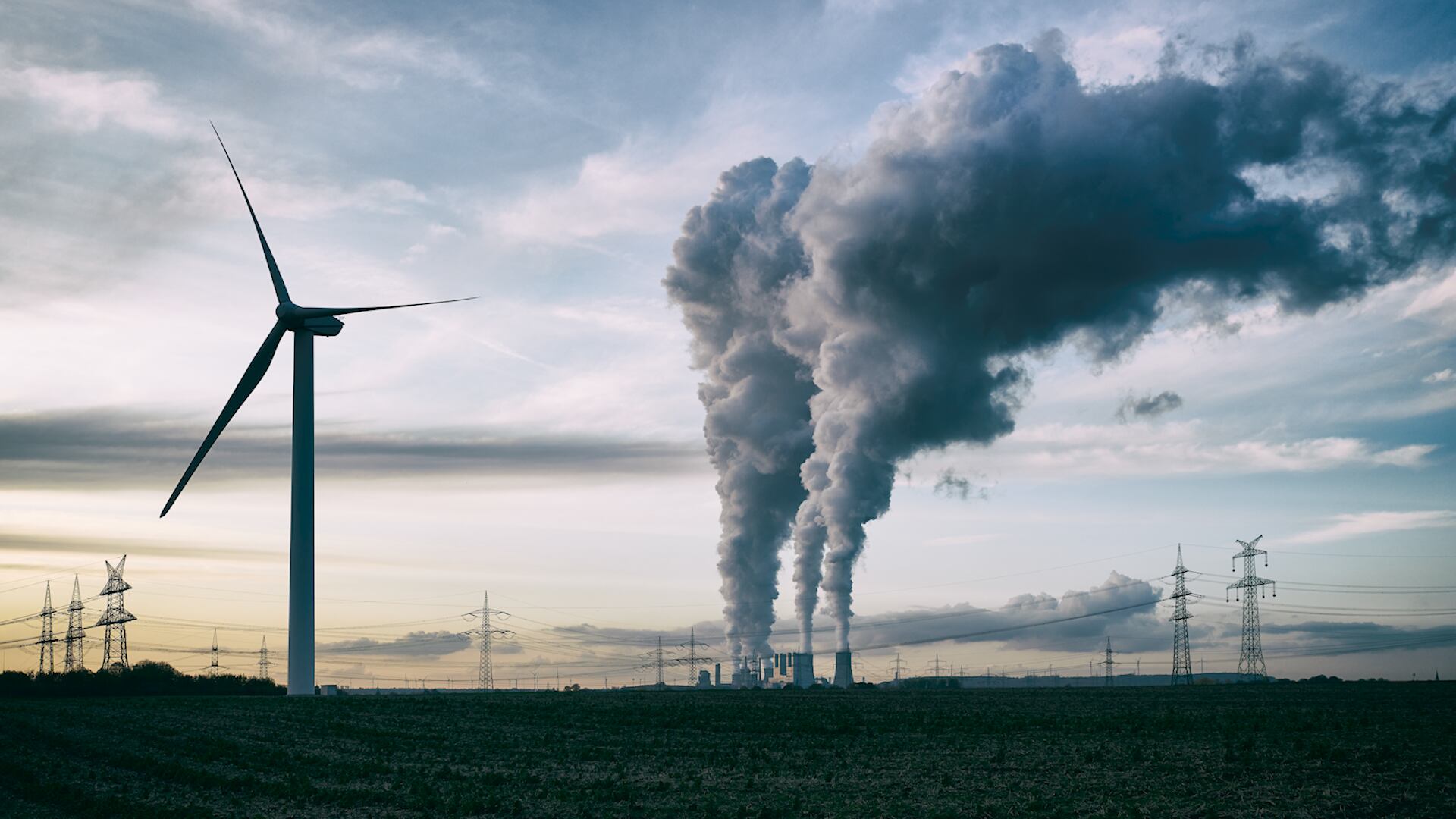
David Keith, Professor of Applied Physics at the Harvard School of Engineering and Applied Sciences and Professor of Public Policy at the Harvard Kennedy School, and founder of Carbon Engineering joins Cheddar Reveals to outline the viability of solar geoengineering as a solution to help reverse the effects of global warming.
Lena Geraghty, Sustainability & Urban Innovation Director at National League of Cities, joins Cheddar News to discuss which U.S. cities are safest from global warming and how the real estate market will be impacted from the effects of climate change.
Peggy Whitson, Director of Human Space Flight, Axiom Space, joins Cheddar Innovates to discuss Axiom's involvement in the first fully-private mission to the ISS, and her experience spending 665 days in space.
On this episode of Cheddar Innovates, Peggy Whitson, Director of Human Space Flight, Axiom Space, breaks down Axiom's involvement in the first fully-private mission to the ISS, and her experience spending 665 days in space; William Li and Danielle Chang, co-founders of The Hao Life, discuss how they're shaking up the $71 billion supplement industry by putting a modern spin on traditional natural Chinese remedies; Cheddar gets a look at Curiosity Stream's 'Sagrada Familia: Gaudi's Challenge.'