By Marcia Dunn
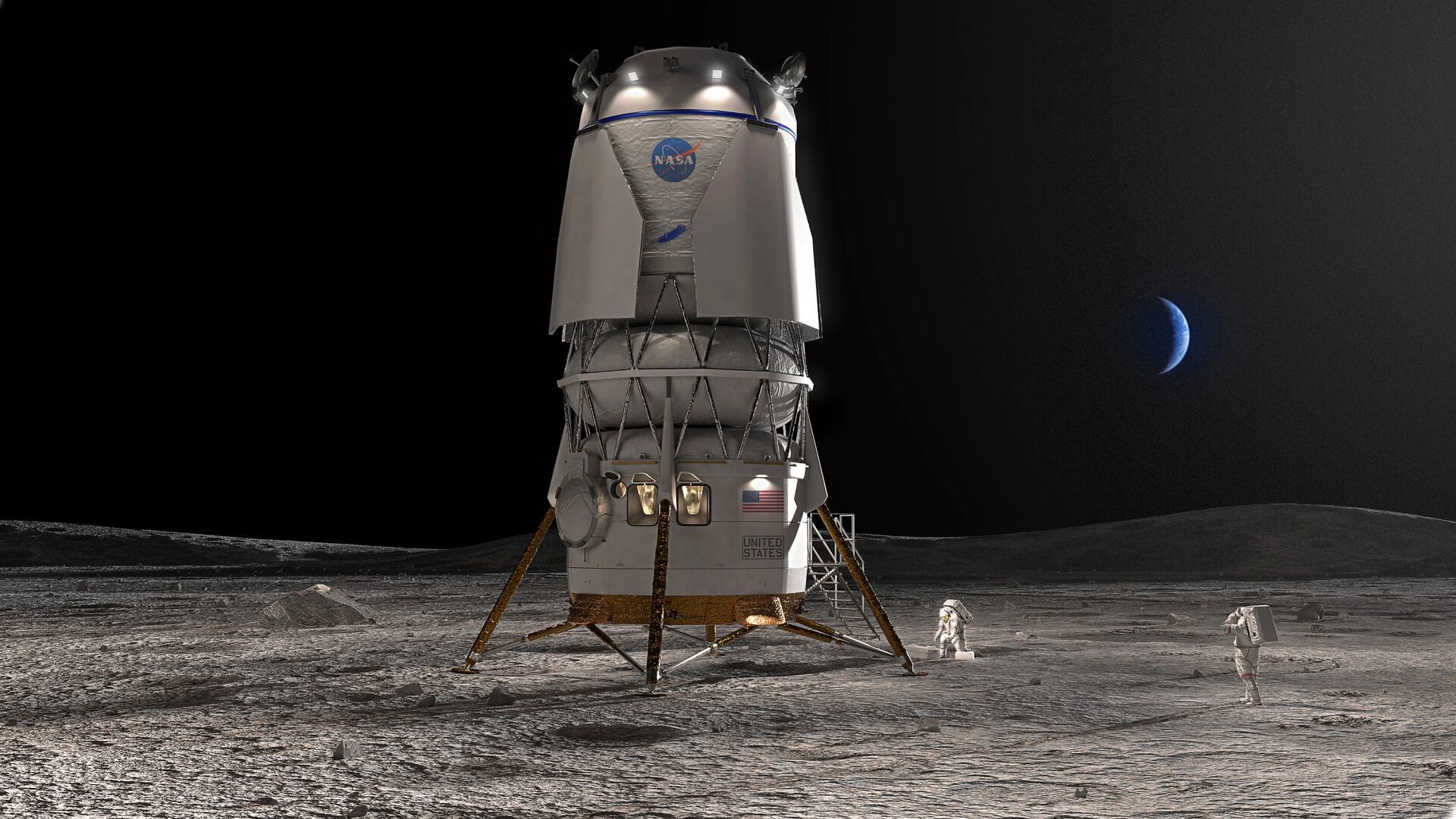
Jeff Bezos' rocket company has won a NASA contract to land astronauts on the moon, two years after it lost out to SpaceX.
Blue Origin received a $3.4 billion contract Friday to lead a team to develop a lunar lander named Blue Moon. It will be used to transport astronauts to the lunar surface as early as 2029, following a pair of crew landings by Elon Musk’s SpaceX.
NASA will get astronauts to lunar orbit using its own rockets and capsules, but wants private companies to take over from there.
NASA Administrator Bill Nelson said the agency wants different landing options as it seeks a return to the moon more than a half-century after the end of the Apollo moonshots.
Blue Origin is kicking in billions of dollars, on top of the NASA contract, to help establish a permanent presence on the moon.
“We have a lot to do before we successfully land and return astronauts," said John Couluris, a Blue Origin vice president.
Two years ago, Blue Origin sued after NASA awarded SpaceX the contract for the first lunar landing. A federal judge upheld the space agency’s decision.
NASA’s Artemis program, which follows the 1960s and 1970s Apollo moonshots. kicked off with a successful test flight late last year. Launched atop NASA's new moon rocket, an empty Orion capsule went into lunar orbit before returning home.
The next Artemis flight will come late next year when one Canadian and three U.S. astronauts fly to the moon and back, but not land. Two Americans would descend to the lunar surface aboard a SpaceX Starship on the mission after that, no earlier than late 2025.
Like SpaceX, Blue Origin plans to practice landing on the moon without a crew, before putting astronauts on board.
While the shiny, stainless steel Starship has a science fiction look, Blue Moon resembles more of a traditional capsule perched atop a tall compartment with legs. The latter will stand 52 feet (16 meters) on the moon.
Both companies' landers are meant to be reusable.
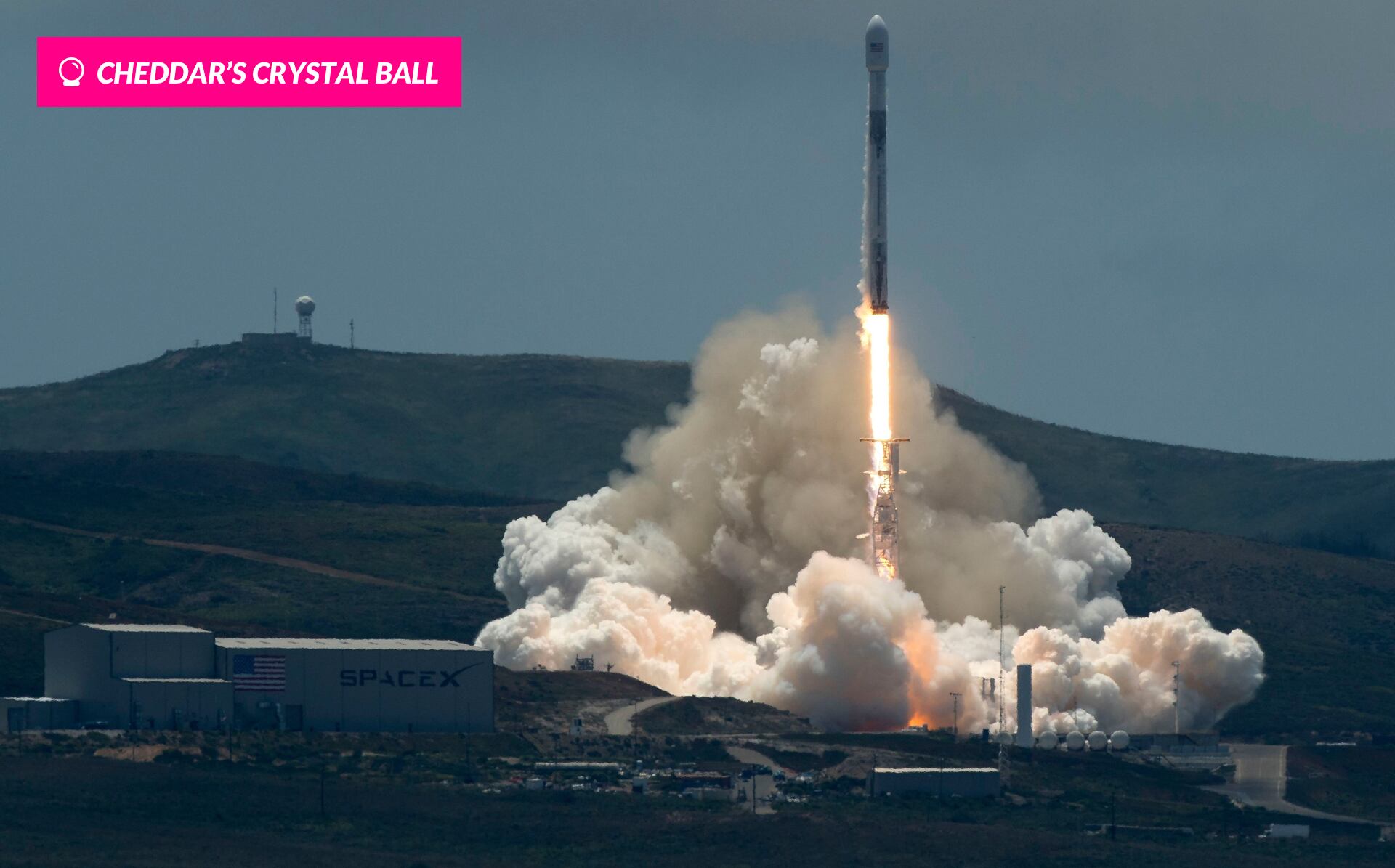
Blue Origin will use its still-in-development New Glenn rocket to launch its lunar missions from Cape Canaveral. Starship, the world's largest rocket, made its debut last month from South Texas; the test flight ended in an explosive fireball a few minutes into flight.
Blue Origin's team includes five partners: Lockheed Martin, Boeing, Draper, Astrobotic Technology and Honeybee Robotics.
Only one other bid was submitted for the contract competition, according to NASA.
___
The Associated Press Health and Science Department receives support from the Howard Hughes Medical Institute’s Science and Educational Media Group. The AP is solely responsible for all content.
Weak economic data from China and the ongoing government shutdown appeared to drag down the major U.S. indexes on Monday morning. SpaceX is slashing its workforce by 10 percent in an effort to become "leaner." Plus, we sit down with Emmy-award winning actor and producer Yeardley Smith who is most famous for voicing the iconic cartoon character, Lisa Simpson.
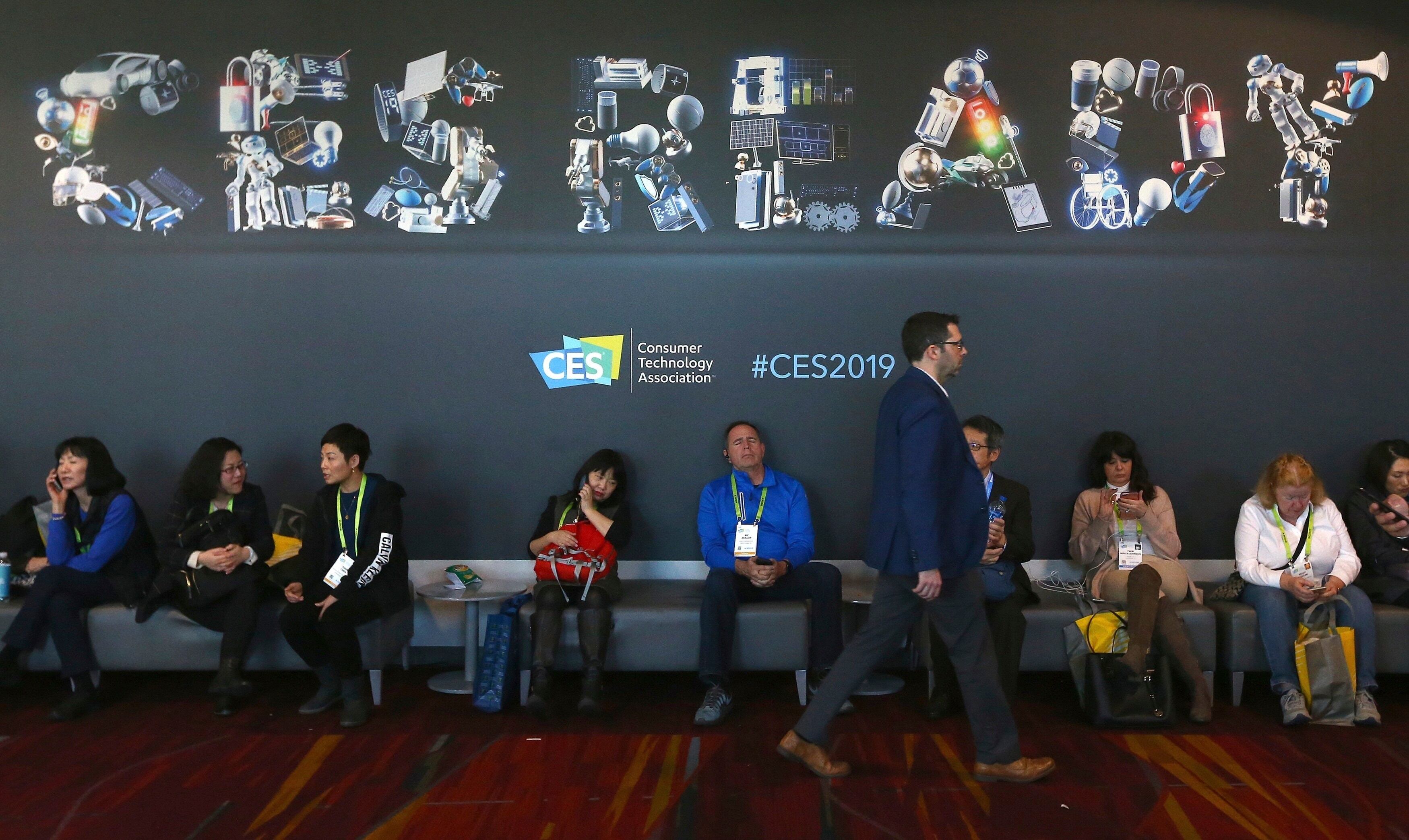
Cheddar's Hope King looks back at her first trip to the Consumer Electronics Show in Las Vegas.
There seem to be endless options when it comes to diet plans, new workouts, and high-tech help. But could too many options be a bad things? A new study by Jenny Craig looks at how all those choices can lead to misinformation. The company's CEO Monty Sharma talked to Cheddar about the best ways to get healthy.
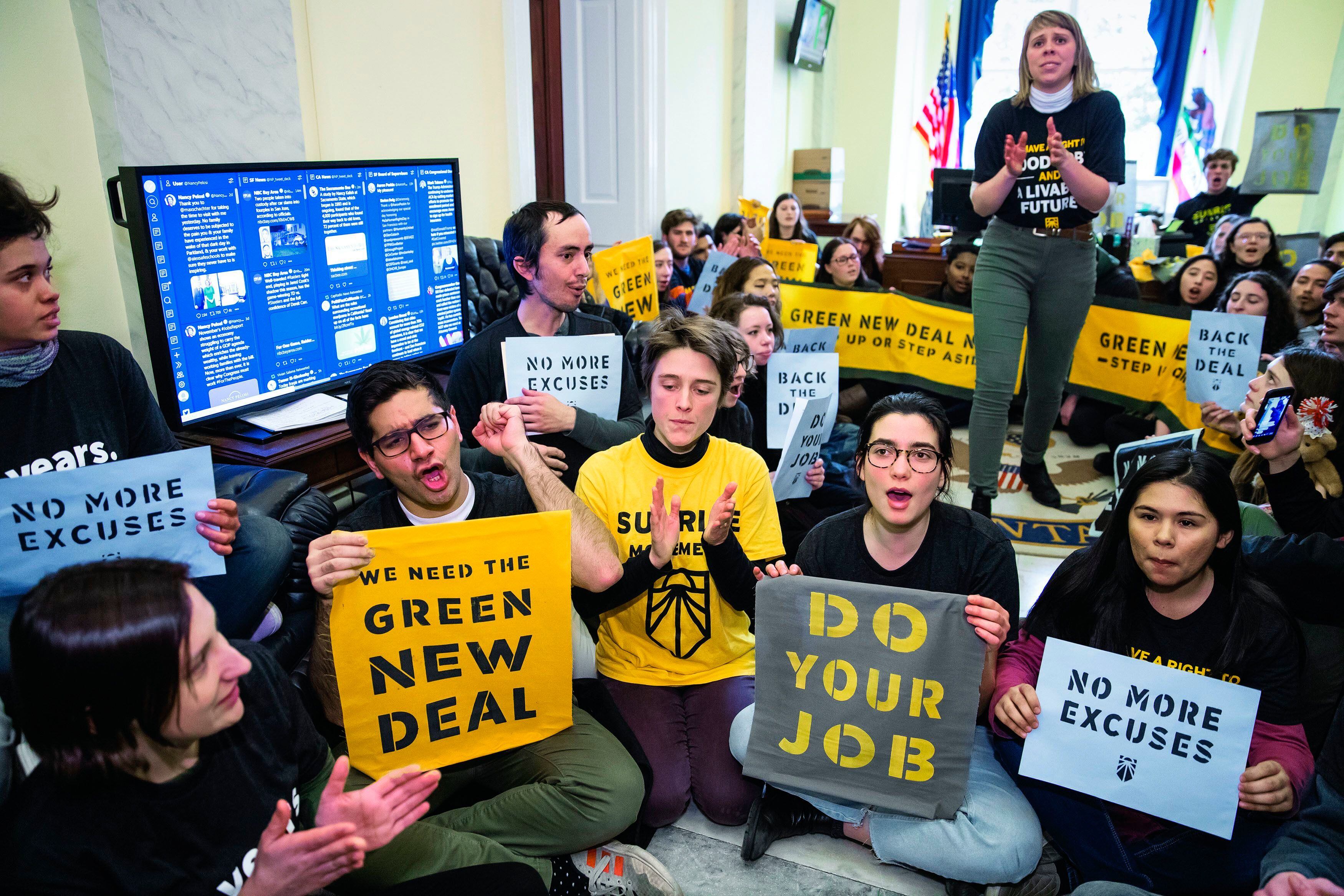
The Democratic Party establishment still have a chance to embrace the Green New Deal ー and their success in upcoming elections might just depend on it, Justice Democrats Communications Director Waleed Shahid told Cheddar on Monday.
These are the headlines you Need 2 Know for Wednesday, Jan. 2, 2019.
The salad chain known for its reusable bowl program is doubling down on its ambitions for a green 2019. As part of its efforts, Just Salad has appointed Janani Lee as its new chief sustainability officer. She'll lead sustainability initiatives at the salad, sandwich, and smoothie company, which means everything from front-of-house and back-of-house composting projects to ingredient tracking that can help prevent food-borne illnesses.
This year marked the first voyage for Cheddar's weekly series Cheddar Rides, covering the changes happening in transportation and the future of getting from here to there. To celebrate the last episode of its inaugural year, Rides is looking at the road ahead.
If you’re looking to make a move in 2019, you could do worse than some of the cities below. Each one is using technology ー IoT, machine learning, data analysis, autonomy, A.I. ー to remake the way its citizens interact with their surroundings. But a smart city is more than just innovative technology, as Mike Barlow and Cornelia Levy-Bencheton, authors of "Smart Cities, Smart Future," told Cheddar. It's about improving lives in concrete, everyday ways.
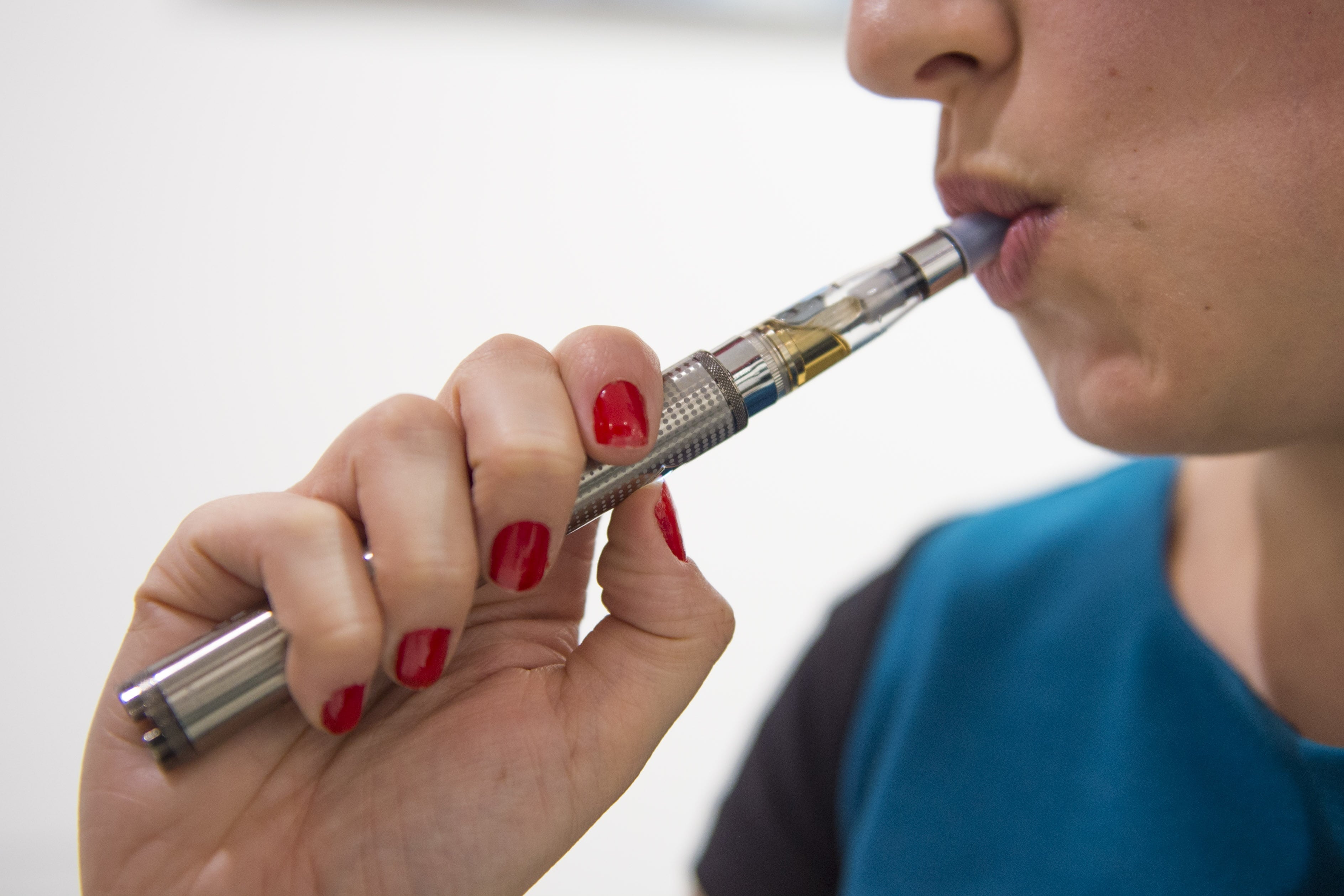
A study released on Monday found a dramatic increase in vaping among teenagers ー after a second study found that the increasingly popular habit comes with not-insignificant health risks. "Vaping appears to be less harmful than smoking, but then again smoking kills half of the people who do it long-term. So, again, it's a low bar to be safer than smoking," Rachel Becker, a reporter with the Verge, told Cheddar on Monday.
2018 was a year of serious advancement in tech. It brought us more driver-less cars, Bitcoin adoption, and more A.I. But as the year dwindles, we're looking to the future, not the past. As we gaze into Cheddar's Crystal Ball, here are our top five picks for the technology that is most likely to advance even further in 2019.