By Marcia Dunn
Jeff Bezos' rocket company has won a NASA contract to land astronauts on the moon, two years after it lost out to SpaceX.
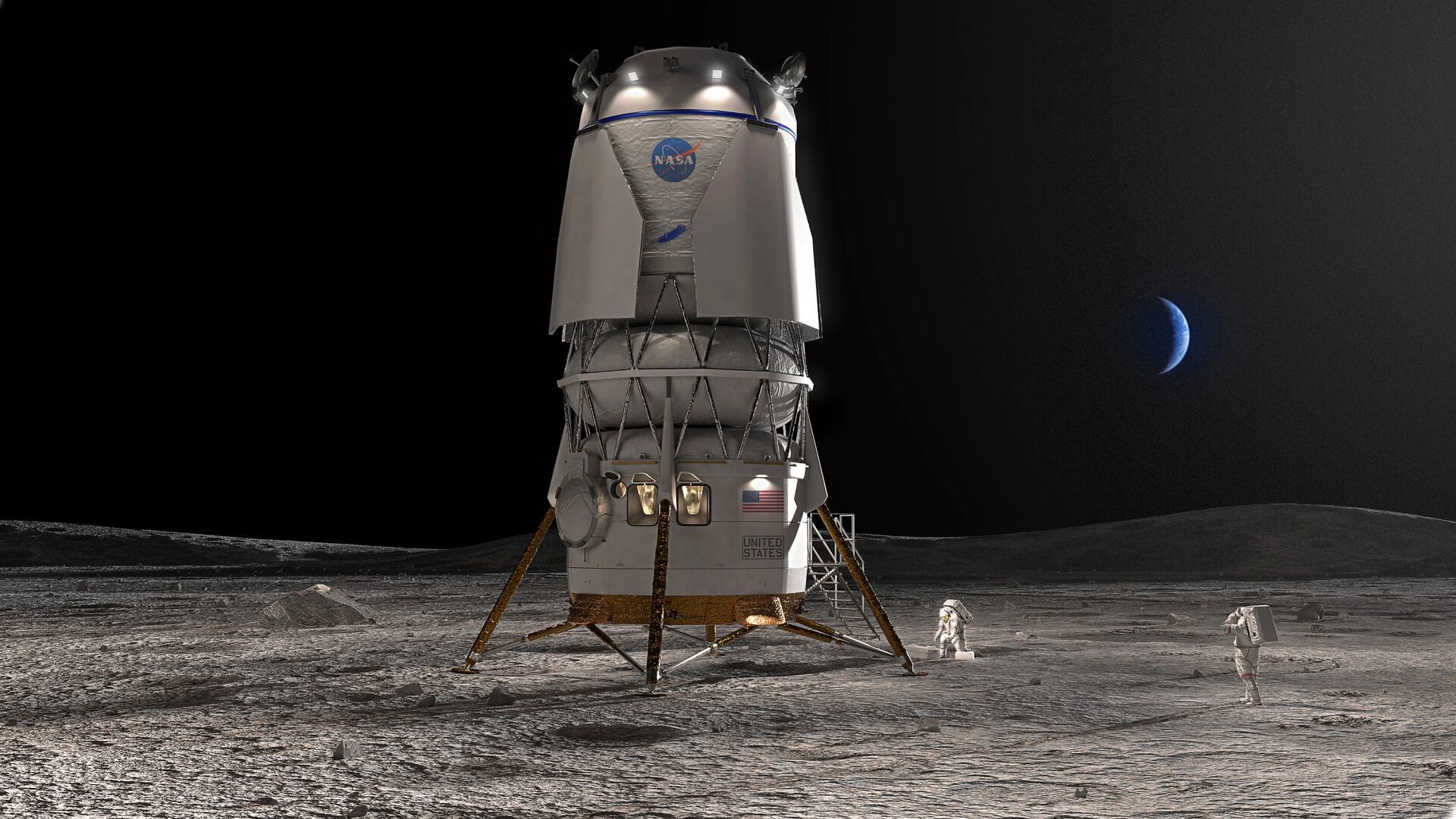
Blue Origin received a $3.4 billion contract Friday to lead a team to develop a lunar lander named Blue Moon. It will be used to transport astronauts to the lunar surface as early as 2029, following a pair of crew landings by Elon Musk’s SpaceX.
NASA will get astronauts to lunar orbit using its own rockets and capsules, but wants private companies to take over from there.
NASA Administrator Bill Nelson said the agency wants different landing options as it seeks a return to the moon more than a half-century after the end of the Apollo moonshots.
Blue Origin is kicking in billions of dollars, on top of the NASA contract, to help establish a permanent presence on the moon.
“We have a lot to do before we successfully land and return astronauts," said John Couluris, a Blue Origin vice president.
Two years ago, Blue Origin sued after NASA awarded SpaceX the contract for the first lunar landing. A federal judge upheld the space agency’s decision.
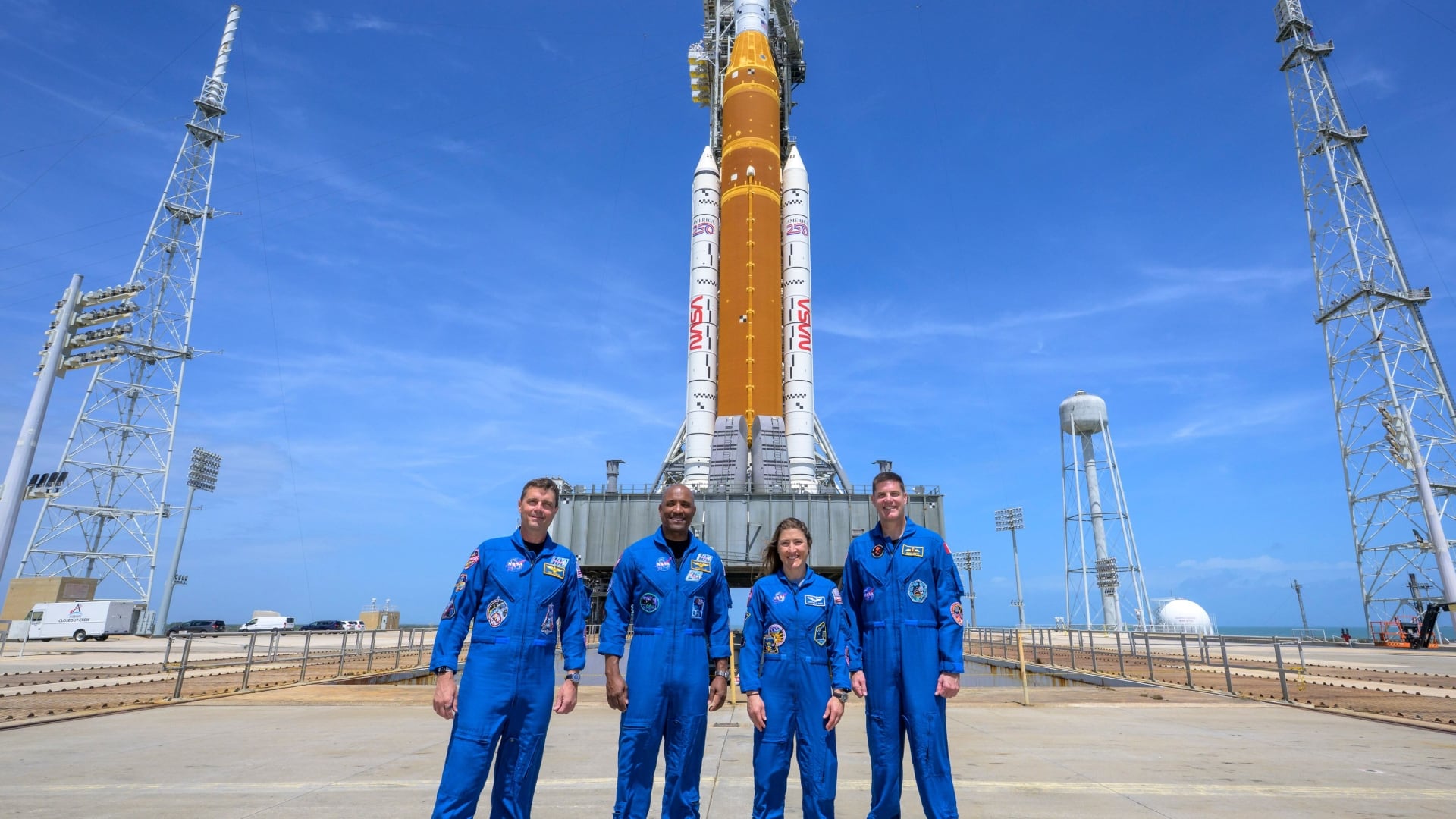
NASA’s Artemis program, which follows the 1960s and 1970s Apollo moonshots. kicked off with a successful test flight late last year. Launched atop NASA's new moon rocket, an empty Orion capsule went into lunar orbit before returning home.
The next Artemis flight will come late next year when one Canadian and three U.S. astronauts fly to the moon and back, but not land. Two Americans would descend to the lunar surface aboard a SpaceX Starship on the mission after that, no earlier than late 2025.
Like SpaceX, Blue Origin plans to practice landing on the moon without a crew, before putting astronauts on board.
While the shiny, stainless steel Starship has a science fiction look, Blue Moon resembles more of a traditional capsule perched atop a tall compartment with legs. The latter will stand 52 feet (16 meters) on the moon.
Both companies' landers are meant to be reusable.
Blue Origin will use its still-in-development New Glenn rocket to launch its lunar missions from Cape Canaveral. Starship, the world's largest rocket, made its debut last month from South Texas; the test flight ended in an explosive fireball a few minutes into flight.
Blue Origin's team includes five partners: Lockheed Martin, Boeing, Draper, Astrobotic Technology and Honeybee Robotics.
Only one other bid was submitted for the contract competition, according to NASA.
___
The Associated Press Health and Science Department receives support from the Howard Hughes Medical Institute’s Science and Educational Media Group. The AP is solely responsible for all content.