NASA’s newest X-ray observatory rocketed into orbit Thursday to shed light on exploded stars, black holes and other violent high-energy events unfolding in the universe.
SpaceX launched the spacecraft on its $188 million mission from Kennedy Space Center. It’s called IXPE, short for Imaging X-ray Polarization Explorer.
Scientists said the observatory — actually three telescopes in one — will unveil the most dramatic and extreme parts of the universe as never before.
“IXPE is going to open a new window on the X-ray sky,” Brian Ramsey, NASA's deputy principal scientist, said this week.
Operations should begin next month. NASA is partnering with the Italian Space Agency on the project.
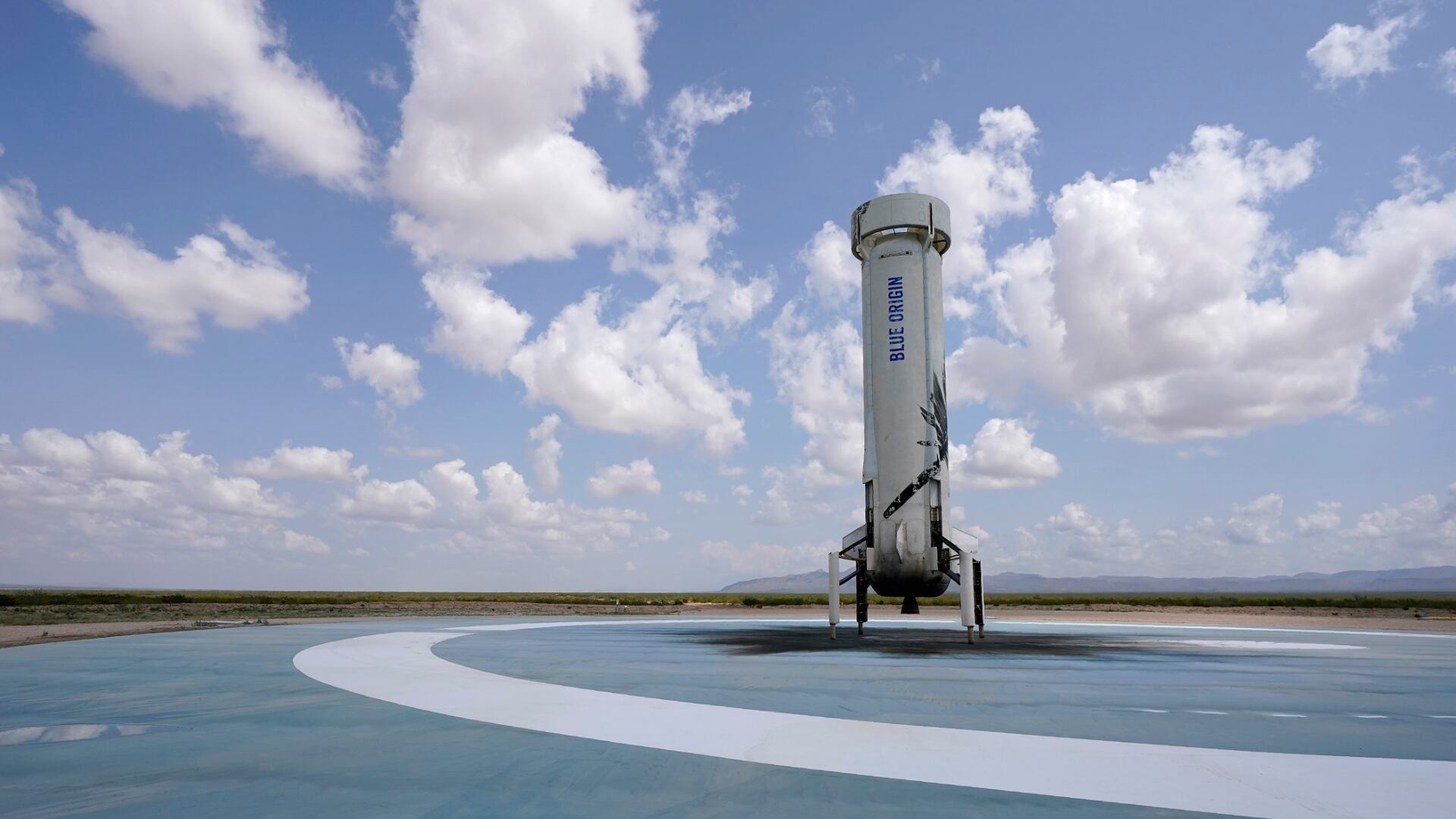
Jeff Bezos' space travel company Blue Origin is under fire after a group of 20 current and former employees signed a letter to the FAA claiming safety violations that were detailed along with accusations of sexual harassment.
Futures rebounded this morning in reaction to positive news from Merck that its covid-19 treatment pill is 50 percent effective at preventing hospitalizations and death. It comes after a rocky month on Wall Street, which saw all the major averages post their worst months in over a year. Chris Vecchio, Senior Analyst, at DailyFX joined Wake Up with Cheddar for more.
The FAA has completed its investigation of Virgin Galactic’s Unity 22 test flight on July 12 after the aircraft flew out of protected airspace on its descent back to Earth. Virgin Galactic has been given the green light to resume flights but must request a larger share of protected airspace for future missions.
YouTube is working to ensure that fake news surrounding COVID-19 vaccines, or any other vaccine, is removed from the platform. The media giant has begun wiping videos related to conspiracies, vaccine testimonies, and other content that says approved vaccines are dangerous.
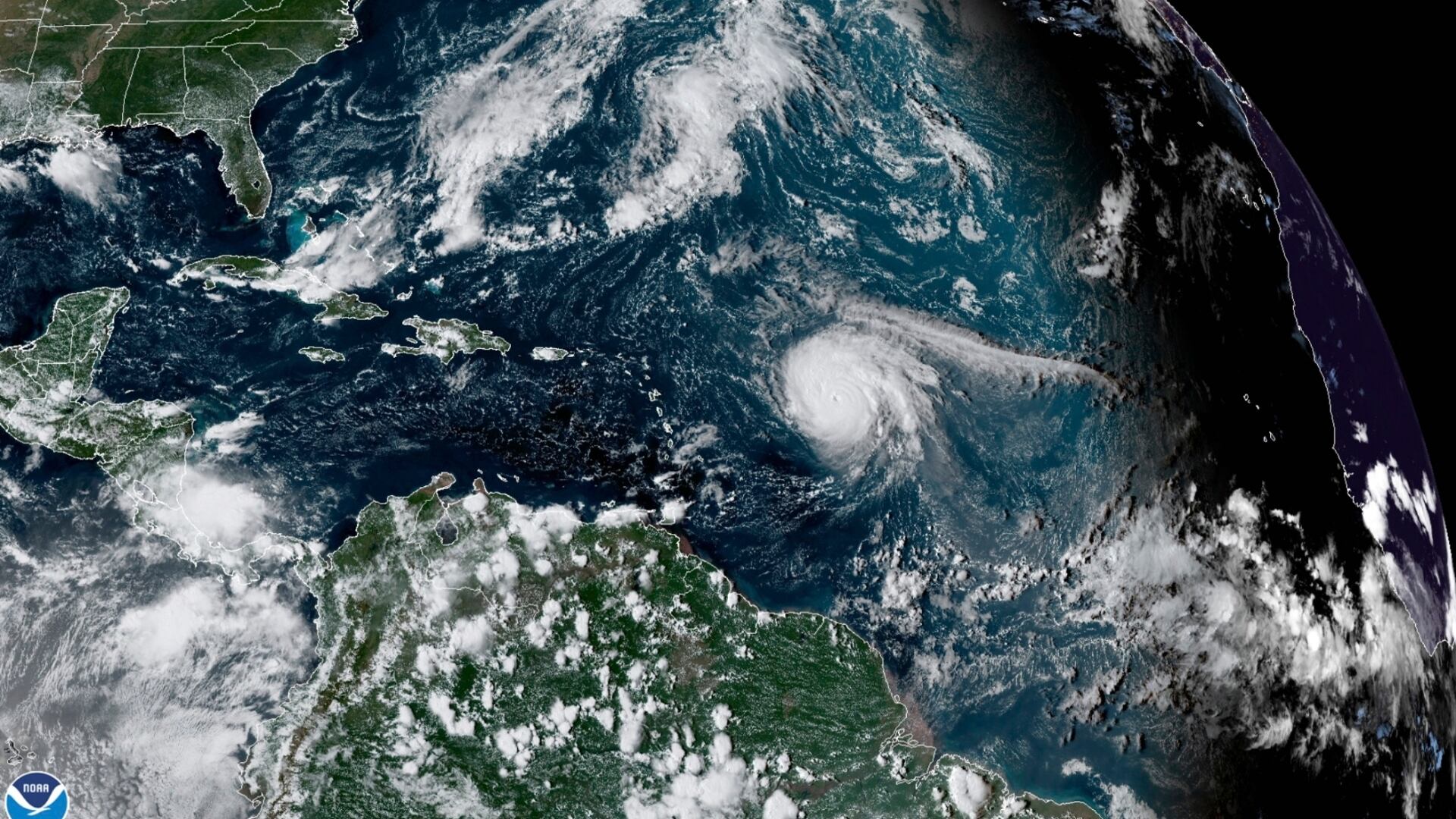
All eyes are on the Atlantic Ocean as Category 4 Hurricane Sam strengthens and inches closer to the mainland. While meteorologists don’t expect the storm to make landfall, intense rip currents for coastal states are expected.