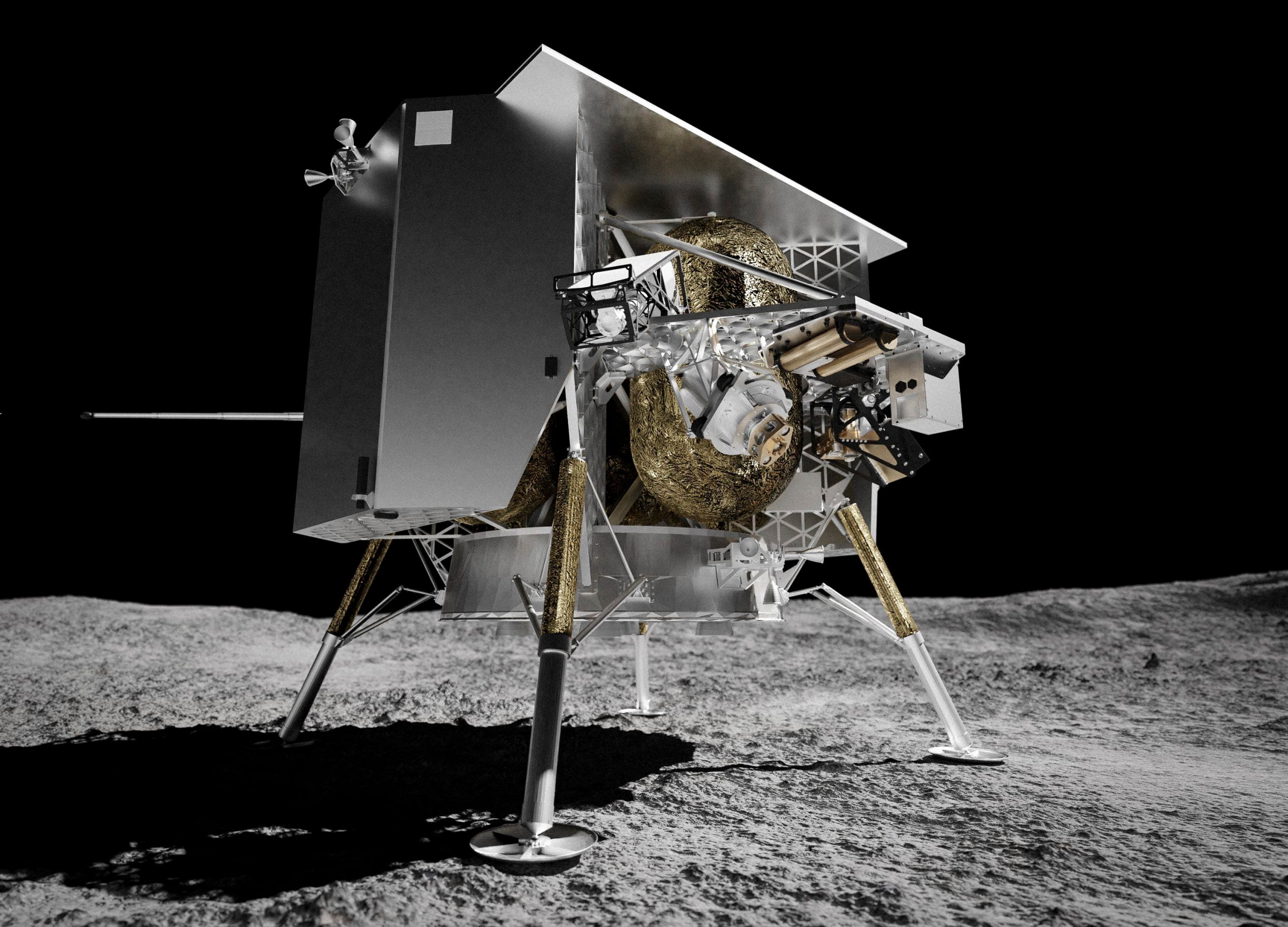
This illustration provided by Astrobotic Technology in 2024 depicts the Peregrine lunar lander on the surface of the moon. (Astrobotic Technology via AP)
Astronauts will have to wait until next year before flying to the moon and another few years before landing on it, under the latest round of delays announced by NASA on Tuesday.
The space agency had planned to send four astronauts around the moon late this year, but pushed the flight to September 2025 because of technical issues. The first human moon landing in more than 50 years also got bumped, from 2025 to 2026.
The news came barely an hour after a Pittsburgh company abandoned its own attempt to land its spacecraft on the moon because of a mission-ending fuel leak.
Launched on Monday as part of NASA's commercial lunar program, Astrobotic Technology's Peregrine lander was supposed to serve as a scout for the astronauts. A Houston company will give it a shot with its own lander next month.
NASA is relying heavily on private companies for its Artemis moon-landing program for astronauts, named after the mythological twin sister of Apollo.
Delta CSO Amelia DeLuca reveals at the Fast Co. Innovation Festival how tech, sustainable aviation fuel, and smart operations are revolutionizing air travel.
Colin & Samir break down YouTube’s $100B payout to creators and explore why nearly a third of Gen Alpha want to be YouTubers — plus what that means for you.
Unpacking Jerome Powell’s surprise rate cut with Tematica Research CIO Chris Versace—what it signals, who wins, who loses, and what smart investors do now.
Oracle soars as it cashes in on the AI boom, Plus: Starbucks shares continue to fall under its new CEO, and does anybody actually want a new iPhone Air?