*By Christian Smith*
After an overdose earlier this week, Demi Lovato's life was reportedly saved by Narcan, a nasal administrator of naloxone that counteracts the effects of opioids. When administered quicklyーthrough either nasal mist or injectionーnaloxone can temporarily halt an overdose, allowing EMTs enough time to respond. The medication is available without a prescription in 49 states, and the generic version costs about $20 per dose.
But all merits aside, is the drug's accessibility enabling addicts to push their limits?
Dr. Roger Crystal, the lead inventor of Narcan and CEO of Opiant Pharmaceuticals, says there's little evidence to support that concern.
"Addiction like any kind of chronic disease is something you can control using better medication, but ultimately you can't cure," Crystal told Cheddar. "To think about an opioid addict behaving rationally and saying, 'well because I have access to Narcan I'll shoot more heroin, inject more heroin' there's no proof for that whatsoever."
Naloxone is considered some of the best ammunition on the front lines of America's growing opioid epidemic. A reported 2 million Americans have an addition to opioidsーand the number isn't going down. U.S. Surgeon General Jerome Adams [issued an advisory](https://www.surgeongeneral.gov/priorities/opioid-overdose-prevention/naloxone-advisory.html) in April urging anyoneーand their close family and friendsーwho uses painkillers, heroin, fentanyl, or other opioids to carry naloxone in case of an emergency.
Crystal isn't stopping at Narcan: he told Cheddar he's also developing a heroin vaccine, suggesting the inventor has lofty ambitions for the future of overdose prevention.
Although Crystal may be aware of lingering ethical concerns, he doesn't think they dwarf his mission. After all, Lovato has him to thank.
"Putting it in the hands of everyone and anyone is critical," Crystal said.
For more on this story, [click here](https://cheddar.com/videos/how-one-pharmaceutical-company-is-fighting-the-opioid-epidemic).
The Times Square ball isn't the only item dropping on New Year's Eve. Curiosity.com's Ashley Hamer joins us with the weirdest dropped items from around the country.
Sara Miller, Staff Writer at Live Science, and Claire Maldarelli, assistant editor at Popular Science, discuss a new study that suggests that men might not be exaggerating symptoms of the flu after all...they might actually suffer more than women!
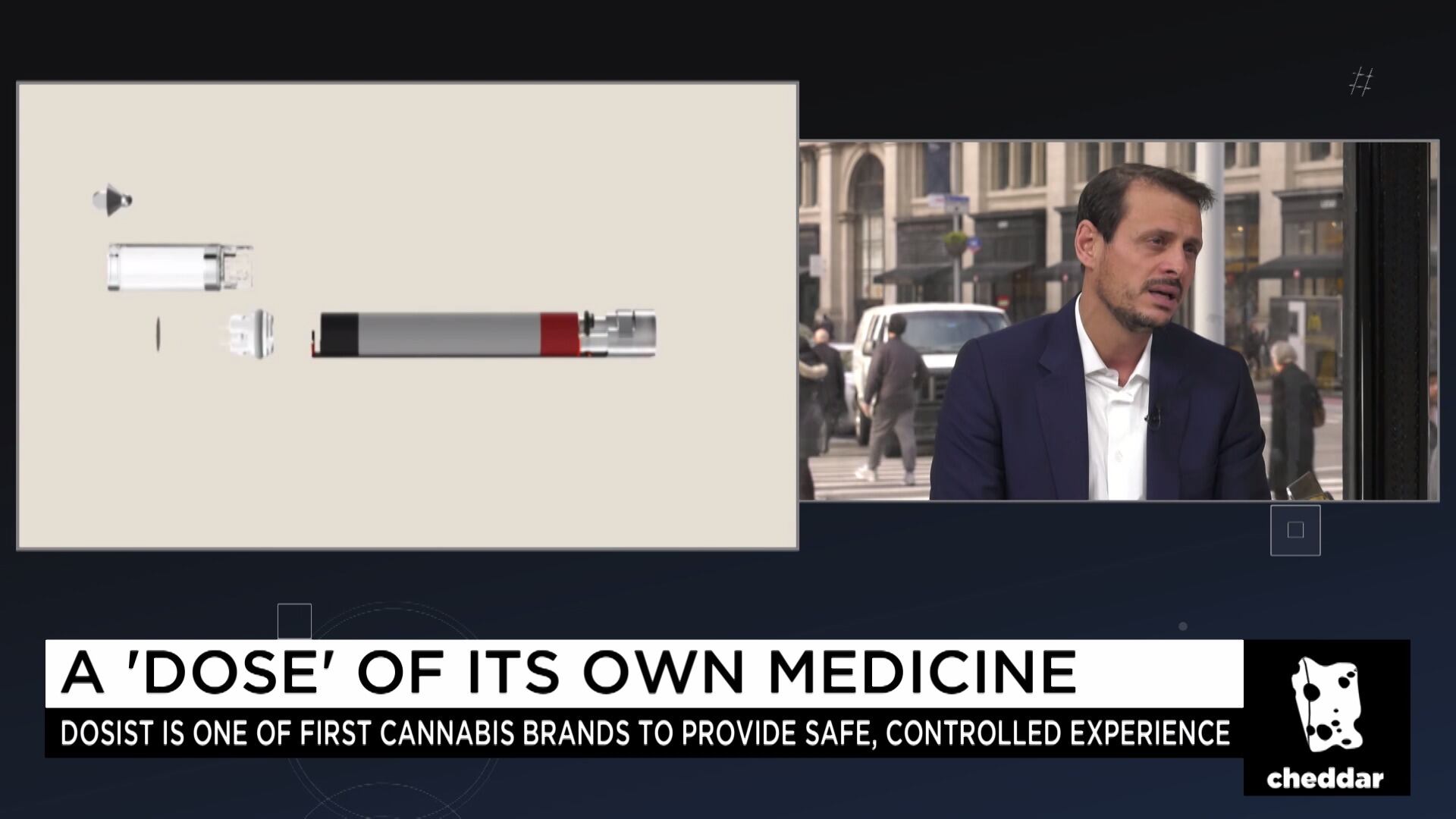
Cannabis company "hmbldt" is changing its name to "dosist." Co-Founder Jason DeLand joins Cheddar to tell us why the time was right for the change.
The sky is the limit for the vertical farming industry. Aerofarm's Marc Oshima joins Cheddar to discuss his company's construction of the world's largest indoor farm.
Solar power is the fastest growing part of the global energy industry. Inderpreet Wadhwa, CEO of Azure Power, one of the largest solar power producers in India, sat down with us to discuss why India is well positioned to capitalize on the trend.
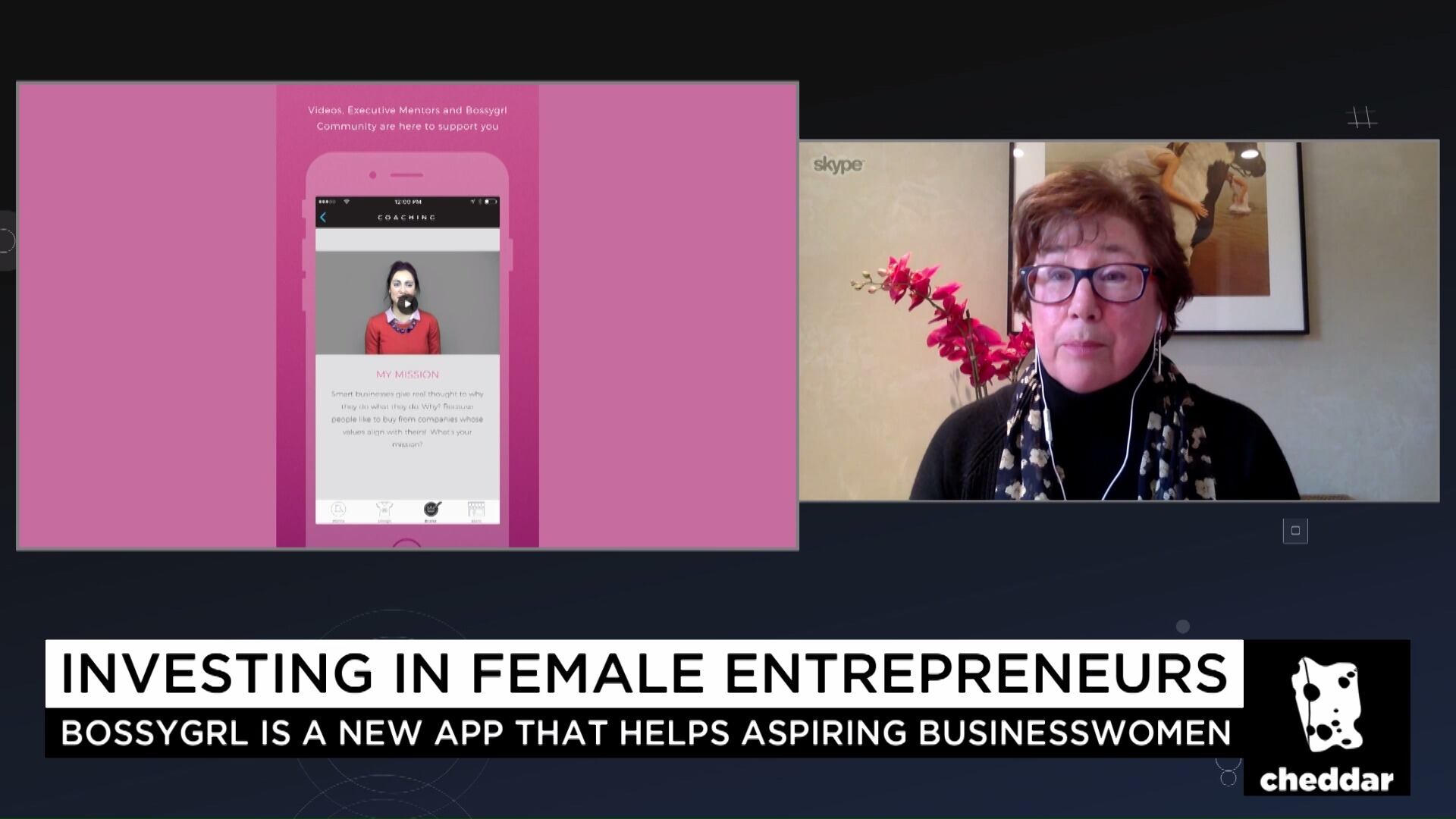
Bossygrl is a new app and platform that is looking to help female entrepreneurs launch their ideas and create businesses. The app became available on December 6th and is focused on Gen Z.
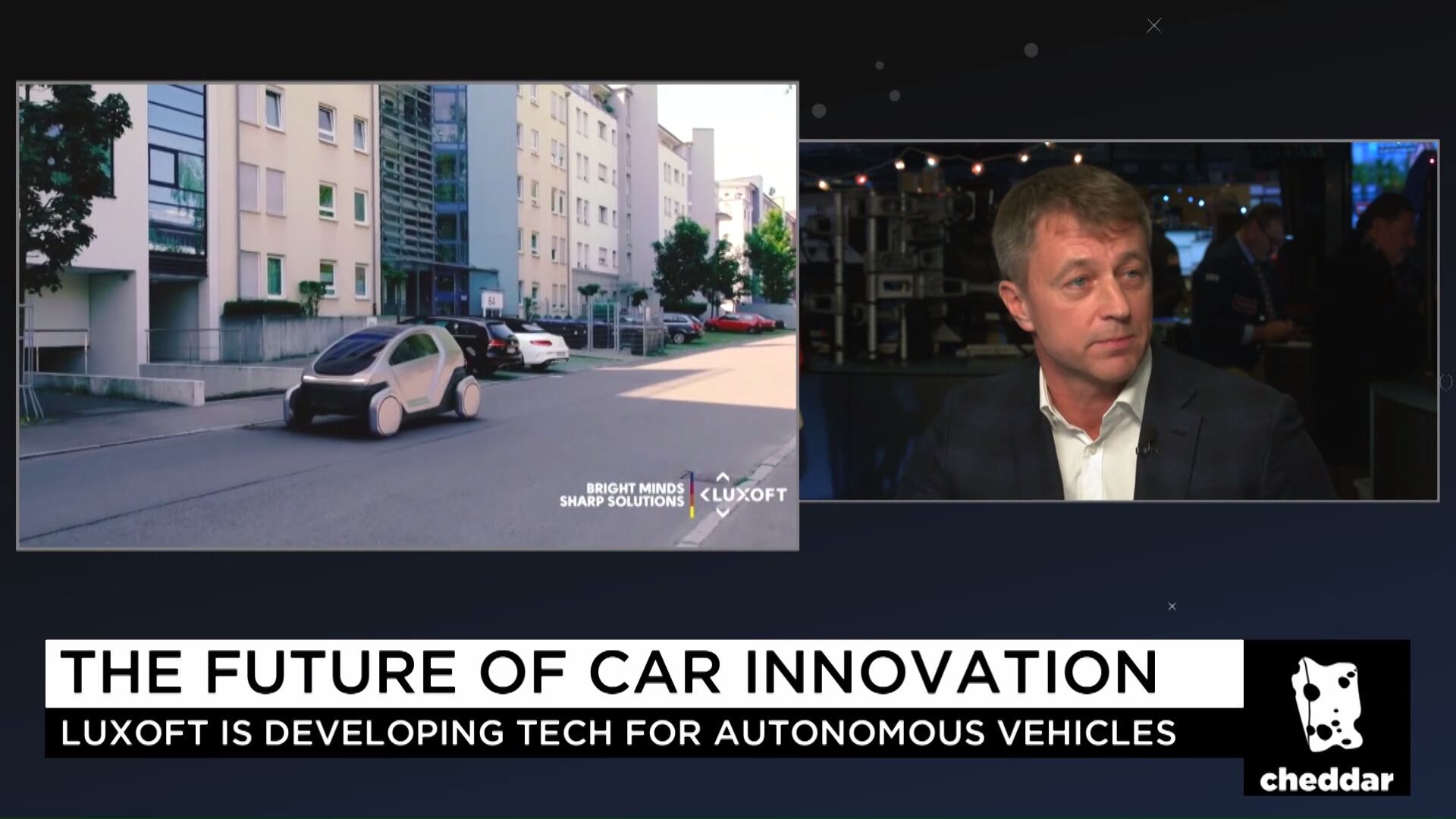
Autonomous vehicles could be on the road sooner than you think. A company that is building towards that future is Luxoft. Luxoft has partnered with Intel to create a new digital cockpit computer and Ford for an in-vehicle translator app.
Rae Paoletta, space editor for Inverse, discusses the latest discovery by the Kepler Space Telescope, which located an 8th planet in the Kepler-90 system, making it the only system with as many planets as our own.
This week President Trump signed a directive that will refocus America's space program on human exploration and discovery. Hanneke Weitering, Staff Writer at Space.com, joins Cheddar to discuss whether this decision means more funding from the White House for NASA.
Since 2012, the Basser Center for BRCA has been working towards treating, preventing, and researching BRCA related Cancers. Now, the Center has launched #invisiblegenes to bring awareness to inherited cancer and increase early detection.