*By Christian Smith*
After an overdose earlier this week, Demi Lovato's life was reportedly saved by Narcan, a nasal administrator of naloxone that counteracts the effects of opioids. When administered quicklyーthrough either nasal mist or injectionーnaloxone can temporarily halt an overdose, allowing EMTs enough time to respond. The medication is available without a prescription in 49 states, and the generic version costs about $20 per dose.
But all merits aside, is the drug's accessibility enabling addicts to push their limits?
Dr. Roger Crystal, the lead inventor of Narcan and CEO of Opiant Pharmaceuticals, says there's little evidence to support that concern.
"Addiction like any kind of chronic disease is something you can control using better medication, but ultimately you can't cure," Crystal told Cheddar. "To think about an opioid addict behaving rationally and saying, 'well because I have access to Narcan I'll shoot more heroin, inject more heroin' there's no proof for that whatsoever."
Naloxone is considered some of the best ammunition on the front lines of America's growing opioid epidemic. A reported 2 million Americans have an addition to opioidsーand the number isn't going down. U.S. Surgeon General Jerome Adams [issued an advisory](https://www.surgeongeneral.gov/priorities/opioid-overdose-prevention/naloxone-advisory.html) in April urging anyoneーand their close family and friendsーwho uses painkillers, heroin, fentanyl, or other opioids to carry naloxone in case of an emergency.
Crystal isn't stopping at Narcan: he told Cheddar he's also developing a heroin vaccine, suggesting the inventor has lofty ambitions for the future of overdose prevention.
Although Crystal may be aware of lingering ethical concerns, he doesn't think they dwarf his mission. After all, Lovato has him to thank.
"Putting it in the hands of everyone and anyone is critical," Crystal said.
For more on this story, [click here](https://cheddar.com/videos/how-one-pharmaceutical-company-is-fighting-the-opioid-epidemic).
A new U.N. biodiversity report card highlights the decline over the past 10 years in fragile ecosystems such as coral reefs and tropical forests.
Astronomers looking at the atmosphere in neighboring Venus see something that might just be a sign of life. In a study published Monday, they say they found the chemical signature of a noxious gas called phosphine.
As people seek new ways to cope and treat psychiatric disorders like depression and anxiety, Ketamine is growing in popularity as doctors describe improvements in patients. Cheddar's Chloe Aiello reports.
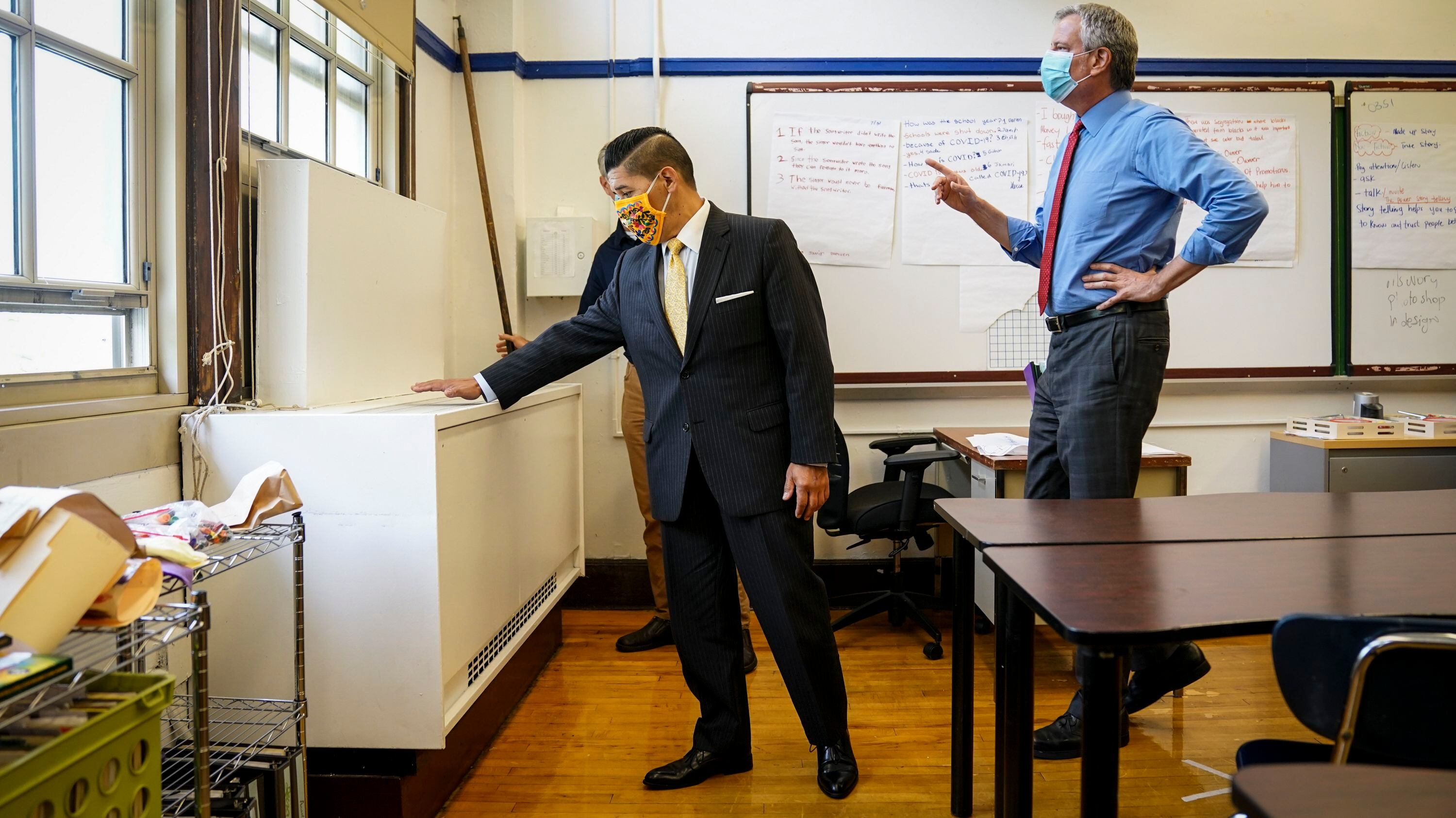
Figuring out best practices when it comes to preventing airborne transmission is inherently challenging though, especially when it comes to the technical aspects of retrofitting ventilation systems.
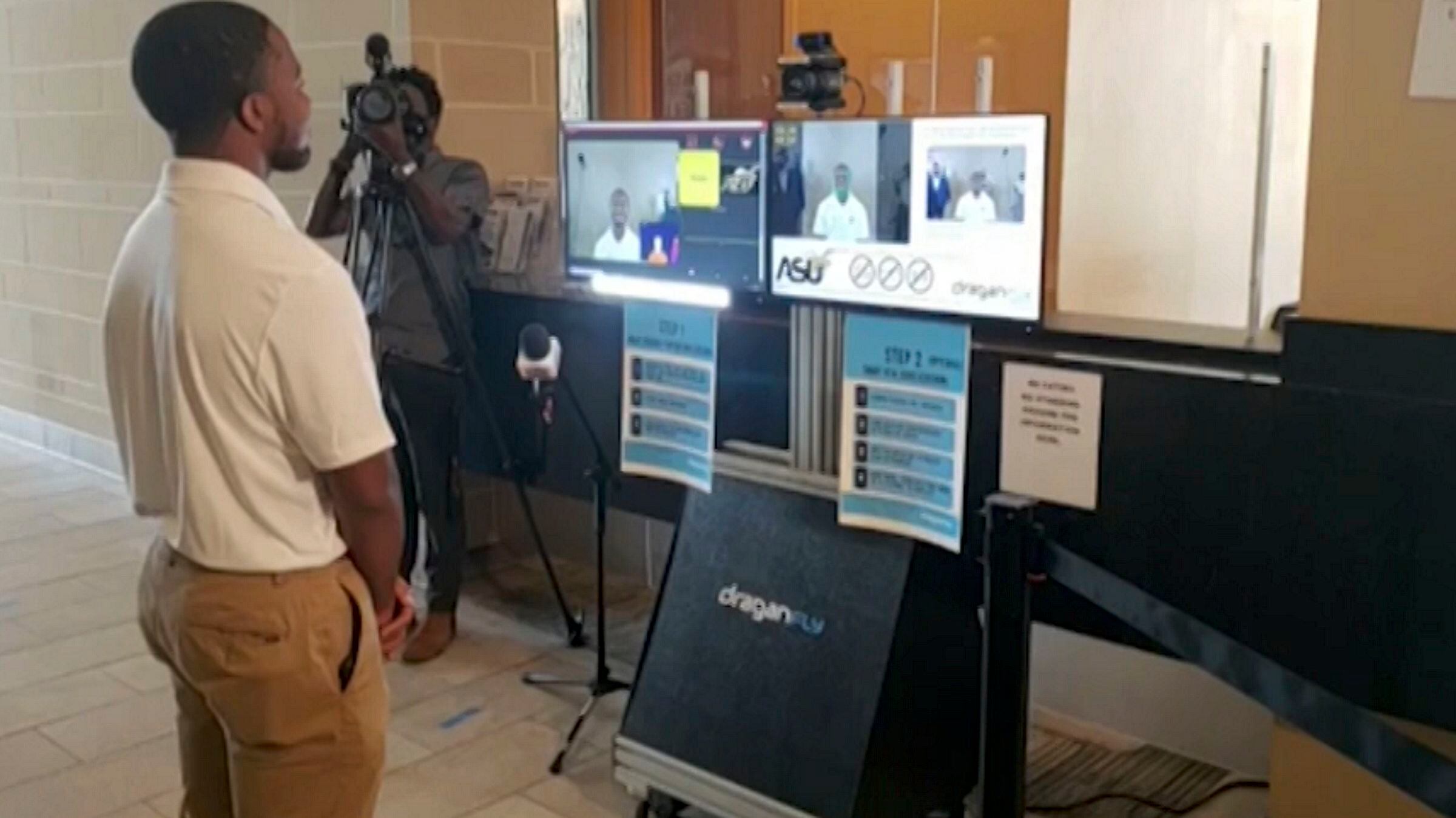
Alabama State University has managed to keep COVID-19 infections at zero despite rising cases on college campuses. University president, Quinton Ross, Jr, joined Cheddar to discuss new technology that scans for coronavirus symptoms.
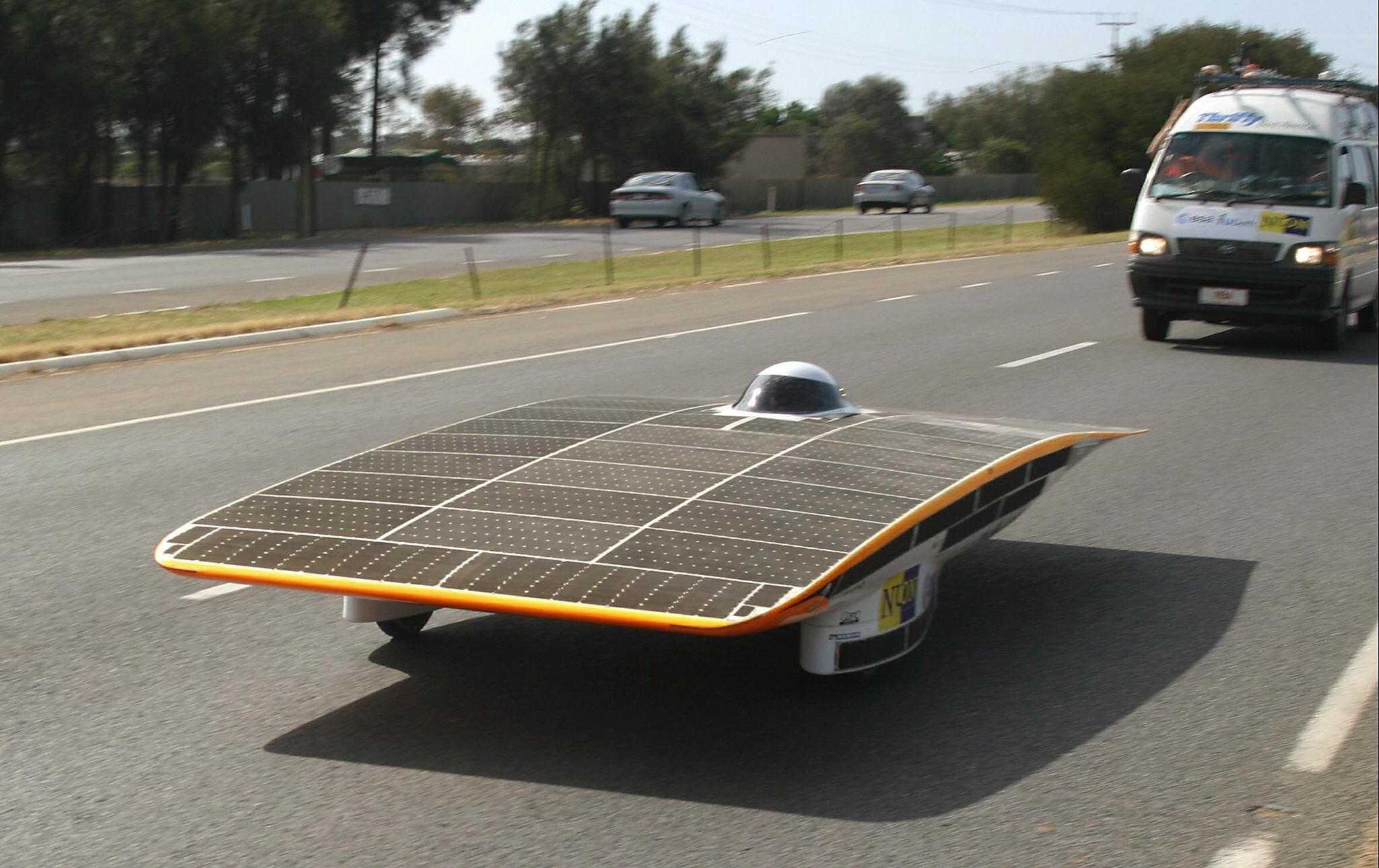
In the 1980's and 90's, the solar car was deemed the future of transportation. Yet, just as quickly as it arrived, the solar car disappeared. But today, as the problems caused by our reliance on fossil fuels have grown, so has a demand for alternative sources of energy for our vehicles. While electric cars are rapidly gaining a larger share of the automotive market, this technology still relies on electricity from a grid often fueled by petroleum or coal. And this is why some companies today are again trying to harness the most powerful energy source we know: the sun.
Wildfires are raging unchecked across parts of the western United States as winds sweep the region.
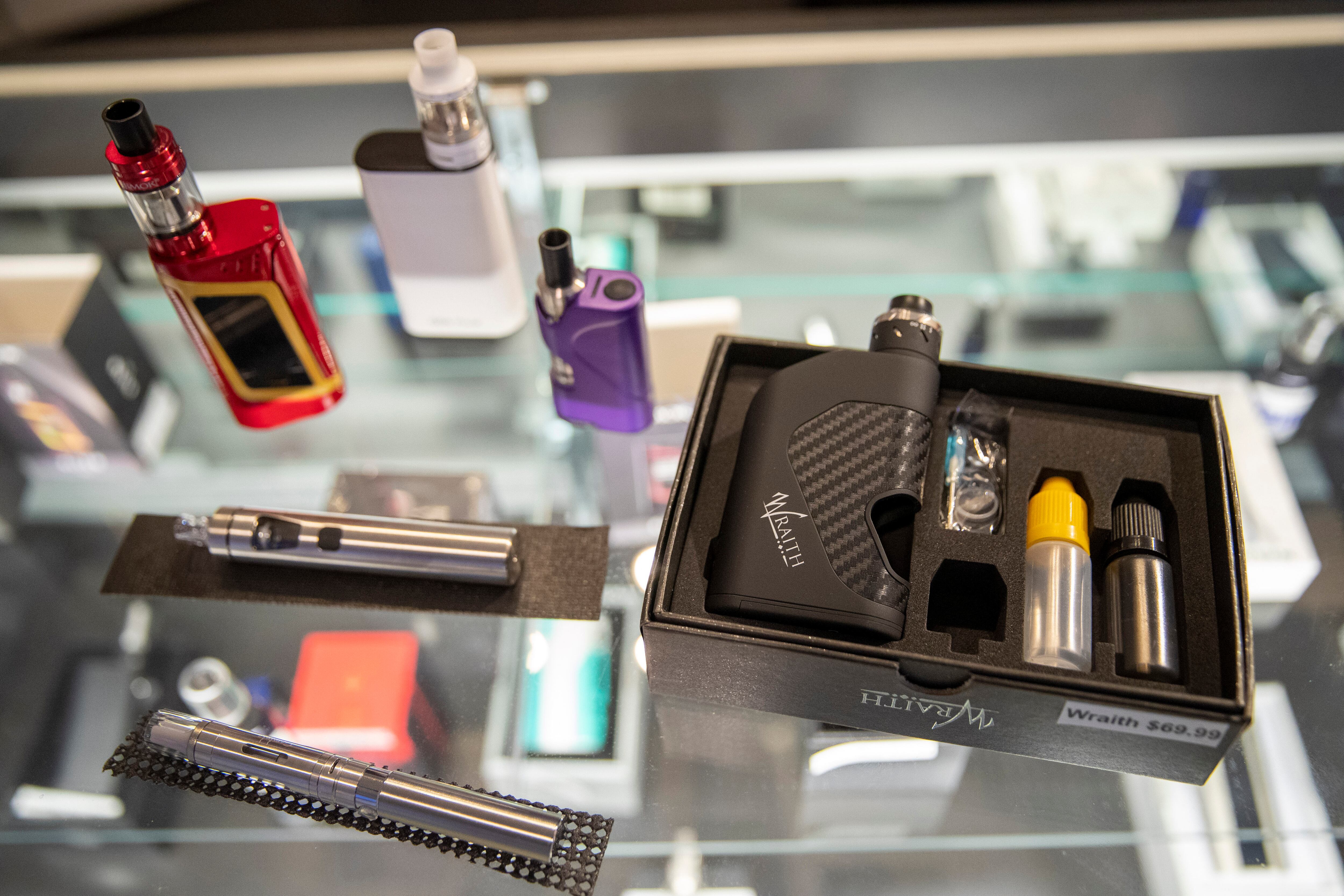
A new federal report shows vaping rates among U.S. teenagers fell dramatically this year.
Dr. Anthony Fauci says AstraZeneca's suspension of its COVID-19 vaccine study shows “one of the safety valves” built into the research to spot any potential problems.
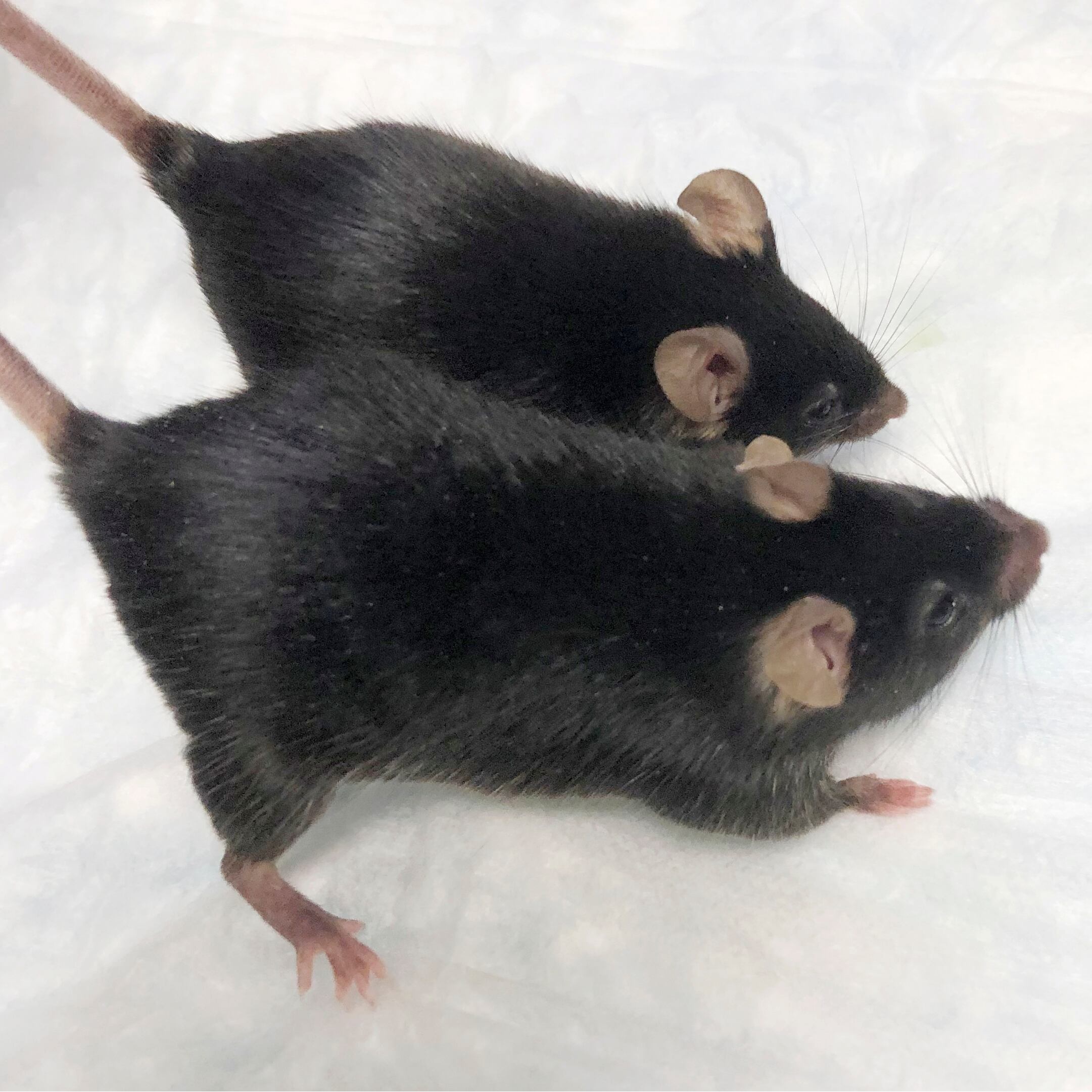
Scientists who sent bulked-up, mutant “mighty mice” to the International Space Station say the animals held onto their muscle during the monthlong flight.