*By Christian Smith*
After an overdose earlier this week, Demi Lovato's life was reportedly saved by Narcan, a nasal administrator of naloxone that counteracts the effects of opioids. When administered quicklyーthrough either nasal mist or injectionーnaloxone can temporarily halt an overdose, allowing EMTs enough time to respond. The medication is available without a prescription in 49 states, and the generic version costs about $20 per dose.
But all merits aside, is the drug's accessibility enabling addicts to push their limits?
Dr. Roger Crystal, the lead inventor of Narcan and CEO of Opiant Pharmaceuticals, says there's little evidence to support that concern.
"Addiction like any kind of chronic disease is something you can control using better medication, but ultimately you can't cure," Crystal told Cheddar. "To think about an opioid addict behaving rationally and saying, 'well because I have access to Narcan I'll shoot more heroin, inject more heroin' there's no proof for that whatsoever."
Naloxone is considered some of the best ammunition on the front lines of America's growing opioid epidemic. A reported 2 million Americans have an addition to opioidsーand the number isn't going down. U.S. Surgeon General Jerome Adams [issued an advisory](https://www.surgeongeneral.gov/priorities/opioid-overdose-prevention/naloxone-advisory.html) in April urging anyoneーand their close family and friendsーwho uses painkillers, heroin, fentanyl, or other opioids to carry naloxone in case of an emergency.
Crystal isn't stopping at Narcan: he told Cheddar he's also developing a heroin vaccine, suggesting the inventor has lofty ambitions for the future of overdose prevention.
Although Crystal may be aware of lingering ethical concerns, he doesn't think they dwarf his mission. After all, Lovato has him to thank.
"Putting it in the hands of everyone and anyone is critical," Crystal said.
For more on this story, [click here](https://cheddar.com/videos/how-one-pharmaceutical-company-is-fighting-the-opioid-epidemic).
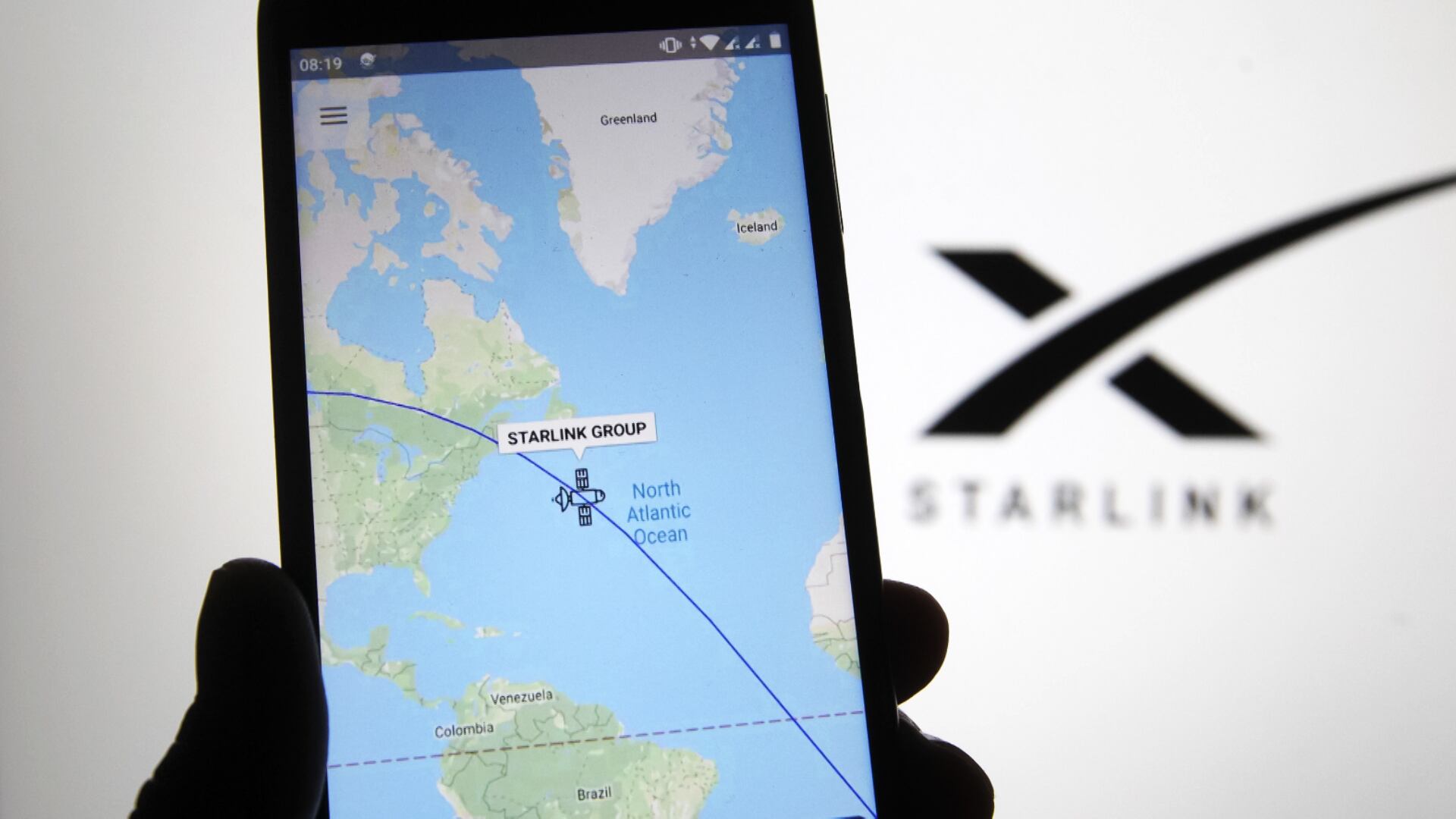
Amazon plans to launch its first prototype satellites for Project Kuiper, an internet-from-space venture, in 2022. It's the first major step in the e-commerce giant's plan to rival SpaceX by building a network of satellites in space, providing internet to rural, underserved communities around the world. Loren Grush, senior science reporter for the Verge, discusses the project and how it could transform internet access moving forward.
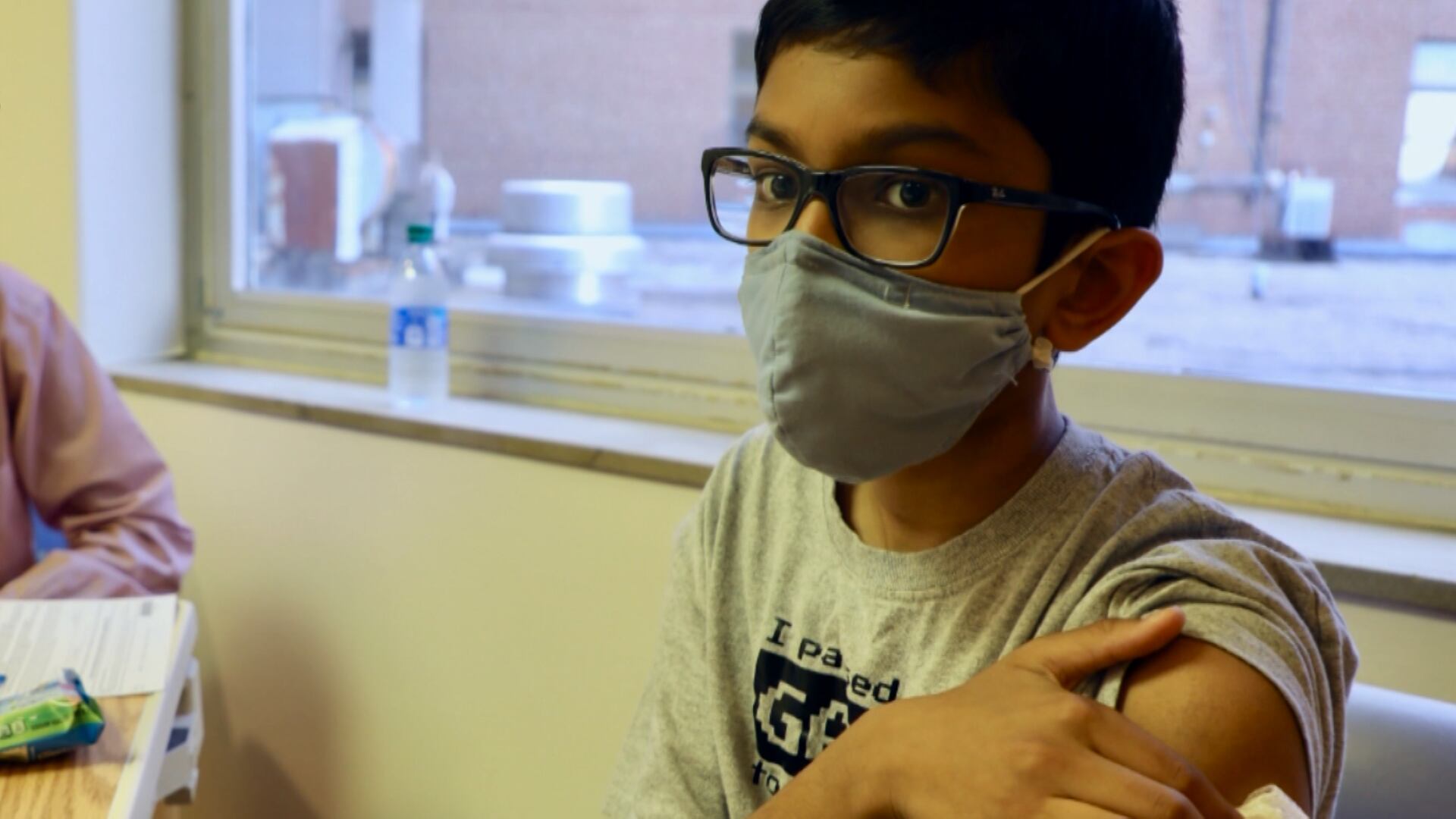
The FDA is assessing whether the Moderna vaccine can cause heart problems in adolescents. Professor Peter Pitts, founder of the Center for Medicine in the Public Interest and former FDA Associate Commissioner, discusses what the FDA is looking into and what it means for the millions of kids yet to be vaccinated.
Pfizer posted an earnings beat in its third quarter, with revenue soaring over 134% thanks to solid Covid-19 vaccine sales. Pfizer also raised its outlook for the full-year, expecting revenue to surpass $80 billion. Peter Andersen, CEO & founder of Andersen Capital Management, joined Cheddar Movers to discuss.
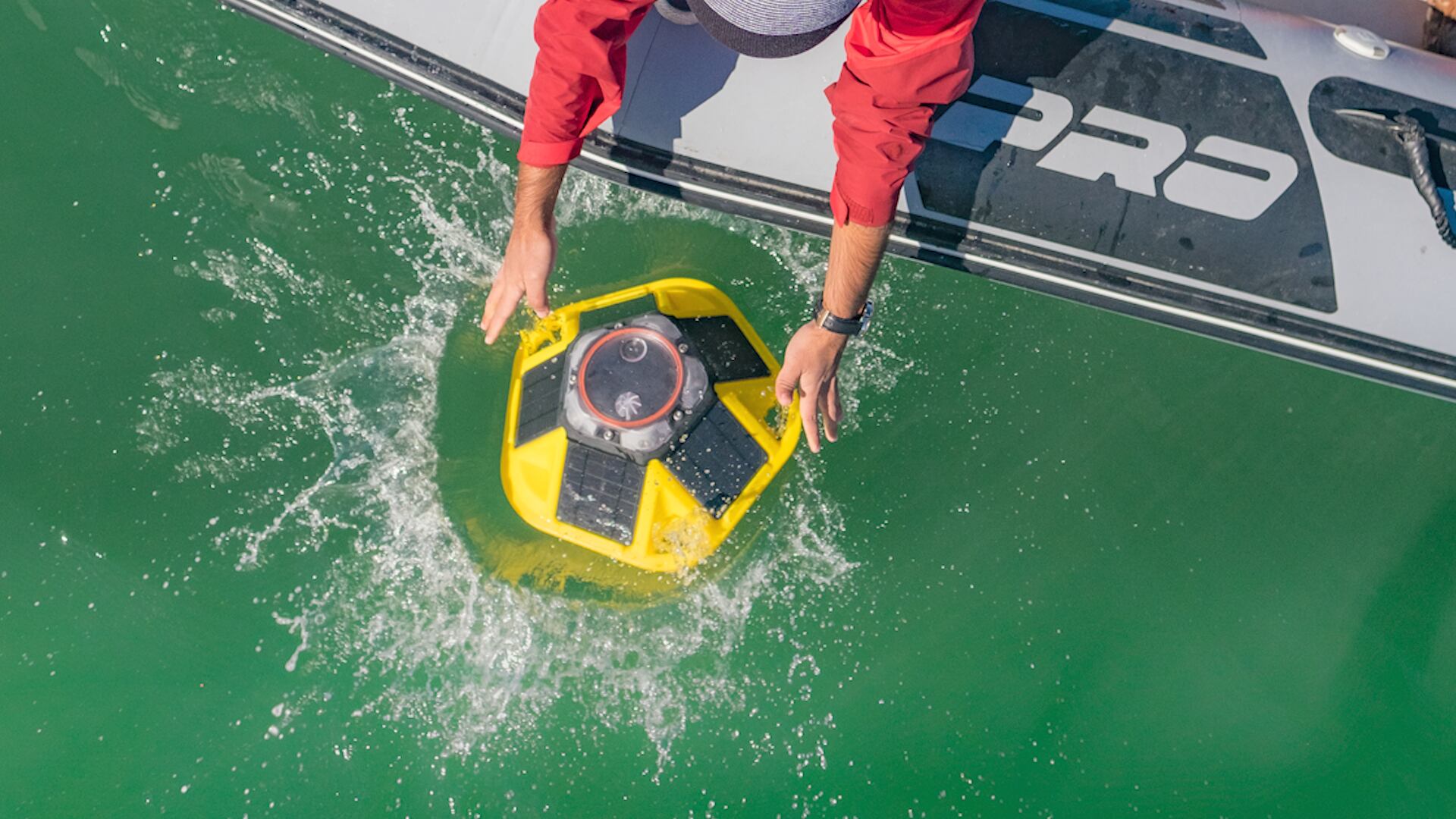
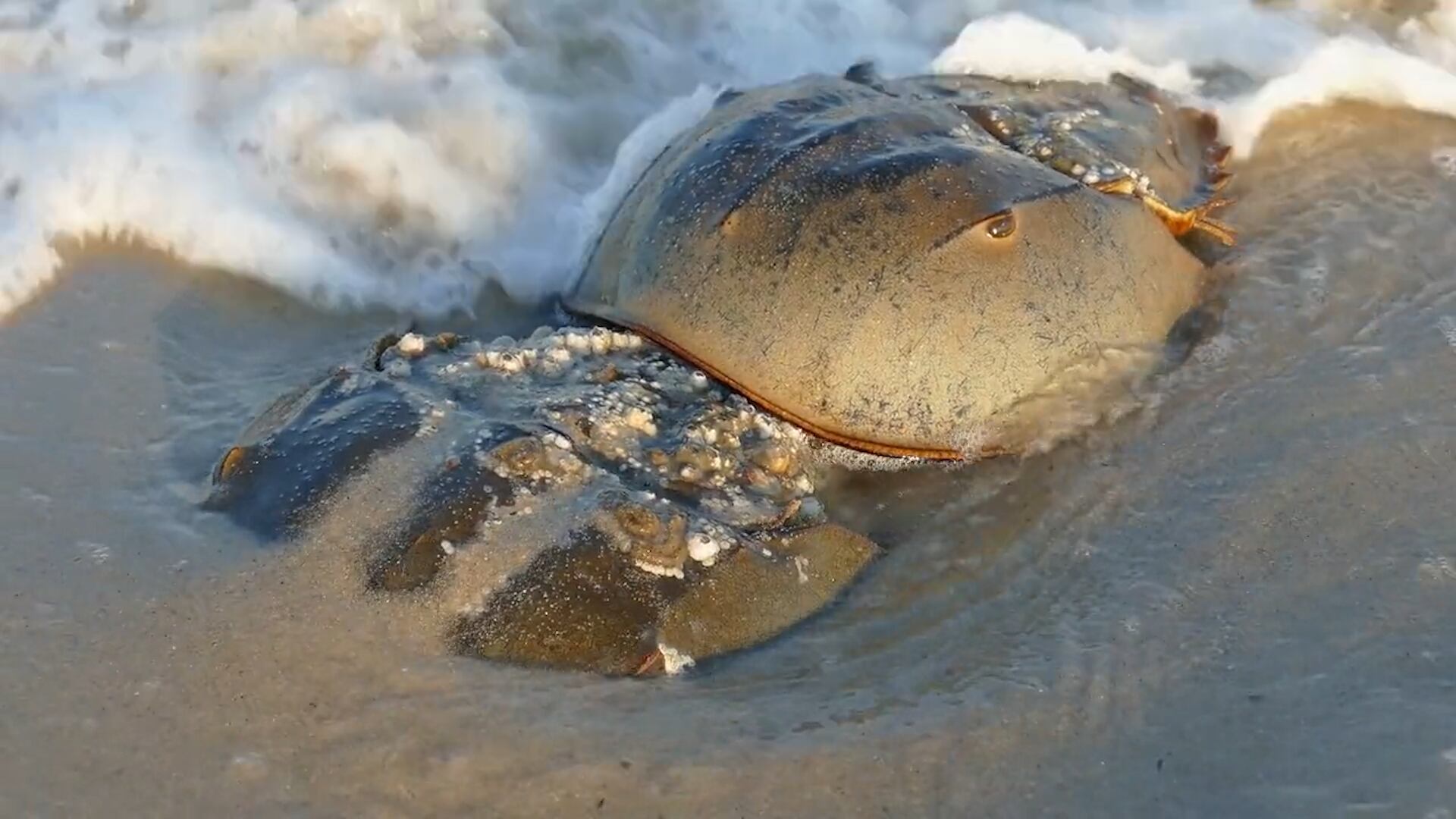
Cheddar gets a look at Curiosity Stream's 'Ancient Oceans'; Deep-sea biologist Heather Bracken-Grissom sheds light on some of the monsters that we can and cannot explain lurking in the darkness of the ocean's depths; Tim Janssen, CEO of Sofar Ocean, discusses Sofar Ocean's latest round of Series B funding, and how Sofar Ocean is helping connect all five oceans to help everything from climate change to the global shipping industry.
Tim Janssen, CEO of Sofar Ocean, joins 'Cheddar Reveals' to discuss Sofar Ocean's latest round of Series B funding, and how Sofar Ocean is helping connect all five oceans to help everything from climate change to the global shipping industry.
Deep-sea biologist Heather Bracken-Grissom joins 'Cheddar Reveals' to shed light on some of the monsters that we can and cannot explain lurking in the darkness of the ocean's depths.
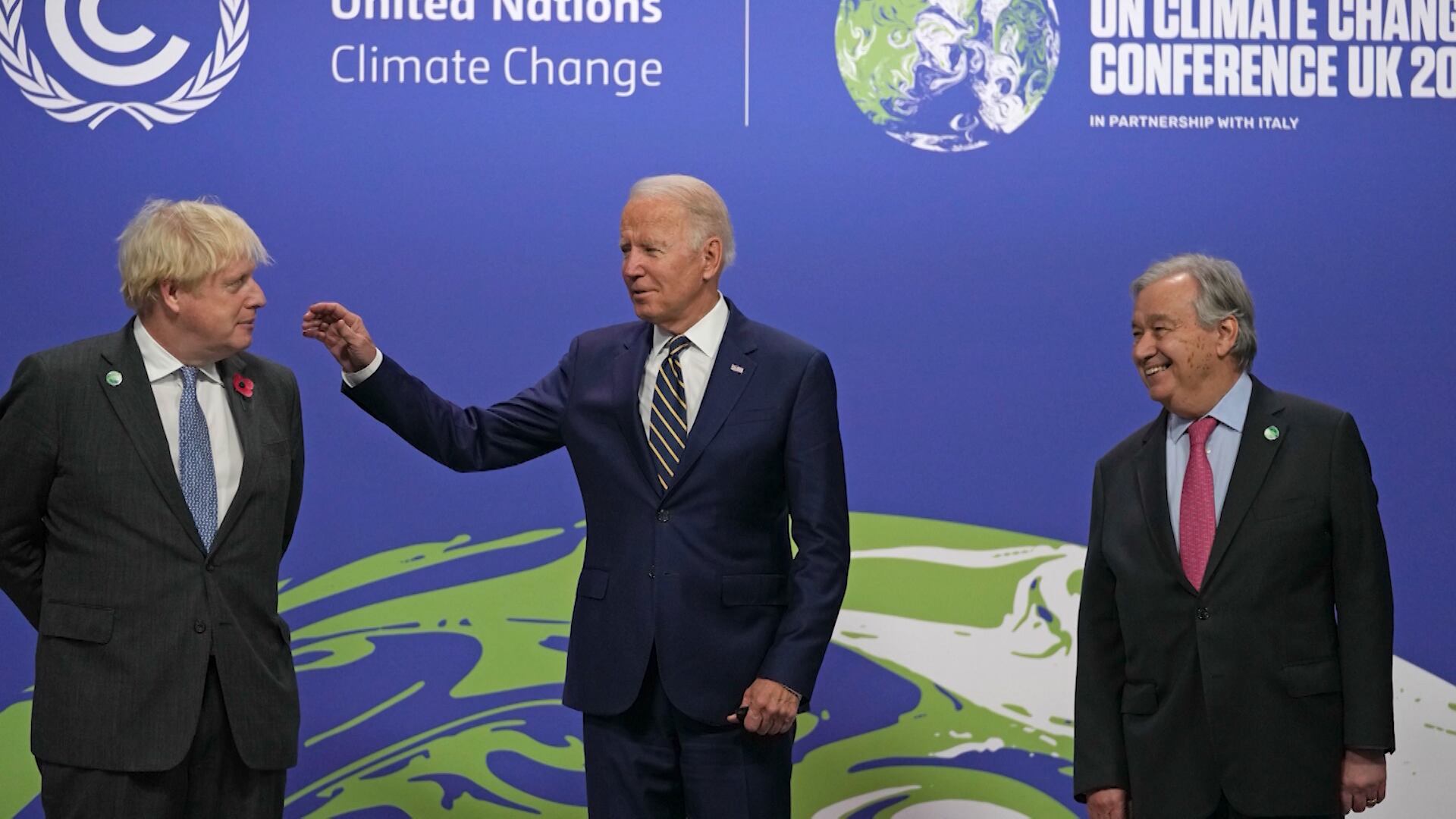
Leaders around the world have come together to discuss plans to bring action towards the Paris Agreement along with solutions on how to solve the evolving climate change crisis at the COP26 Summit. President and CEO of Center for International Environmental Law Carroll Muffett, joined Cheddar to discuss more.
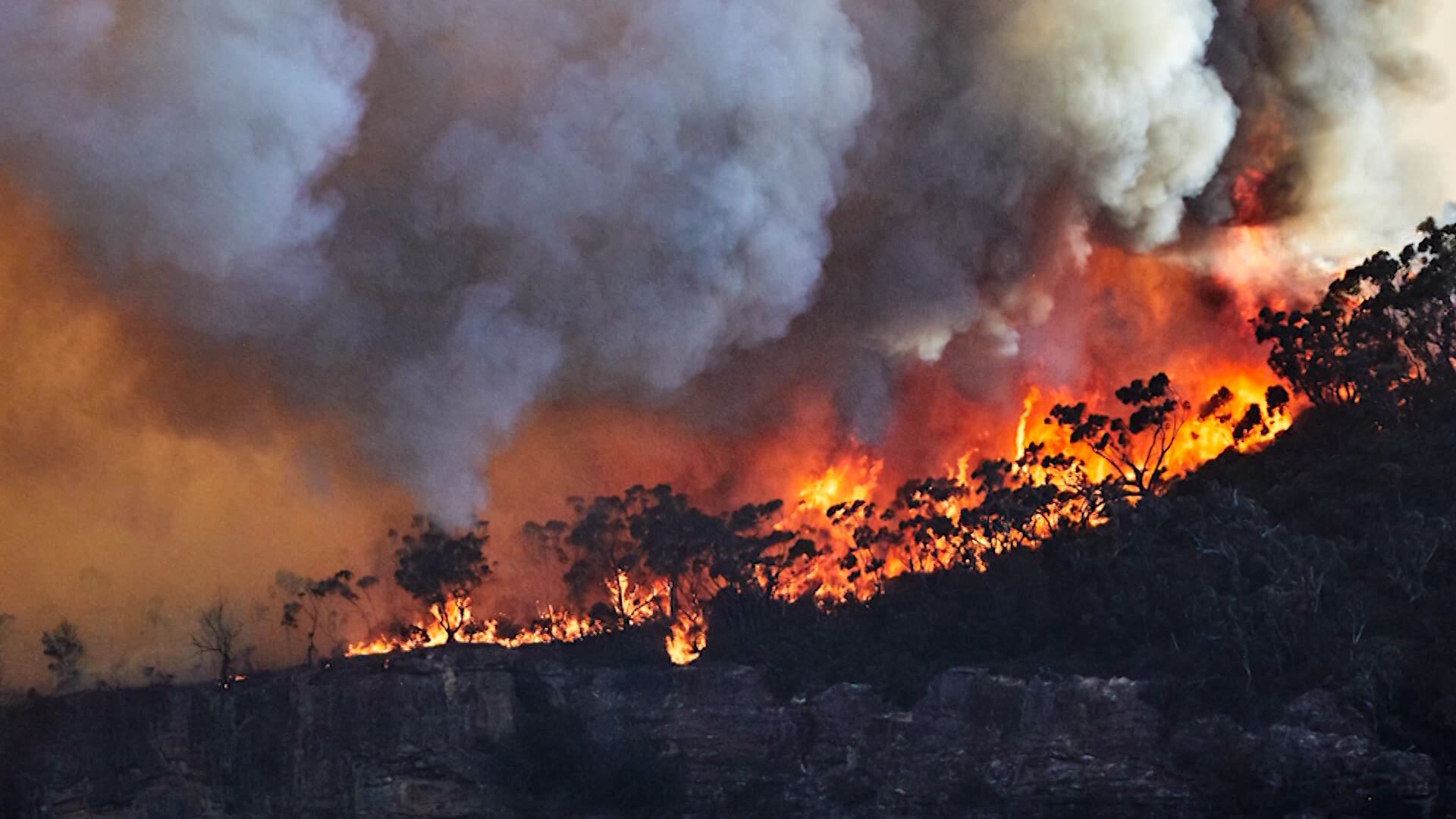
Rachel Cleetus, the policy director and lead economist of the climate and energy program for the Union of Concerned Scientists, joined Cheddar to break down some of the key goals from the COP26 summit and why leaders must focus on the science of climate change instead of getting bogged down by petty politics and the fossil fuel industry. "The main thing they have to do, make sure we're cutting our emissions sharply within this decade because the science shows that we have to cut global emissions in half by 2030 if we're going to meet our goals of averting some of the most catastrophic impacts of climate change," she said.
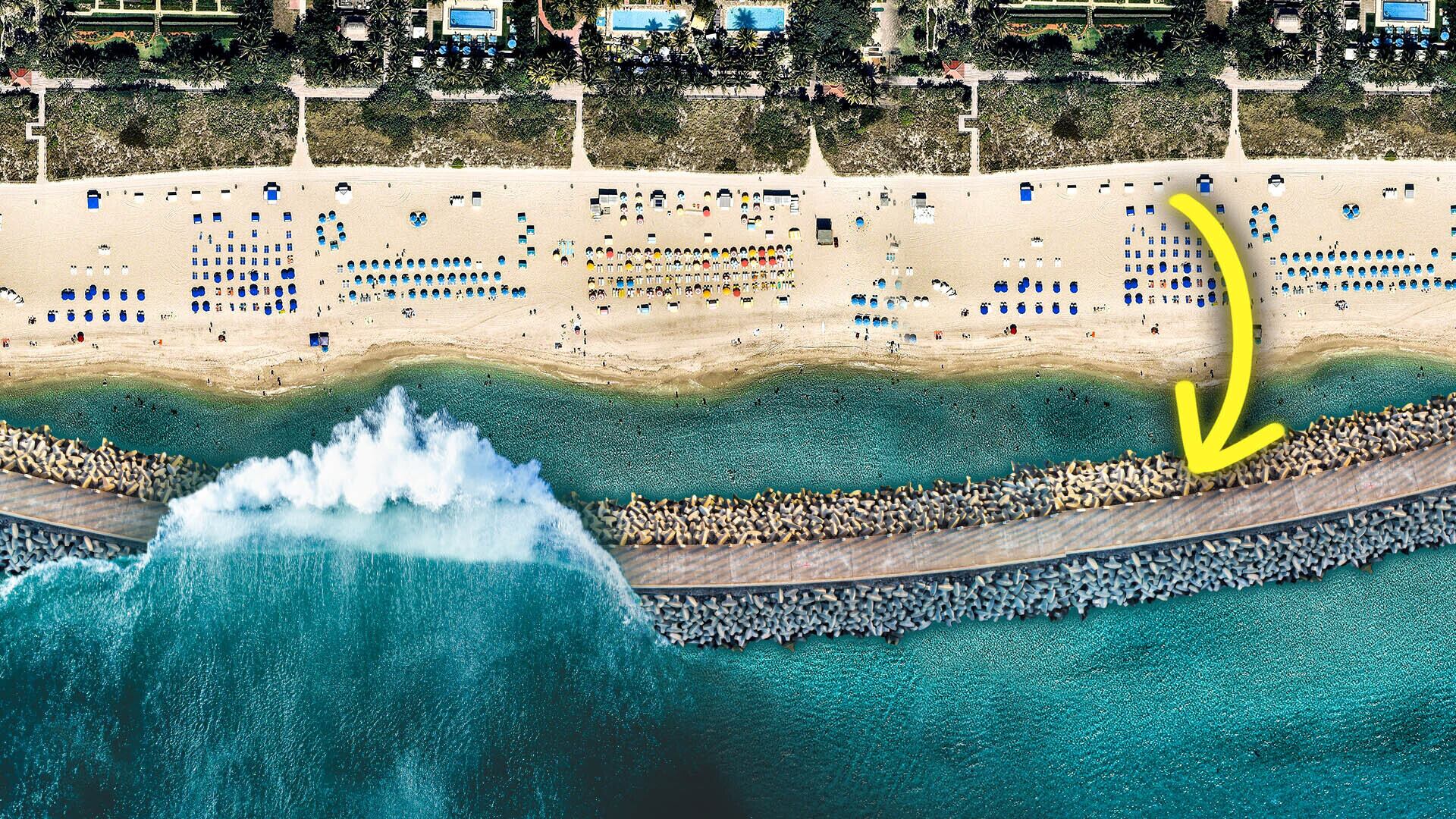
Coastal cities around the world are grappling with sea level rise. And building a seawall? Not so fast. While a sea wall can be effective in certain scenarios, it can make the effects of sea level rise worse. That’s why municipalities are looking into creative alternatives.