Speaker Nancy Pelosi said the House Democrats will pass the ‘Families First Coronavirus Response Act’ on Friday, though she did not mention support from Republicans or the White House.
The aid package secures paid sick leave, free testing, and strengthens food security initiatives, but the future of the bill remains unclear as House Republicans await a signal from the president. Pelosi added that the bill will also strengthen unemployment insurance. This bill is meant to expand upon the $8.3 billion dollar coronavirus package already signed by President Trump.
Pelosi, who delivered her remarks from the rarely-used speakers balcony, said the three most important parts of the bill are “testing, testing, testing” providing free tests to everyone including the uninsured and noted the legislation is “focused directly on providing support for America’s families, who must be our first priority.”
"Sadly, and prayerfully, we have learned of the tragic death of at least 41 Americans from this public health emergency so far," Pelosi said. "The American people expect and deserve a coordinated, science-based, and whole-of-government response to keep them and their loved ones safe."
Pelosi and Treasury Secretary Steven Mnuchin have been negotiating on the deal for days, and the Speaker’s office has been publicly tracking the calls between them to show the evolution of the negotiations.
President Trump, slated to speak Friday afternoon, could deliver a statement that will either signal to the GOP bipartisan support for the measure or leave the bill to face the hurdle of a Republican-controlled Senate.
Updated March 17 to clarify that $8.3 billion price tag refers to the initial coronavirus relief bill, not the ‘Families First Coronavirus Response Act.’
Two Democrats on the Senate Intelligence Committee say the CIA has a secret, undisclosed data repository that includes information collected about Americans.
As we celebrate Black History Month, Cheddar is highlighting prominent Black Americans who are carving their own historic paths and trailblazing in their fields. Today we feature New York Attorney General Letitia James.
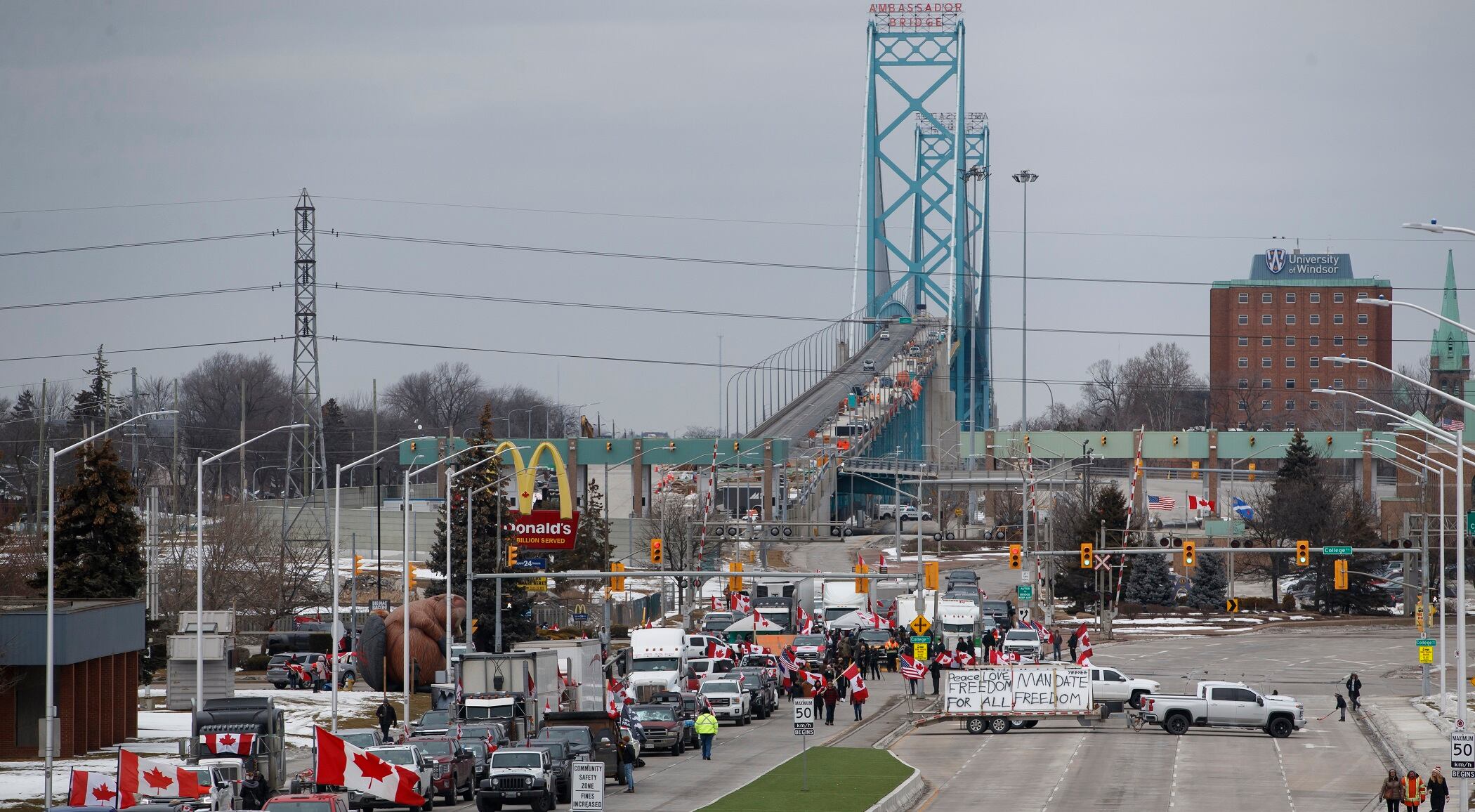
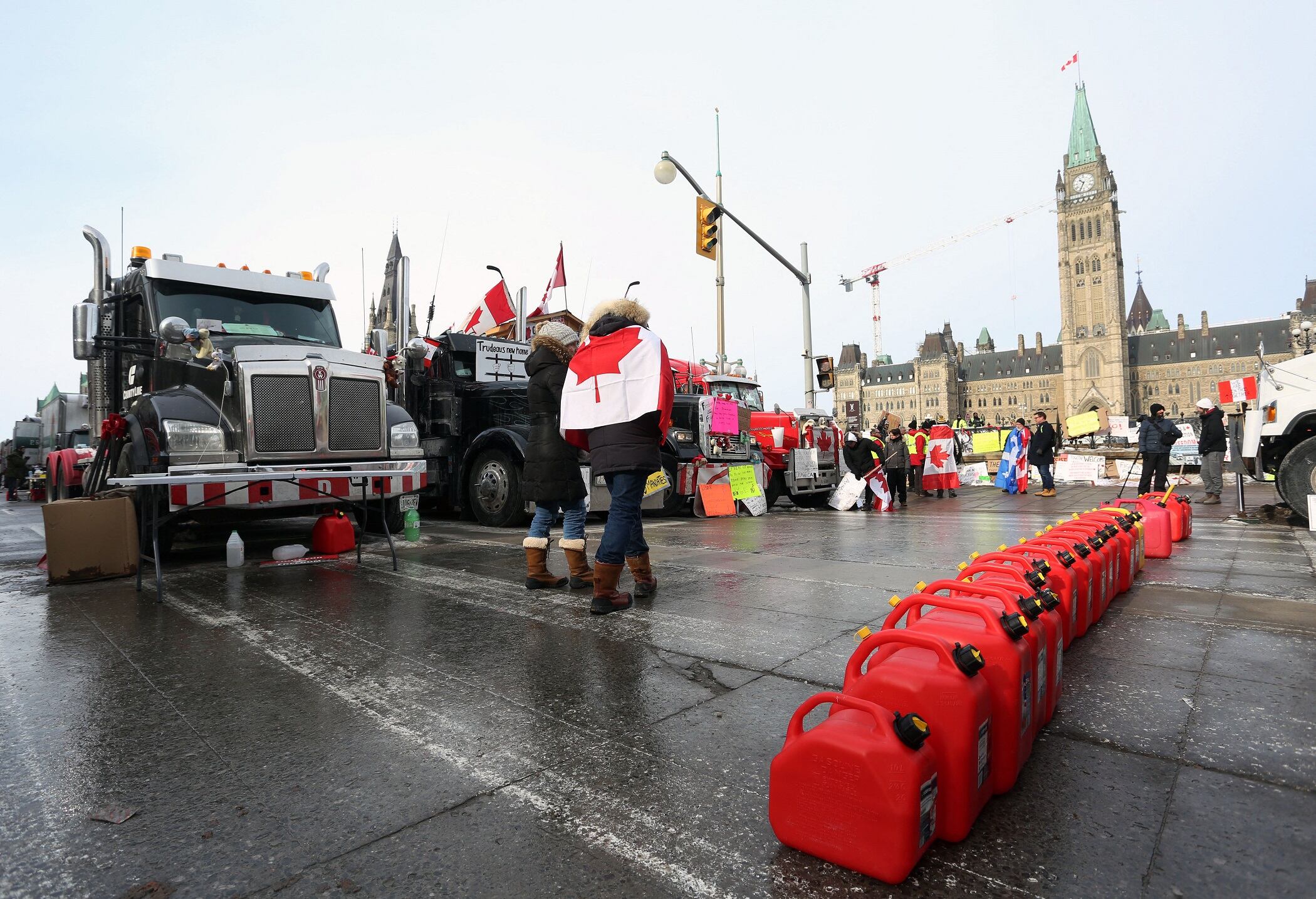
The truck blockade at the U.S. border by Canadians protesting the country’s COVID-19 restrictions is tightening the screws on the auto industry, forcing Ford, Toyota and General Motors to shut down plants or otherwise curtail production.
Inflation was hotter than expected in January, but the debate over what this means for the economy is getting even hotter as markets brace for a flurry of Fed rate hikes in 2022.
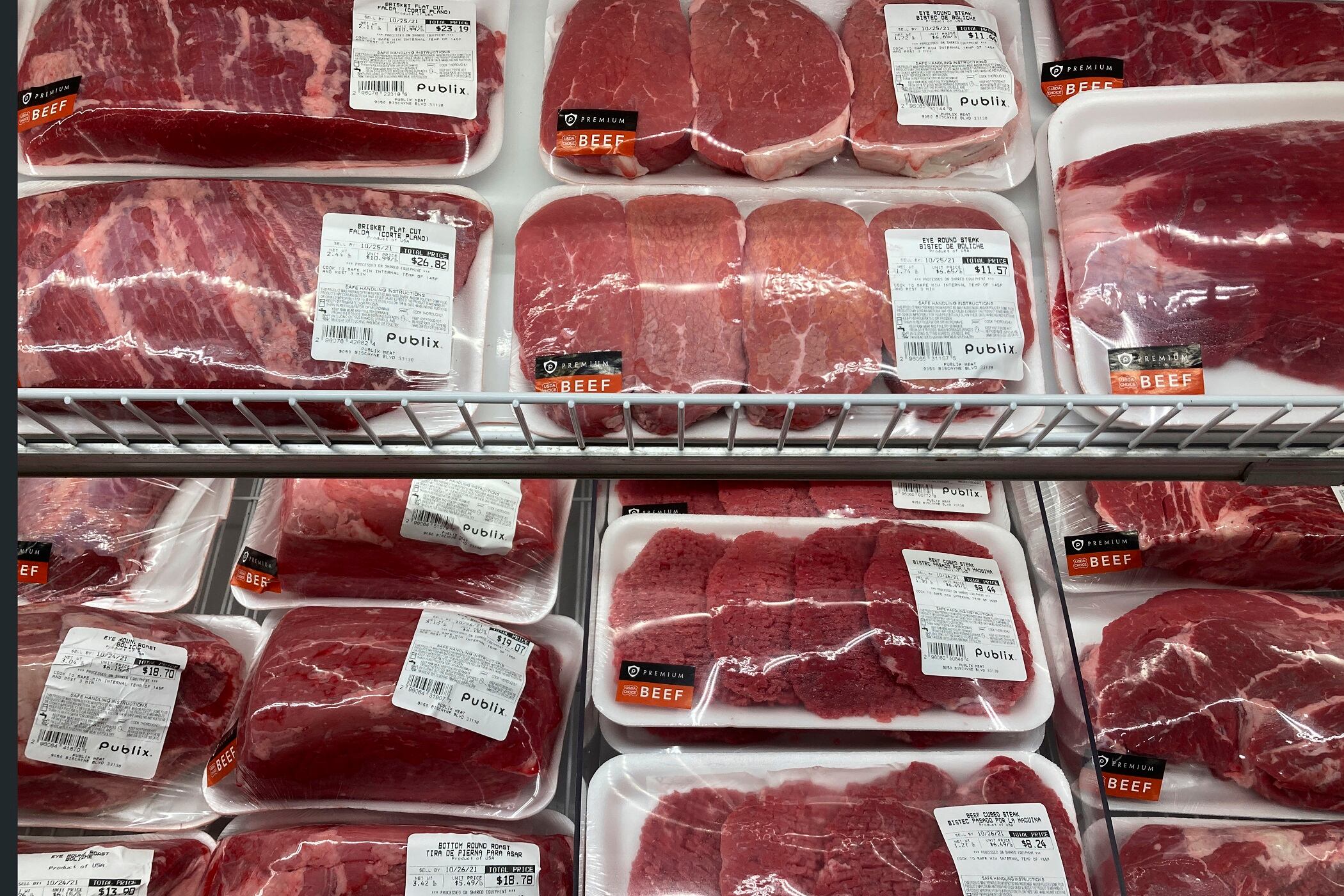
Inflation soared over the past year at its highest rate in four decades, hammering America’s consumers, wiping out pay raises and reinforcing the Federal Reserve’s decision to begin raising borrowing rates.
A rapidly growing list of Canadian provinces moved to lift their COVID-19 restrictions as protesters decrying vaccine mandates and other precautions kept up the pressure with truck blockades.
The House has approved legislation financing federal agencies for another month. It's the latest emblem of Congress’ inability to finish its budget work on time.
The House Financial Services Committee on Tuesday held a hearing to discuss potential regulations for stablecoins.
The IRS said Monday it will suspend the use of facial recognition technology to authenticate people who create online accounts after the practice was criticized by privacy advocates and lawmakers.
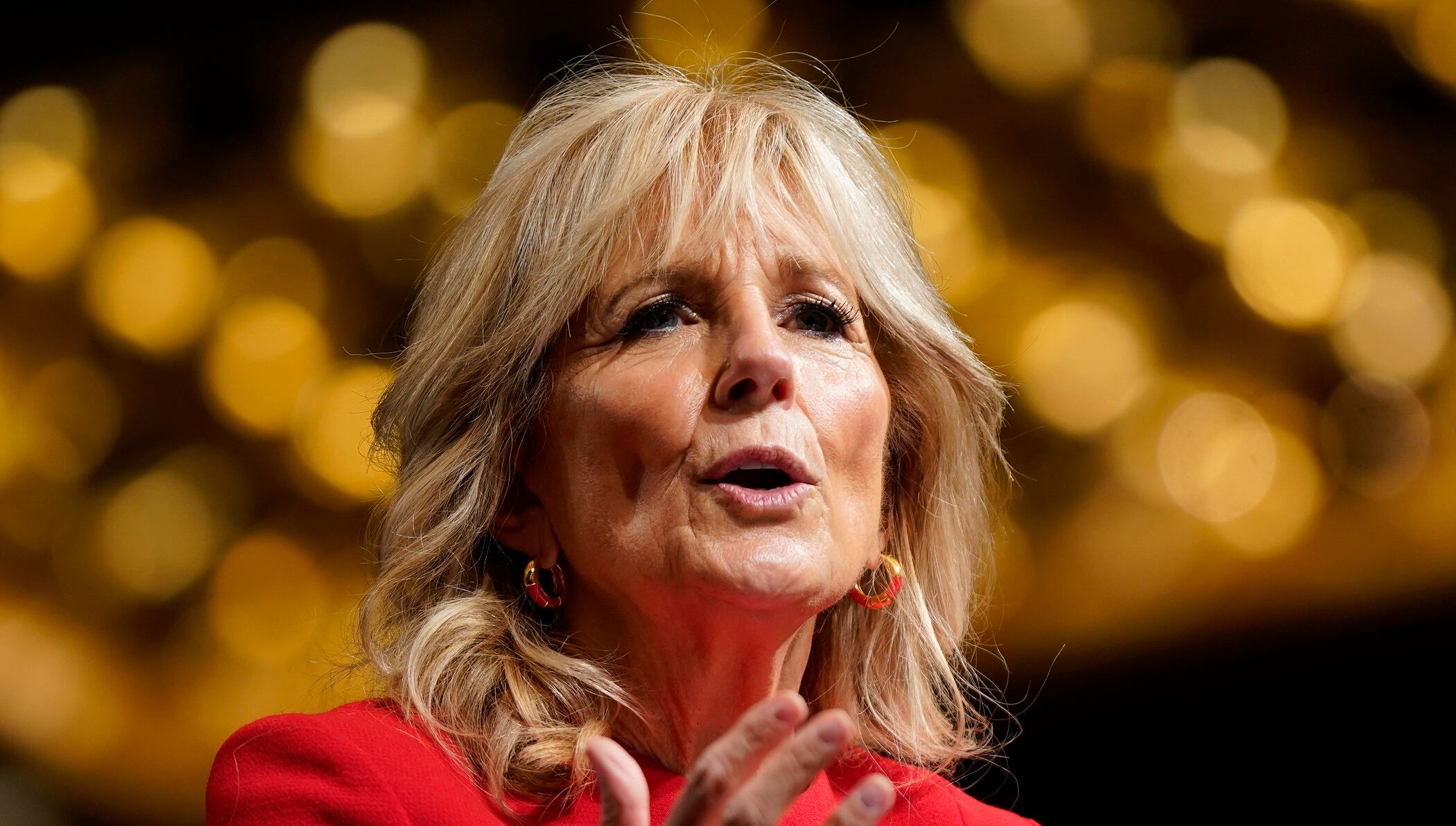
The first lady says real people often are caught in the middle. She spoke Monday in Washington about a now-stalled proposal for tuition-free community college, which she's pushed for a long time as a community college professor.