Speaker Nancy Pelosi said the House Democrats will pass the ‘Families First Coronavirus Response Act’ on Friday, though she did not mention support from Republicans or the White House.
The aid package secures paid sick leave, free testing, and strengthens food security initiatives, but the future of the bill remains unclear as House Republicans await a signal from the president. Pelosi added that the bill will also strengthen unemployment insurance. This bill is meant to expand upon the $8.3 billion dollar coronavirus package already signed by President Trump.
Pelosi, who delivered her remarks from the rarely-used speakers balcony, said the three most important parts of the bill are “testing, testing, testing” providing free tests to everyone including the uninsured and noted the legislation is “focused directly on providing support for America’s families, who must be our first priority.”
"Sadly, and prayerfully, we have learned of the tragic death of at least 41 Americans from this public health emergency so far," Pelosi said. "The American people expect and deserve a coordinated, science-based, and whole-of-government response to keep them and their loved ones safe."
Pelosi and Treasury Secretary Steven Mnuchin have been negotiating on the deal for days, and the Speaker’s office has been publicly tracking the calls between them to show the evolution of the negotiations.
President Trump, slated to speak Friday afternoon, could deliver a statement that will either signal to the GOP bipartisan support for the measure or leave the bill to face the hurdle of a Republican-controlled Senate.
Updated March 17 to clarify that $8.3 billion price tag refers to the initial coronavirus relief bill, not the ‘Families First Coronavirus Response Act.’
Deputy Commerce Secretary Don Graves spoke to Cheddar's Alex Vuocolo about the ongoing semiconductor shortages and the push from the Biden administration to cover the supply chain problem as well as look ahead to future-proofing it.
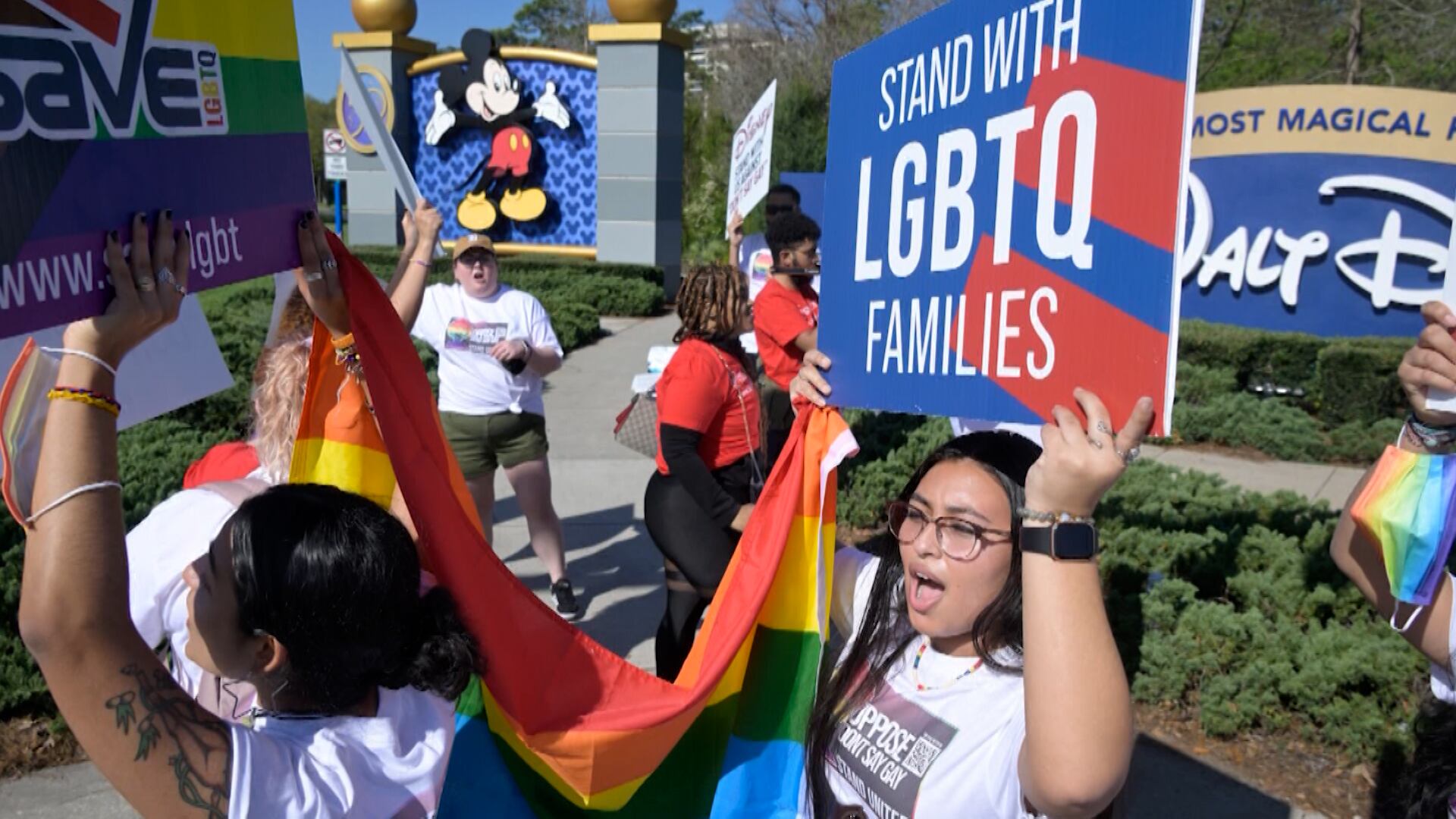
President Maxx Fenning and Vice President CJ Walden of PRISM, a Florida non-profit providing resources for LGBTQ youth, joined Cheddar News to discuss the negative repercussions of a Florida bill banning discussions of sexuality and gender identity in some classrooms.
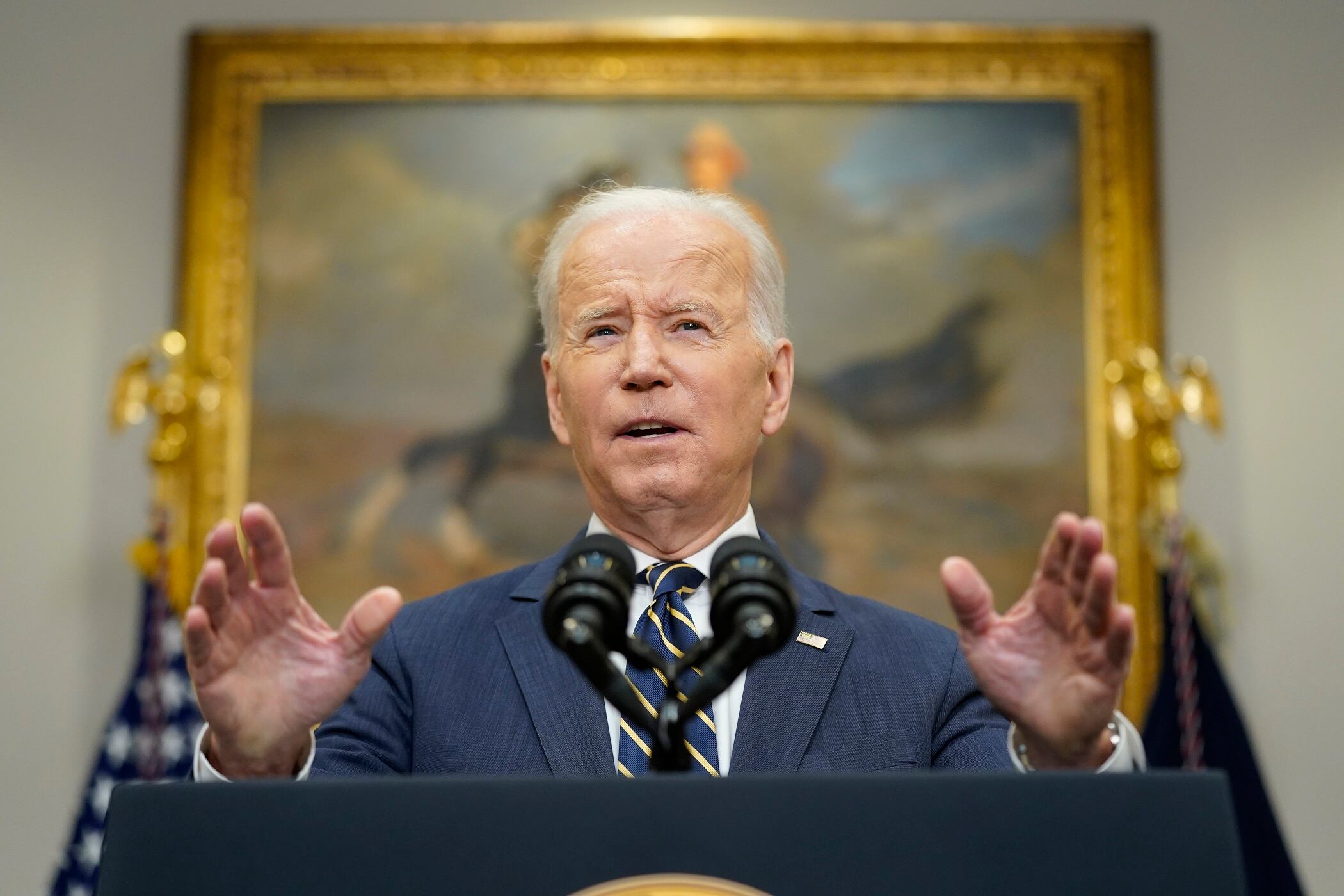
President Joe Biden announced Friday that along with the European Union and the Group of Seven countries, the U.S. will revoke “most favored nation” trade status for Russia over its invasion of Ukraine.
The consumer price index jumped 7.9 percent in February, marking a 40-year high for inflation in the U.S. This report comes less than a week ahead of the Fed's all important meeting. Kayla Bruun, Economic Analyst, Morning Consult, joined Cheddar's Opening Bell to discuss.
Markets opened lower amid hotter-than-expected inflation data, which surged to its highest level in nearly 40 years. Lisa Erickson, Senior Vice President and Co-Head, Public Markets Group, U.S. Bank joined Cheddar's Opening Bell to discuss the significance of this figure ahead of the Federal Reserve's FOMC meeting.
As the Russia-Ukraine war disrupts the global economy, sending markets on a roller coaster ride, gold remains hovering around $2,000 an ounce. Often seen as a safe haven in times of economic crisis, Jason Cozens, founder and CEO of gold-as-currency platform Glint Pay, joined Cheddar’s Opening Bell to discuss the latest gold rush, how the war is impacting prices, and how people can use Glint to trade in the precious metal. “You know the stock markets and cryptocurrencies are risky investments," he stated. "Whereas gold is just reliable money. It's no one else's liability if you own."
As Western sanctions weigh on Russia's economy, the country is at the risk of defaulting on its debt. Fitch ratings agency has downgraded Russia's debt for the second time in a week, warning a "sovereign default is imminent." Jesse Wheeler, Economic Analyst at Morning Consult, explains what that means, and how it could have ripple effects across the global economy.
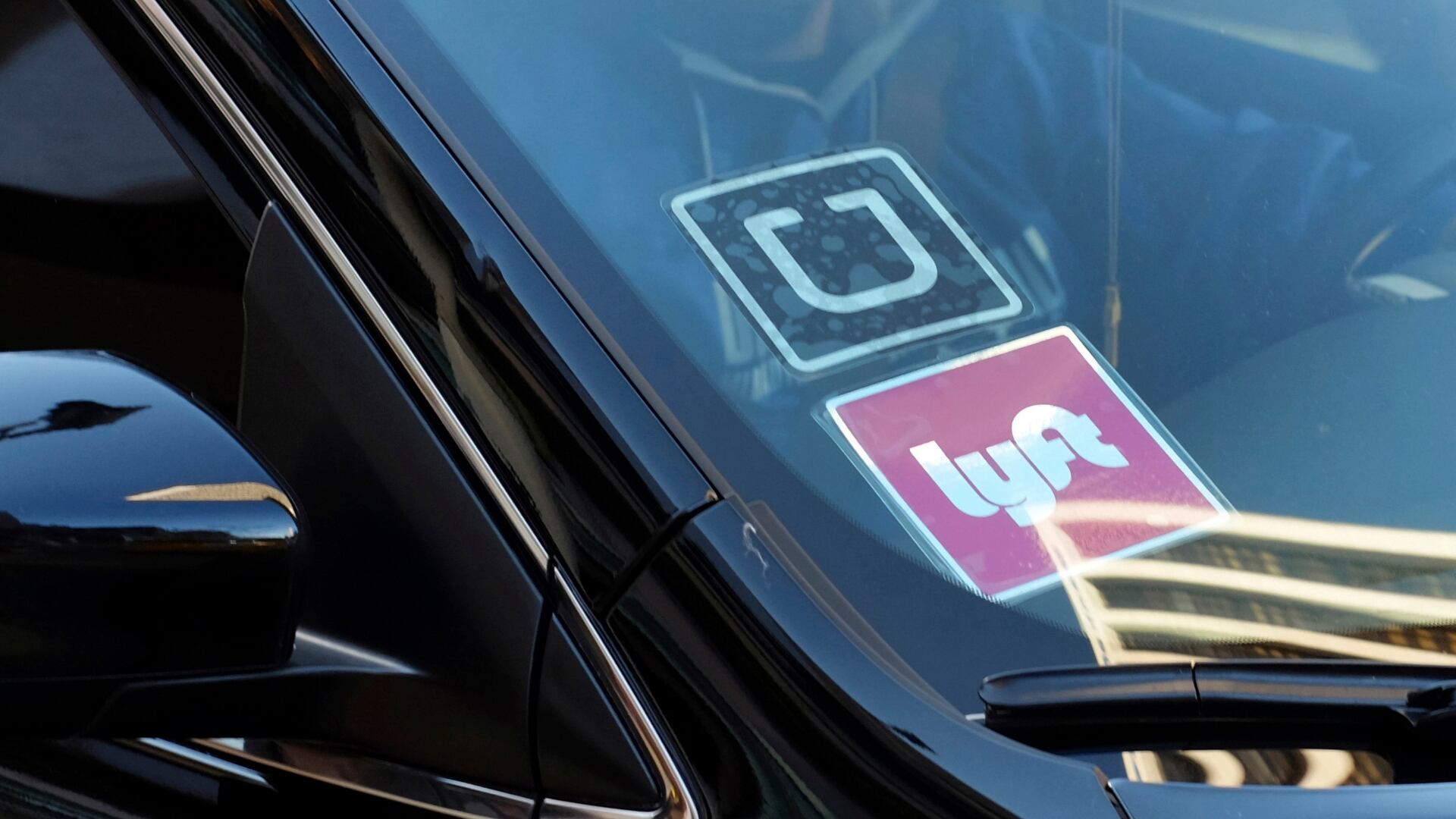
Uber Lyft and Doordash are all set to spend $1 million dollars on a campaign and efforts to stop lawmakers from classifying their gig workers as employees. The campaign features TV and online ads highlighting Washington area workers who say they prefer the flexibility of being an independent contractor rather than following the model of a company employee. Professor at NYU. Stern School of Business and author of the sharing economy, Arun Sundararajan, joined Cheddar to discuss more.