Speaker Nancy Pelosi said the House Democrats will pass the ‘Families First Coronavirus Response Act’ on Friday, though she did not mention support from Republicans or the White House.
The aid package secures paid sick leave, free testing, and strengthens food security initiatives, but the future of the bill remains unclear as House Republicans await a signal from the president. Pelosi added that the bill will also strengthen unemployment insurance. This bill is meant to expand upon the $8.3 billion dollar coronavirus package already signed by President Trump.
Pelosi, who delivered her remarks from the rarely-used speakers balcony, said the three most important parts of the bill are “testing, testing, testing” providing free tests to everyone including the uninsured and noted the legislation is “focused directly on providing support for America’s families, who must be our first priority.”
"Sadly, and prayerfully, we have learned of the tragic death of at least 41 Americans from this public health emergency so far," Pelosi said. "The American people expect and deserve a coordinated, science-based, and whole-of-government response to keep them and their loved ones safe."
Pelosi and Treasury Secretary Steven Mnuchin have been negotiating on the deal for days, and the Speaker’s office has been publicly tracking the calls between them to show the evolution of the negotiations.
President Trump, slated to speak Friday afternoon, could deliver a statement that will either signal to the GOP bipartisan support for the measure or leave the bill to face the hurdle of a Republican-controlled Senate.
Updated March 17 to clarify that $8.3 billion price tag refers to the initial coronavirus relief bill, not the ‘Families First Coronavirus Response Act.’
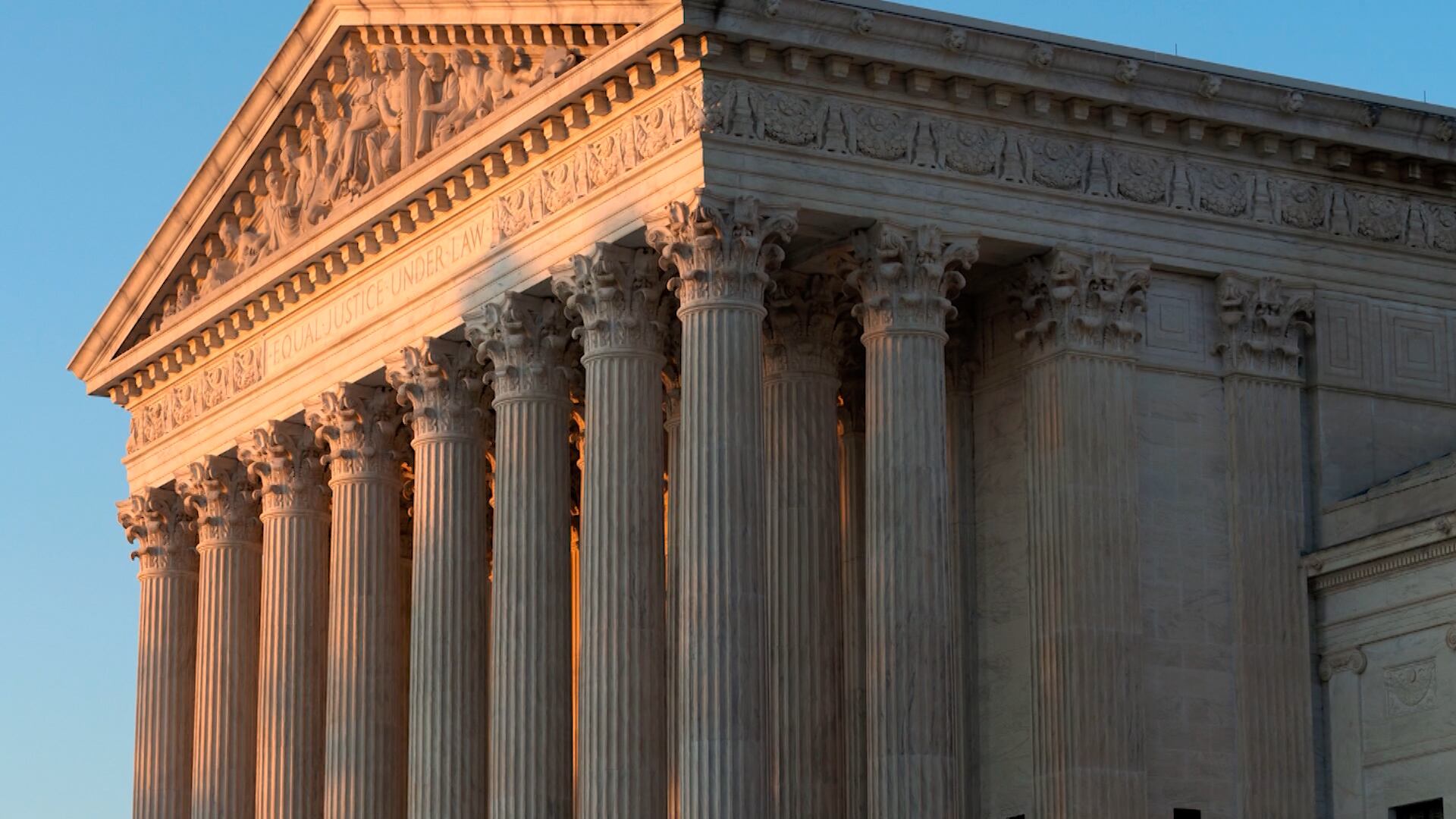
Katie Barlow, media editor at SCOTUSblog, joins Cheddar Politics to reflect on what happened at the Supreme Court in 2021 and what may be in store for 2022.
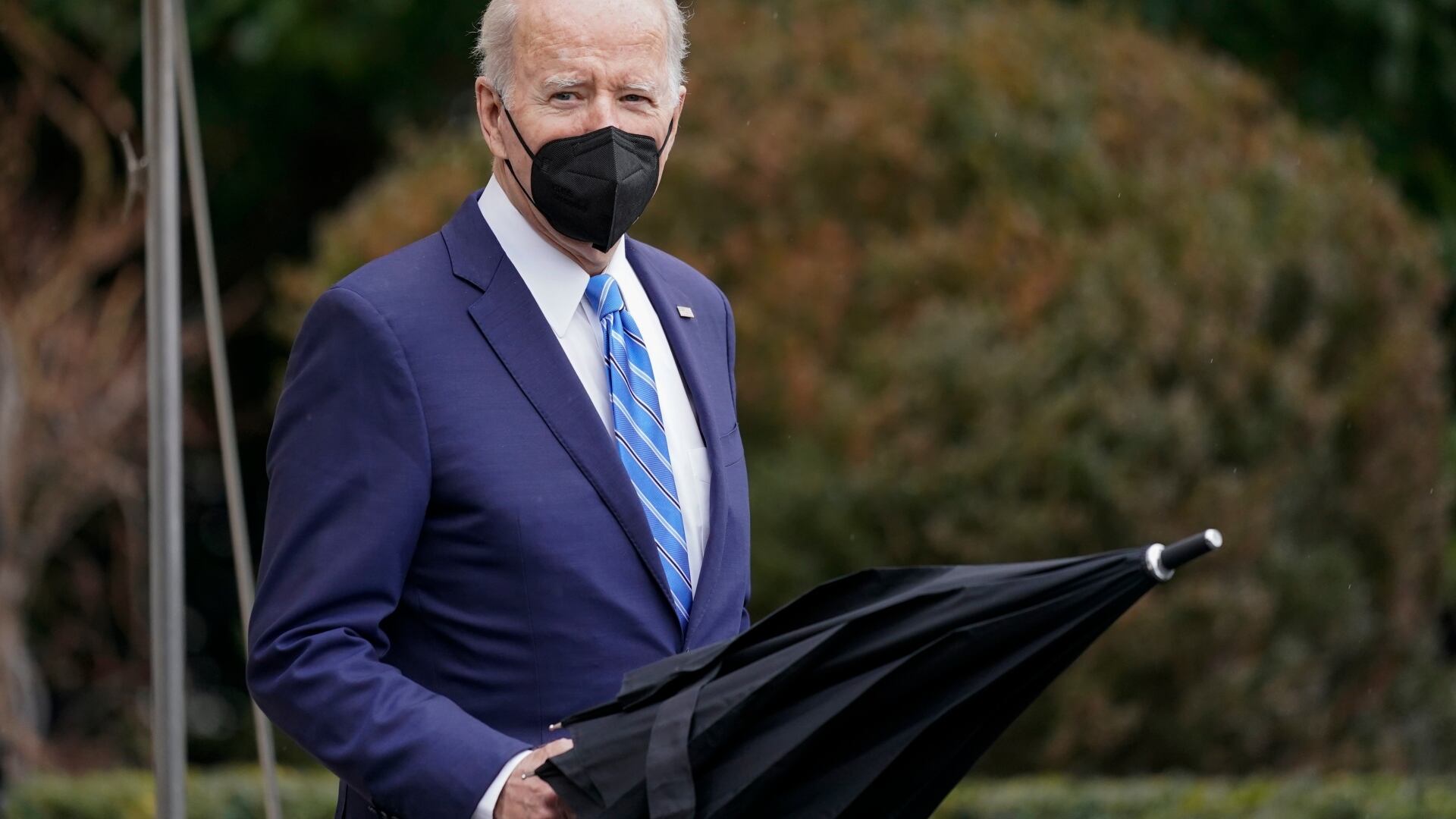
Gerren Keith Gaynor, managing editor of politics and Washington correspondent at The Grio, joins Cheddar Politics to discuss the progress President Biden made on his policy agenda in 2021, and what remains to be done in 2022.
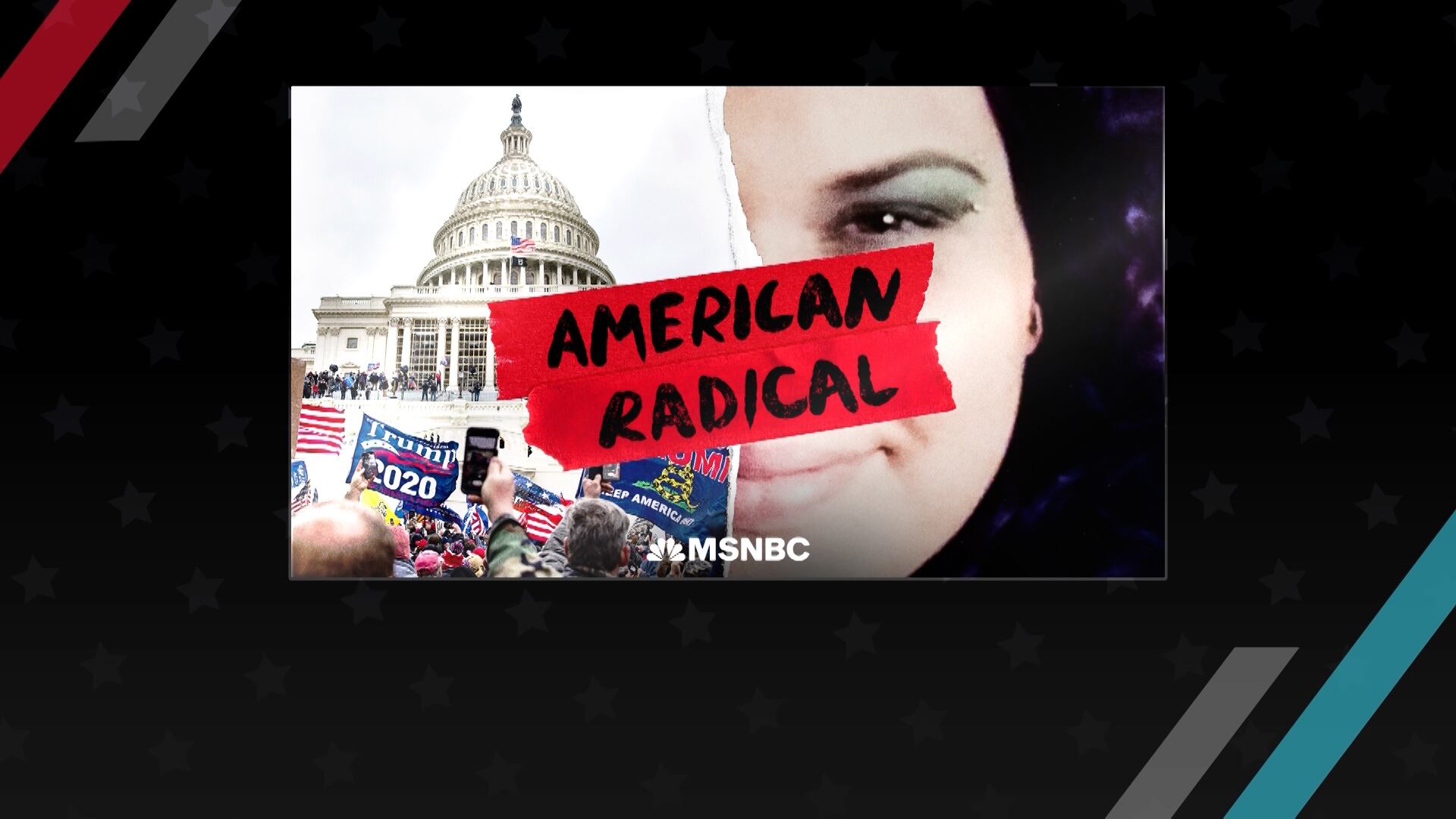
Ayman Mohyeldin, host of MSNBC Original Podcast 'American Radical,' joins Cheddar News to discuss how the podcast chronicles a woman's path to the insurrection.
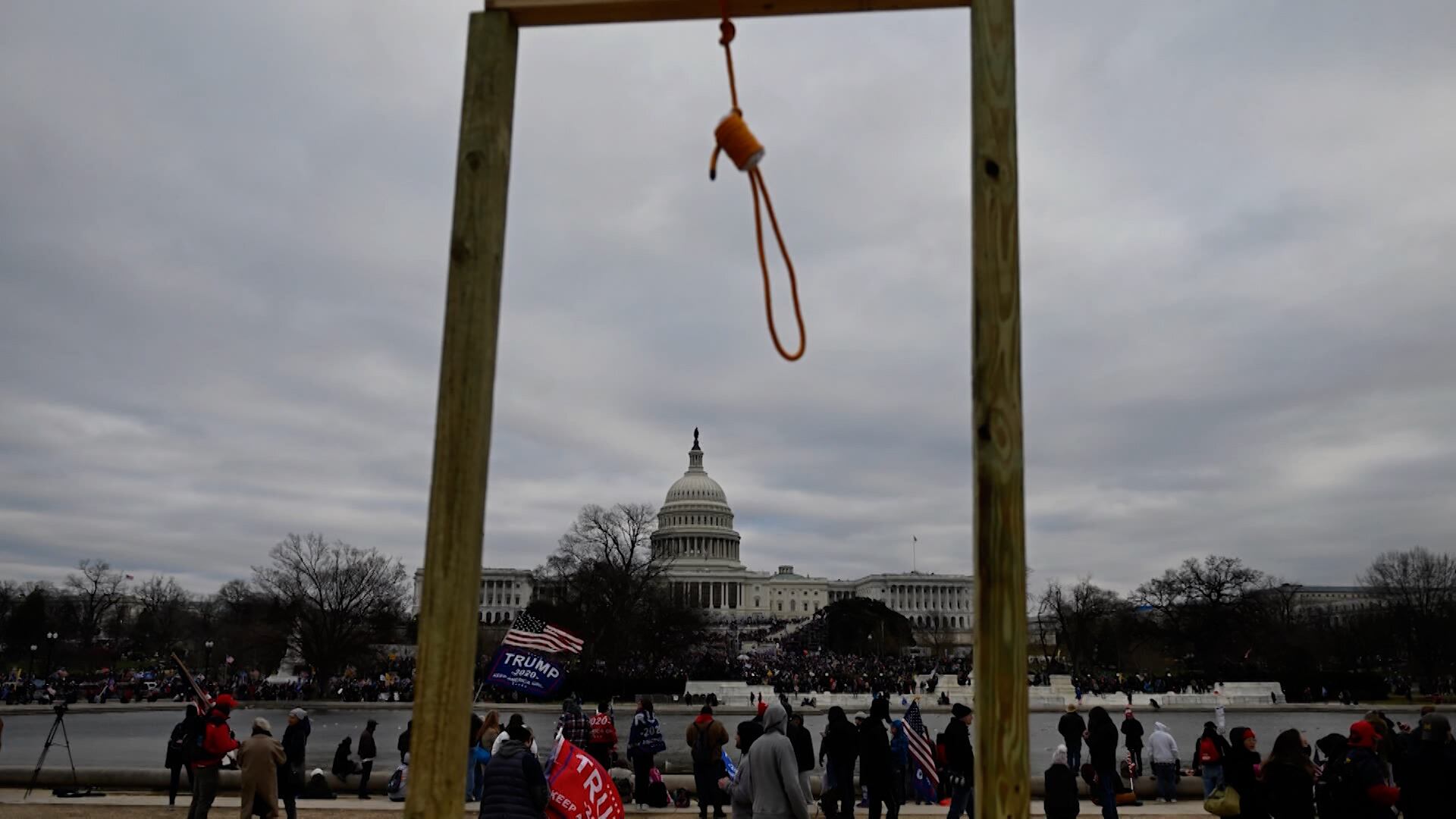
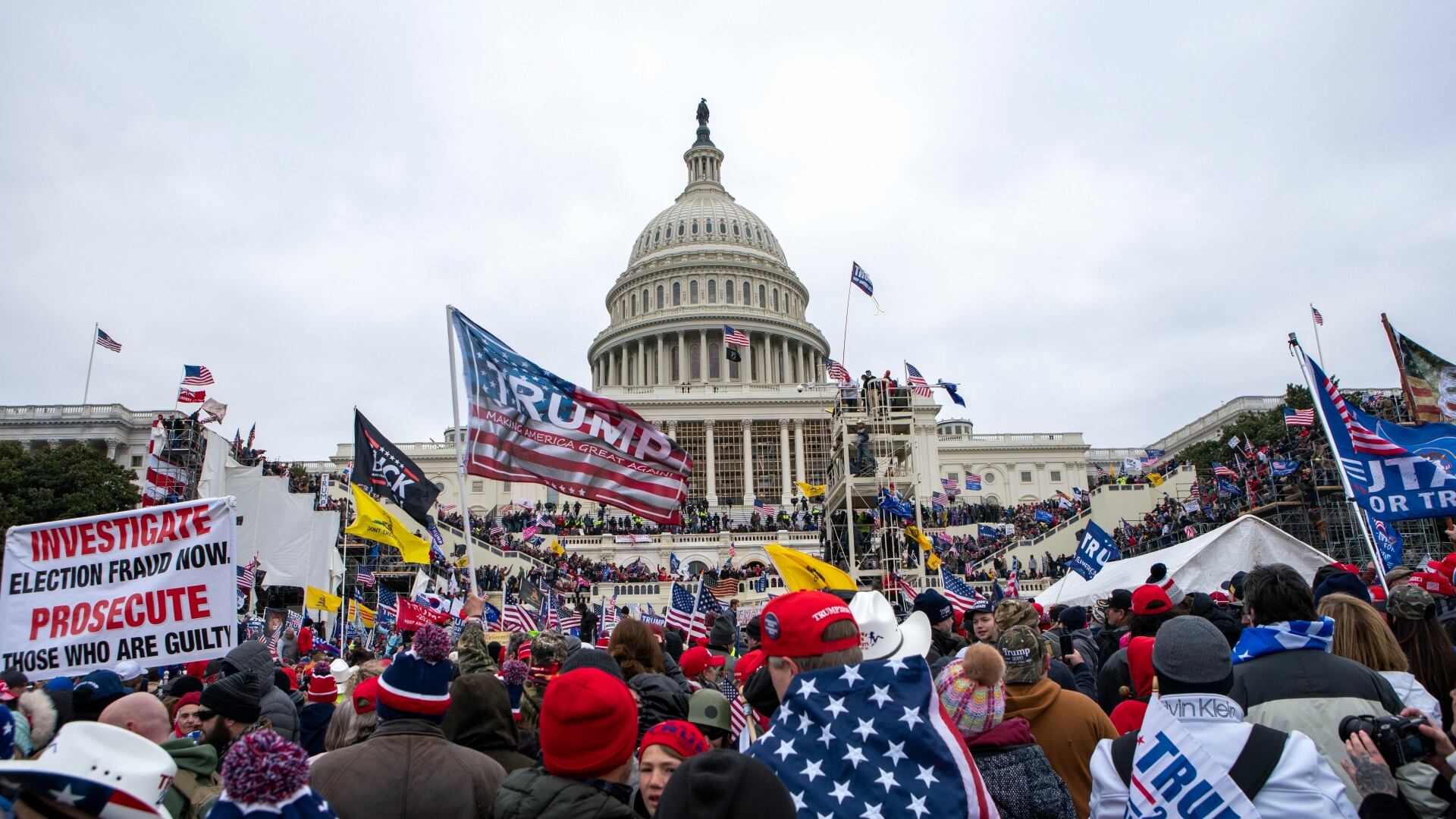
Following the attack on the Capitol last year, several major corporations promised to no longer pour funds into the campaigns of Republican lawmakers who supported the January 6 insurrection. But not all have stood firm on their word. Among those that did keep to their promise were Nike, American Express, and Walgreens.
Rep. Annie Kuster (D-N.H. 2nd District) joined Cheddar's "Between Bells" to reflect on the January 6 insurrection and her personal experience in the Capitol when rioters attempted to overtake the House chamber. "What I now understand to be true is that the mob of rioters had reached the third floor and was literally in the hallway running toward us as we ducked into the elevator," she told Cheddar. Kuster recalled the fear she felt, wondering what might have happened if the insurrectionists crossed paths with her group. Kuster noted that she has since received therapy to help cope with the traumatic event. "A thousand acts of courage saved our life and saved our democracy," she said.
Andy Kroll, Washington bureau chief at Rolling Stone, joined Cheddar's Baker Machado to discuss the anniversary of the January 6 insurrection and how it could impact upcoming elections. Kroll talked about whether or not Trump's influence will aid Republicans in the midterms and how it could be a setup for the former president to run in the 2024 presidential election. "This day has become really almost a kind of cause for Republican base voters," he said. "And you're going to see that fueling some turnout, you're going to see that fueling, even, candidates running for office in these midterm elections."
According to a recent analysis from ProPublica and the Wall Street Journal an analysis of Facebook posts, internal company documents, and interviews reveal key evidence about the social media giant's role in January 6 insurrection. National Reporter at ProPublica Craig Silverman, joined Cheddar to discuss more.
AT&T and Verizon have agreed to delay activating their 5G services for two weeks after Airlines for America, a lobbying group that represents American, Delta, and other airlines, filed a petition last week with the FCC to stop the deployment of 5G in the U.S. over concerns that the network can interfere with certain systems on airplanes. President Biden spoke out about it, saying it would avoid further delays and cancellations of flights. Light Reading 5G and Mobile Strategies Director Mike Dano joined Cheddar News' Closing Bell to discuss.
On a day where the Dow and Russell 2000 each closed more than 3% lower, Melissa Armo, founder and owner of The Stock Swoosh, says Wednesday's big sell-off could extend into after-hours trading. She joined Cheddar News' Closing Bell for more.
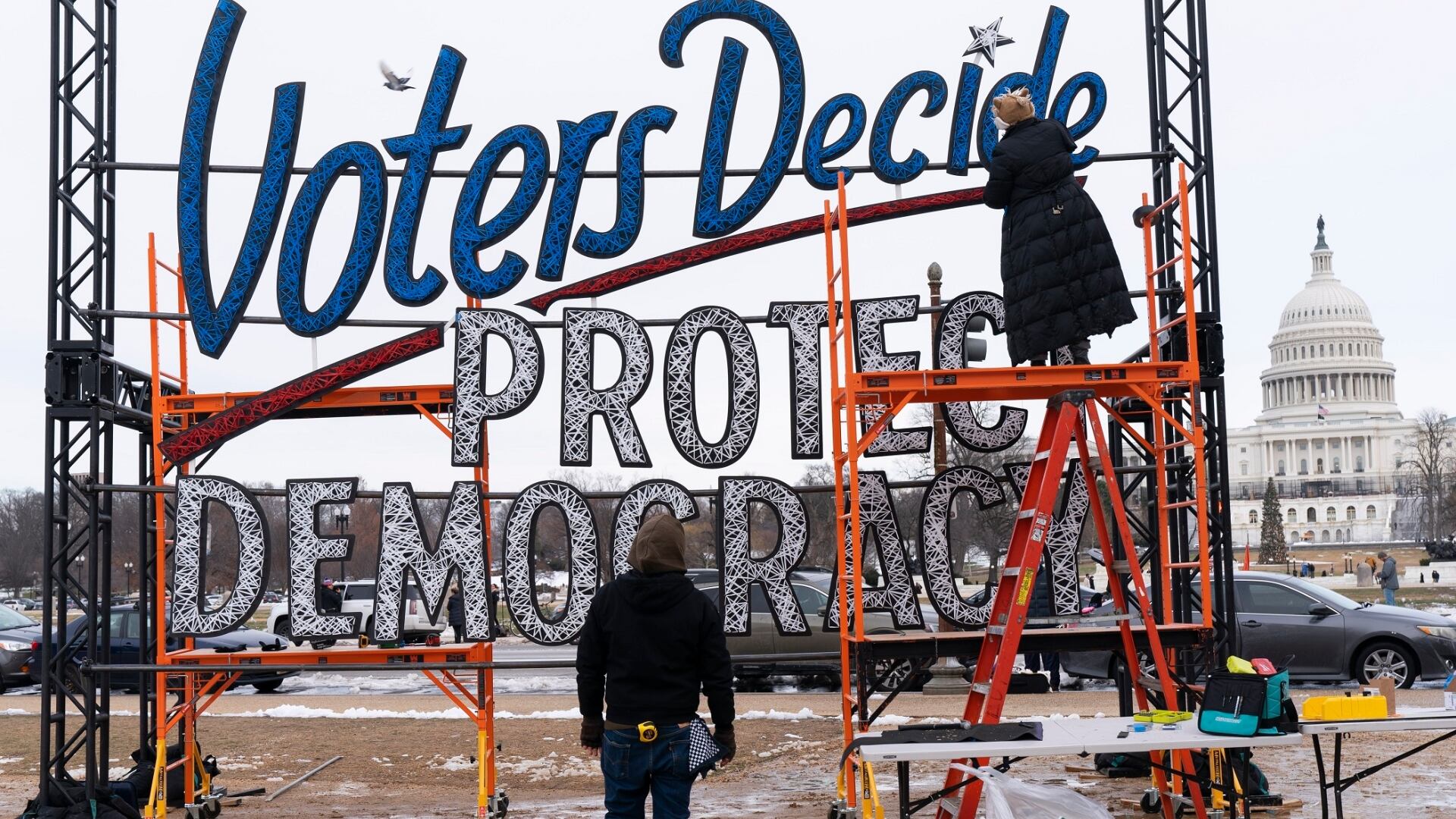
The new year has just gotten underway, but the clock is already ticking for the Democratic-led Congress to pass bills regulating big tech. Evan Greer, Director for Fight For the Future, joins Cheddar News to explain why Democratic lawmakers would want to push legislation now, and what a Republican takeover would mean for the industry.