Speaker Nancy Pelosi said the House Democrats will pass the ‘Families First Coronavirus Response Act’ on Friday, though she did not mention support from Republicans or the White House.
The aid package secures paid sick leave, free testing, and strengthens food security initiatives, but the future of the bill remains unclear as House Republicans await a signal from the president. Pelosi added that the bill will also strengthen unemployment insurance. This bill is meant to expand upon the $8.3 billion dollar coronavirus package already signed by President Trump.
Pelosi, who delivered her remarks from the rarely-used speakers balcony, said the three most important parts of the bill are “testing, testing, testing” providing free tests to everyone including the uninsured and noted the legislation is “focused directly on providing support for America’s families, who must be our first priority.”
"Sadly, and prayerfully, we have learned of the tragic death of at least 41 Americans from this public health emergency so far," Pelosi said. "The American people expect and deserve a coordinated, science-based, and whole-of-government response to keep them and their loved ones safe."
Pelosi and Treasury Secretary Steven Mnuchin have been negotiating on the deal for days, and the Speaker’s office has been publicly tracking the calls between them to show the evolution of the negotiations.
President Trump, slated to speak Friday afternoon, could deliver a statement that will either signal to the GOP bipartisan support for the measure or leave the bill to face the hurdle of a Republican-controlled Senate.
Updated March 17 to clarify that $8.3 billion price tag refers to the initial coronavirus relief bill, not the ‘Families First Coronavirus Response Act.’
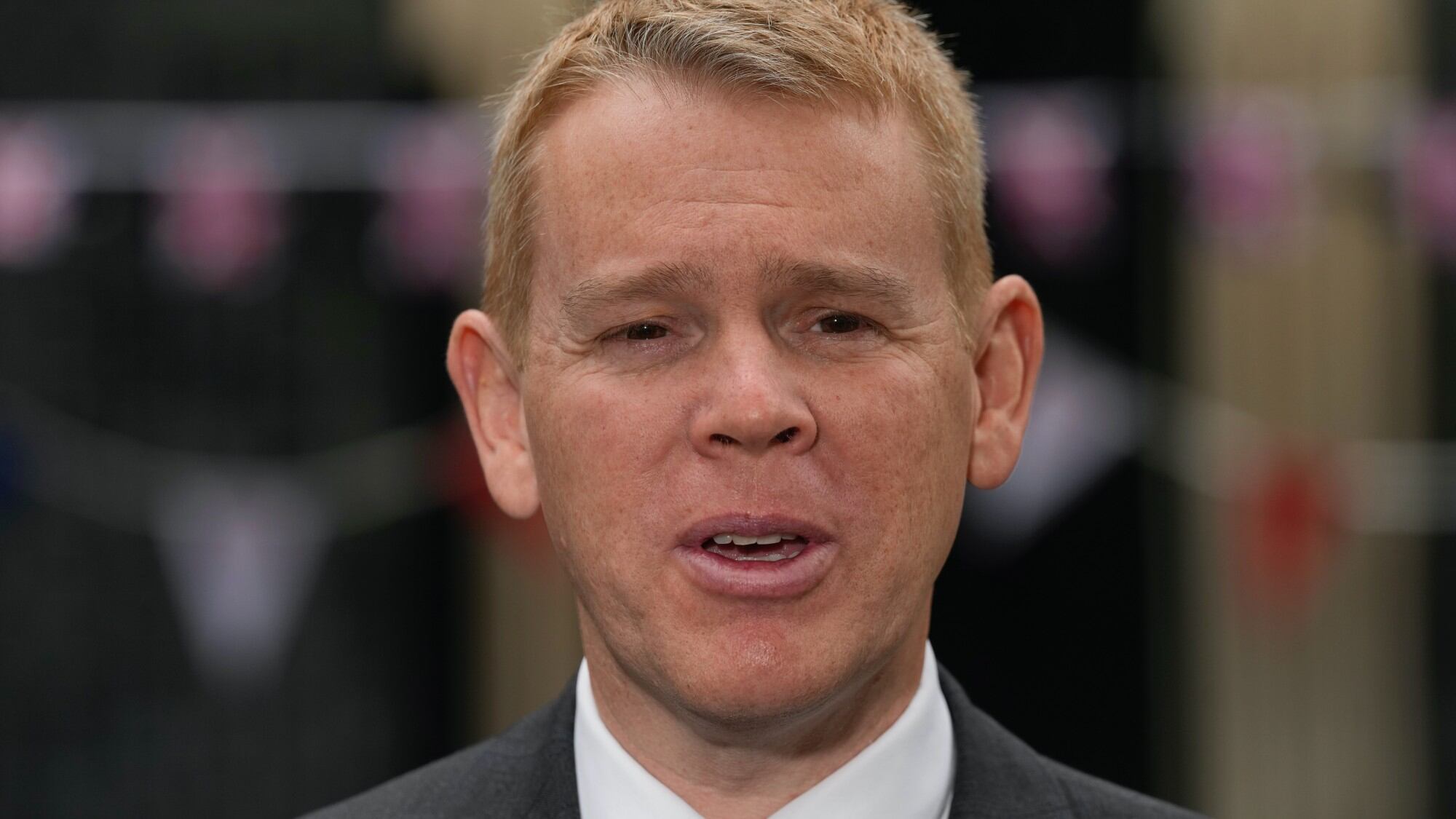
New Zealand acknowledged it has an aging Boeing 757 so prone to breakdowns they had sent an empty backup to ensure Prime Minister Chris Hipkins didn't get stranded in China, where he is leading a trade delegation.
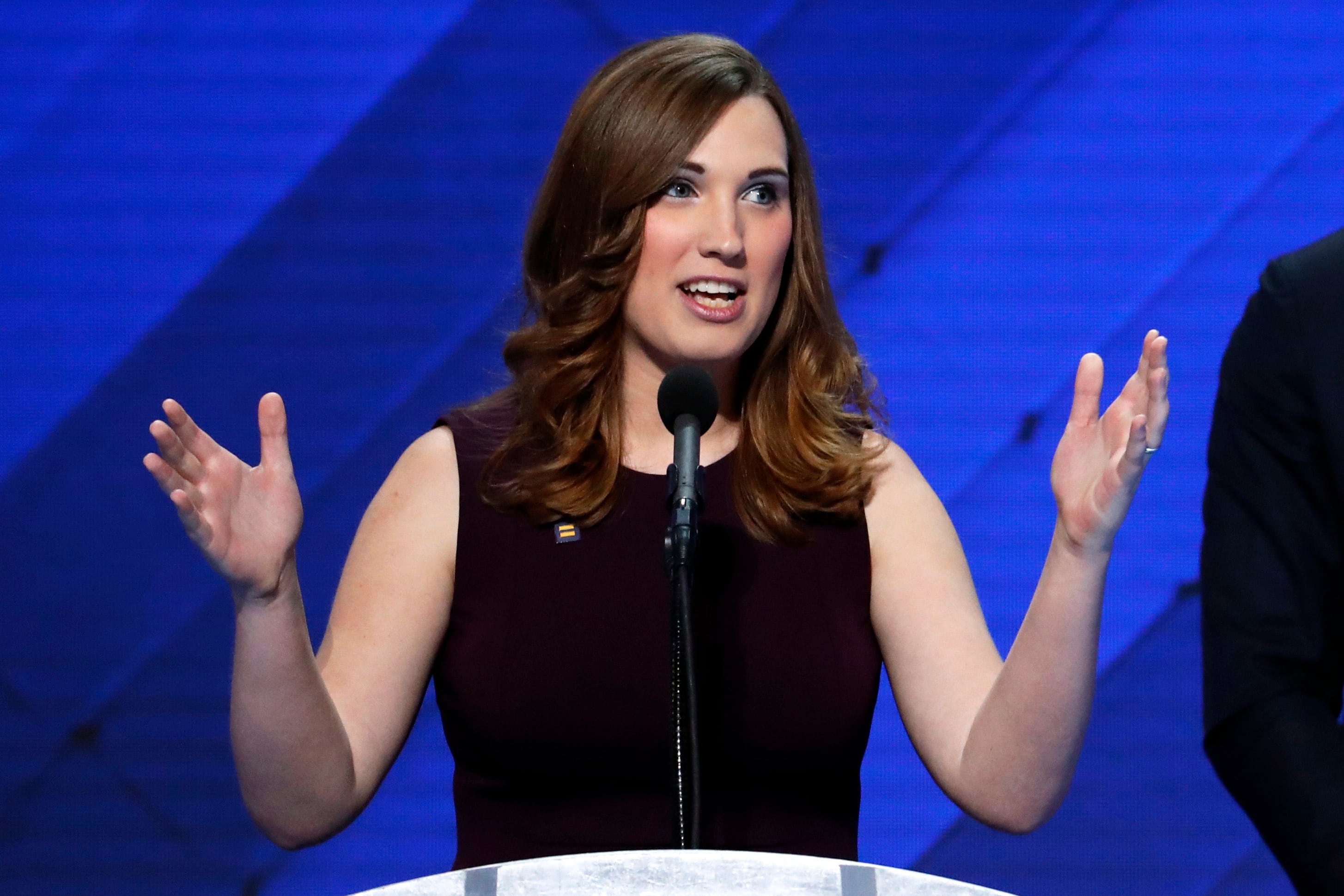
Delaware state Sen. Sarah McBride announced Monday she's running for the U.S. House of Representatives. Already the first openly transgender state senator elected in the country, she'd be the first transgender member of Congress if she wins in November.
U.S. states could face some hurdles as they experiment with road usage charging programs aimed at one day replacing motor fuel taxes, which are generating less each year, in part due to fuel efficiency and the rise of electric cars.
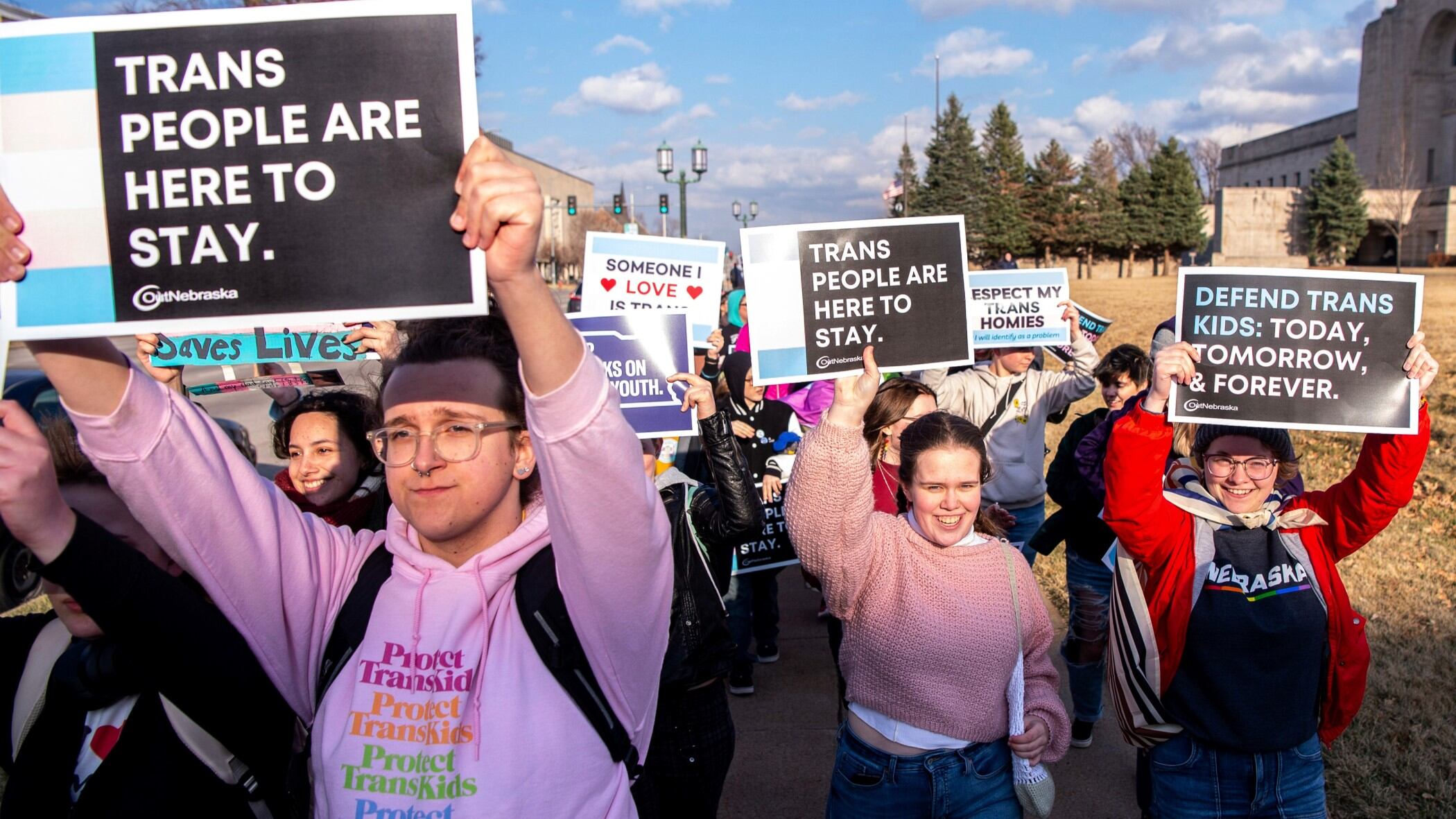
The defiance of restrictions in North Dakota on what bathrooms transgender students can use in public schools and universities shows that it's not exactly clear how bathroom laws will play out in local communities after being enacted in at least 10 states with Republican-controlled legislatures.
The Supreme Court on Monday left in place an appellate ruling barring a North Carolina public charter school from requiring girls to wear skirts to school.
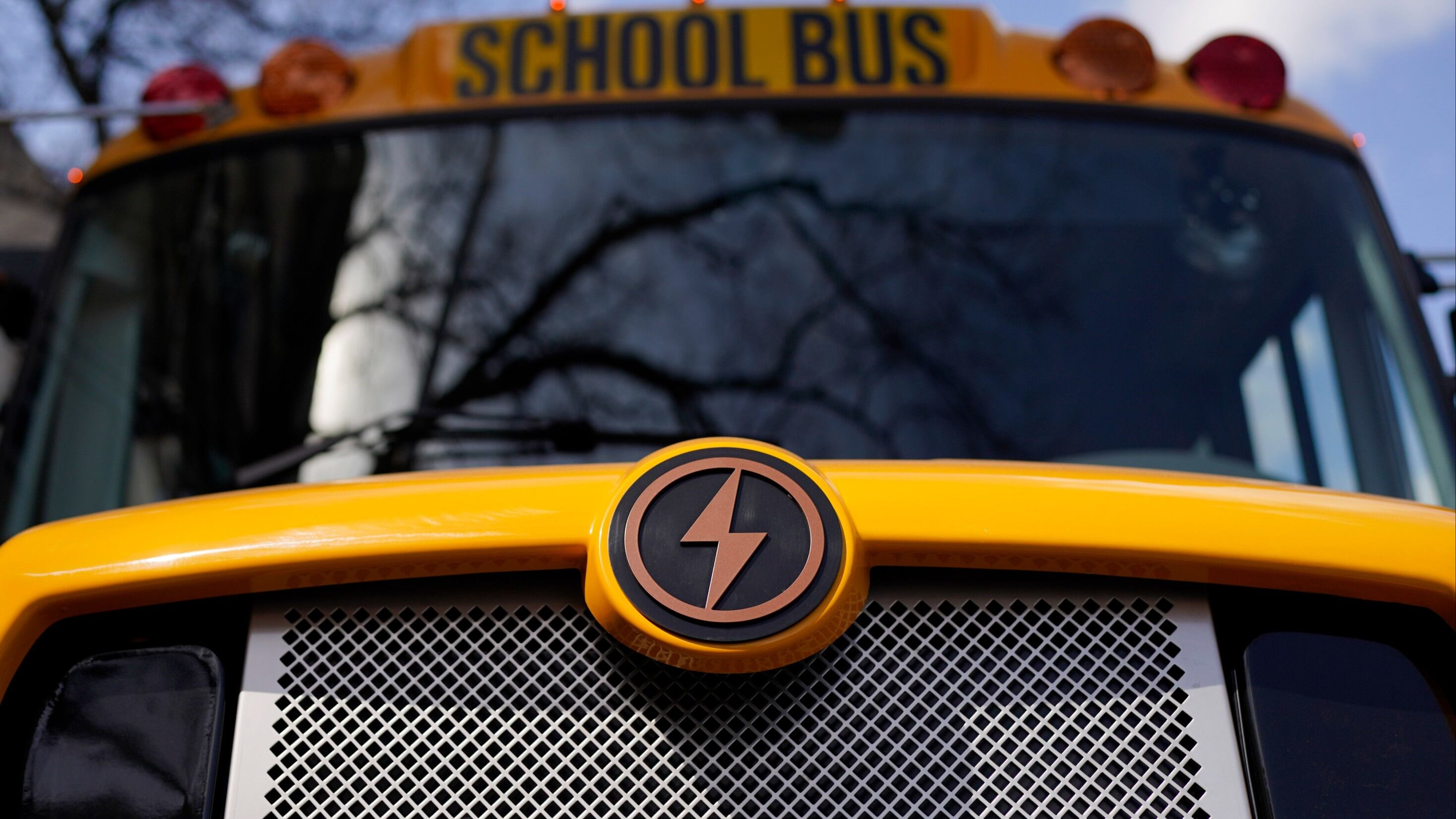
The U.S. Department of Transportation is awarding almost $1.7 billion in grants for buying zero- and low-emission buses, with the money going to transit projects in 46 states and territories.
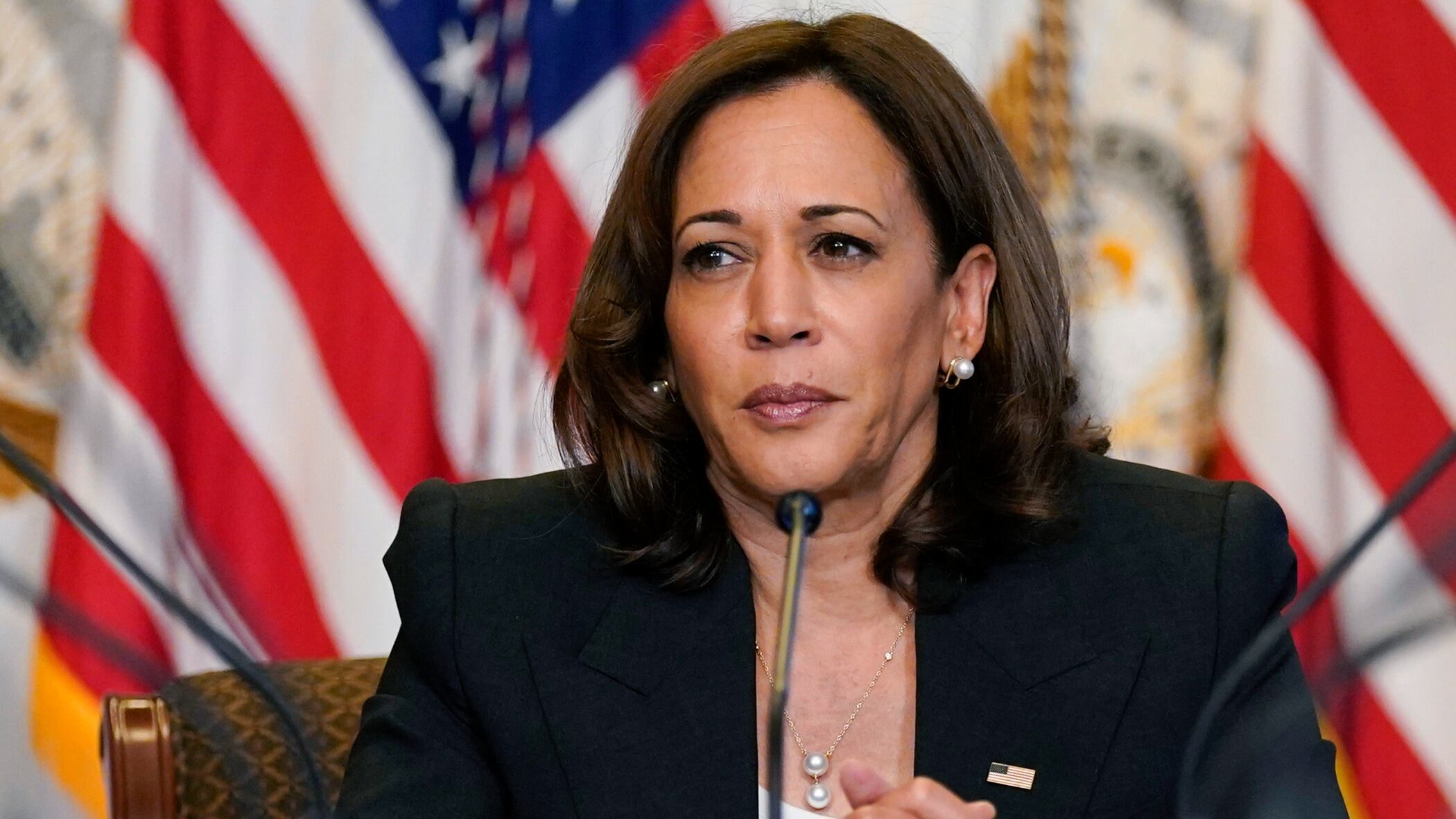
Vice President Kamala Harris said Supreme Court conservatives caused a healthcare crisis in America and blasted abortion bans in Republican-led states.