NAACP President and CEO Derrick Johnson told Cheddar he is "not surprised" a recent meeting between Facebook and civil rights organizations did not end as hoped.
The social media giant reached out as major advertisers pulled marketing campaigns, unhappy with the company's decision to allow hateful content and misinformation to live on the platform.
"Unfortunately we’re not surprised. After two years of discussion with Facebook, we’ve heard statements of value, we’ve heard statements of concern, and how we all agree. What we have not seen is action," Johnson stated.
The recent ad boycott began in the weeks after the police killing of George Floyd. As massive demonstrations took place across the county, Trump posted a message on Twitter and Facebook, warning, in part, "when the looting starts, the shooting starts." Twitter opted to issue a warning about the post, while Facebook decided to let it remain unaltered. Zuckerberg explained in a post that the company's "position is that we should enable as much expression as possible unless it will cause imminent risk of specific harms or dangers spelled out in clear policies."
"For Mark Zuckerberg or anyone else to suggest that hate speech is ok as long as it’s partisan, that’s asinine thinking," Johnson said.
Refusal to curb the spread of hate speech and misinformation on Facebook, Johnson said, threatens American governance.
"If we demean the civility of our discourse to say that if someone says something racialized, it’s ok, it’s partisan, that’s no way to run this democracy," he noted.
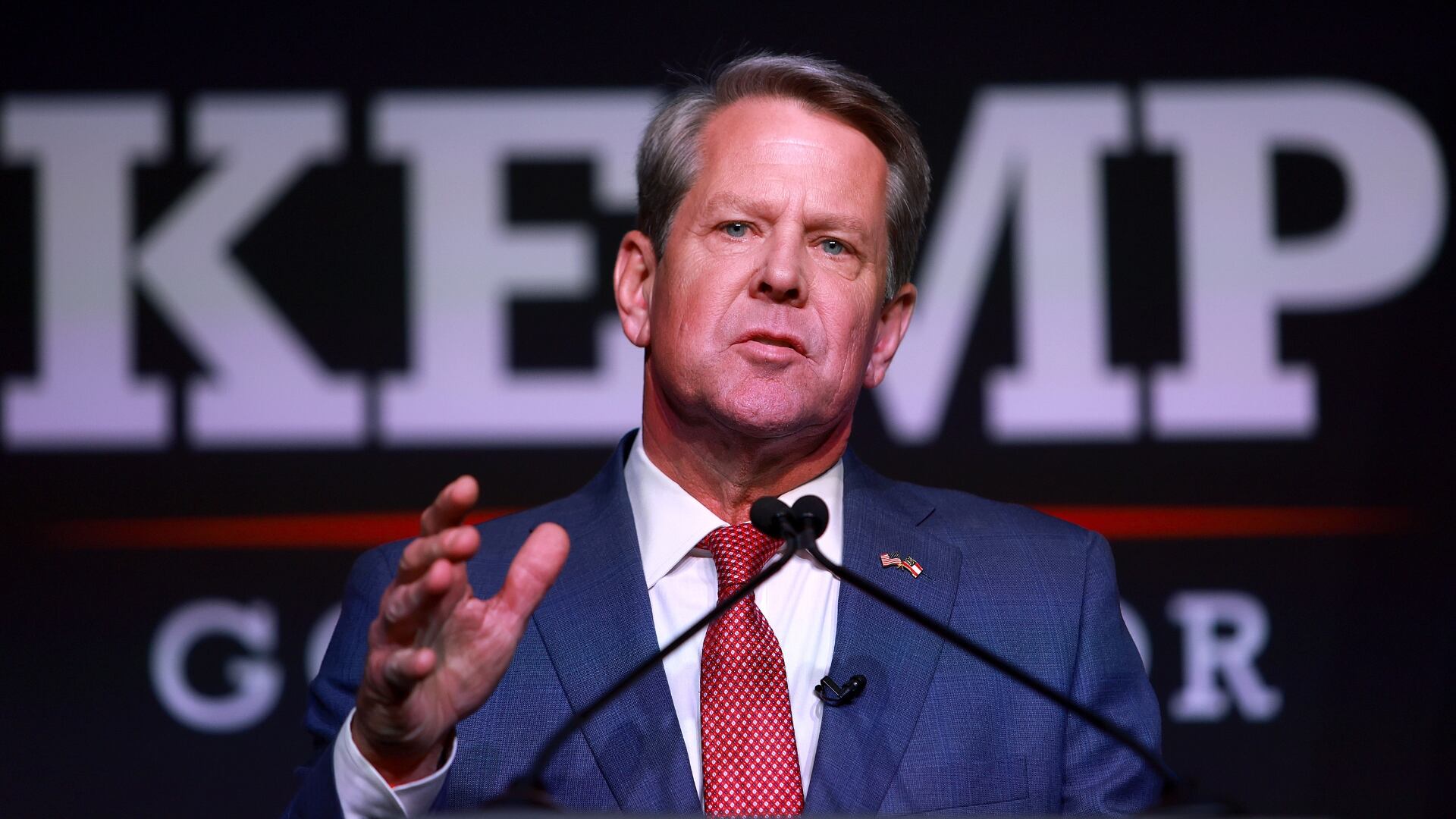
Cheddar Politics takes a deeper look at the takeaways from the Georgia primary elections on Tuesday. Georgia Public Broadcasting's local and state politics reporter, Stephen Fowler, joins us to discuss the limits of Trump endorsements and break down what the outcome in each race means.
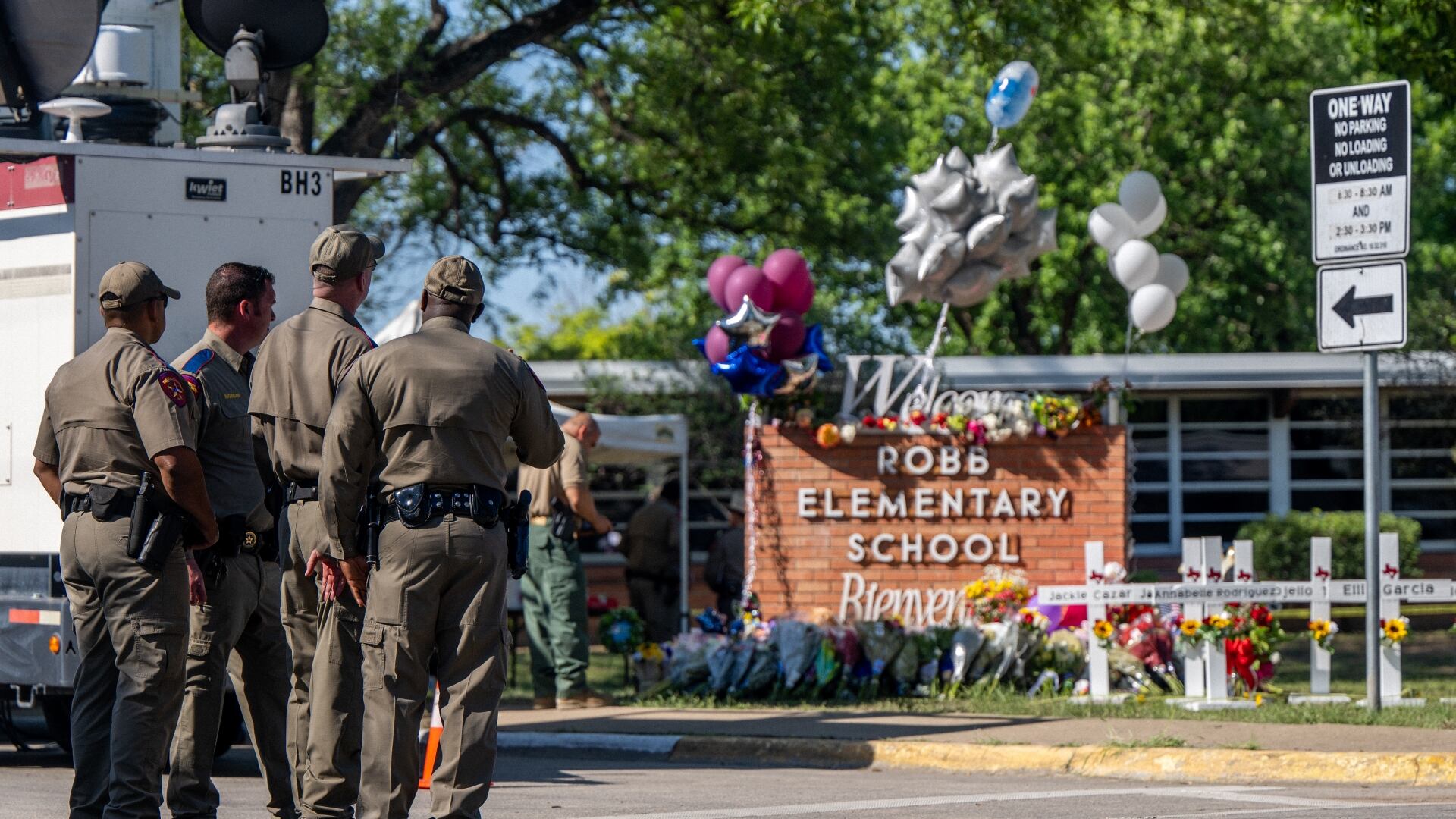
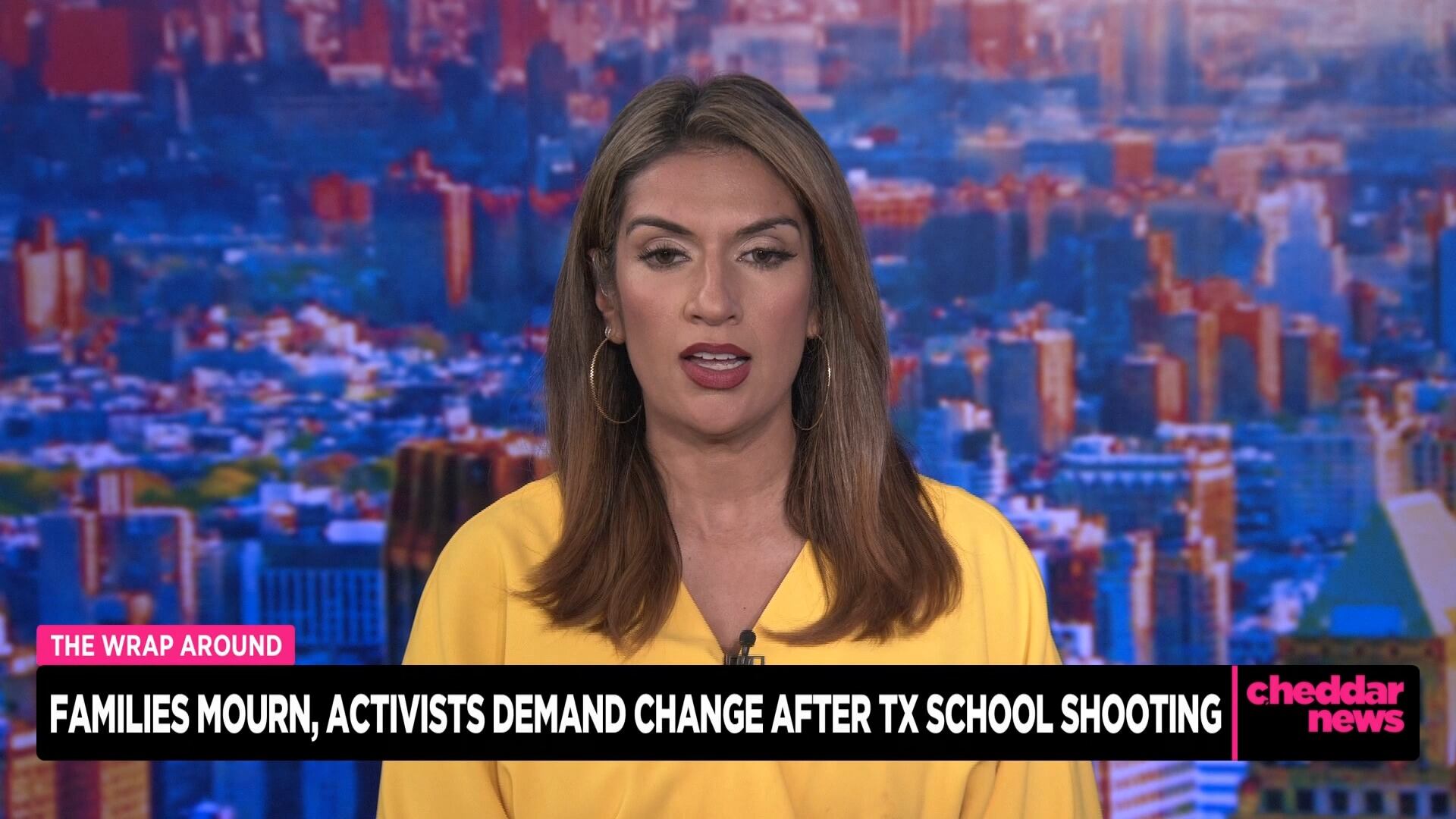
After learning that the suspect in the Uvalde school shooting posted about his intentions on Facebook, activists are urging social networks to make changes. Lena Derhally, a licensed psychotherapist and author of "The Facebook Narcissist," joined Cheddar News to discuss the role social media plays in school shootings. "They're not really invested in taking down hateful content," she said about social platforms."In regards to the shooting, it was 15 minutes before that actual threat. It would be pretty hard for a social media company to trace that threat that quickly. But what they can do better is take down threats and hateful content much faster and more than they're doing now."
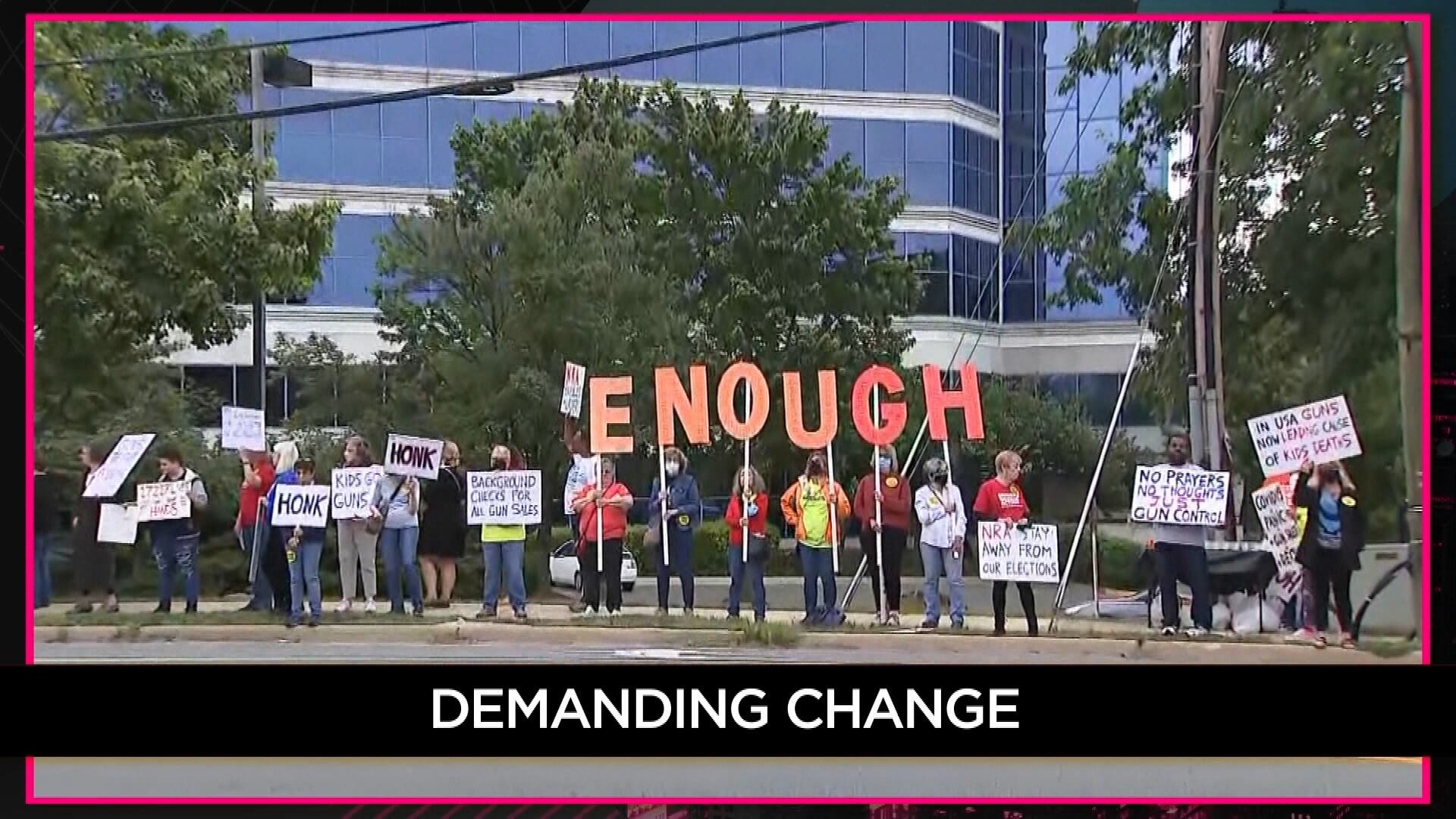
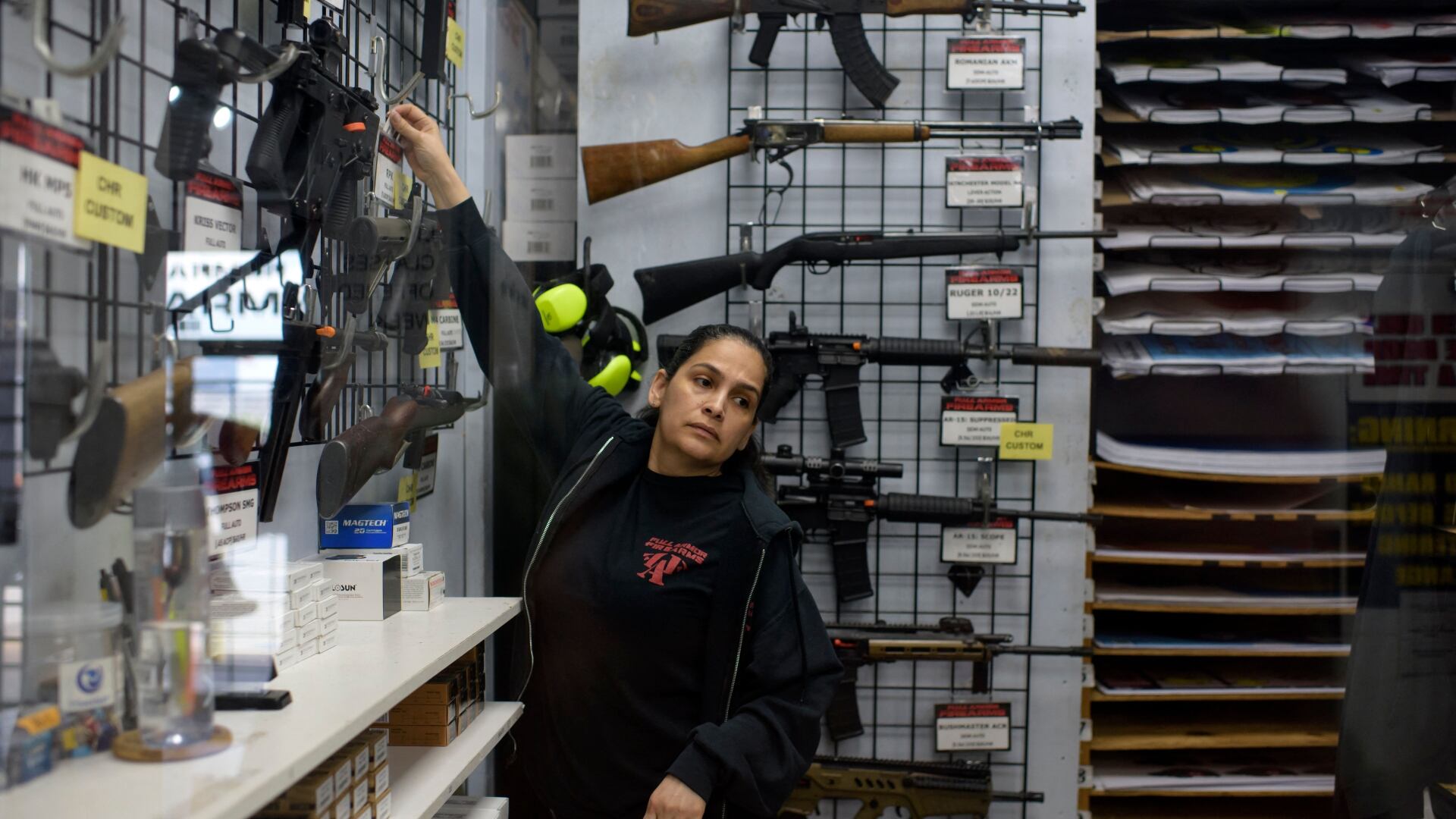
Following the mass shooting at the Robb Elementary School in Uvalde, Texas, that left 19 children and two adults dead, the debate over gun control has been reignited. While studies have shows most Americans agree on some additional regulations, there hasn't been much legislative traction even as gun violence worsens in the country. Brian Lemek, the executive director of Defend The Vote and the former executive director at Brady PAC for gun control, joined Cheddar to discuss reform efforts. "The lawmakers that we have aren't passing these at the federal level," he said. "That's the problem. We have the wrong people in charge."
The crypto industry is still reeling from Terra's recent crash. The company's blockchain was temporarily halted earlier this month after the collapse of its cryptocurrency Luna (LUNA) and its stablecoin TerraUSD (UST), which led to almost $45 billion being wiped from the tokens' market caps within a week. Now, many are left wondering what Terra's struggles mean for the broader crypto market. Reeve Collins, CEO of the NFT platform BLOCKv, joins Cheddar News' Closing Bell from Davos 2022 to discuss.
The average city in California has a 38% higher cost of living than the average American city, according to a cost of living index. For many, the general minimum wage of $15/hour just doesn't cut it. Anti-poverty activist Joe Sanberg wants to get the minimum wage changed to $18/hour. He joins Cheddar News to discuss the Living Wage Act of 2022.