NAACP President and CEO Derrick Johnson told Cheddar he is "not surprised" a recent meeting between Facebook and civil rights organizations did not end as hoped.
The social media giant reached out as major advertisers pulled marketing campaigns, unhappy with the company's decision to allow hateful content and misinformation to live on the platform.
"Unfortunately we’re not surprised. After two years of discussion with Facebook, we’ve heard statements of value, we’ve heard statements of concern, and how we all agree. What we have not seen is action," Johnson stated.
The recent ad boycott began in the weeks after the police killing of George Floyd. As massive demonstrations took place across the county, Trump posted a message on Twitter and Facebook, warning, in part, "when the looting starts, the shooting starts." Twitter opted to issue a warning about the post, while Facebook decided to let it remain unaltered. Zuckerberg explained in a post that the company's "position is that we should enable as much expression as possible unless it will cause imminent risk of specific harms or dangers spelled out in clear policies."
"For Mark Zuckerberg or anyone else to suggest that hate speech is ok as long as it’s partisan, that’s asinine thinking," Johnson said.
Refusal to curb the spread of hate speech and misinformation on Facebook, Johnson said, threatens American governance.
"If we demean the civility of our discourse to say that if someone says something racialized, it’s ok, it’s partisan, that’s no way to run this democracy," he noted.
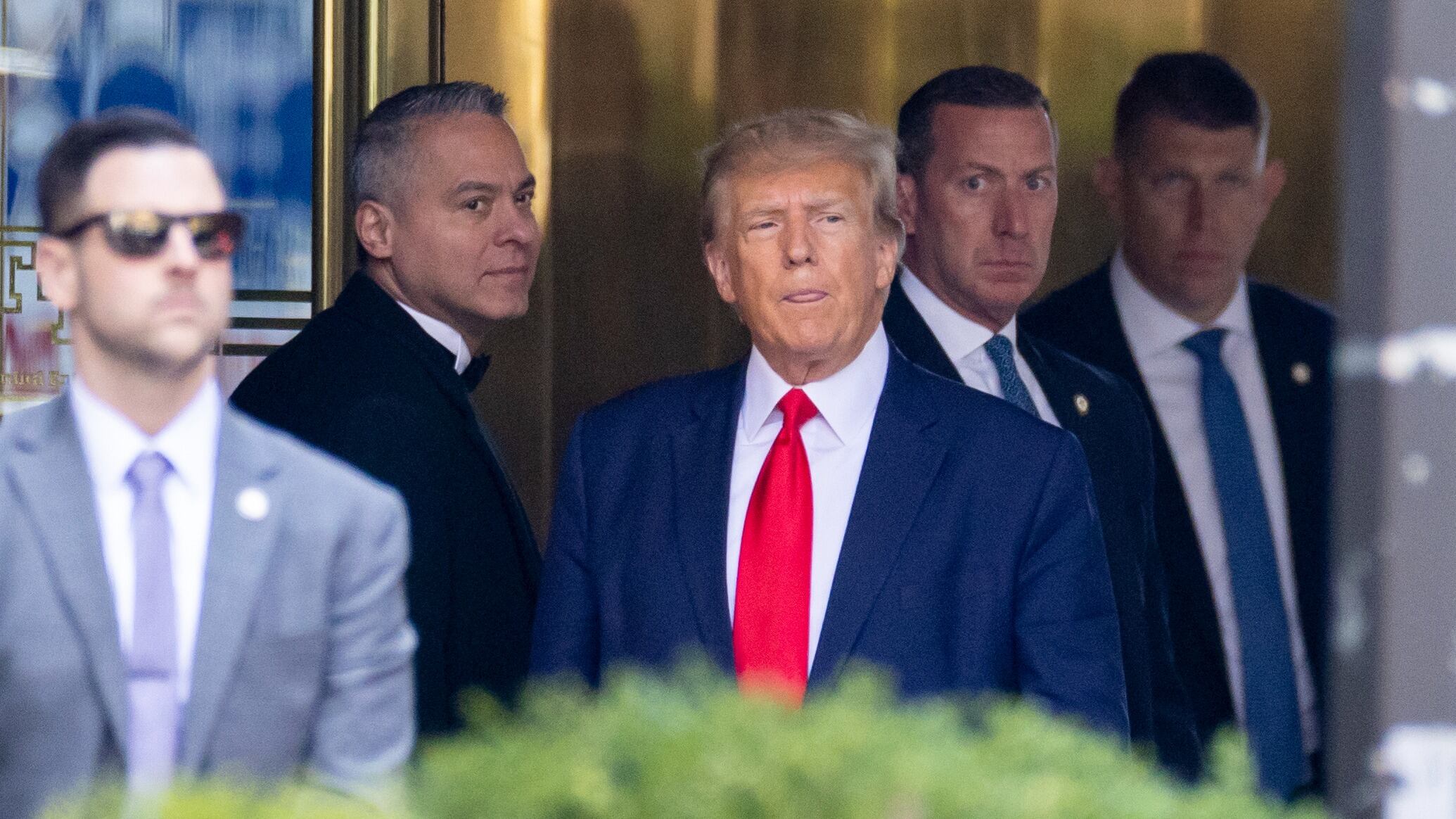
Former President Donald Trump answered questions for nearly seven hours Thursday during his second deposition in a legal battle with New York's attorney general over his company's business practices, reversing an earlier decision to invoke his Fifth Amendment protection against self-incrimination and remain silent.
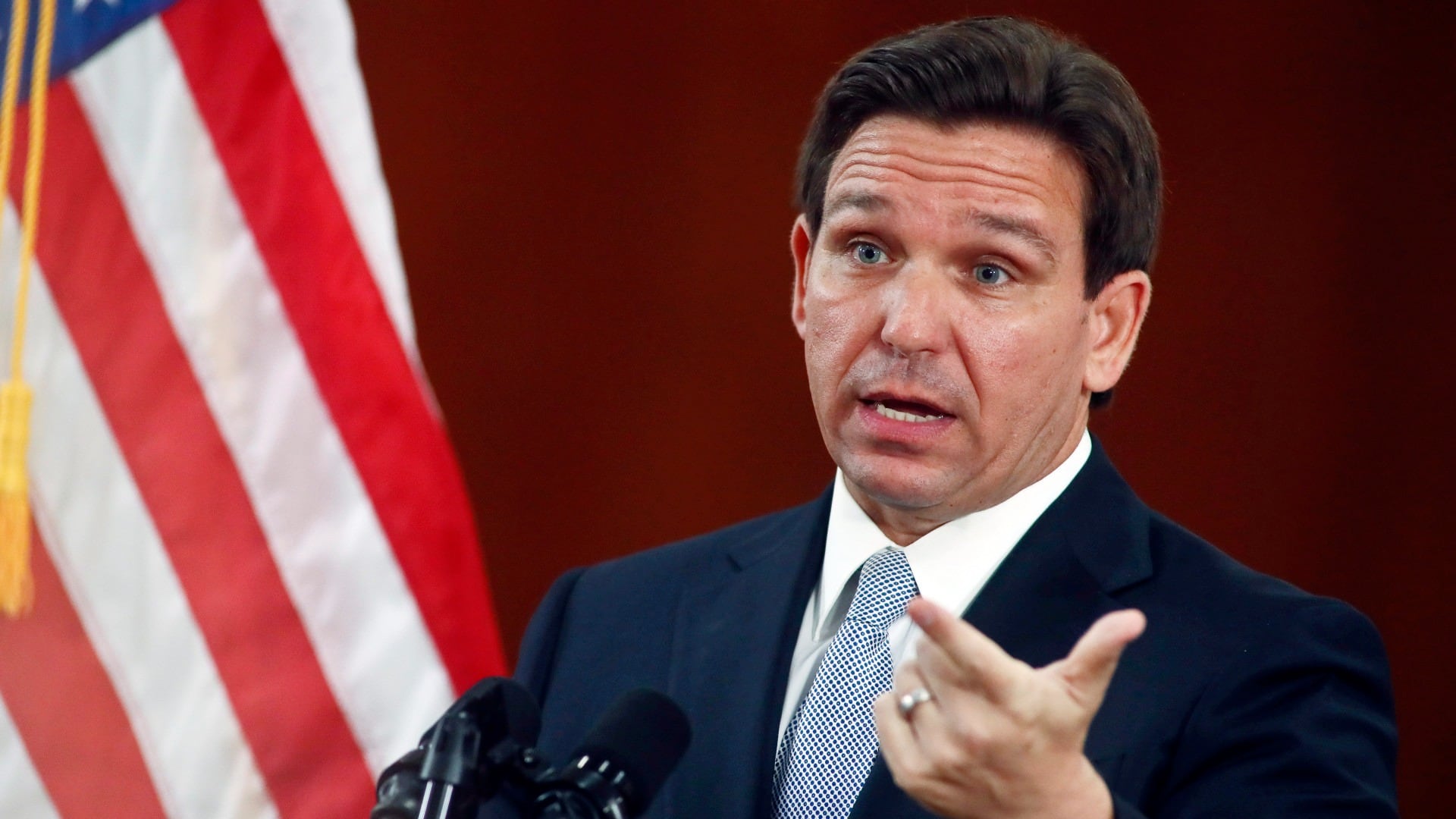
Republican Gov. Ron DeSantis has signed into law a bill approved by the Republican-dominated Florida Legislature to ban abortions after six weeks of pregnancy.
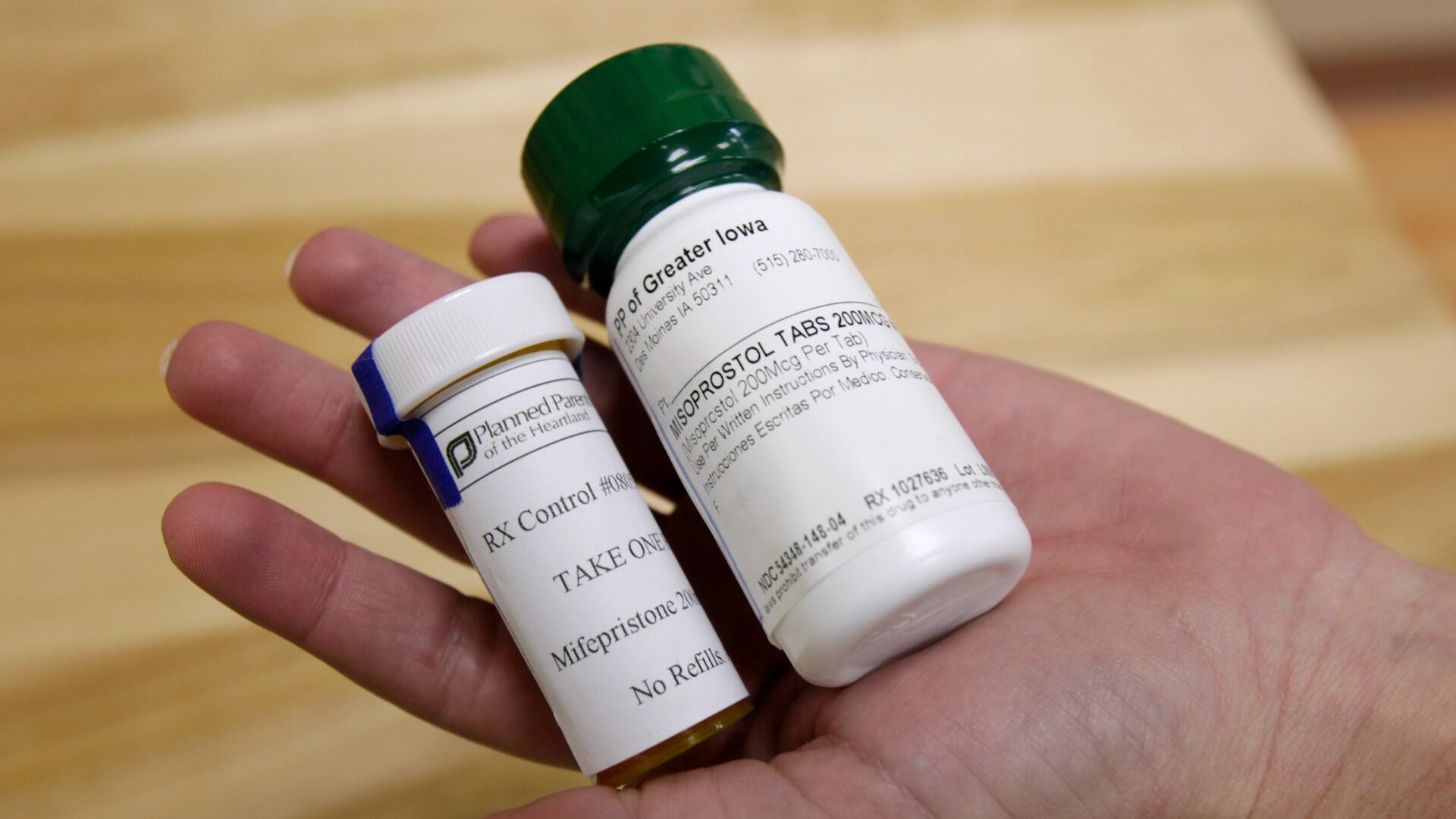
A federal appeals court has ruled that the abortion pill mifepristone can still be used for now but reduced the period of pregnancy when the drug can be taken and said it could not be dispensed by mail.
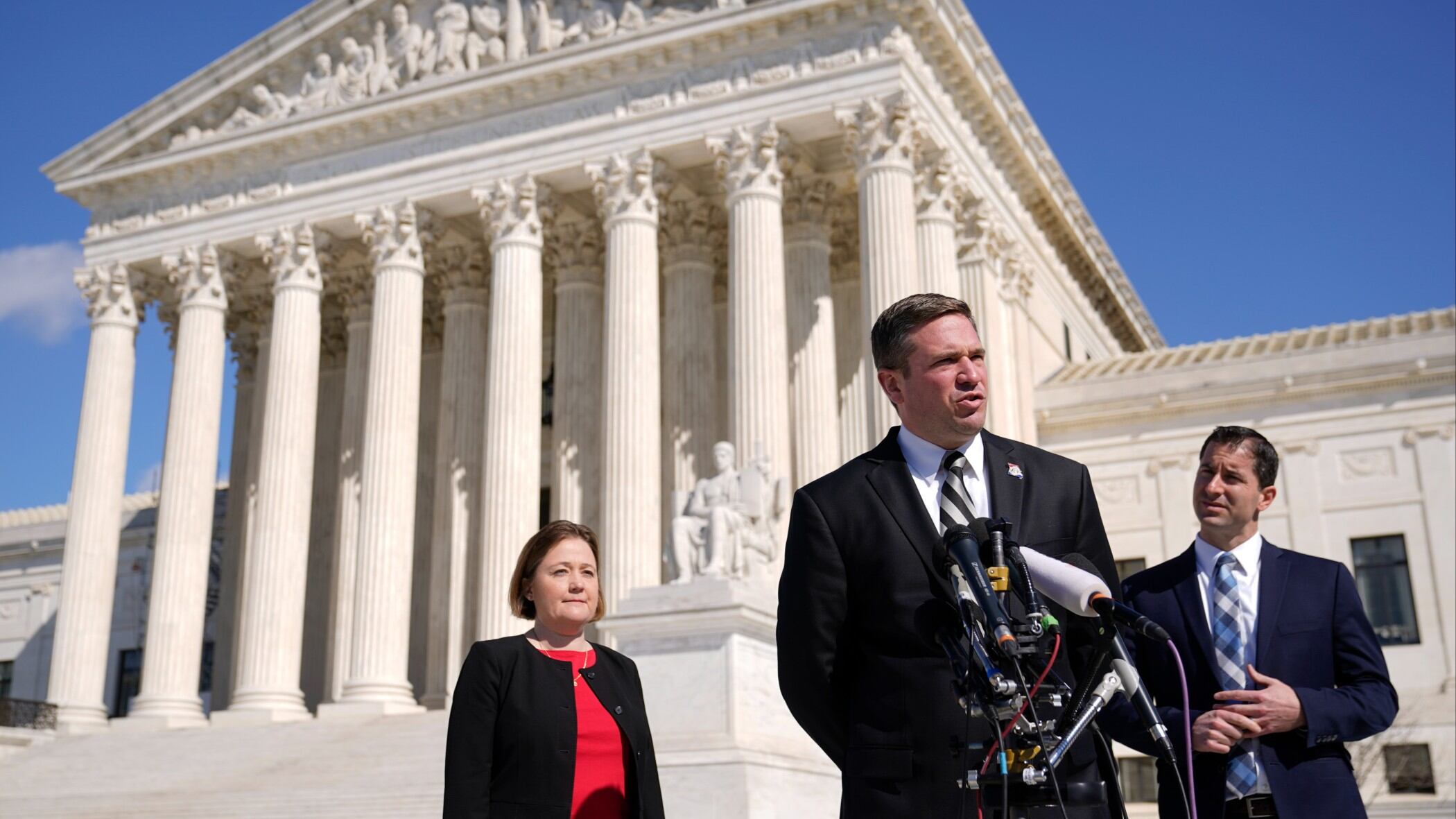
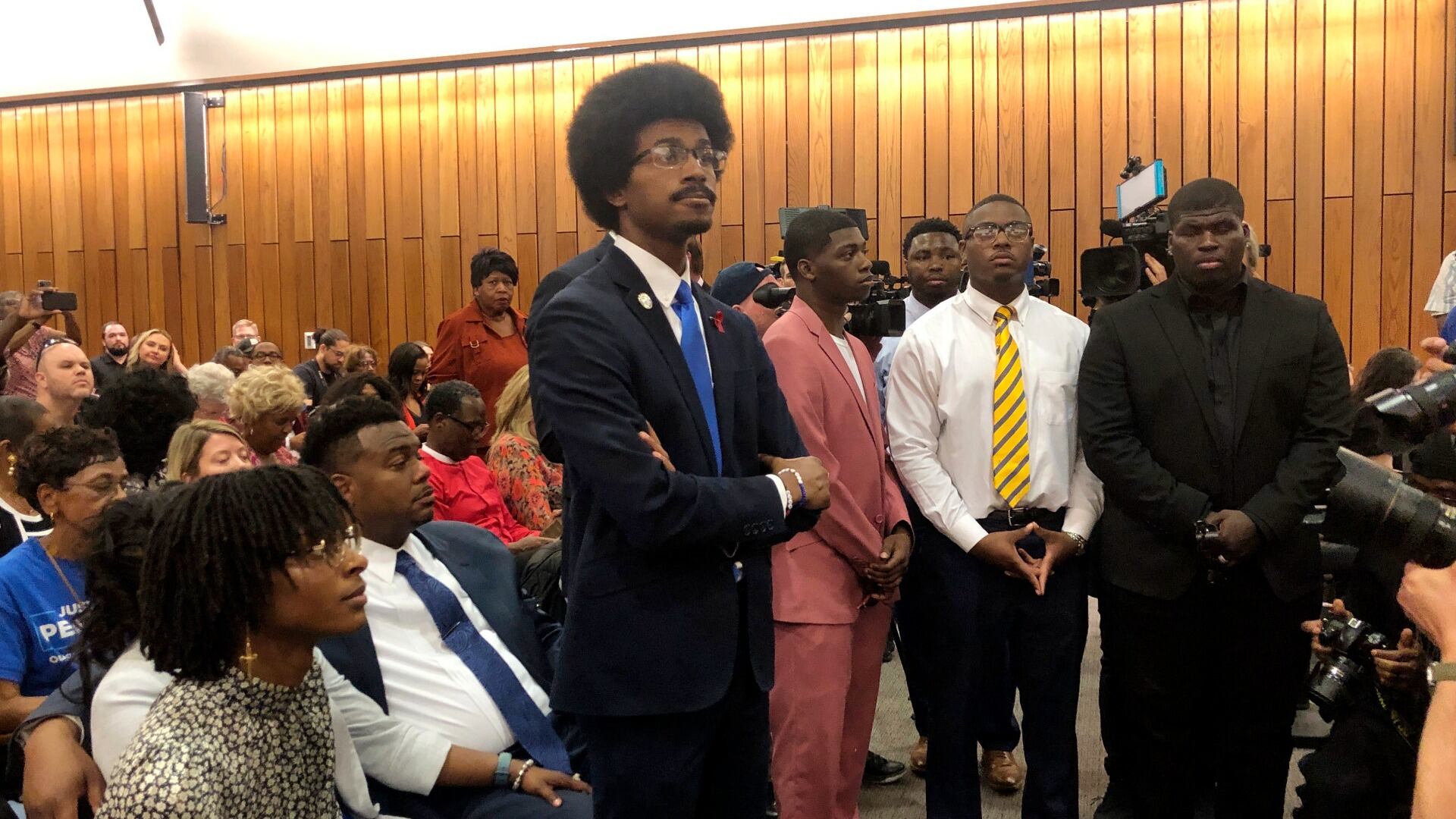
The second of two Black Democrats expelled from the Republican-led Tennessee House will return to the Legislature after a Memphis commission voted to reinstate him Wednesday.
Some abortion clinics are fielding lots of calls from patients since a court ruling last Friday threatened the availability of a main drug used in medication abortion, mifepristone.
The Biden administration released an environmental analysis Tuesday that outlined two ways that seven Western states and tribes reliant on the over-tapped Colorado River could cut their use, but declined to publicly take a side on the best option.