*By Carlo Versano*
Shares of Tesla jumped more than 15 percent in the pre-market Monday on news that CEO Elon Musk settled a lawsuit with the SEC over Musk's social media use.
Under the terms of the settlement, Musk will step down as chairman of Tesla ($TSLA) for at least three years but can remain in the chief executive role. He and the company must each pay $20 million in fines. Two independent board members will also be appointed.
Federal regulators sued Musk last week, arguing that his infamous Aug. 7 "funding secured" tweet amounted to securities fraud. The lawsuit was filed after Musk reportedly scuttled a last-minute deal with the agency under which he would resign as chairman and pay a fine but not admit to any wrongdoing. Talks restarted soon after, and by Saturday a new settlement was in place.
The settlement takes care of one major headache for investors, who will now look to the car maker's third-quarter production and delivery numbers, which may be reported as early as Monday. Musk [reportedly] (https://www.cnbc.com/2018/09/30/elon-musk-tells-tesla-to-ignore-distractions-hints-at-profitability.html) emailed employees over the weekend, telling them to "ignore all distractions" and that the company was approaching profitability.
Ian Rogers, Chief Experience Officer, Ledger, joins Cheddar News to discuss innovation in crypto security, and why a hardware wallet is a critical tool for protecting digital assets.
Carlo and Baker cover the latest developments after a devastating tornado outbreak over the weekend, plus an eye on Omicron and inflation, and not even Spielberg can save the box office.
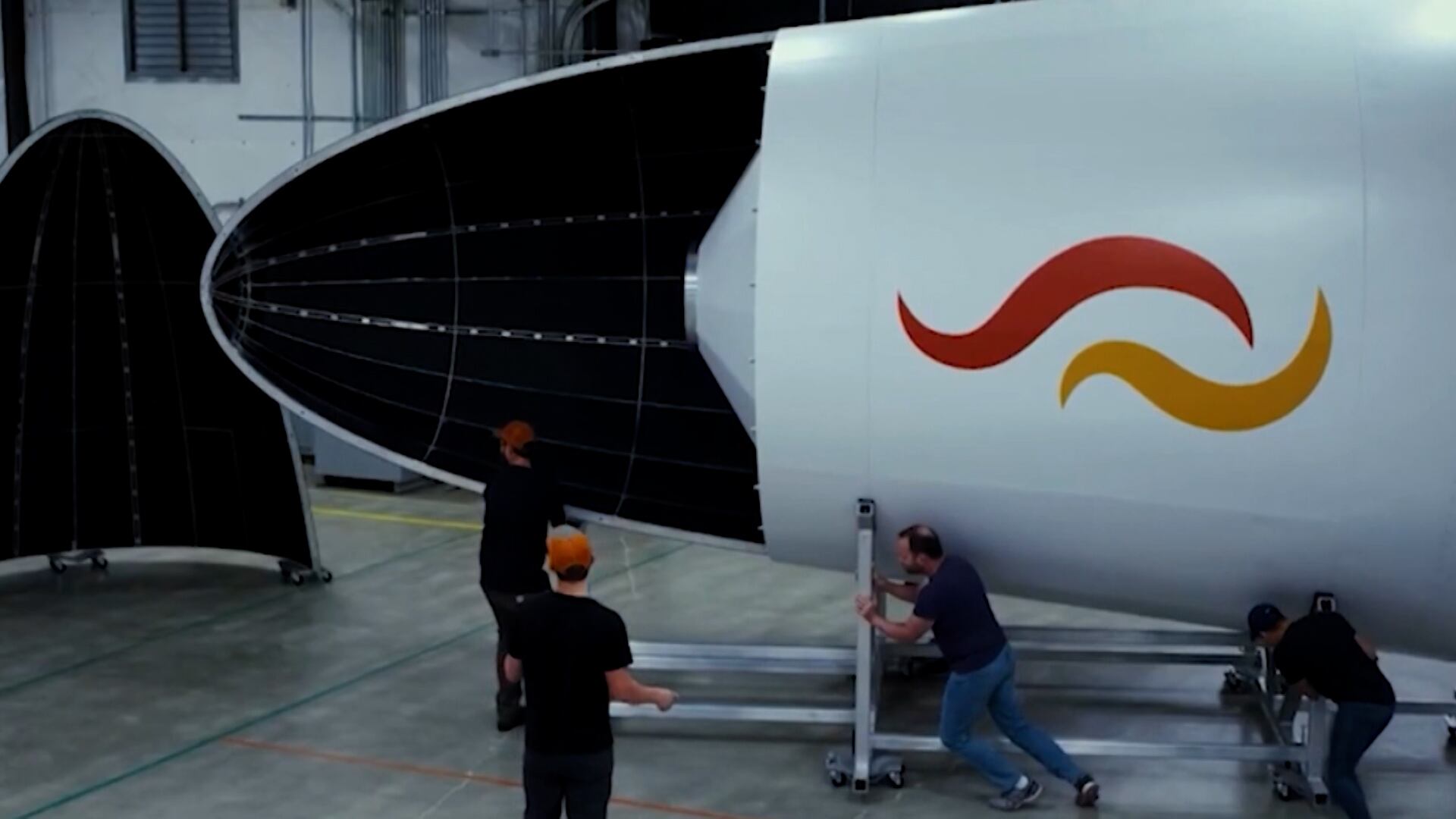
Reusable rocket developer Stoke Space Technologies raised $65 million in a Series A round led by Breakthrough Energy Ventures, a firm founded by Bill Gates. Stoke says its reusable rockets provide the satellite industry with low-cost, on-demand access to and from orbit. As companies like SpacX and Blue Origin are also making commitments to rocket reusability, Stoke says it is taking a different approach with a system designed to be 100% reusable, comprised of rockets designed to fly daily, like an airplane. Stoke co-founder and CEO Andy Lapsa joins Cheddar News' Closing Bell to discuss.
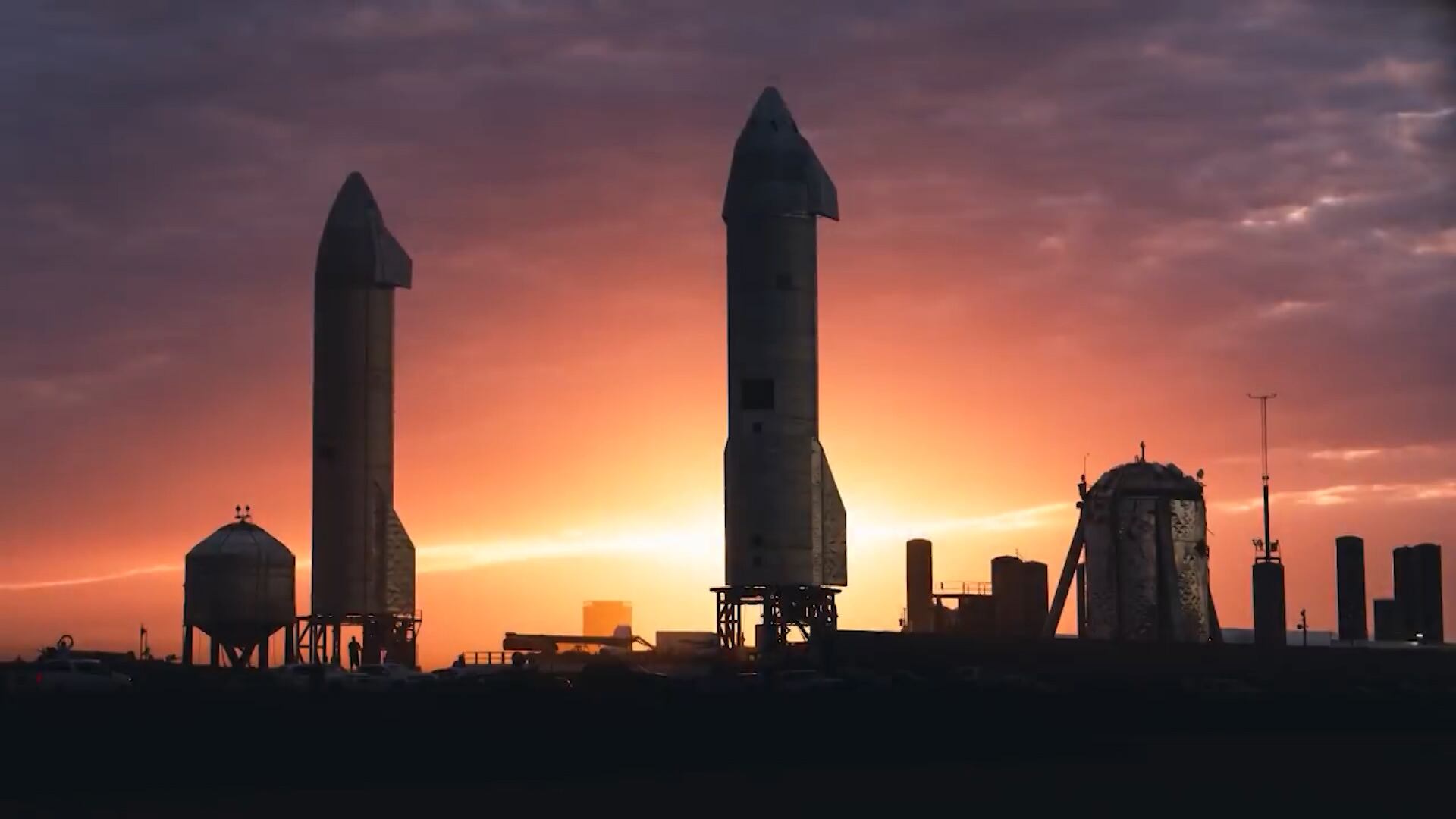
Humans are set to return to a place we have not been in nearly 50 years: the moon. NASA's Artemis program is expected to have astronauts back on the lunar surface by 2025. NASA says it will use what it learns on the moon to take the next giant leap - sending the first astronauts to Mars. The Artemis program also includes contributions from private companies like SpaceX, as well as academic research institutions like Georgia Tech. Georgia Tech professor of practice and former NASA astronaut Sandra Magnus joins Future of Space: Humankind's Leap Forward to discuss.