*By Carlo Versano*
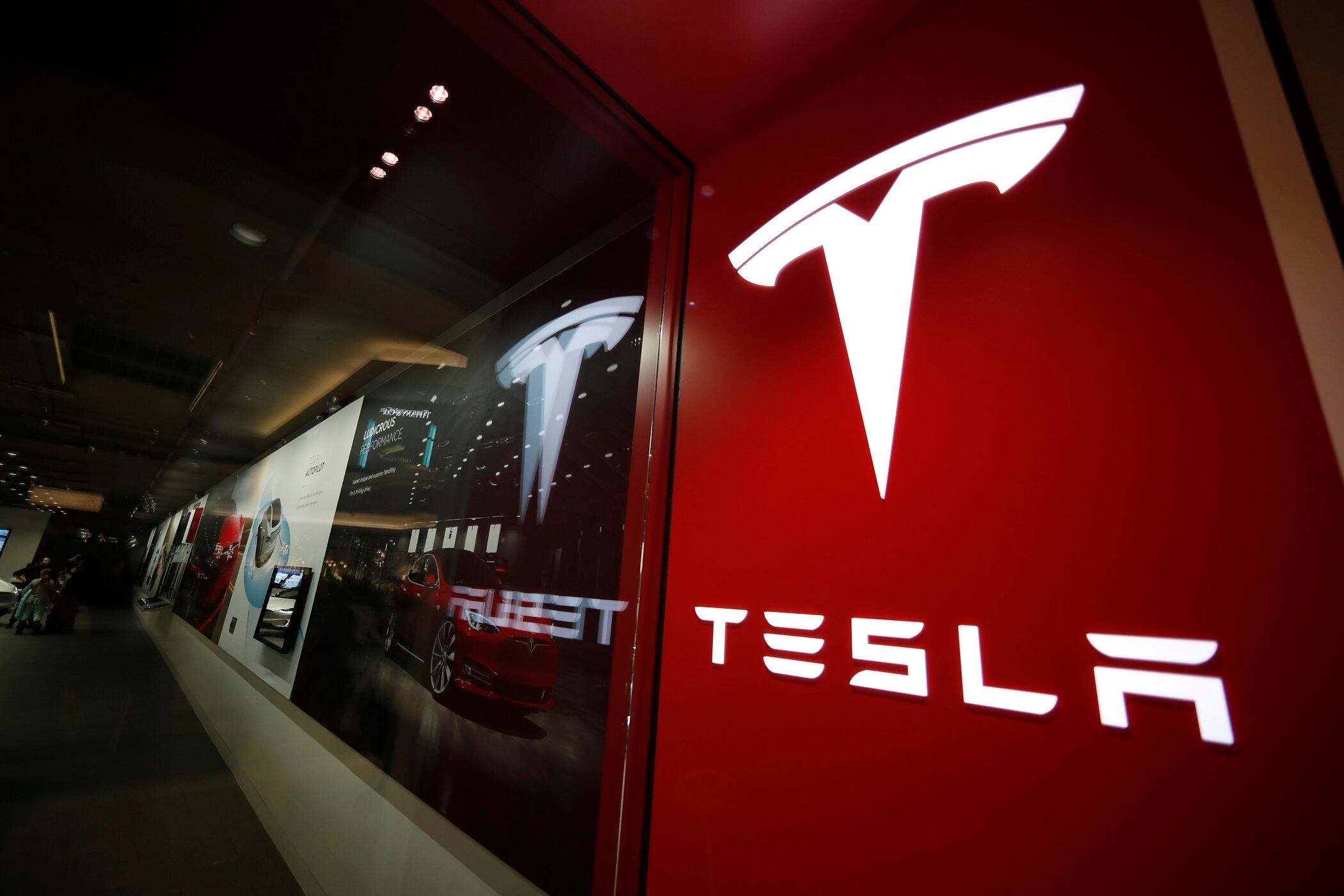
Shares of Tesla jumped more than 15 percent in the pre-market Monday on news that CEO Elon Musk settled a lawsuit with the SEC over Musk's social media use.
Under the terms of the settlement, Musk will step down as chairman of Tesla ($TSLA) for at least three years but can remain in the chief executive role. He and the company must each pay $20 million in fines. Two independent board members will also be appointed.
Federal regulators sued Musk last week, arguing that his infamous Aug. 7 "funding secured" tweet amounted to securities fraud. The lawsuit was filed after Musk reportedly scuttled a last-minute deal with the agency under which he would resign as chairman and pay a fine but not admit to any wrongdoing. Talks restarted soon after, and by Saturday a new settlement was in place.
The settlement takes care of one major headache for investors, who will now look to the car maker's third-quarter production and delivery numbers, which may be reported as early as Monday. Musk [reportedly] (https://www.cnbc.com/2018/09/30/elon-musk-tells-tesla-to-ignore-distractions-hints-at-profitability.html) emailed employees over the weekend, telling them to "ignore all distractions" and that the company was approaching profitability.
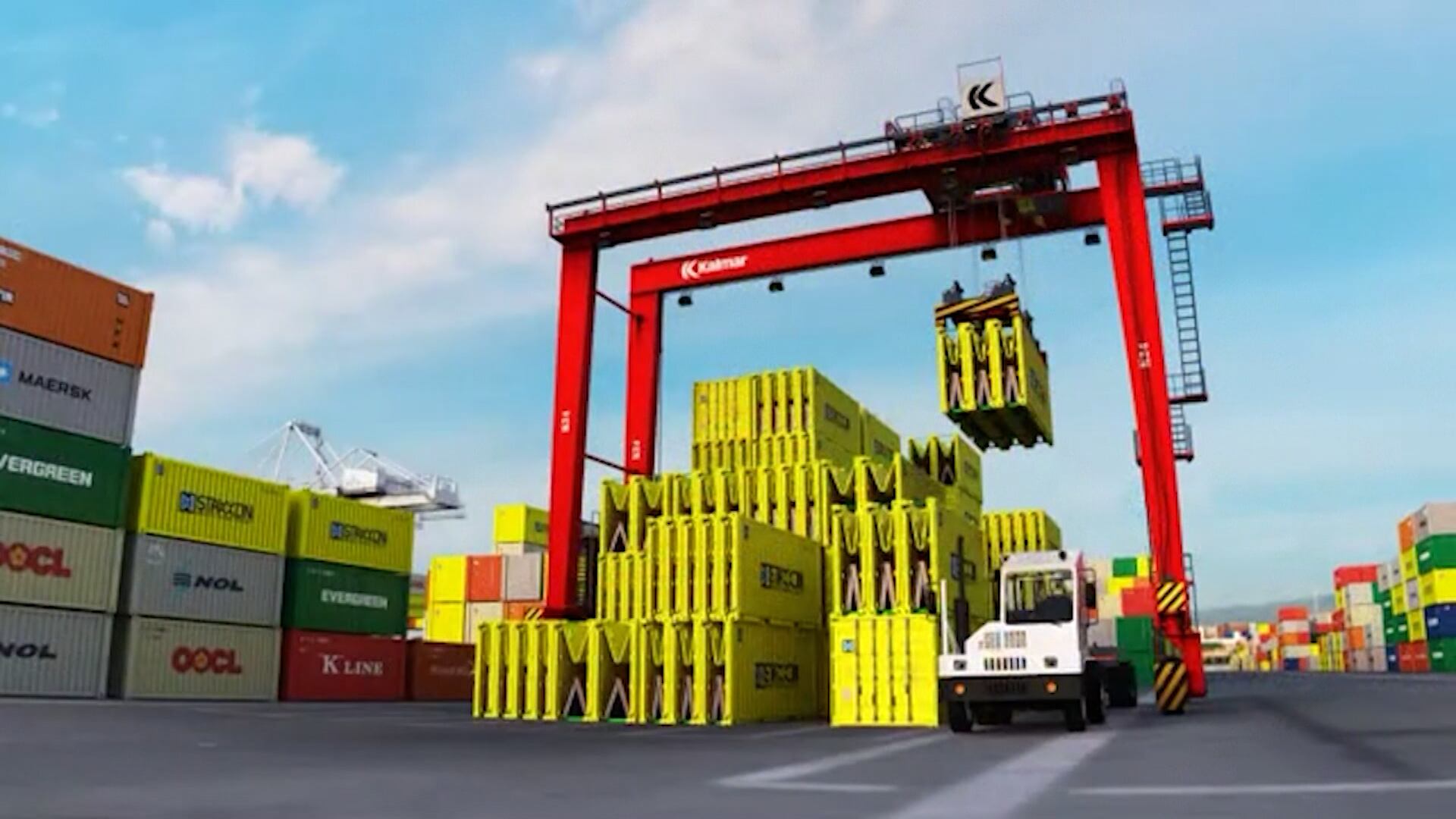
You've probably seen a traditional shipping container, but did you know that thousands of them sit empty at ports around the world and make supply chain issues worse? Staxxon says it has a solution: a foldable shipping crate that can be stacked with several others in order to save space, time, money, and even carbon emissions. George Kochanowski, CEO and CTO of Staxxon, joins Closing Bell to discuss its foldable containers, how the containers work with current shipping technology, and how they might save retailers money and space.
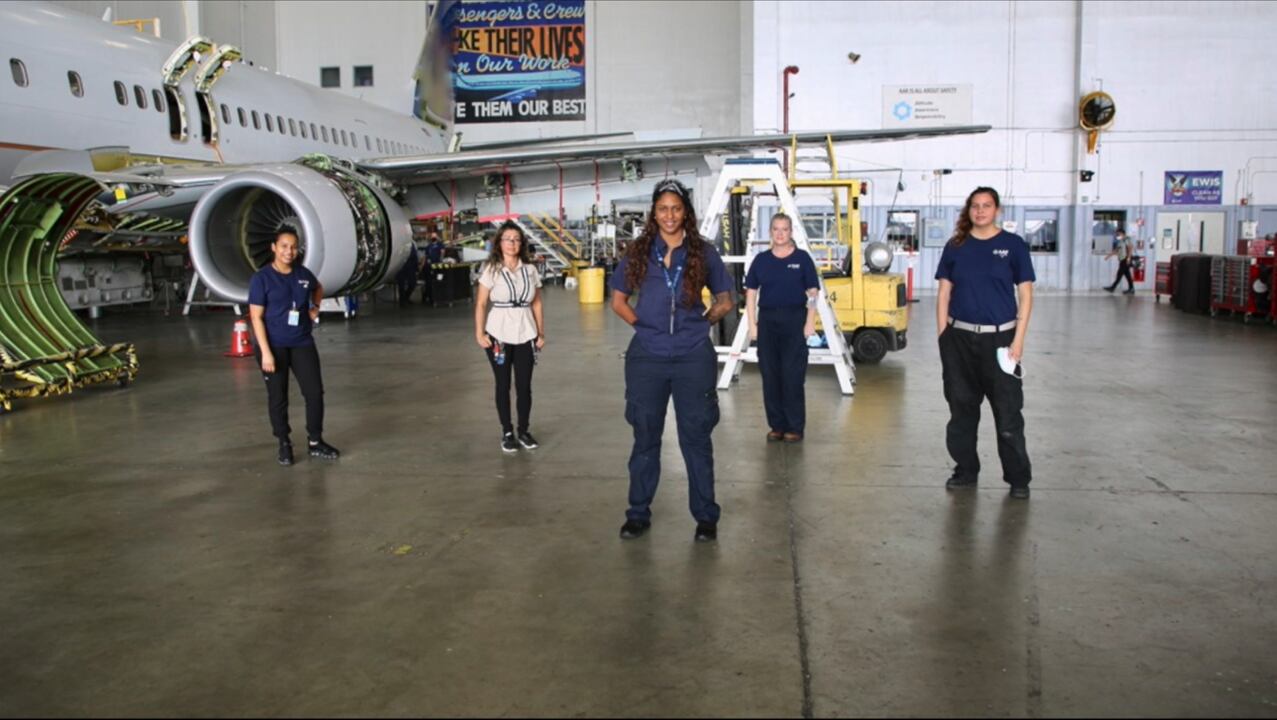
Stacey Rudser, president of the Association for Women in Aviation Maintenance, joins Cheddar News to talk about the lack of diversity in the aviation maintenance sector and what needs to change.
Intel CEO Patrick Gelsinger recently warned Congress that the U.S. 'must act now' to boost chip manufacturing domestically before it's too late. The chipmaking giant is working to ramp up its own domestic chip production with plans for a mega-site in Ohio as the global chip shortage only intensifies, hitting everything from smartphones to cars. Daniel Newman, a founding partner and principal analyst at Futurum Research, joined Cheddar's Opening Bell to discuss Intel's plans, Gelsinger's push for Congress to pass the CHIPS Act, and the potential political ramifications of boosting semiconductor manufacturing in parts of the United States.