In the three days after Elon Musk engineered a deal to buy Twitter, he sold roughly $8.5 billion worth of shares in Tesla to help fund the purchase
Musk reported the sale of 9.6 million shares in filings with the Securities and Exchange Commission on Thursday and Friday. The trades were made at prices ranging from $822.68 to $999.13.
On Friday, shares of Tesla Inc. were going for around $904.50.
The world’s richest man, who is the CEO of Tesla, tweeted Thursday night that he doesn't plan any further sales of the company's shares.
Twitter announced Monday that it had agreed to be purchased by Musk for $54.20 a share, or about $44 billion. Analysts said the deal could make Tesla investors nervous that Musk will be distracted by Twitter and less engaged in running the electric car company — and have to sell a large number of Tesla shares to finance the acquisition. Musk is Tesla's largest shareholder.
On Tuesday, Tesla shares closed down 12%, the biggest single-day drop since Sept. 8, 2020. The shares are up more than 3% Friday but still down 10% for the week.
Twitter shares rose to $49.72, up 1.2% but still well below the deal price.
Before Musk's deal for Twitter is completed, shareholders will have to weigh in. So will regulators in the U.S. and in countries where Twitter does business.
So far though, few hurdles are expected, despite objections from some of Twitter’s own employees and from users who worry about Musk’s stance on free speech and what it might mean for harassment and hate speech on the platform.
Updated on April 29, 2022, at 12:17 p.m. ET, with additional sales registered with SEC.
Whether it’s a deepfake video of actor Tom Cruise discovering gum in a lollipop or President Joe Biden discouraging people from voting via telephone, you’ve likely come across a deepfake video, photo or audio recording.
Tensions in the South China Sea, Apple moving to India, and banning TikTok? The podcast ‘Face Off: The U.S. Versus China’ helps explain how we got here.
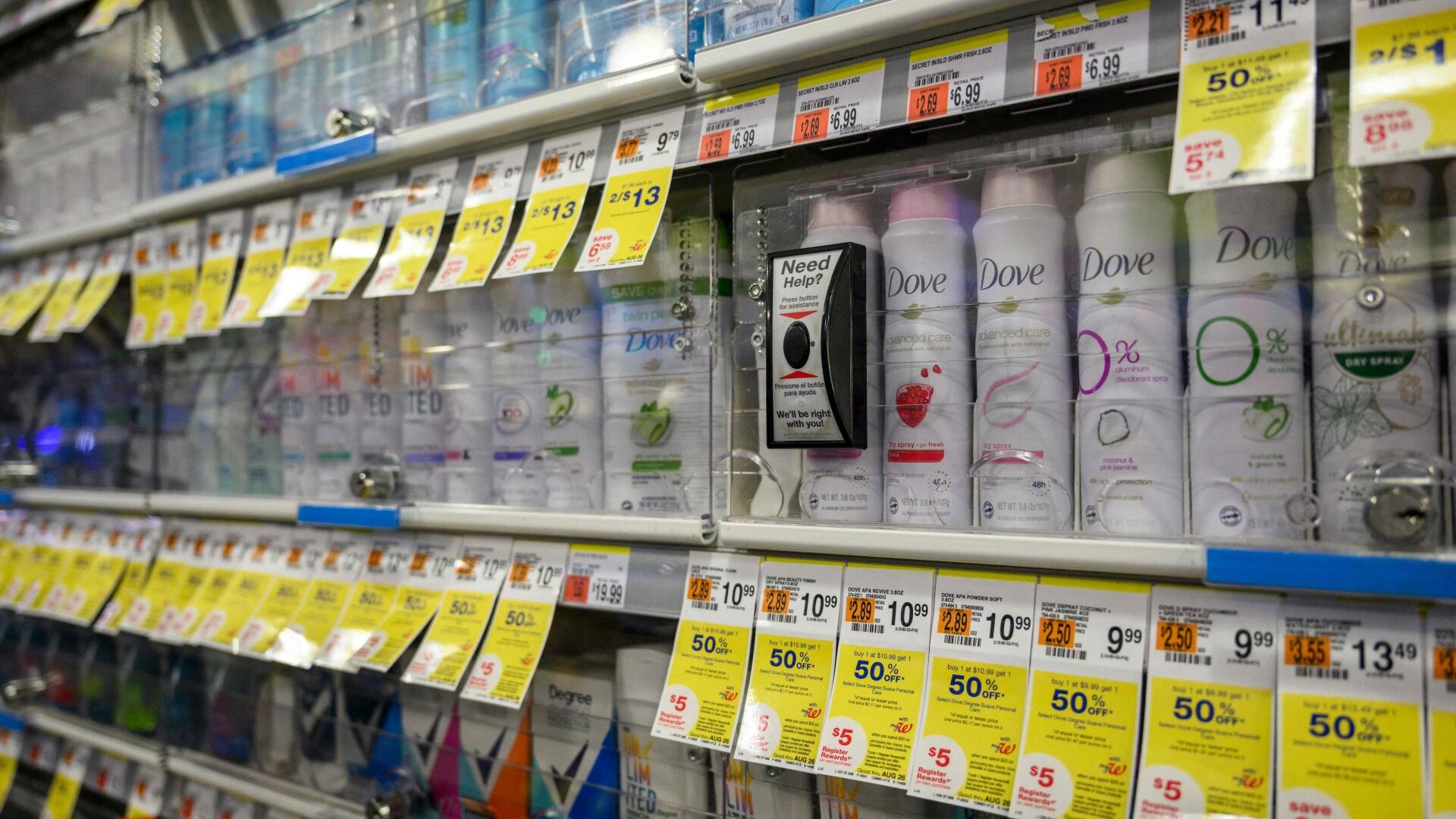
Cust2Mate is a leading innovator in retail technology, aiming to revolutionize the shopping experience. By implementing smart cart technology, the tech company addresses the issue of theft while enhancing the shopper's journey.
The Biden administration has unveiled a plan, Plan B, to address the student loan debt crisis. It offers to cancel up to $20,000 in interest for borrowers enrolled in income-driven repayment plans. This proposal aims to reset balances for those facing growing debt due to unpaid interest, benefiting low—and middle-income borrowers. An estimated 25 million borrowers are eligible for some form of interest forgiveness.
As we head into the second quarter, there’s an argument in favor of buying Boeing stock. Why? As one expert says, ‘there’s nowhere else to get planes.’
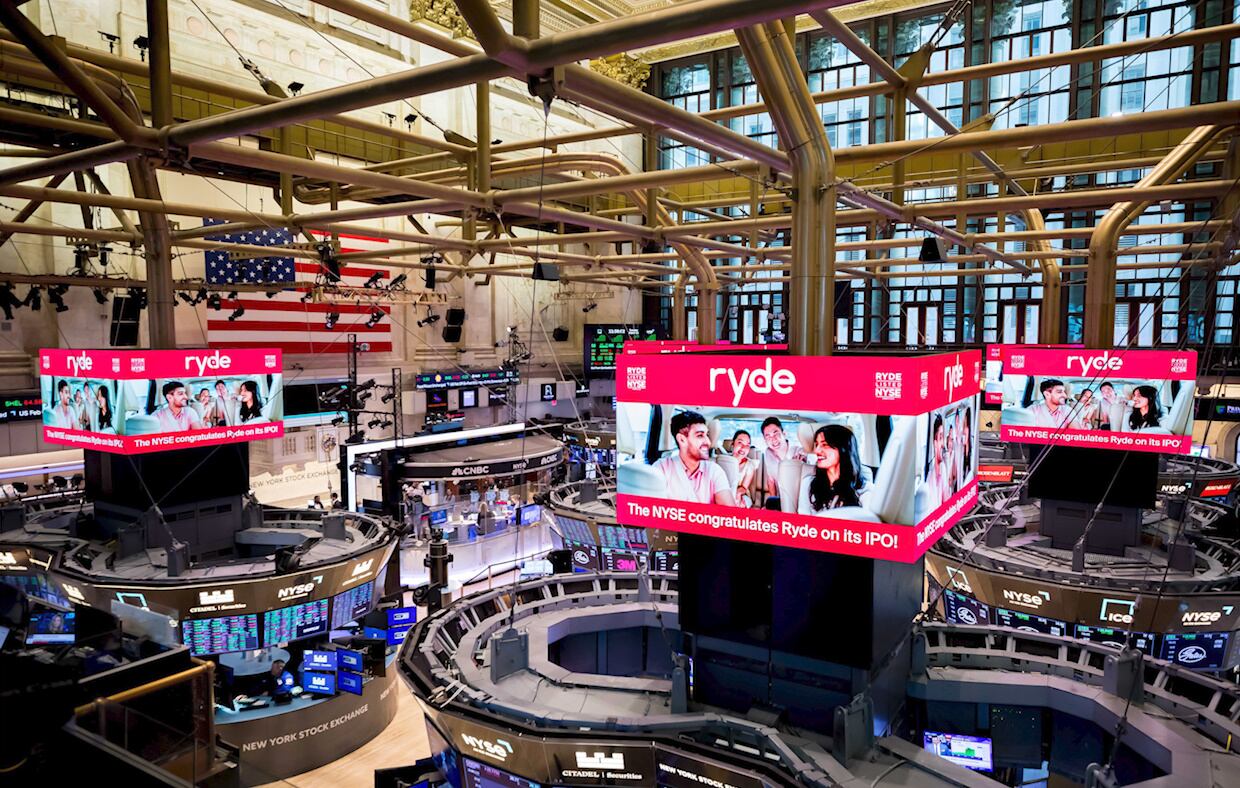
With inflation and prices still on the rise, it might be worth considering a carpool app. One of them, Singapore-based Ryde, just went public in the U.S.