By Tom Krisher and Matt O'Brien
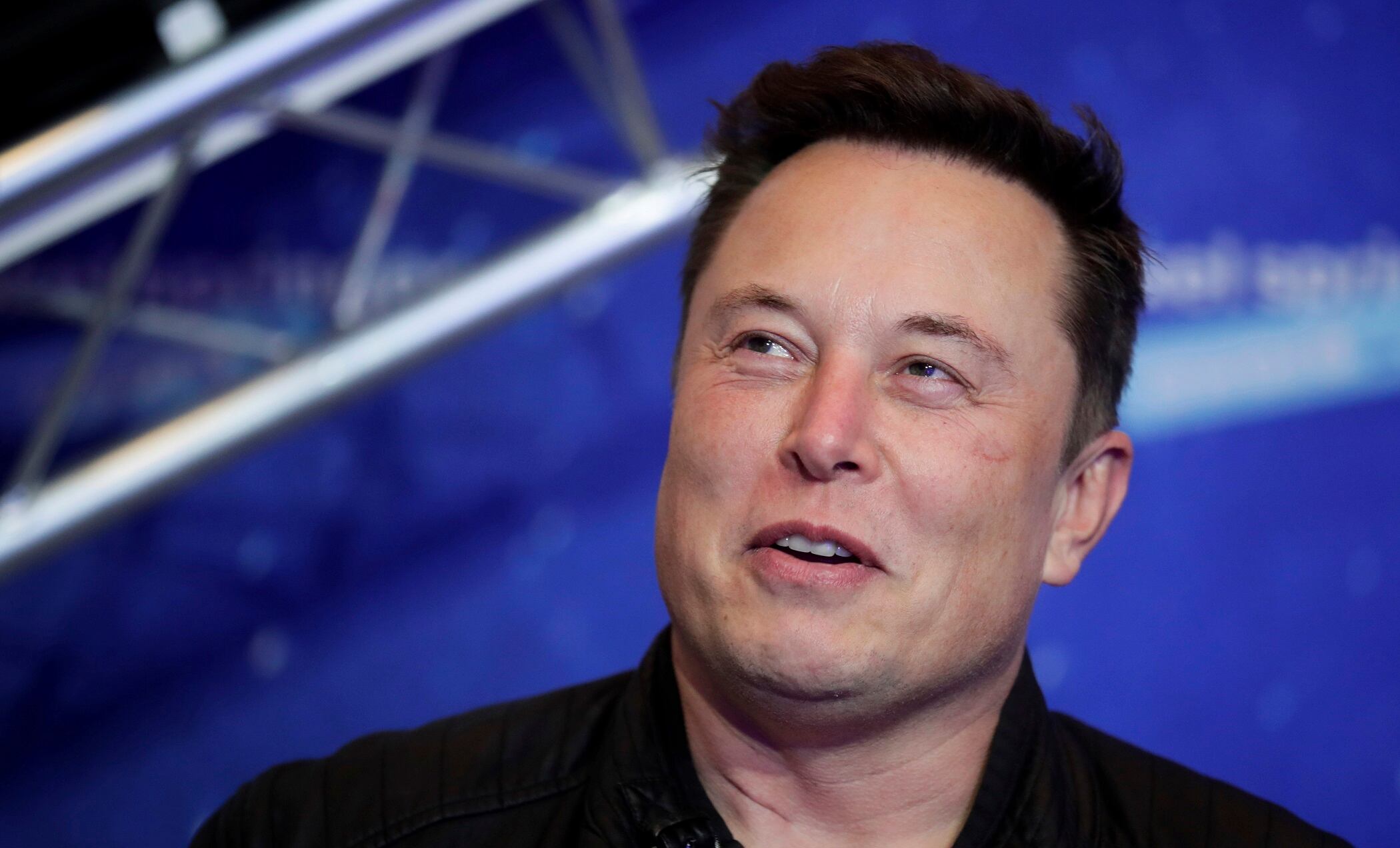
Elon Musk says he has lined up $46.5 billion in financing to buy Twitter, putting pressure on the company's board to negotiate a deal.
Last week, Musk announced an offer to buy the social media platform for $54.20 per share, or about $43 billion. At the time, he did not say how he would finance the acquisition.
The Tesla CEO said Thursday in documents filed with U.S. securities regulators that the money would come from Morgan Stanley and other banks, some of it secured by his huge stake in the electric car maker.
Twitter has yet to formally respond to Musk’s offer, but the company has enacted an anti-takeover measure known as a poison pill that could make a takeover attempt prohibitively expensive.
The company said in a statement Thursday that it received Musk's updated proposal and “new information on potential financing" and said its board is “committed to conducting a careful, comprehensive and deliberate review.”
Musk, who owns about 9% of Twitter shares, indicated that he’s exploring what’s known as a tender offer in which Musk would try to get other shareholders to pledge their stock to him at a certain price on a certain date, bypassing the board. If enough shareholders agree, Musk could use that as leverage to get the board to drop its “poison pill” defense against his offer of $54.20 per share.
But Musk hasn't decided yet whether to do that.
The poison pill could significantly raise the costs of a takeover. If someone acquires a 15% stake in the company, it would trigger a huge payout to shareholders that could bankrupt Twitter.
Other banks involved in Musk's financing include Barclays, Bank of America, Societe Generale, Mizuho Bank, BNP Paribas and MUFG. Morgan Stanley is one of Twitter’s biggest shareholders, behind Vanguard Group and Musk.
Musk's documents say that $13 billion in financing came from Morgan Stanley and the other banks. As much as $12.5 billion would be loans secured by Musk's Tesla stock, and he also committed $21 billion in direct or indirect equity, although he didn’t disclose the source of those funds. The filing says that the equity commitment could be reduced by contributions from others or additional debt taken on.
Musk is the world’s wealthiest person, according to Forbes, with a nearly $279 billion fortune. But much of his money is tied up in Tesla stock — he owns about 17% of the company, according to FactSet, which is valued at more than $1 trillion — and SpaceX, his privately held space company. It’s unclear how much cash Musk has.
Tesla allows executive officers to use shares as collateral for loans, but limits the borrowing to 25% of the value of the pledged shares. Musk owns 172.6 million shares worth $176.47 billion. Just over 51% of his stake already is pledged as collateral, according to a Tesla proxy statement. That means Musk could use the remaining stake to borrow about $21.5 billion.
Musk’s latest move shows him “ratcheting up the seriousness of purpose” by lining up prominent banks that could finance his bid, said Donna Hitscherich, a finance professor at Columbia University.
“These are the usual suspects if you’d get financing,” she said. “But certainly it’s pointing to the direction that he could make good on his thoughts were he to proceed in launching the tender offer.”
Shares of Twitter rose slightly to $47.04 in Thursday trading after the financing became public. The shares are trading $7.16 below Musk's offer.
“The market is waiting for this to come to a head” and for competing bidders to come forward, said Olaf Groth, a business professor at the University of California, Berkeley.
The revelation of Musk’s prominent financial backers was “mildly surprising” to Groth because “a lot of his wealth is tied to Tesla performance and Tesla has been on the volatile side of stock performance.” On the other hand, Tesla reported strong quarterly results this week and Musk is “viewed as coming through on things. That may be part of it,” Groth said.
Musk “is seeking to negotiate a definitive agreement for the acquisition of Twitter ... and is prepared to begin such negotiations immediately,” the documents say.
Musk in recent weeks has voiced a number of proposed policy changes at Twitter, from relaxing its content restrictions — such as the rules that suspended former President Donald Trump's account — to ridding the platform of its problems with fake and automated accounts.
“If our twitter bid succeeds, we will defeat the spam bots or die trying!" he tweeted Thursday.
Once competing bids surface, Twitter’s board can look not just at the financial terms but what specific plans Musk or his competitors have for reshaping the social media business. That’s when Musk’s ideas – many of which he’s tied to free speech principles – could come into play.
“That could be ground for rejecting the offer,” Groth said of the business plans. “Some of that will be (about) money and some of that will be a beauty contest. Some of the board members will also talk about what’s in the public interest.”
____
Tali Arbel contributed from Phoenix. Krisher reported from Detroit. O'Brien reported from Providence, Rhode Island.