*By Bridgette Webb and Amanda Weston*
Tesla's board is going ahead with its review of Elon Musk’s gambit to take the company private, though there's still lots of skepticism around the deal and its various backers.
"We still don't know who the backer is and what the deal structure will end up looking like," said Christian Prenzler, vice president of business development at Teslarati. "I definitely wouldn't bet against the deal's existence or the gravity it brings to what we know as Tesla on the NASDAQ."
Musk's plan, announced on Twitter on Tuesday, would take the electric carmaker private at a price of $420 a share. He's argued that Tesla would be less disruptive as a private company. It would also allow the company to escape the glaring spotlight of fluctuating stock prices, mounting questions on model 3 production goals and quarterly reports.
Investors may see an upside in such a move, according to Prenzler, and a number of potential backers have been rumored, including the Saudi Wealth Fund, Tencent and Softbank.
"It’s being pitched like an investment in a company like Uber," Prenzler said. "It’s a long-term plan. They’re betting on Musk making a million cars in a year. "
Still, Prenzler sees value in keeping Tesla public.
"It’s very healthy for a company to be public, to be under the public eye, to have a lot of accountability. And to be forced into really revealing a lot of information and going into some of these rough times," Prenzler said.
Jason Moser, an analyst at The Motley Fool, said in a separate interview with Cheddar that Musk's ambitions require "extremely long-term thinking," and may be more suitable for a private company.
"In order to be as successful as possible, I think he would rather be able to run this business without being held to sort of arbitrary guidelines perhaps that Wall Street throws out there on a quarterly basis," Moser said.
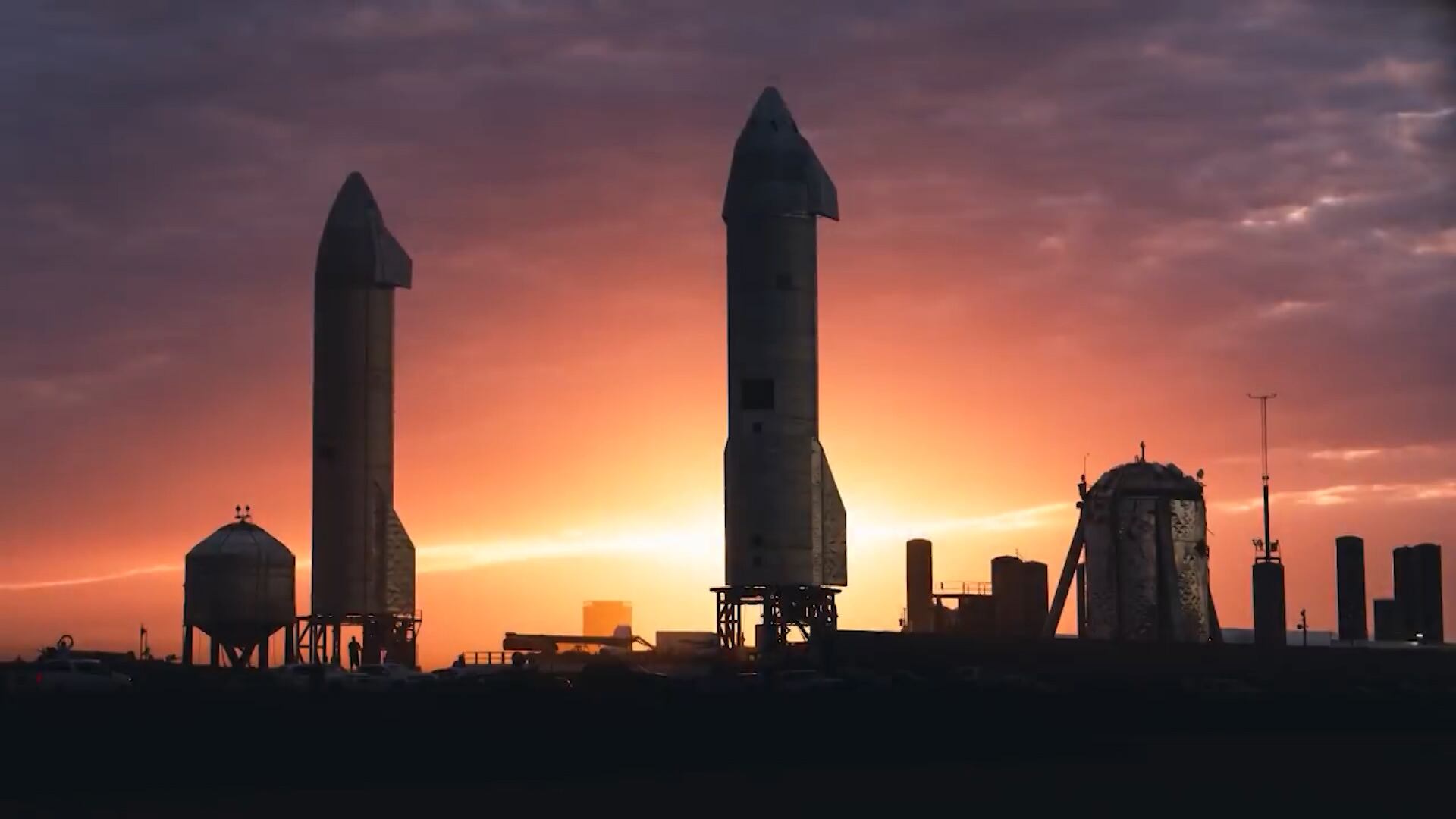
SpaceX, another one of Musk's companies, has been able to function out of the spotlight, allowing Musk to execute long-term planning.
"With Tesla, I love what he's doing. I think the world needs more of what they're doing, and I think that getting out of the public scrutiny and public markets would probably give him the best opportunity to go ahead and execute that," Moser said.
Like Prenzler, Moser thinks that Musk will get his way, eventually.
"When he wants something, he can get it because he's relentless," said Moser. "He keeps at it until he figures out a way, so if he really wants to take this business private, and it sounds like he does, I don't think he's going to have a problem getting there."
For more on this story, [click here](https://cheddar.com/videos/the-next-era-for-tesla).
Humans are set to return to a place we have not been in nearly 50 years: the moon. NASA's Artemis program is expected to have astronauts back on the lunar surface by 2025. NASA says it will use what it learns on the moon to take the next giant leap - sending the first astronauts to Mars. The Artemis program also includes contributions from private companies like SpaceX, as well as academic research institutions like Georgia Tech. Georgia Tech professor of practice and former NASA astronaut Sandra Magnus joins Future of Space: Humankind's Leap Forward to discuss.
Global delivery service FedEx just received the first five of an order of 500 light commercial electric vehicles from GM's BrightDrop brand. Mitch Jackson, chief sustainability officer for FedEx, joined Cheddar to discuss the deployment of the EV600 delivery vehicles, if the new fleet will get the company to carbon neutrality by 2040, and how cost-effective they might be. "We've been working with electric vehicles for 10 years, and what we've find over that time frame is that we save over half of our operational and maintenance costs with the use of EVs over internal combustion engines, "Jackson said. "So they're economically viable."
Matt Faubion, Wealth Manager and Investment Adviser at Faubion Wealth Management, joins Cheddar to break down the pros and cons to gifting and receiving investments, like stock or cryptocurrency, as a gift this holiday season.
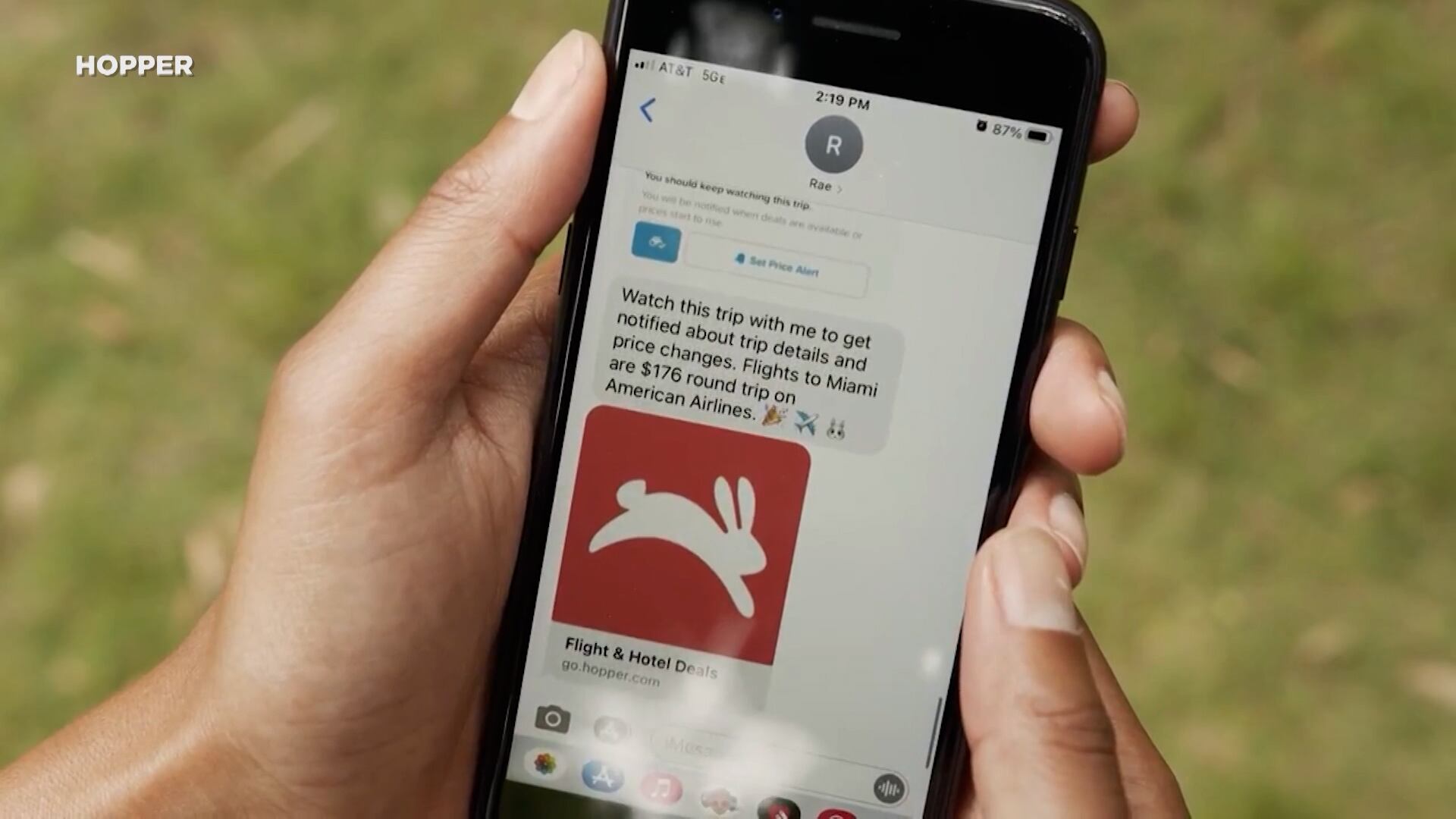
Trip.com is now adding Hopper's price freeze feature for its users. The feature will help travelers save money by protecting them from pricing volatility when booking their next trip. The company is the first online travel agency to partner with Hopper's B2B initiative, Hopper Cloud. Dakota Smith, chief strategy officer at Hopper, joins Cheddar News to walk us through the feature and how the company is addressing Omicorn concerns.
Ahead of the new year, award-winning journalist and TV anchor Soledad O'Brien and financial expert Jean Chatzky are teaming up to launch a brand-new podcast called "Everyday Wealth," aimed at helping listeners unlock their financial potential. O'Brien and Chatzky joined Cheddar's "Opening Bell" to discuss which topics to expect, as well as the importance of financial literacy. "I think what I'm good at is asking uncomfortable questions," said O'Brien, detailing how the podcast might stand out from others. "And sometimes when it comes to talking about money, a lot of those questions are uncomfortable."
As companies figure out how to adapt to the ever-changing COVID world, mergers and acquisitions are on the rise. A new report from PwC reveals 2021 saw the most megadeals, transactions of at least $5 billion, in the U.S. Colin Wittmer, PwC's U.S. deals leader, tells Cheddar how companies can set themselves up for deals success.
The last year saw a massive uptick in CEO turnover, with over 1,200 chief executives leaving their posts in 2021. According to a recent report from Challenger, Gray & Christmas, the main reasons cited were talent management, retention, hiring, and reimagining the workplace post-covid. Andrew Challenger, Senior Vice President, Challenger, Gray & Christmas, Inc. joined Cheddar's Opening Bell to discuss.
As supply chain issues continue to impact holiday shopping, many consumers are discovering that certain items are harder to find and are more expensive than in past years. However, secondary market platforms are one solution to that problem, offering shoppers an alternative place to find their favorite gifts. Jesse Einhorn, StockX senior economist, joined Cheddar to discuss how are platforms like StockX are a viable way for shoppers to avoid supply chain delays this holiday season.