*By Bridgette Webb and Amanda Weston*
Tesla's board is going ahead with its review of Elon Musk’s gambit to take the company private, though there's still lots of skepticism around the deal and its various backers.
"We still don't know who the backer is and what the deal structure will end up looking like," said Christian Prenzler, vice president of business development at Teslarati. "I definitely wouldn't bet against the deal's existence or the gravity it brings to what we know as Tesla on the NASDAQ."
Musk's plan, announced on Twitter on Tuesday, would take the electric carmaker private at a price of $420 a share. He's argued that Tesla would be less disruptive as a private company. It would also allow the company to escape the glaring spotlight of fluctuating stock prices, mounting questions on model 3 production goals and quarterly reports.
Investors may see an upside in such a move, according to Prenzler, and a number of potential backers have been rumored, including the Saudi Wealth Fund, Tencent and Softbank.
"It’s being pitched like an investment in a company like Uber," Prenzler said. "It’s a long-term plan. They’re betting on Musk making a million cars in a year. "
Still, Prenzler sees value in keeping Tesla public.
"It’s very healthy for a company to be public, to be under the public eye, to have a lot of accountability. And to be forced into really revealing a lot of information and going into some of these rough times," Prenzler said.
Jason Moser, an analyst at The Motley Fool, said in a separate interview with Cheddar that Musk's ambitions require "extremely long-term thinking," and may be more suitable for a private company.
"In order to be as successful as possible, I think he would rather be able to run this business without being held to sort of arbitrary guidelines perhaps that Wall Street throws out there on a quarterly basis," Moser said.
SpaceX, another one of Musk's companies, has been able to function out of the spotlight, allowing Musk to execute long-term planning.
"With Tesla, I love what he's doing. I think the world needs more of what they're doing, and I think that getting out of the public scrutiny and public markets would probably give him the best opportunity to go ahead and execute that," Moser said.
Like Prenzler, Moser thinks that Musk will get his way, eventually.
"When he wants something, he can get it because he's relentless," said Moser. "He keeps at it until he figures out a way, so if he really wants to take this business private, and it sounds like he does, I don't think he's going to have a problem getting there."
For more on this story, [click here](https://cheddar.com/videos/the-next-era-for-tesla).
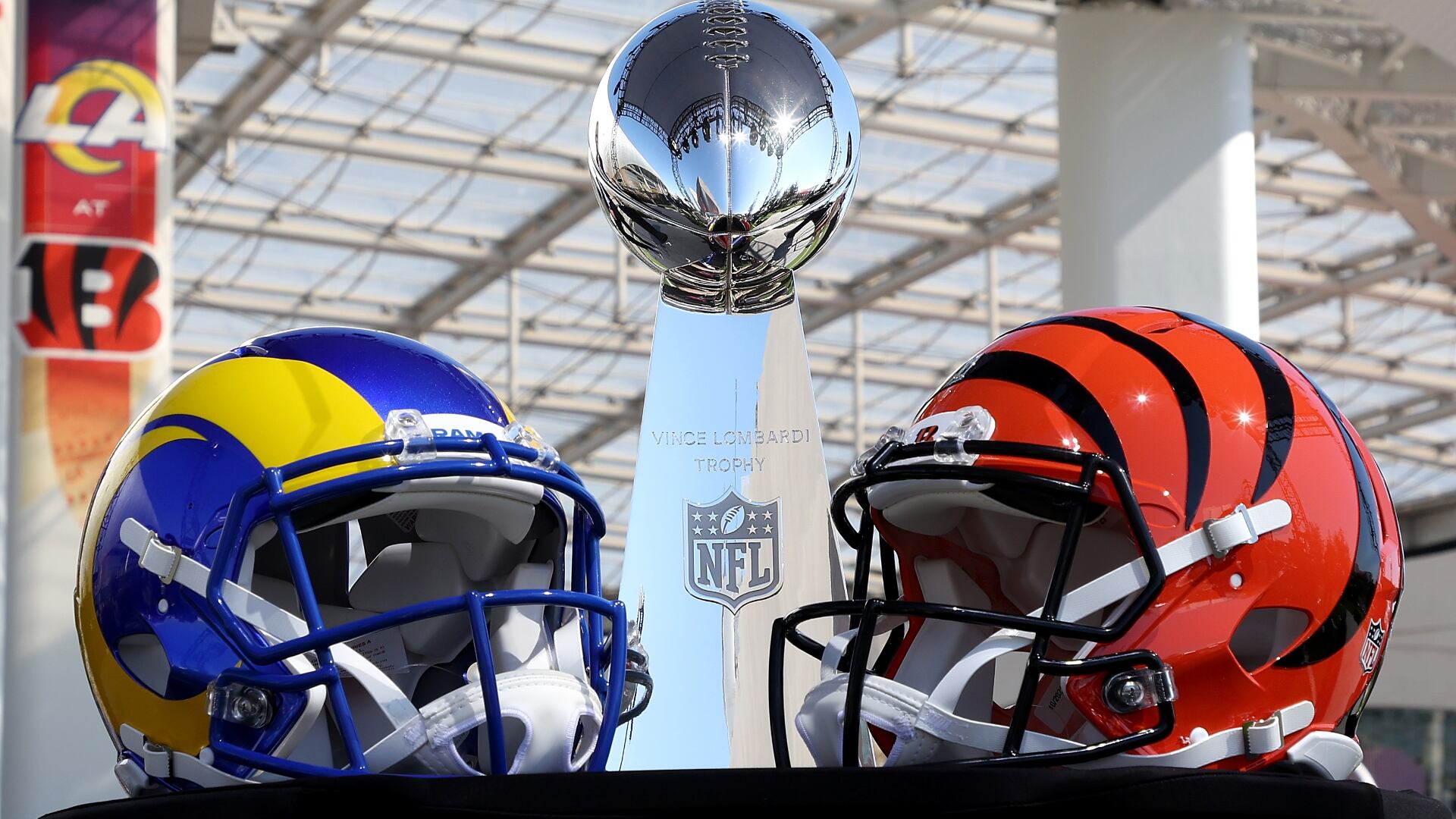
The Super Bowl is only a few days away, and the game is currently tracking to be the most expensive one ever.
Gametime, a website and app for last-minute tickets, says the average ticket price for the NFL's championship game is $9,502.50, with the most expensive seats costing nearly $38,000. That's a far cry away from the average ticket price of the first-ever Super Bowl in 1967, which was only $12. The average ticket price increased by more than $8,000 in just the past decade. Matt Rados, Senior Operations Manager at Gametime, joins Cheddar News' Closing Bell to discuss.
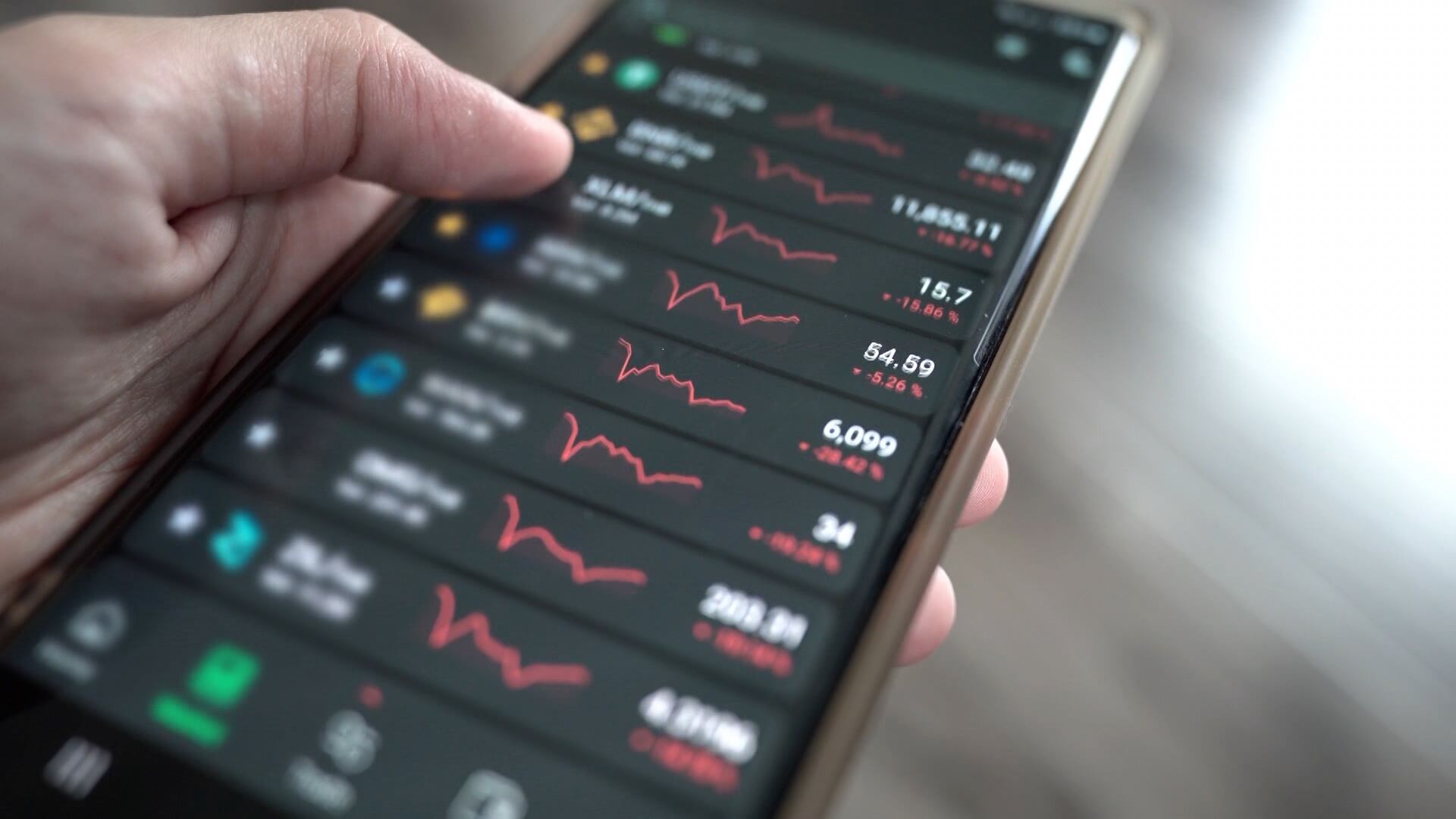
Earlier this week, digital investment advisor Betterment announced that it has hired Makara, a company known for its management of cryptocurrency portfolios. Sarah Levy, CEO of Betterment, joins Cheddar News' Closing Bell, where she explains why crypto represents such a promising long-term play and how her company stands to benefit from this latest move.
At-home medical labs company Getlabs raised $20 million in a Series A round, led by Emerson Collective and the Minderoo Foundation. Getlabs aims to be the boots-on-the-ground partner to telehealth. The company says more than 70% of medical decisions still require collecting diagnostic tests in person, and that it fills that void by delivering health care directly to their patients' homes. Founder & CEO of Getlabs Kyle Michelson joined Cheddar News' Closing Bell to discuss.
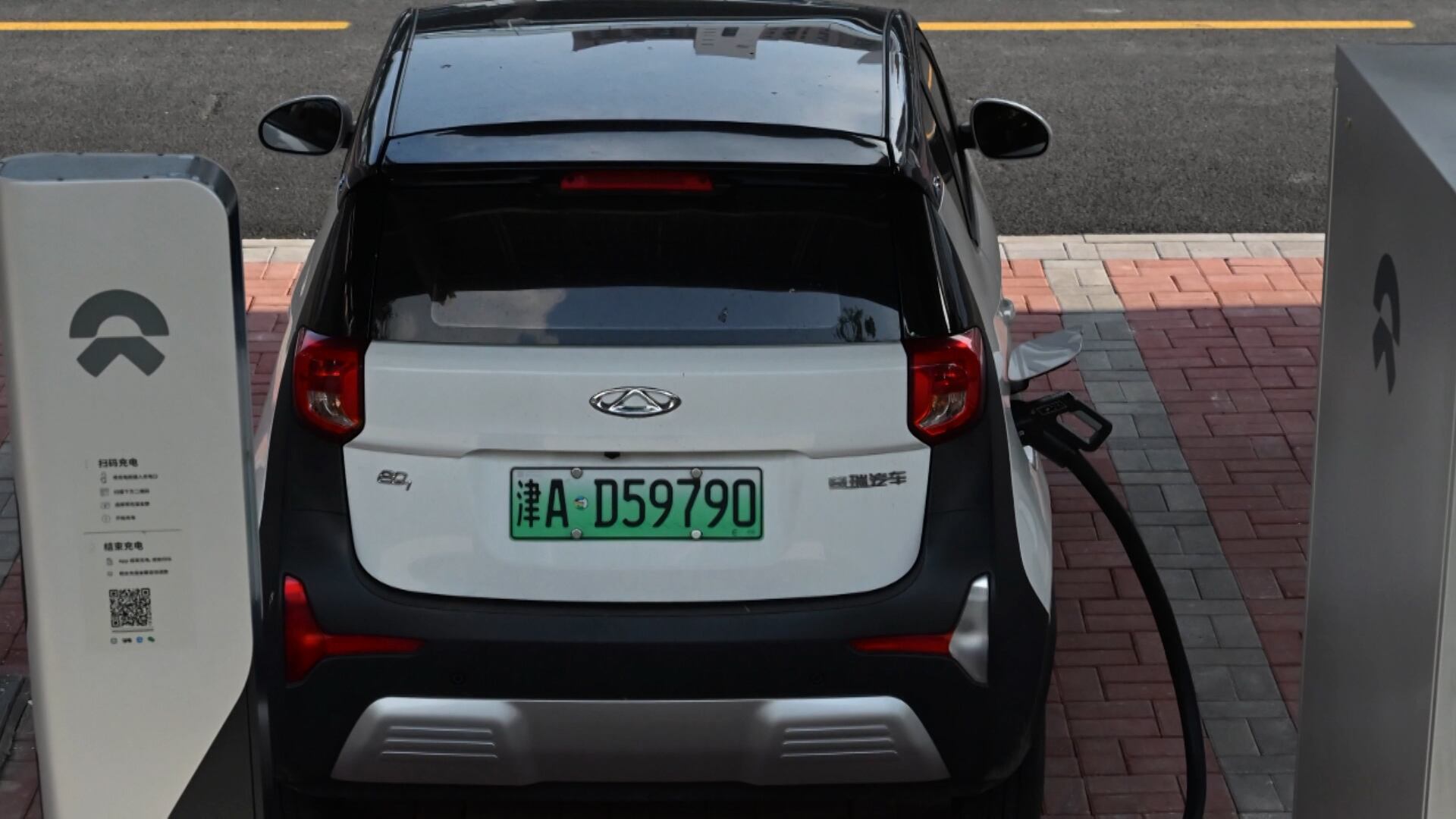
The White House laid out plans for a $5 billion investment into a national network of charging stations to ease EV driving anxiety. Bruce Brimacombe, CEO of EV infrastructure GOe3 joined Cheddar News to discuss how much needs to be done for drivers to get over the fear of running out of energy. "People need to be able to do what they're doing now," he said. "But that is the way that if you're going to buy an electric car, you got to feel like you're not changing your world." Brimacombe noted that building out the infrastructure between cities was GOe3's own focus.
Sonos reported better than expected Q1 earnings amid chip shortage with the release of its Roam product. CFO Brittany Bagley joined Cheddar News to discuss the smart speaker maker's successful report and its plans to hit its 2024 targets as people leave their homes as pandemic restrictions ease. "Even as people head out in the world, it doesn't mean they don't like to listen to music at home or watch a streaming movie at home," she said. "So there's still a real role for us and our products in peoples lives, sort of, no matter what else they're doing."
Kalle Marsal, Chief Operating Officer at PetDx, joins Cheddar Innovates to discuss how next-generation sequencing technology is being used to detect cancer in pets early.
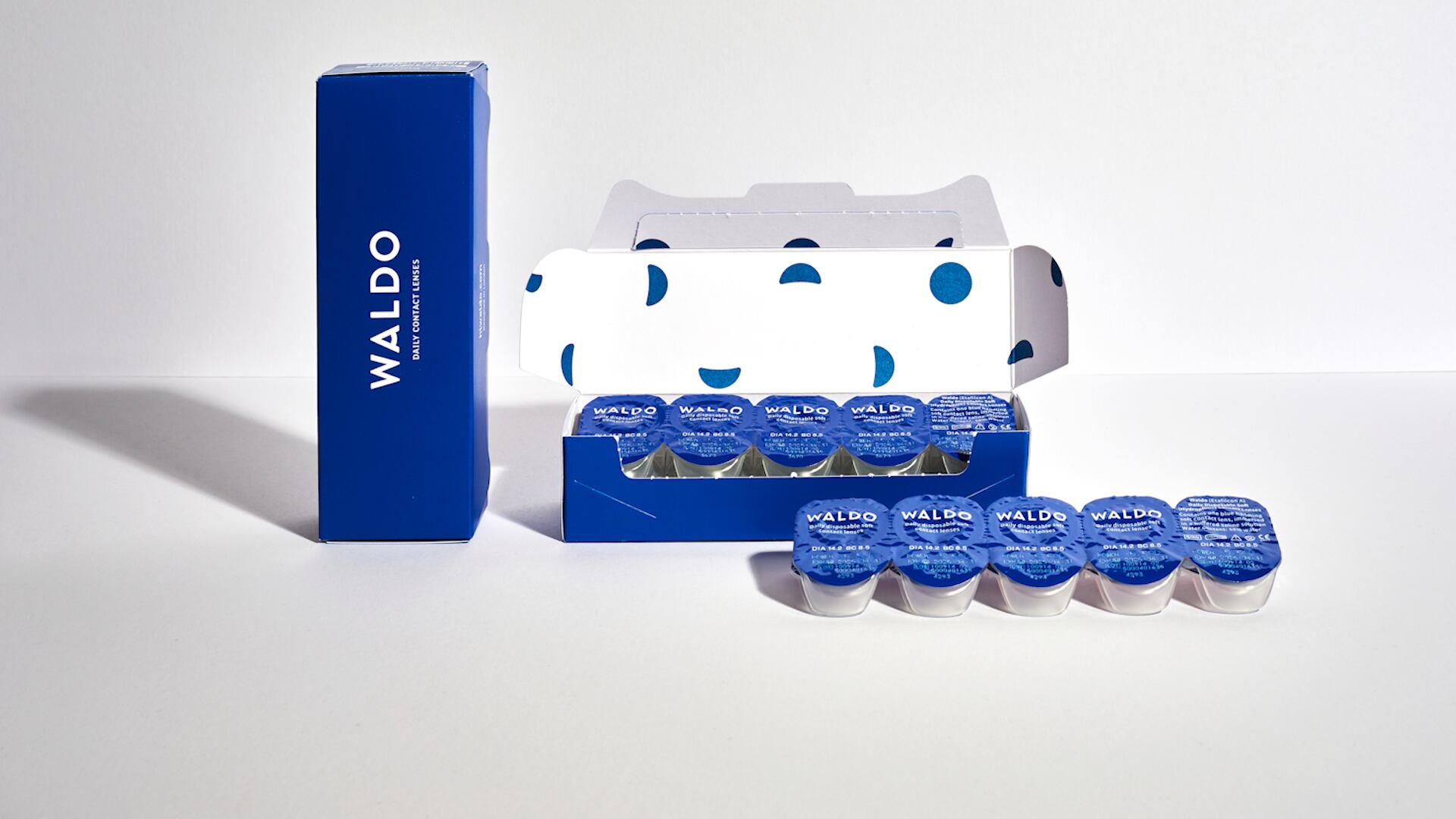
Ashleigh Hinde, Founder and CEO of WALDO, joins Cheddar Innovates to discuss why now is a good time to make eyecare a priority, and how they are democratizing access to eyecare for all.
On this episode of Cheddar Innovates: WALDO CEO breaks down why now is a good time to make eyecare a priority, and how they are democratizing access to eyecare for all; COO at PetDx explains how next-generation sequencing technology is being used to detect cancer in pets early; Cheddar gets a look at Curiosity Stream's 'Inside The Mind of a Con Artist.'