Web browser Mozilla is investing $30 million into launching a startup, called Mozilla.ai, focused on building a "trustworthy, independent, and open-source AI ecosystem."
The company wrote in a blog post about the investment: "This new wave of AI has generated excitement, but also significant apprehension. We aren’t just wondering What’s possible? and How can people benefit? We’re also wondering What could go wrong? and How can we address it? Two decades of social media, smartphones and their consequences have made us leery."
Mozilla said it still sees the potential of AI to enrich peoples' lives, but it doesn't see those positive effects coming from "big tech and cloud companies with the most power and influence."
The company pitched Mozilla.ai as a "counterweight to the status quo" that will make "generative AI safer and more transparent." Moez Draief, who researched AI at Imperial College and LSE, will lead the initiative.
The boys discuss President Biden's plans to send out free rapid tests as the testing supply chain starts to buckle ahead of the holidays. Also, why aren't Americans having more babies, and The Matrix returns.
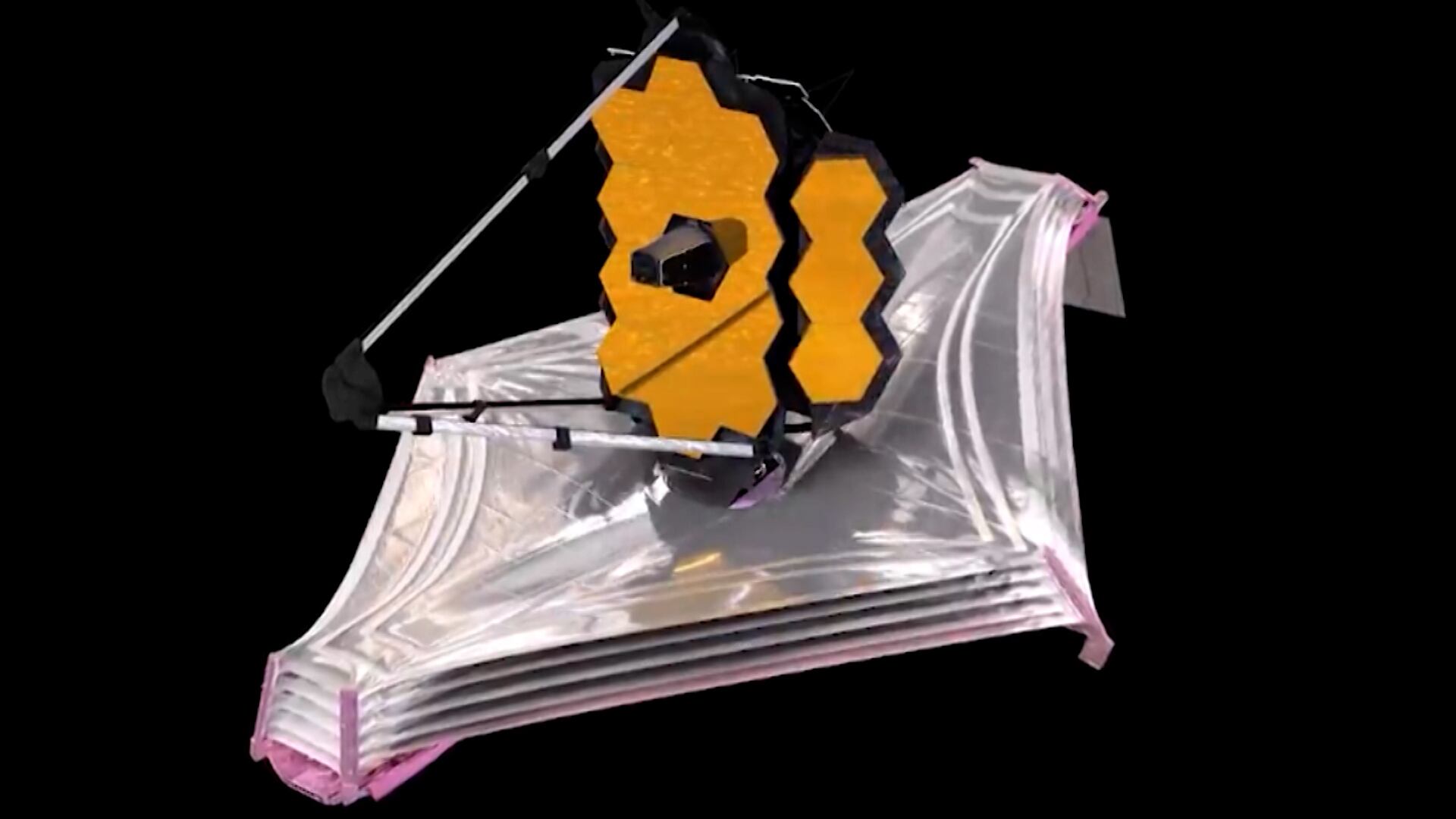
NASA is launching its new generation of space telescopes just before Christmas. The James Webb Space Telescope, set to launch on December 24th, will succeed the Hubble space telescope as the world's most powerful complex space observatory. The project has been 30 years in the making and is one of the most highly anticipated space science missions of the 21st century. Klaus Pontoppidan, astronomer and JWST Project Scientist at the Space Telescope Science Institute joined Cheddar's Opening Bell to discuss.
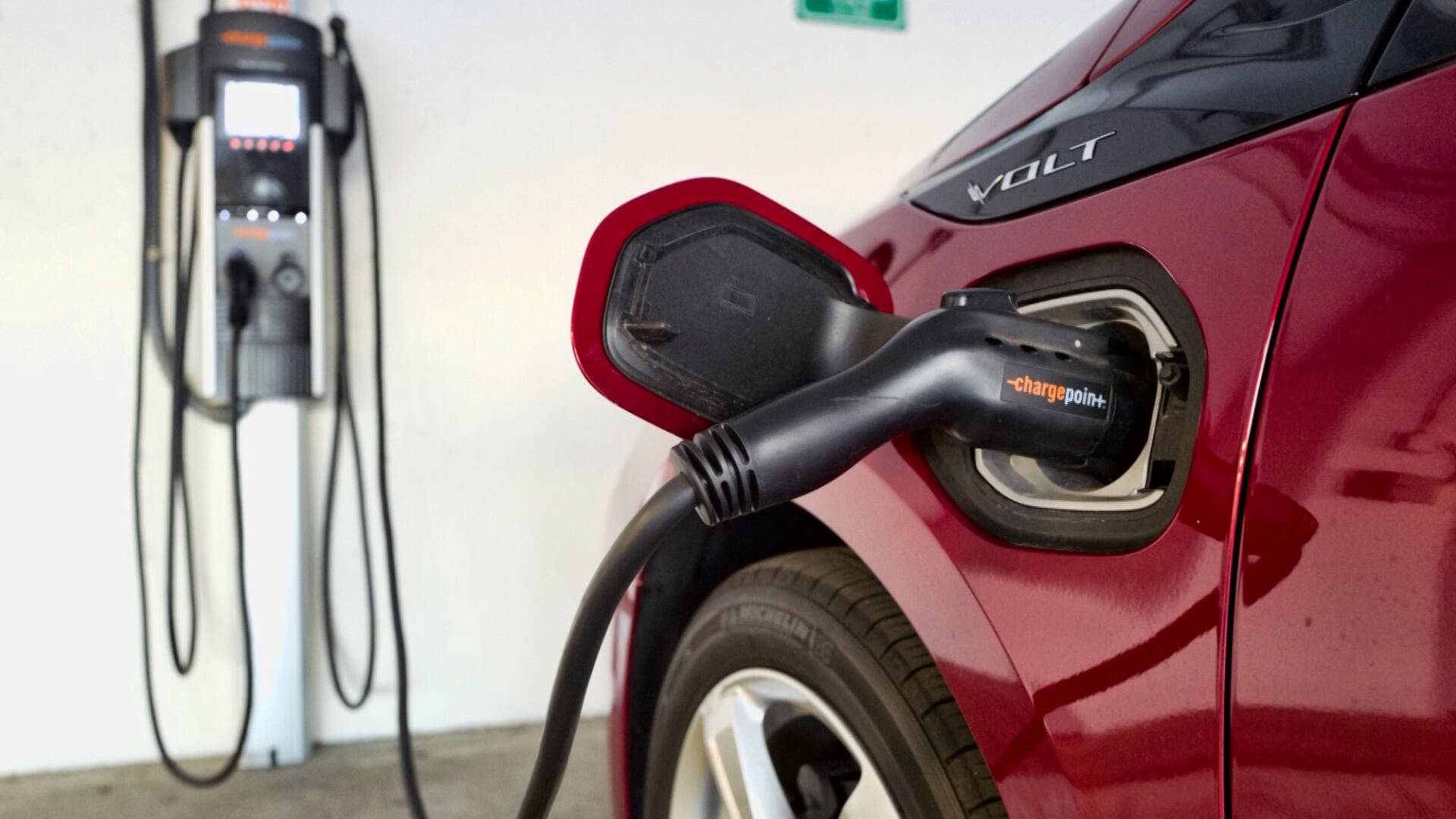
Electric vehicle companies took a tumble Monday after Senator Joe Manchin killed Biden's 'Build Back Better' plan. Shares of Tesla, Lucid, and Rivian all fell rapidly as the plan had included significant incentives for the growing EV sector. Rich Steinberg, former executive at Nissan, BMW and Electrify America joined Cheddar's Opening Bell to discuss.
As the popularity of Bitcoin and other digital tokens grew this year, more financial institutions and payment apps added ways for customers to trade or make payments using cryptocurrency. Meanwhile, companies like theater chain AMC started accepting major cryptocurrencies for tickets and concessions, and retailers are rumored to be entering the space soon. What does this mean for cryptocurrency's wider adoption — and will 2022 be the year that the average consumer is exposed to digital coin payments on a regular basis? João Almeida, Co-Founder and CTO of OpenNode joins Cheddar News' Crypto Craze: The Year of the Token to discuss.
Bitcoin had a successful 2021: reaching a new high of nearly $70,000, a $1 trillion market cap, and becoming legal tender in El Salvador. Investors also got the chance to invest in three Bitcoin futures-backed ETFs once they were approved. These developments set up the world's best-known digital coin for more success in 2022, but could altcoins like Ethereum, Litecoin, and others move into the top spot or impact Bitcoin's value? Matt Hougan, CIO of Bitwise Asset Management, joins Cheddar's Crypto Craze: The Year of the Token to discuss his 2022 outlook for Bitcoin, whether we could see an ETF backed by a physical coin, and more.
Coming off a 2021 campaign where the prices of Bitcoin, Ether, and other cryptocurrencies reached unpreceded levels, Bitwise Asset Management CIO Matt Hougan and OpenNode Co-Founder & CTO João Almeida join Cheddar News' Crypto Craze: The Year of the Token to discuss the ways the crypto market can soar even higher in 2022.