Web browser Mozilla is investing $30 million into launching a startup, called Mozilla.ai, focused on building a "trustworthy, independent, and open-source AI ecosystem."
The company wrote in a blog post about the investment: "This new wave of AI has generated excitement, but also significant apprehension. We aren’t just wondering What’s possible? and How can people benefit? We’re also wondering What could go wrong? and How can we address it? Two decades of social media, smartphones and their consequences have made us leery."
Mozilla said it still sees the potential of AI to enrich peoples' lives, but it doesn't see those positive effects coming from "big tech and cloud companies with the most power and influence."
The company pitched Mozilla.ai as a "counterweight to the status quo" that will make "generative AI safer and more transparent." Moez Draief, who researched AI at Imperial College and LSE, will lead the initiative.
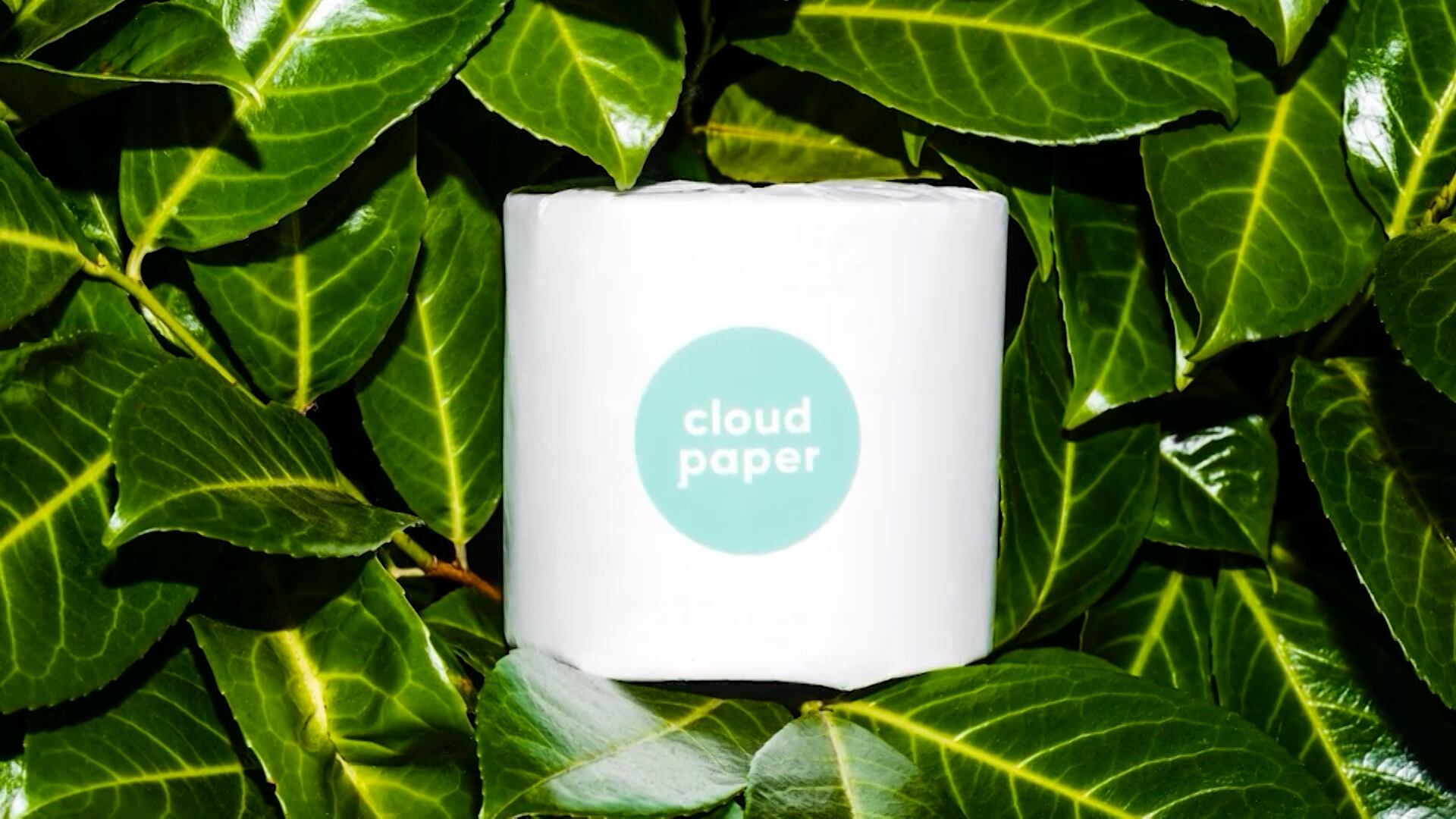
Bamboo-based toilet paper company Cloud Paper raised $5 million in a recent funding round. Its product is a bamboo-based alternative to traditional toilet paper made from trees, and its mission is to end the deforestation caused by traditional paper products. Cloud Paper says the raise will allow it to make significant investments in its supply chain, product development, and hiring. Ryan Fritsch, a co-founder of Cloud Paper, joined Cheddar News' Closing Bell to discuss.
The Biden Administration has now issued new guidelines when it comes to carbon capture. The new guidelines handed down this week encouraged the widespread use of climate attacks that traps and stores carbon emissions. The goal here is the process would help keep carbon out of the atmosphere without requiring a whole lot of change by big companies and manufacturing plants. Several scientists say that this method would be crucial to help us decrease the use of carbon emissions by the year 2050. Professor of Civil and Environmental Engineering at Stanford University, Mark Jacobson, joined Cheddar to discuss more.
Ellen Goodwin, Co-Founder and Chief Solutions Officer of Artifcts, joins ChedHER to discuss how she's creating a platform to preserve the history of your belongings, and her experience succeeding in male-dominated industries.