An 'open house' flag is displayed outside a single-family home on September 22, 2022 in Los Angeles, California. (Photo by Allison Dinner/Getty Images)
The average long-term U.S. mortgage rate rose again this week, bad news for Americans seeking to upgrade or buy their first home.
The average rate on the 30-year home mortgage rate ticked up to 6.90% this week from 6.81% a week ago. A year ago, the benchmark home loan rate stood at 4.99%, mortgage buyer Freddie Mac reported Thursday.
The average rate on 15-year fixed-rate mortgages, popular with those refinancing their homes, climbed to 6.25% from 6.11% last week. A year ago, it was 4.26%.
High rates can add hundreds of dollars a month in costs for borrowers, limiting how much they can afford in a market already overpriced for many Americans.
High inflation has driven the Federal Reserve to raise its benchmark interest rate 11 times since March 2022. Its fed funds rate has hit the highest level in 22 years.
Inflation has come down steadily since last summer, and many analysts believe the Fed has reached the end of its rate hikes.
Mortgage rates don’t necessarily mirror the Fed’s rate increases, but tend to track the yield on the 10-year Treasury note. Investors’ expectations for future inflation, global demand for U.S. Treasurys and what the Fed does with interest rates can influence rates on home loans.
The average rate on a 30-year mortgage remains more than double what it was two years ago, when ultra-low rates spurred a wave of home sales and refinancing. The far higher rates now are contributing to a dearth of available homes. Homeowners who locked in those lower borrowing costs two years ago are reluctant to sell and jump into a higher rate on a new property.
Fewer Americans applied for jobless claims last week as the labor market continues to thrive despite the Federal Reserve's efforts to cool the economy and tamp down inflation.
Stocks rallied after a group of big banks offered a lifeline to the bank Wall Street had zeroed in on in its hunt for the next victim in the industry’s struggles.
The Federal Reserve on Wednesday evening said its long-awaited digital payment system, the FedNow Service, will start operating in July. The service is designed to provide a national platform for financial institutions to settle payments in real-time and at lower cost. That could include large banks, payment processors, and the U.S. Treasury.
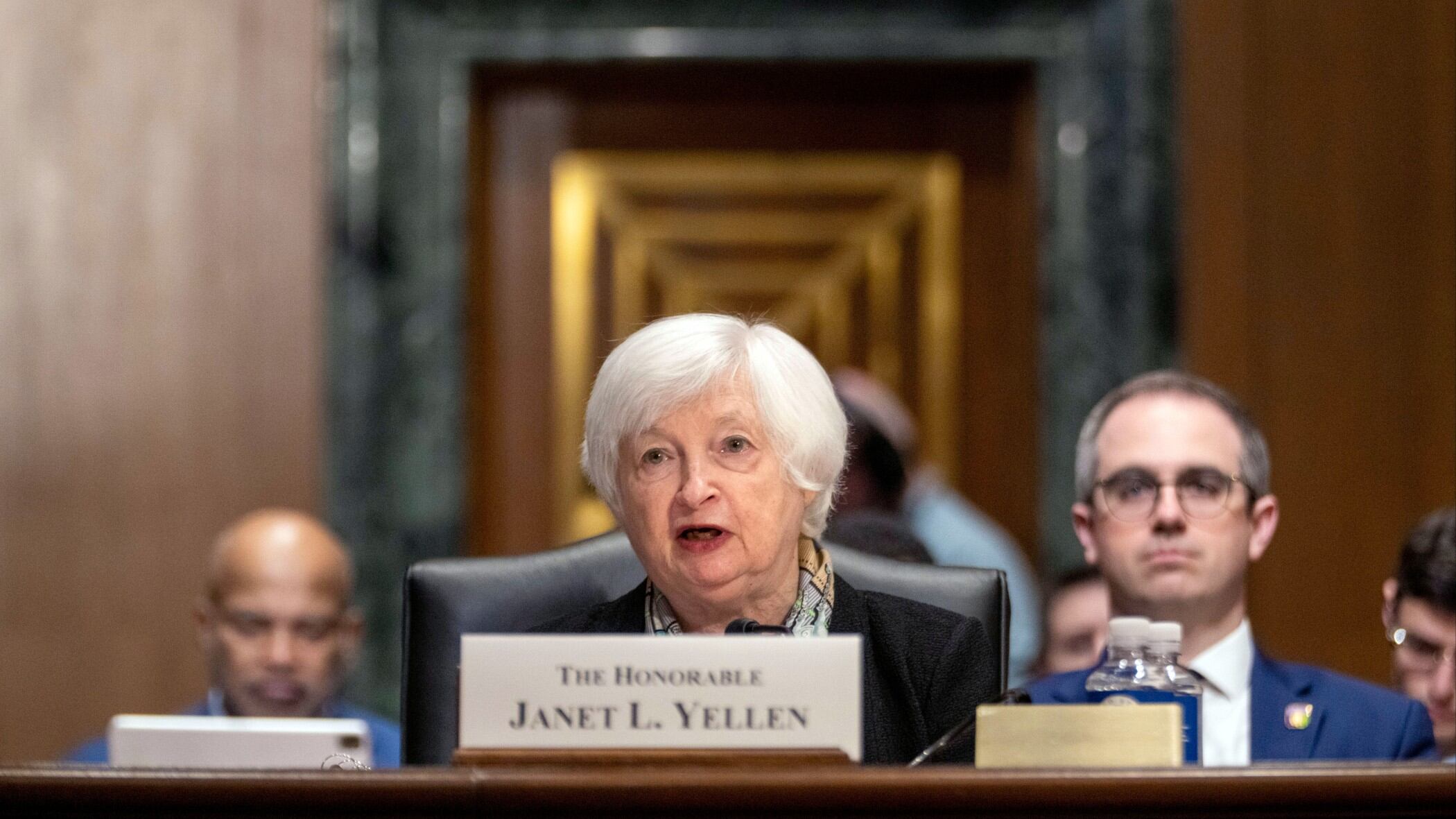
A week after the second-largest bank collapse in U.S. history, Treasury Secretary Janet Yellen is set to tell the Senate Finance Committee that the nation's banking system “remains sound” and Americans "can feel confident” about their deposits.
Kellogg announced last year that it was splitting into two companies, one focused on snacks and the other on cereal. Now it's revealed what those new companies will be called. The cereal business will retain the name Kellogg's, while the snack business will be called Kellanova.
Credit Suisse’s shares have soared 30% after it announced it will move to shore up its finances by borrowing up to nearly $54 billion from the Swiss central bank.