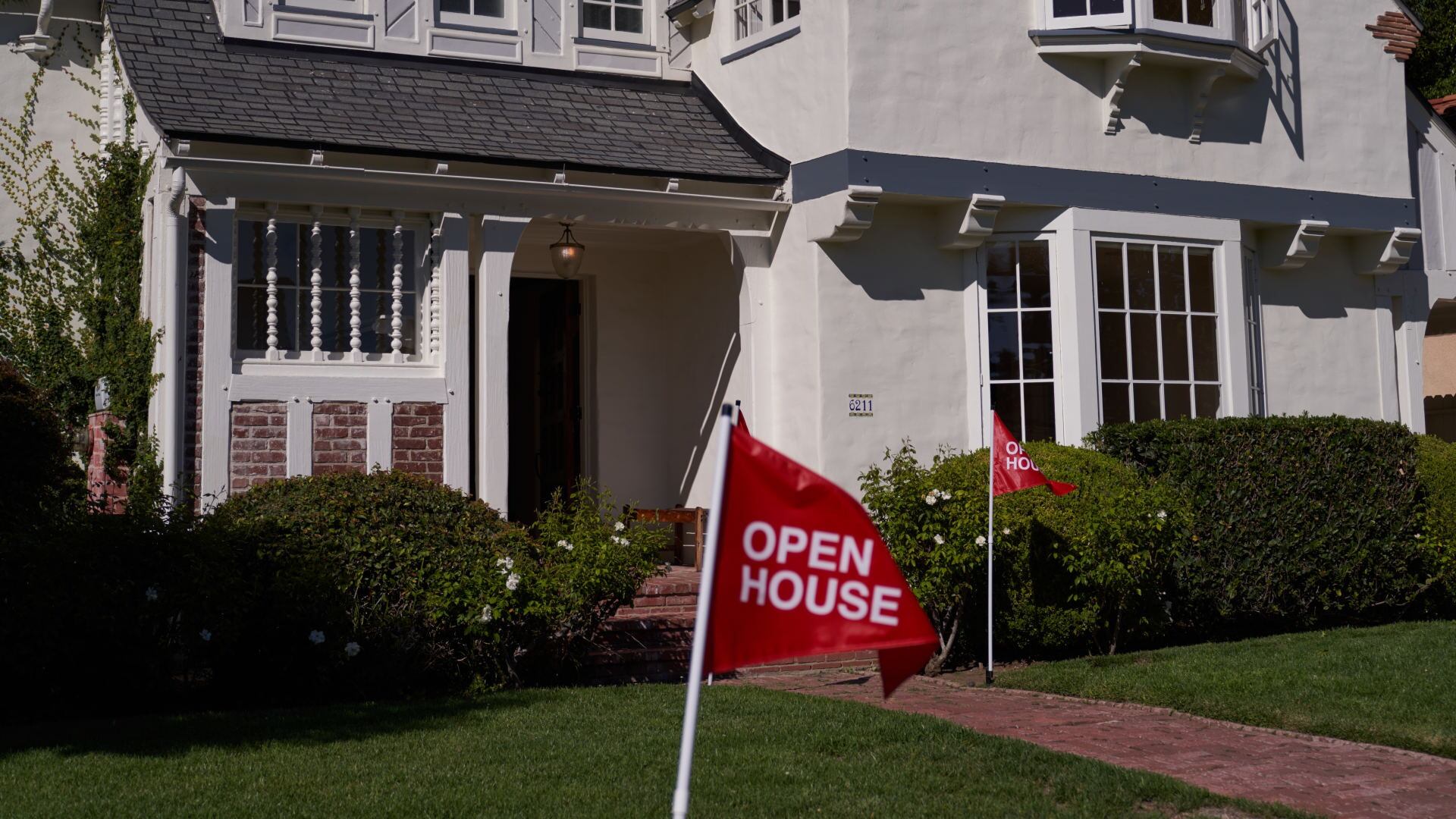
The average long-term U.S. mortgage rate rose again this week, bad news for Americans seeking to upgrade or buy their first home.
The average rate on the 30-year home mortgage rate ticked up to 6.90% this week from 6.81% a week ago. A year ago, the benchmark home loan rate stood at 4.99%, mortgage buyer Freddie Mac reported Thursday.
The average rate on 15-year fixed-rate mortgages, popular with those refinancing their homes, climbed to 6.25% from 6.11% last week. A year ago, it was 4.26%.
High rates can add hundreds of dollars a month in costs for borrowers, limiting how much they can afford in a market already overpriced for many Americans.
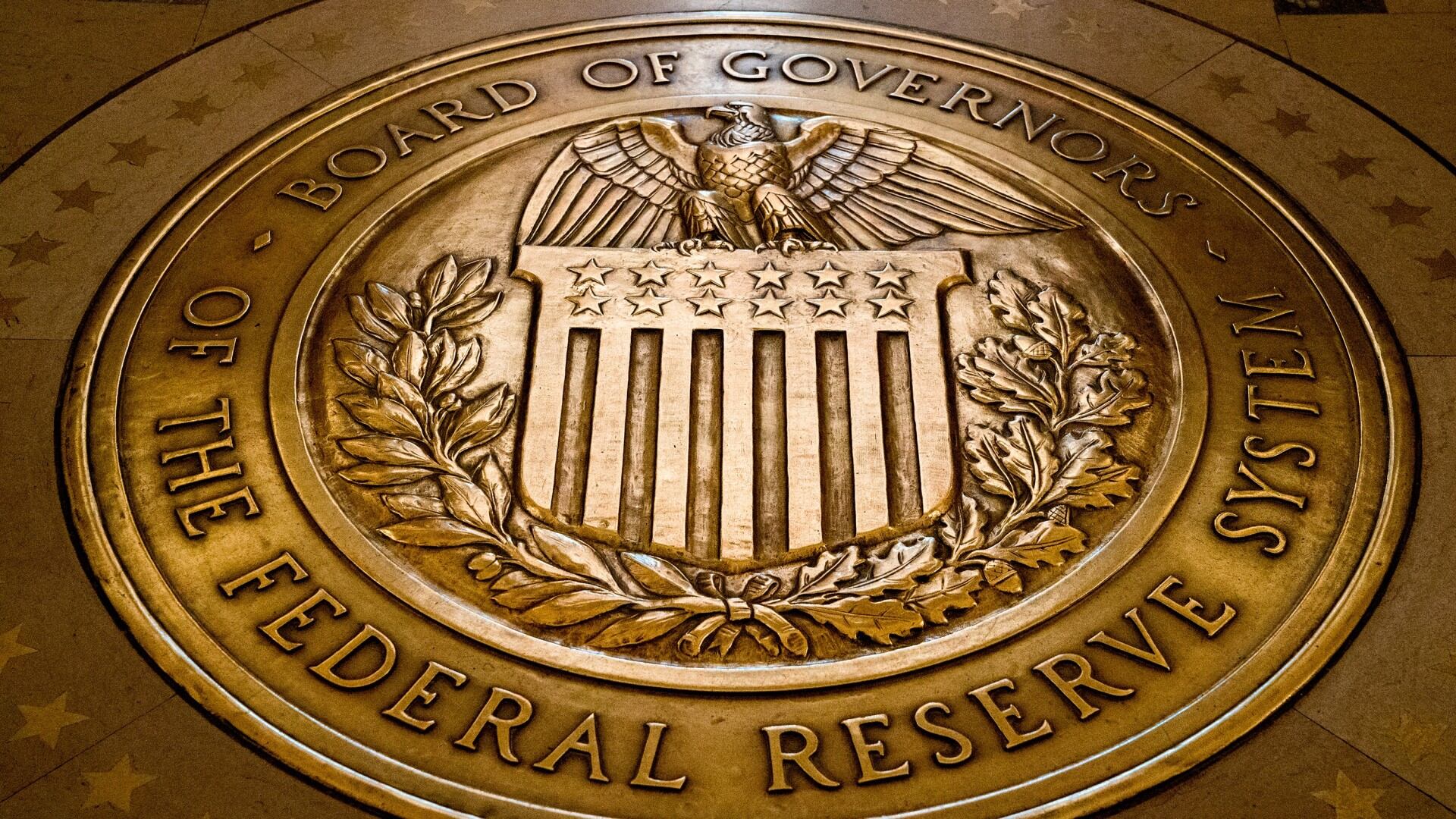
High inflation has driven the Federal Reserve to raise its benchmark interest rate 11 times since March 2022. Its fed funds rate has hit the highest level in 22 years.
Inflation has come down steadily since last summer, and many analysts believe the Fed has reached the end of its rate hikes.
Mortgage rates don’t necessarily mirror the Fed’s rate increases, but tend to track the yield on the 10-year Treasury note. Investors’ expectations for future inflation, global demand for U.S. Treasurys and what the Fed does with interest rates can influence rates on home loans.
The average rate on a 30-year mortgage remains more than double what it was two years ago, when ultra-low rates spurred a wave of home sales and refinancing. The far higher rates now are contributing to a dearth of available homes. Homeowners who locked in those lower borrowing costs two years ago are reluctant to sell and jump into a higher rate on a new property.