*By Conor White*
With the Cambridge Analytica scandal barely behind it, Facebook is suspending another data firm for its use of user data.
The company is investigating Boston-based Crimson Hexagon for possible ties to a Kremlin-linked Russian nonprofit and the U.S. government.
But Michael Nuñez, Deputy Tech Editor for Mashable, [thinks there's an important public-private distinction.](https://mashable.com/2018/07/20/facebook-suspends-crimson-hexagon/)
"In this case, what \[Crimson Hexagon\] has done is actually take public posts, so this is stuff that people had allowed the public to have access to."
As Nuñez noted, Crimson Hexagon hasn't violated any of Facebook's rules, per se. Cambridge Analytica, on the other hand, was dumped after [extracting](https://www.theguardian.com/uk-news/2018/mar/26/cambridge-analytica-trump-campaign-us-election-laws) private user data and allegedly violating U.S. law by unfairly influencing the 2014 and 2016 election cycles.
But Nuñez warned, this could be just the beginning.
"I question whether \[Facebook\] has any grip on how many companies are out there like this," he said. "The tricky part about this is once the data leaves Facebook's platform, once a company siphons this off of Facebook using their API, then it's really hard for Facebook to know where that data is going."
Despite the latest news, Nuñez said it will take a lot more bad news to cripple the resilient social media giant.
"The trove of data is still there, they still have two billion users that any advertiser can access at any point, so I think it's going to take a lot to derail the company," he said.
The Cambridge Analytica scandal broke late in the first quarter, so had limited impact on the company's last earnings report. Facebook releases second quarter results on Wednesday.
For the full interview, [click here](https://cheddar.com/videos/facebook-suspends-another-data-firm).
U.S. automaker General Motors and Korean chemical giant LG Chem will invest $2.3 billion by 2023 in a new joint venture to create battery cells for electric cars in Lordstown, Ohio.
CEO Zac Prince said the decision to build a trading function was a response to feedback from existing users interested in buying and selling crypto assets on the same platform they already keep their funds.
The retail giant invested $250 million in interactive video platform Eko last year. Eko creates choose-your-own adventure shows for the modern age.
Critics slammed Amazon.com for selling Christmas ornaments, bottle openers and other trinkets that featured scenes of the Auschwitz concentration camp ー all made by a third party seller called "Fcheng."
Offensive trinkets sold on the Amazon Marketplace may be part of a bigger problem facing retailers: the rise of robots using algorithms to generate an endless variety of cheap products--all to entice even one buyer. Juozas Kaziukėnas, founder of e-commerce analysis company Marketplace Pulse, explains how these sellers work.
The automaker and breakfast purveyor announced a collaboration to create plastic vehicle parts out of coffee bean waste from the roasting process.
Expedia's Chief Executive Mark Okerstrom and Chief Financial Officer Alan Pickerill will resign their posts effective immediately. The year has been notable for how many chief executives have resigned, quit, or been forced out.
The San Francisco-based company, led by SoFi's former CEO Mike Cagney, provides fixed-rate Home Equity Lines of Credit (HELOCs) in an all-digital process that promises borrowers decisions in less than five minutes and funding in less than five days.
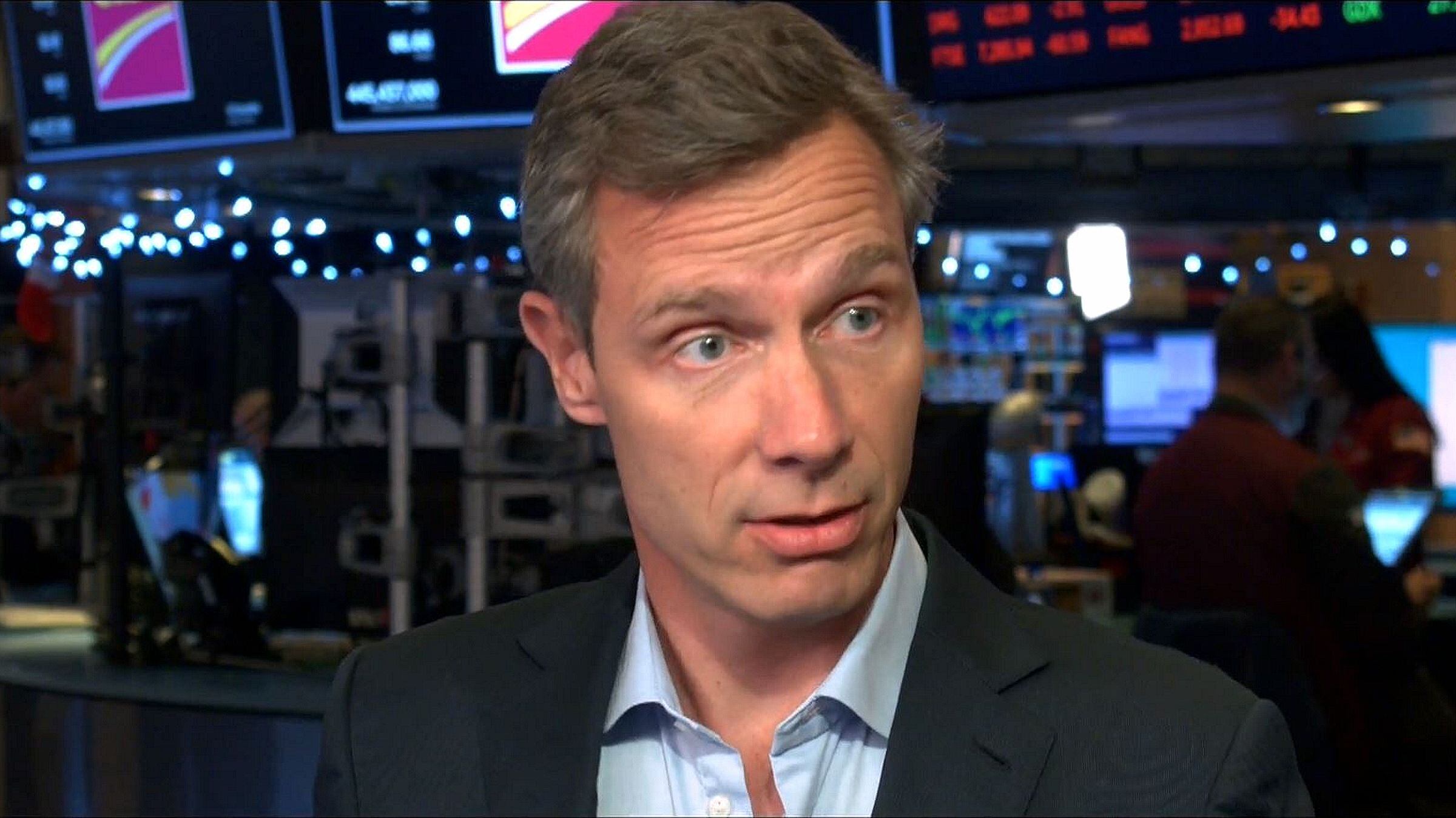
Geoffroy Van Raemdonick, CEO of Neiman Marcus, told Cheddar that the luxury retailer is embracing a guided online shopping experience with the help of personal shoppers and machine learning.
The New York State Department of Financial Services has granted the notoriously tough-to-get BitLicense to the digital bank to trade cryptocurrencies.