*By Conor White*
With the Cambridge Analytica scandal barely behind it, Facebook is suspending another data firm for its use of user data.
The company is investigating Boston-based Crimson Hexagon for possible ties to a Kremlin-linked Russian nonprofit and the U.S. government.
But Michael Nuñez, Deputy Tech Editor for Mashable, [thinks there's an important public-private distinction.](https://mashable.com/2018/07/20/facebook-suspends-crimson-hexagon/)
"In this case, what \[Crimson Hexagon\] has done is actually take public posts, so this is stuff that people had allowed the public to have access to."
As Nuñez noted, Crimson Hexagon hasn't violated any of Facebook's rules, per se. Cambridge Analytica, on the other hand, was dumped after [extracting](https://www.theguardian.com/uk-news/2018/mar/26/cambridge-analytica-trump-campaign-us-election-laws) private user data and allegedly violating U.S. law by unfairly influencing the 2014 and 2016 election cycles.
But Nuñez warned, this could be just the beginning.
"I question whether \[Facebook\] has any grip on how many companies are out there like this," he said. "The tricky part about this is once the data leaves Facebook's platform, once a company siphons this off of Facebook using their API, then it's really hard for Facebook to know where that data is going."
Despite the latest news, Nuñez said it will take a lot more bad news to cripple the resilient social media giant.
"The trove of data is still there, they still have two billion users that any advertiser can access at any point, so I think it's going to take a lot to derail the company," he said.
The Cambridge Analytica scandal broke late in the first quarter, so had limited impact on the company's last earnings report. Facebook releases second quarter results on Wednesday.
For the full interview, [click here](https://cheddar.com/videos/facebook-suspends-another-data-firm).
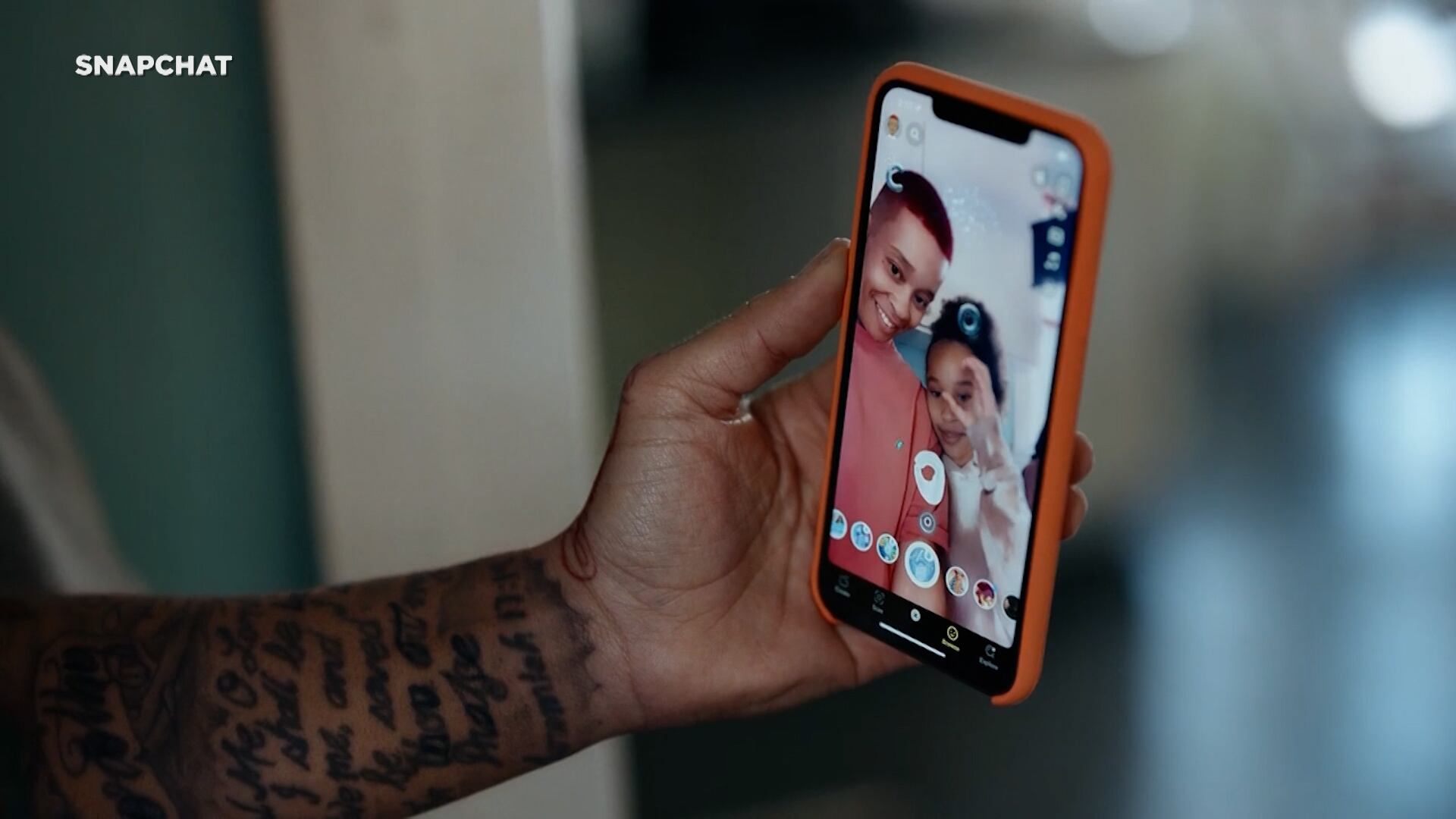
Snapchat has launched its first features to help users learn American Sign Language through its lenses and a game. The project was spearheaded by deaf and hard-of-hearing workers. Cheddar News was joined by Austin Vaday, software engineer at Snap, and his sign language interpreter, Jonathan Webb, to discuss the ASL Fingerspelling Lens and how the project came together. “We wanted to find a way to appropriately and properly educate the community so that folks can communicate with people like me using sign language," Vaday stated.
Brittan Heller, founder of the Center for Digital Civil Rights and a fellow at the Atlantic Council, joins Cheddar News to discuss the rise of sexual assault in the metaverse.
The second-largest stablecoin, USDC, backed by the company Circle recently received a $400 million funding infusion from traditional financial firms like BlackRock and Fidelity even as crypto reels from more high profile heists.
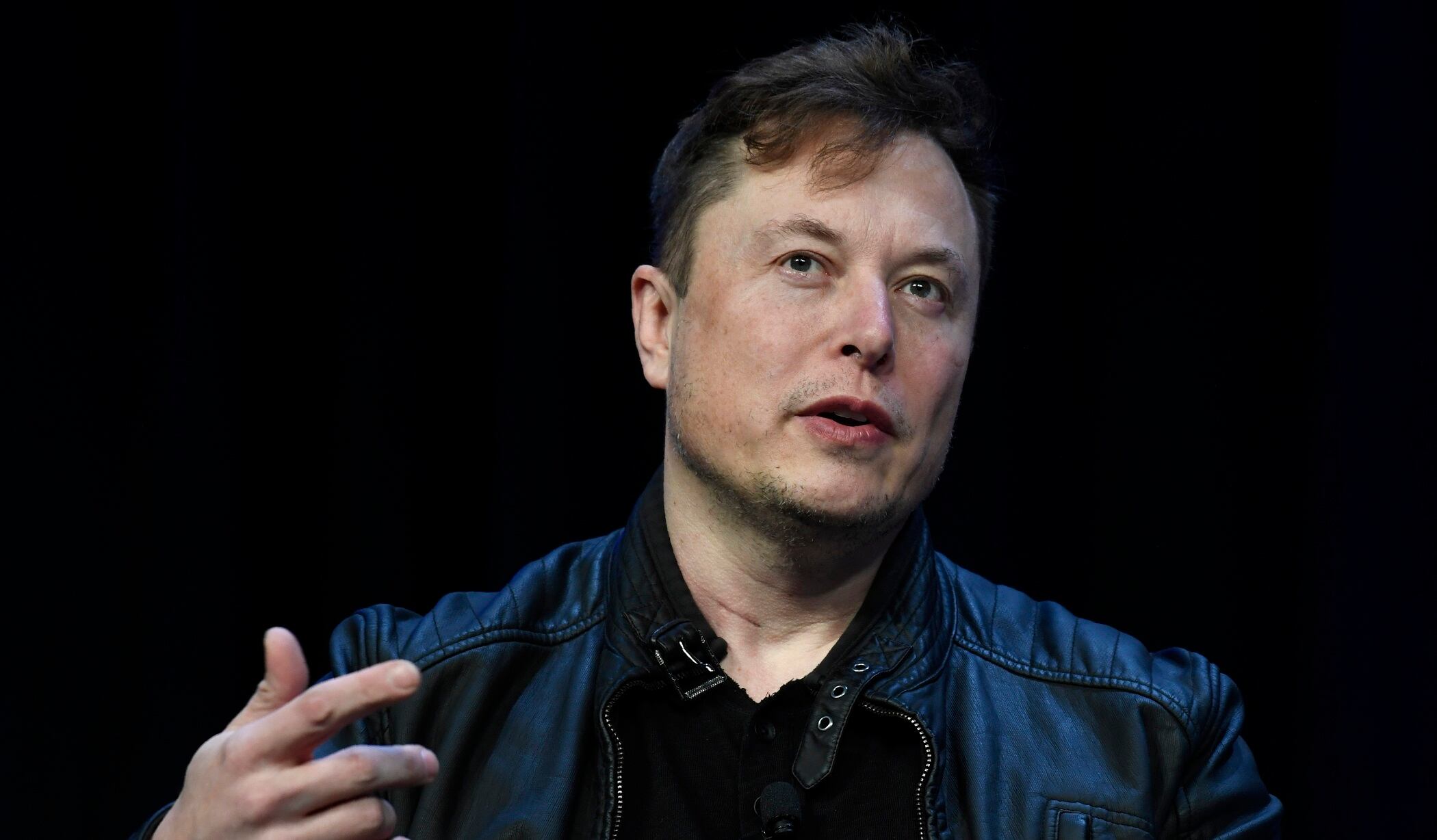
A group of Tesla shareholders suing CEO Elon Musk over some 2018 tweets about taking the company private is asking a federal judge to order Musk to stop commenting on the case.
The Week's Top Stories is a guided tour through the biggest market stories of the week, from winning stocks to brutal dips to the facts and forecasts generating buzz on Wall Street.
Between Bells executive producer Conor White recaps some of the biggest stories of the week, and teaches Azia Celestino and Hena Doba a thing or two at the same time. It's This Week In Trivia!
Josh Thorngren, vice president of growth at the cybersecurity company Torq, joined Cheddar News to talk about staffing shortages hitting his industry, and what he thinks is behind it. "Over 70 percent of cybersecurity professionals say they're unhealthily stressed, and it's stress because we only talk about them when they failed," he said. "That makes the job harder day in and day out, and so it's not just a how do we keep up with the rising challenge, it's how do we actually retain folks who are in these positions today." Thorngren also stated that cybersecurity needs to transform into a less technical field in order to appeal to a bigger group of potential workers.
Twitter said in a statement Friday that its board of directors has unanimously adopted a “poison pill” defense in response to Tesla CEO Elon Musk’s proposal to buy the company and take it private.