*By Conor White*
With the Cambridge Analytica scandal barely behind it, Facebook is suspending another data firm for its use of user data.
The company is investigating Boston-based Crimson Hexagon for possible ties to a Kremlin-linked Russian nonprofit and the U.S. government.
But Michael Nuñez, Deputy Tech Editor for Mashable, [thinks there's an important public-private distinction.](https://mashable.com/2018/07/20/facebook-suspends-crimson-hexagon/)
"In this case, what \[Crimson Hexagon\] has done is actually take public posts, so this is stuff that people had allowed the public to have access to."
As Nuñez noted, Crimson Hexagon hasn't violated any of Facebook's rules, per se. Cambridge Analytica, on the other hand, was dumped after [extracting](https://www.theguardian.com/uk-news/2018/mar/26/cambridge-analytica-trump-campaign-us-election-laws) private user data and allegedly violating U.S. law by unfairly influencing the 2014 and 2016 election cycles.
But Nuñez warned, this could be just the beginning.
"I question whether \[Facebook\] has any grip on how many companies are out there like this," he said. "The tricky part about this is once the data leaves Facebook's platform, once a company siphons this off of Facebook using their API, then it's really hard for Facebook to know where that data is going."
Despite the latest news, Nuñez said it will take a lot more bad news to cripple the resilient social media giant.
"The trove of data is still there, they still have two billion users that any advertiser can access at any point, so I think it's going to take a lot to derail the company," he said.
The Cambridge Analytica scandal broke late in the first quarter, so had limited impact on the company's last earnings report. Facebook releases second quarter results on Wednesday.
For the full interview, [click here](https://cheddar.com/videos/facebook-suspends-another-data-firm).
Jill and Carlo cover the developing story out of suburban Milwaukee, where a speeding SUV careened through a Christmas parade. Looters get more brazen in San Francisco, the missing Chinese tennis star resurfaces, and more.
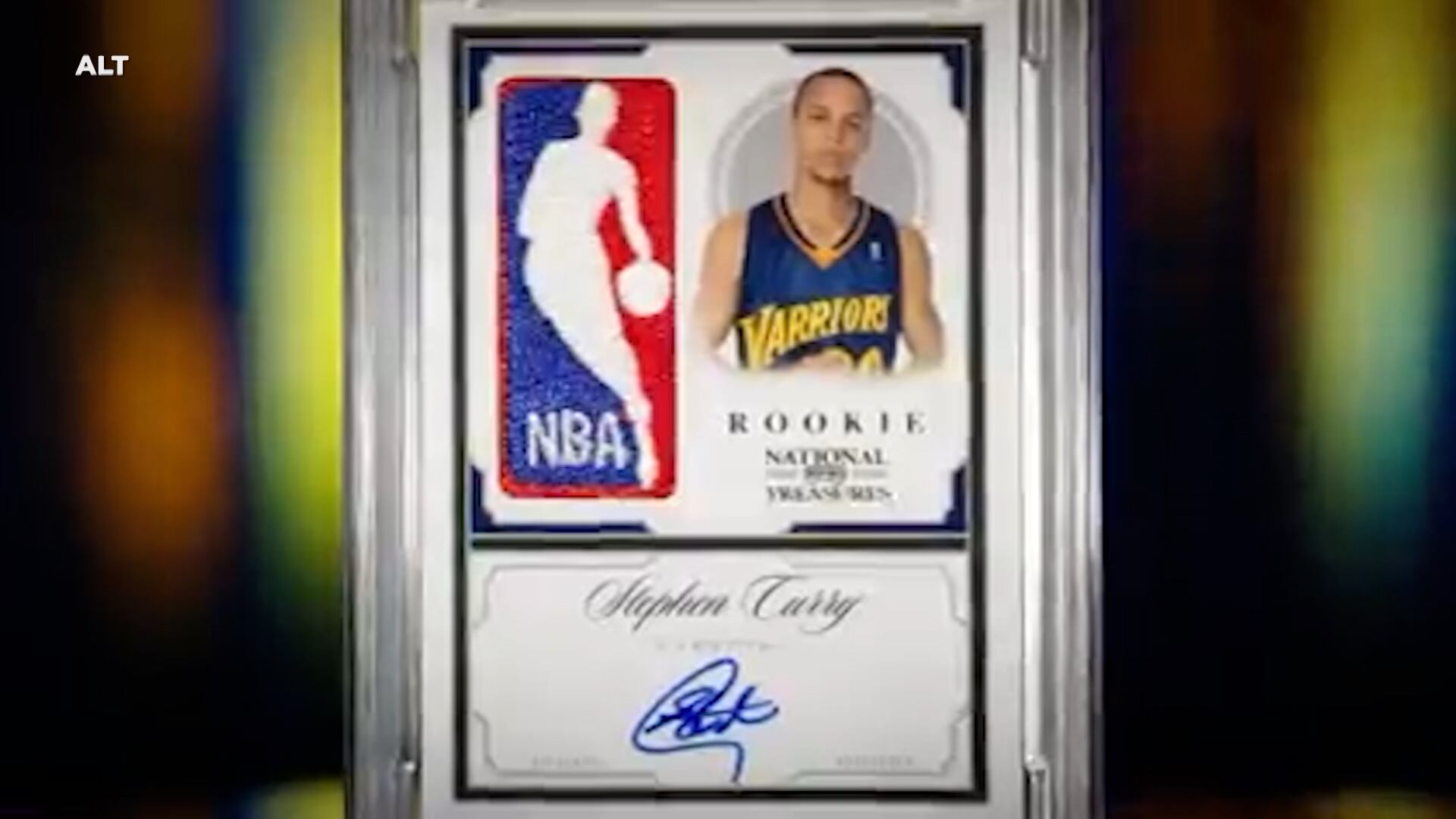
Alternative asset, sports cards-focused platform Alt recently raised $75 million in a Series B round. Alt's platform lets users research, trade, and securely store sports cards and other high-value assets. Right now, the company has more than $70 million worth of cards in its vault. The company is also hoping to get into other assets, including NFTs. Alt CEO Leore Avidar joins Cheddar News' Closing Bell to discuss.
Bitcoin ticked higher Friday but still hit a one-month low amid a broader crypto slump. Investors are eyeing the potential liquidation of payments from collapsed exchange Mt. Gox, alongside the recent debut of three Bitcoin-linked futures ETFs as the SEC continues to avoid approving spot product ETFs. Steve Larsen, Co-Founder of PlannerDAO, joins Cheddar News' Closing Bell to discuss the broader crypto slump, why Mt. Gox is a concern, and more.
Wedbush Securities has raised its price target for Tesla stock to $1,400, among the highest on Wall Street. Analysts are pointing to an incoming green tidal wave as the main reason for their optimism, with President Biden's infrastructure bill expected to kick off a new era for electric vehicles in the U.S. Dan Ives, managing director of equity research at Wedbush Securities, joins Cheddar News' Closing Bell, where he explains why he's so bullish on Tesla even as competition from companies like Rivian heats up.
Streaming platform Roku announced plans to develop more than 50 original shows in a bid to become a destination for free content amid growing competition in the space. Shelly Kramer, co-founder and lead analyst at Futurum Research, spoke to Cheddar about the new offering "The transition here from hardware to adding a software component by way of original content, I think is smart," she said. "And it's all about the Benjamins." Kramer also noted that she doesn't necessarily think Roku is entering the content game too late.
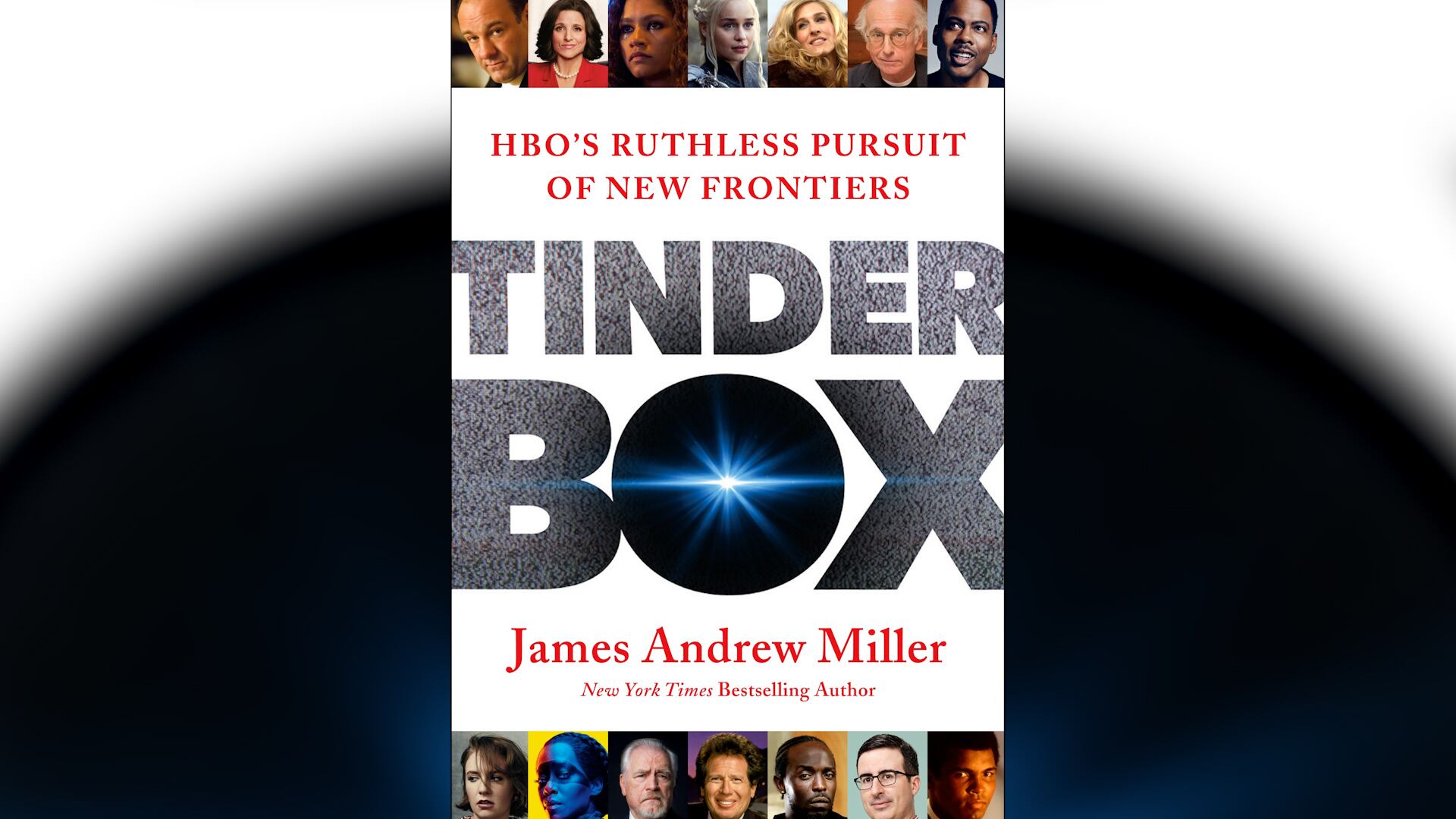
The behind-the-scenes story of HBO's history is chronicled in the new book 'Tinderbox: HBO's Ruthless Pursuit of New Frontiers.' The book tells the true story of how HBO came to dominate the television industry as we know it. The man behind the book has interviewed over 700 key sources to uncover a bottomless trove of secrets, surprises, and never before heard stories. James Andrew Miller joins Cheddar News to share more.