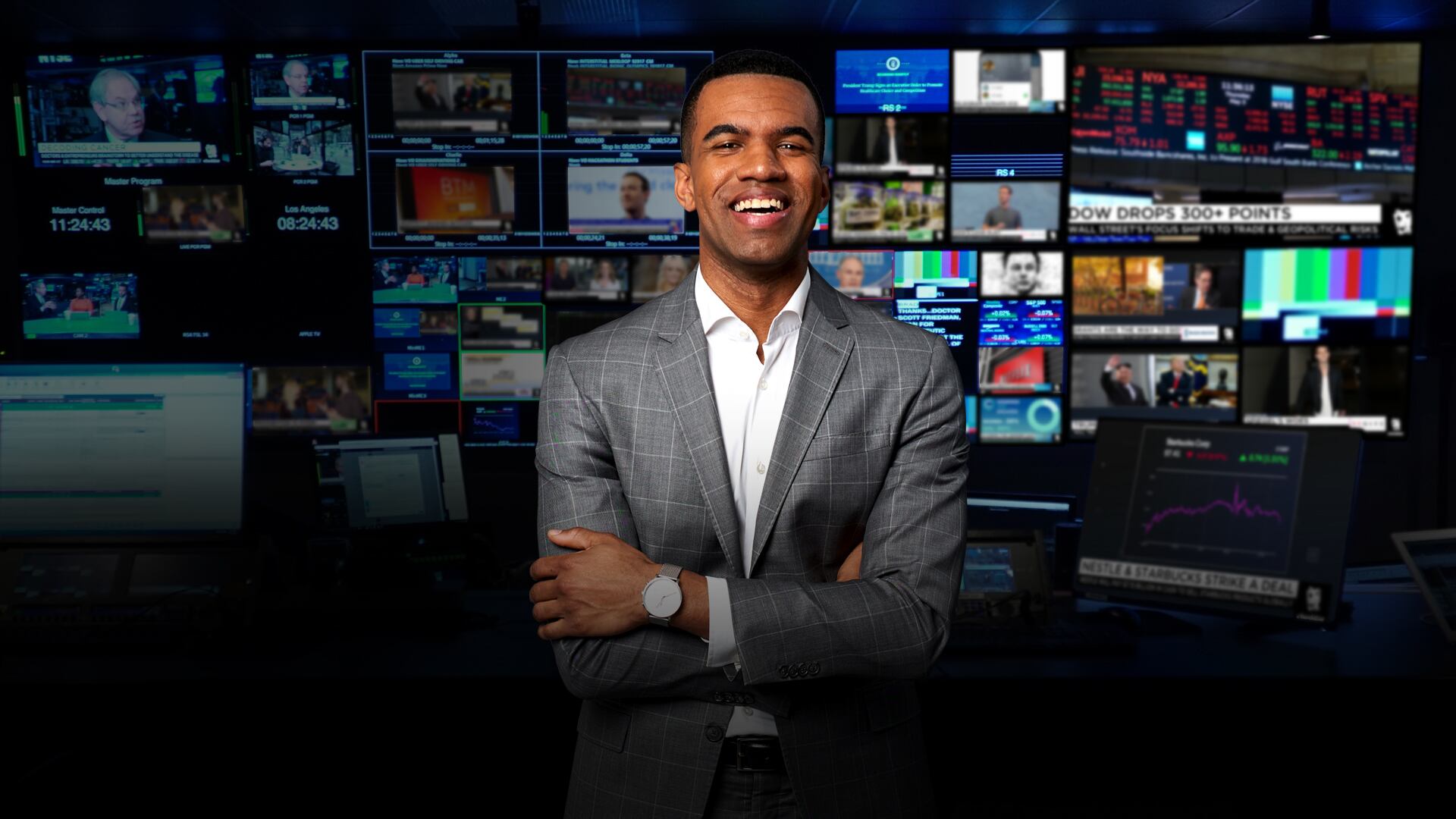
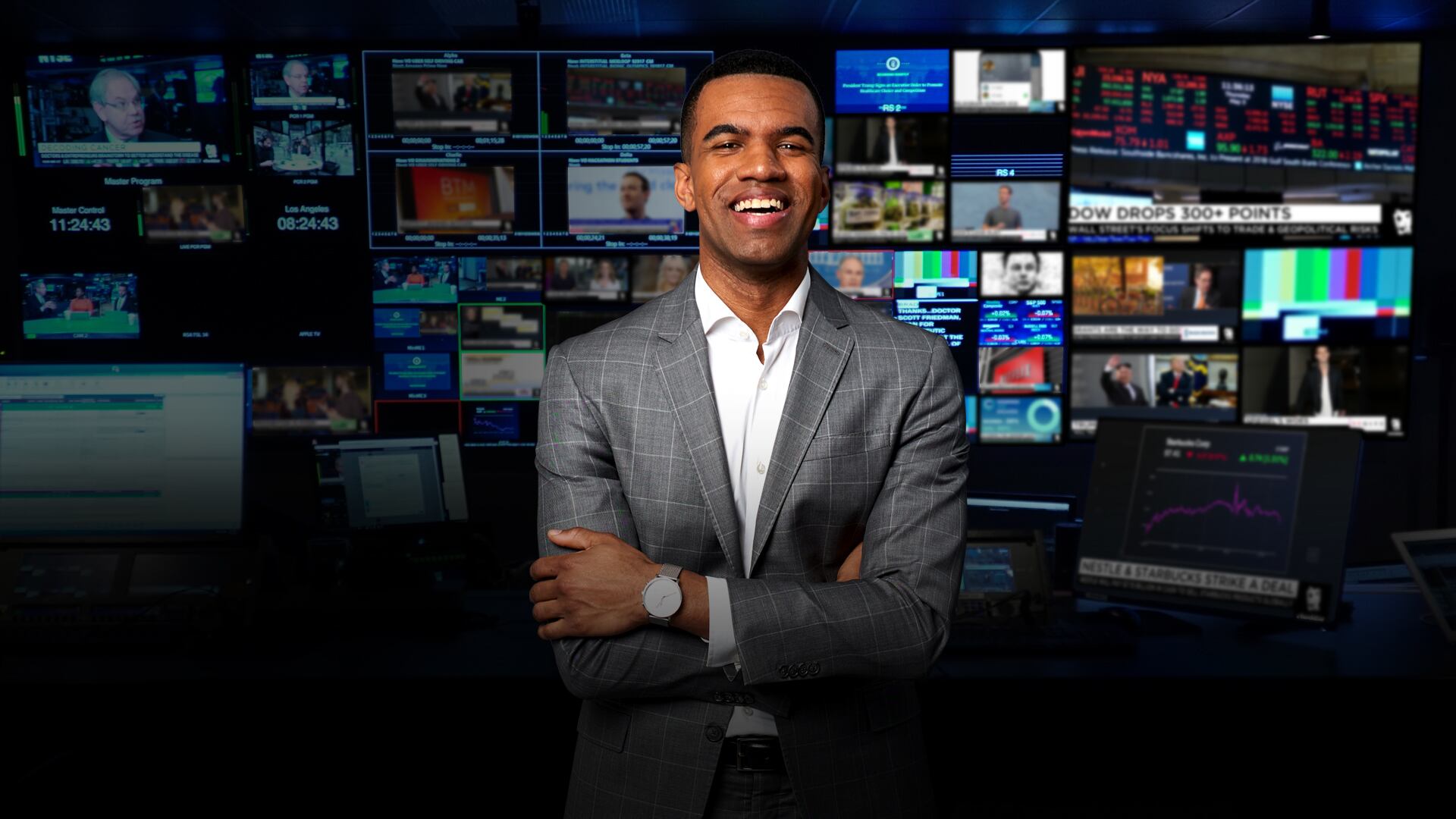
*By Conor White* With the Cambridge Analytica scandal barely behind it, Facebook is suspending another data firm for its use of user data. The company is investigating Boston-based Crimson Hexagon for possible ties to a Kremlin-linked Russian nonprofit and the U.S. government. But Michael Nuñez, Deputy Tech Editor for Mashable, [thinks there's an important public-private distinction.](https://mashable.com/2018/07/20/facebook-suspends-crimson-hexagon/) "In this case, what \[Crimson Hexagon\] has done is actually take public posts, so this is stuff that people had allowed the public to have access to." As Nuñez noted, Crimson Hexagon hasn't violated any of Facebook's rules, per se. Cambridge Analytica, on the other hand, was dumped after [extracting](https://www.theguardian.com/uk-news/2018/mar/26/cambridge-analytica-trump-campaign-us-election-laws) private user data and allegedly violating U.S. law by unfairly influencing the 2014 and 2016 election cycles. But Nuñez warned, this could be just the beginning. "I question whether \[Facebook\] has any grip on how many companies are out there like this," he said. "The tricky part about this is once the data leaves Facebook's platform, once a company siphons this off of Facebook using their API, then it's really hard for Facebook to know where that data is going." Despite the latest news, Nuñez said it will take a lot more bad news to cripple the resilient social media giant. "The trove of data is still there, they still have two billion users that any advertiser can access at any point, so I think it's going to take a lot to derail the company," he said. The Cambridge Analytica scandal broke late in the first quarter, so had limited impact on the company's last earnings report. Facebook releases second quarter results on Wednesday. For the full interview, [click here](https://cheddar.com/videos/facebook-suspends-another-data-firm).