*By Conor White*
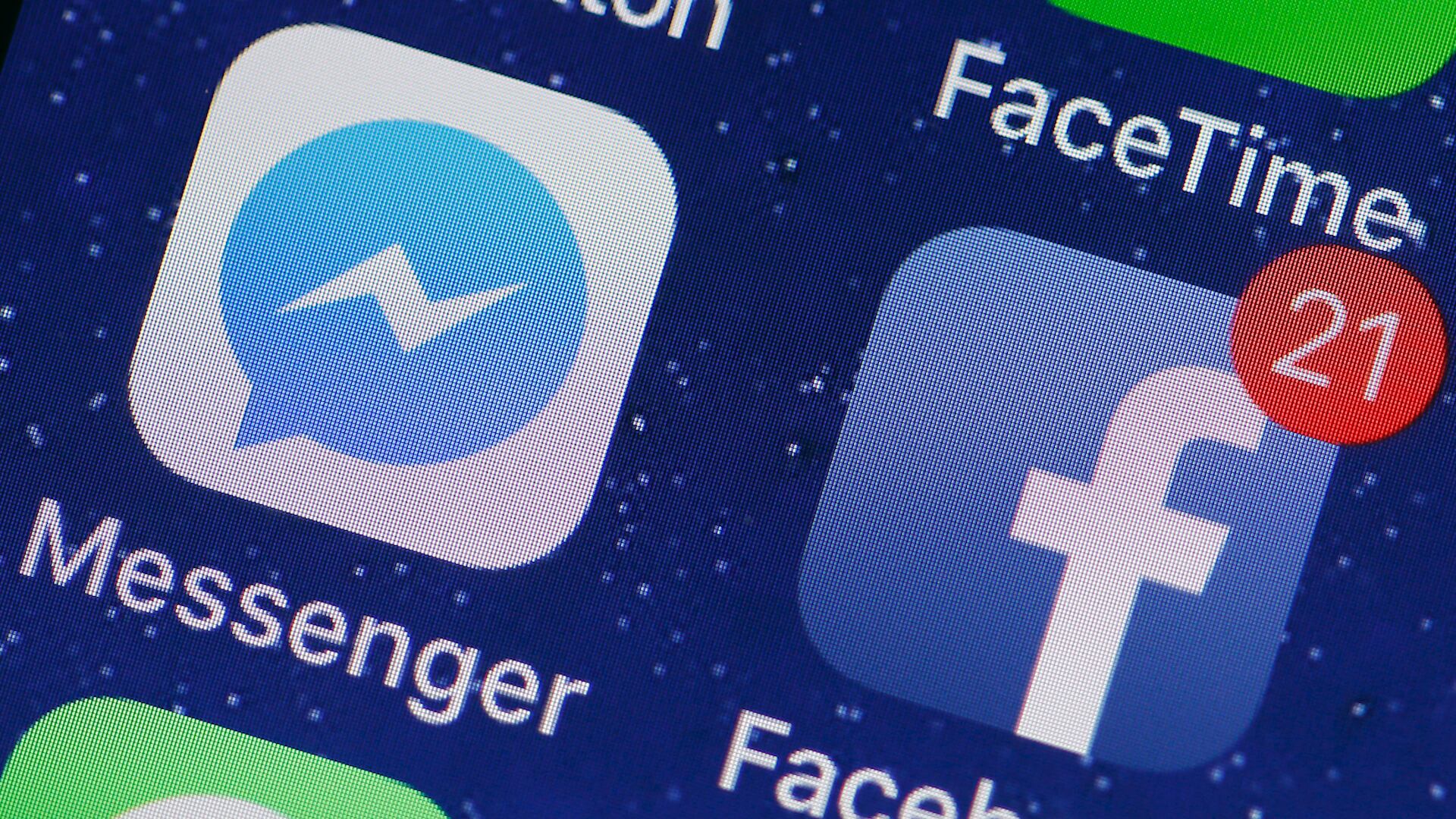
With the Cambridge Analytica scandal barely behind it, Facebook is suspending another data firm for its use of user data.
The company is investigating Boston-based Crimson Hexagon for possible ties to a Kremlin-linked Russian nonprofit and the U.S. government.
But Michael Nuñez, Deputy Tech Editor for Mashable, [thinks there's an important public-private distinction.](https://mashable.com/2018/07/20/facebook-suspends-crimson-hexagon/)
"In this case, what \[Crimson Hexagon\] has done is actually take public posts, so this is stuff that people had allowed the public to have access to."
As Nuñez noted, Crimson Hexagon hasn't violated any of Facebook's rules, per se. Cambridge Analytica, on the other hand, was dumped after [extracting](https://www.theguardian.com/uk-news/2018/mar/26/cambridge-analytica-trump-campaign-us-election-laws) private user data and allegedly violating U.S. law by unfairly influencing the 2014 and 2016 election cycles.
But Nuñez warned, this could be just the beginning.
"I question whether \[Facebook\] has any grip on how many companies are out there like this," he said. "The tricky part about this is once the data leaves Facebook's platform, once a company siphons this off of Facebook using their API, then it's really hard for Facebook to know where that data is going."
Despite the latest news, Nuñez said it will take a lot more bad news to cripple the resilient social media giant.
"The trove of data is still there, they still have two billion users that any advertiser can access at any point, so I think it's going to take a lot to derail the company," he said.
The Cambridge Analytica scandal broke late in the first quarter, so had limited impact on the company's last earnings report. Facebook releases second quarter results on Wednesday.
For the full interview, [click here](https://cheddar.com/videos/facebook-suspends-another-data-firm).
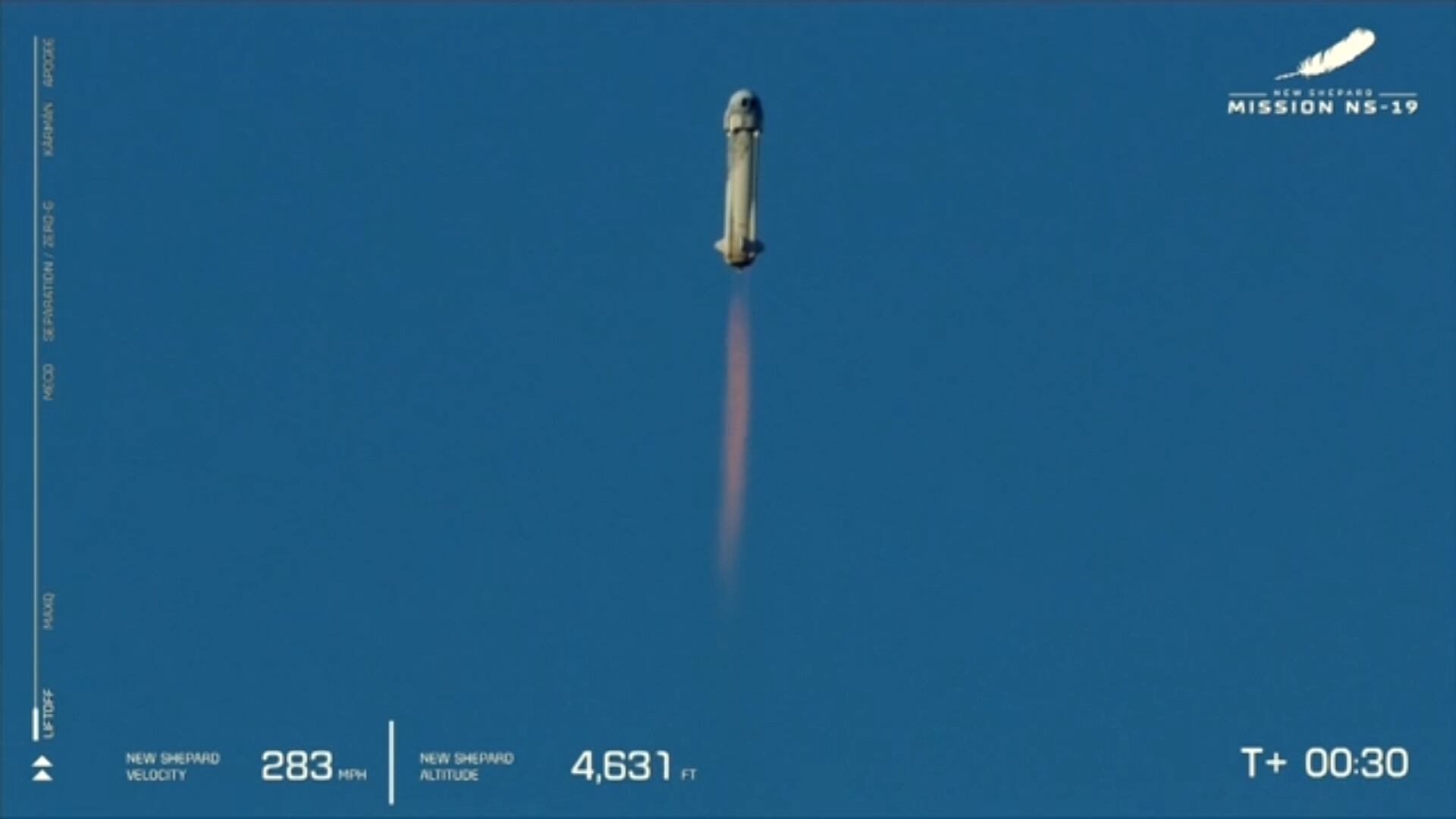
Another successful spaceflight is in the books for Jeff Bezos' Blue Origin. The company's third human spaceflight blasted off from Van Horn, TX. on Saturday, lasting about ten minutes from takeoff to landing. The crew, which included former NFL star and current GMA host Michael Strahan, traveled to the edge of space and experienced a few minutes of weightlessness before the capsule descended back to earth. Andrew Chanin, CEO of ProcureAM, joined Cheddar's Opening Bell to discuss the significance of the launch.
After nearly two years of the pandemic, U.S. consumers are ready to spend big this holiday season. However, shoppers may be faced with limited inventory as the U.S. continues to face shortages of key products and extended order backlogs. Per Hong, partner at consulting firm Kearney, joined Cheddar's Opening Bell to discuss the country's path forward.
The U.S. is preparing to add more China-based firms to a blacklist in response to human rights violations in the country. This includes the leading drone manufacturer DJI. American businesses will be barred from investing or conducting business with the blacklisted companies.
From the TikTok boom to social commerce shopping to livestreaming events, social media trends took on all different shapes and sizes this year. Stephanie Humphrey, technology and lifestyle expert, joined Cheddar to discuss the biggest fads of the year, as well as what to expect for next year.
If 2021 is any indication, 2022 will be a big year for social media. TikTok reached 1 billion users this year and is expected to grow even bigger. We got our first look at the Metaverse, NFTs soared in popularity, and the crypto craze starting hitting its stride - just to name a few fads. Mark Douglas, CEO and Founder of MNTN, joined Cheddar to discuss if these trends could continue, or if we'll see some surprises in the year ahead.
2021 was a big year for big tech, but it was also a wake-up call for the government. Lawmakers are still struggling to figure out how to regulate big tech companies as they grow bigger and get even more powerful. Evan Greer, director of the digital rights organization Fight for the Future, joined Cheddar to discuss key takeaways from the year, as well as what we can expect for big tech and regulation in 2022.
Bumble users are remaining active on the dating app and still linking up with potential matches despite the emergence of the omicron variant of COVID-19. CEO Whitney Wolfe Herd noted that no matter what is happening in the world, people will always need to connect.
There seems to be no stopping the crypto craze, and this week has been no exception. Dogecoin surged after ‘Time Person of the Year' Elon Musk tweeted that Tesla will accept some payments in the digital token. Everett Millman, Crypto & Metals Analyst at Gainsville Coins, gives Cheddar insight into just how much influence Musk has over the crypto world.