By Paul WIseman
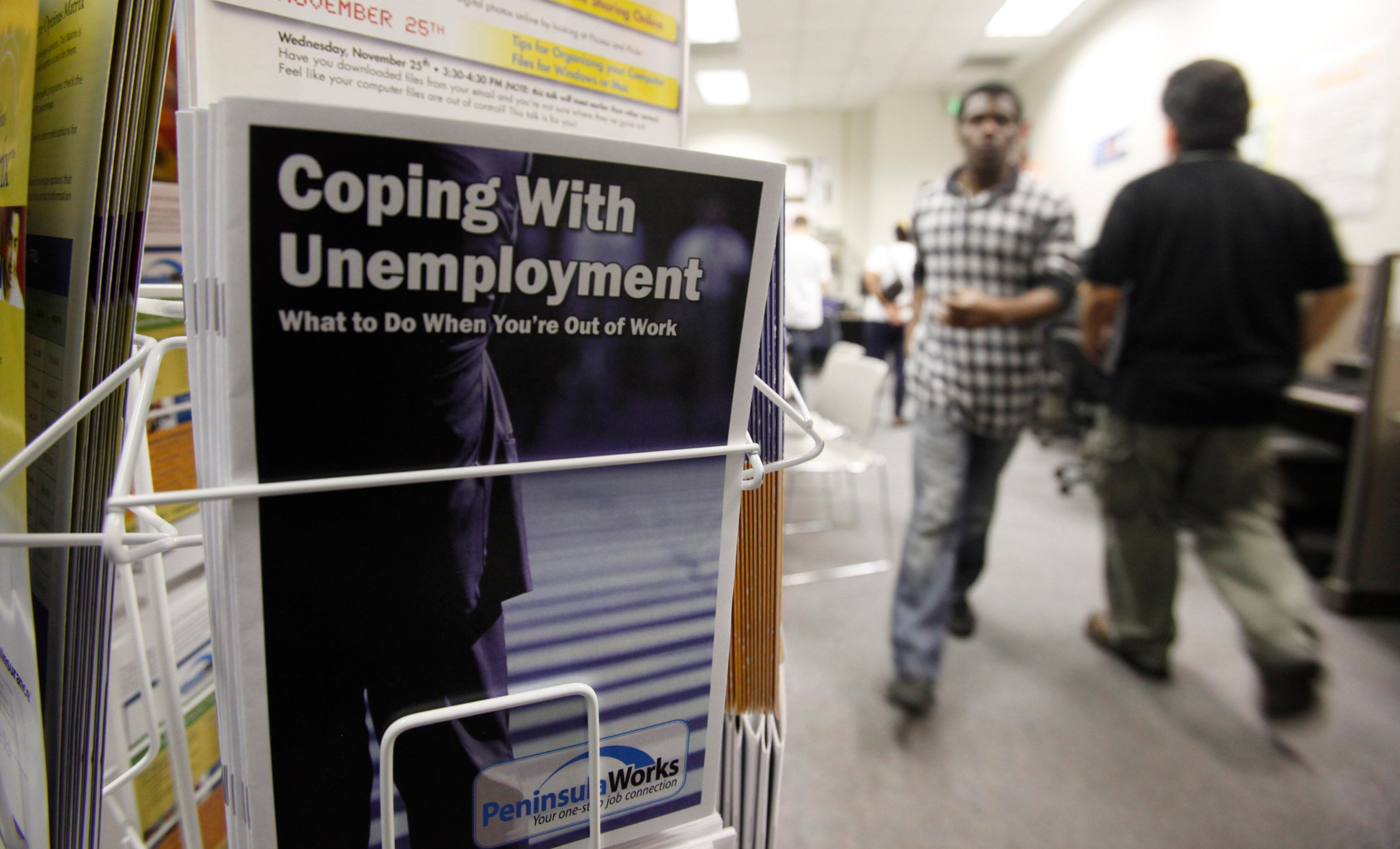
Just over 1 million Americans applied for unemployment benefits last week, a sign that the coronavirus outbreak continues to threaten jobs even as the housing market, auto sales and other segments of the economy rebound from a springtime collapse.
The Labor Department reported Thursday that the number of people seeking jobless aid last week dropped by 98,000 from 1.1 million the week before. The number of initial claims has exceeded 1 million most weeks since late March. Before the coronavirus pandemic, they never topped 700,000 in a week.
More than 14.5 million are collecting traditional jobless benefits -- up from 1.7 million a year ago -- a sign that many American families are depending on unemployment checks to keep them afloat.
Until July 31, the unemployed were receiving an extra $600 a week in federal money on top of regular state unemployment benefits, part of an extraordinary lifeline extended to help them through the crisis. The loss of that money is putting the squeeze on many families.
“My income is basically cut in half,’’ said Taylor Love, 34, an unemployed massage therapist in Austin, Texas. “Paying our mortgage is going to be a struggle. We’re going to have to dip into what little savings we have.’’
After passing a massive financial rescue package in March, congressional Republicans and Democrats have been unable to agree on more aid. President Donald Trump signed an executive order Aug. 8 offering a stripped-down version of the expanded unemployment benefits. At least 39 states have accepted or said that they would apply for federal grants that let them increase weekly benefits by $300 or $400.
AP Writer Geoff Mulvihill in Trenton, New Jersey, contributed to this story.