Stocks plunged Wednesday morning following reports of more trouble in the banking sector. Shares of the Swiss bank Credit Suisse tumbled more than 30 percent after its biggest shareholder, the Saudi National Bank, said it could no longer provide funding.
The news from Europe sowed more fear about the state of banking, which has struggled in the wake of Silicon Valley Bank's (SVB) collapse over the weekend.
Though the bank's financial troubles initially appeared contained, cracks have since appeared in other mid-sized commercial banks in the United States.
Shares of another San Francisco-based lender, First Republic, fell more than 60 percent on fears that the SVB collapse would spread. The company has since secured additional funding from JPMorgan, and its stock bounced back some from the heavy losses.
Meanwhile, Signature Bank actually did collapse over the weekend, as its connections with the cryptocurrency sector and other tech businesses stoked fears among depositors after the collapse of SVB, which also catered to the industry.
But Credit Suisse's problems began long before the latest wave of U.S. bank failures.
The company this week ended executive bonuses after reporting its worst annual performance since the Great Financial Crisis of 2007-2008. It also admitted that its internal financial reporting systems had failed to identify potential risks.
The report noted that "AG did not design and maintain an effective risk assessment process to identify and analyze the risk of material misstatements in its financial statements within this system."
While the Swiss bank is facing its own issues, there is one striking similarity to the situation at SVB: Depositors are pulling their money out of the bank.
The bank said its weak performance in the fourth quarter of 2022 was due to a "challenging economic and market environment," including "significant deposit and net asset outflows at the beginning of the quarter."
The outflow really ramped up in October of last year after depositors began to lose faith in the bank's ability to manage risk and, in particular, the cost of insuring its debt. Despite an aggressive campaign to win back customers, the exodus continued into this month.
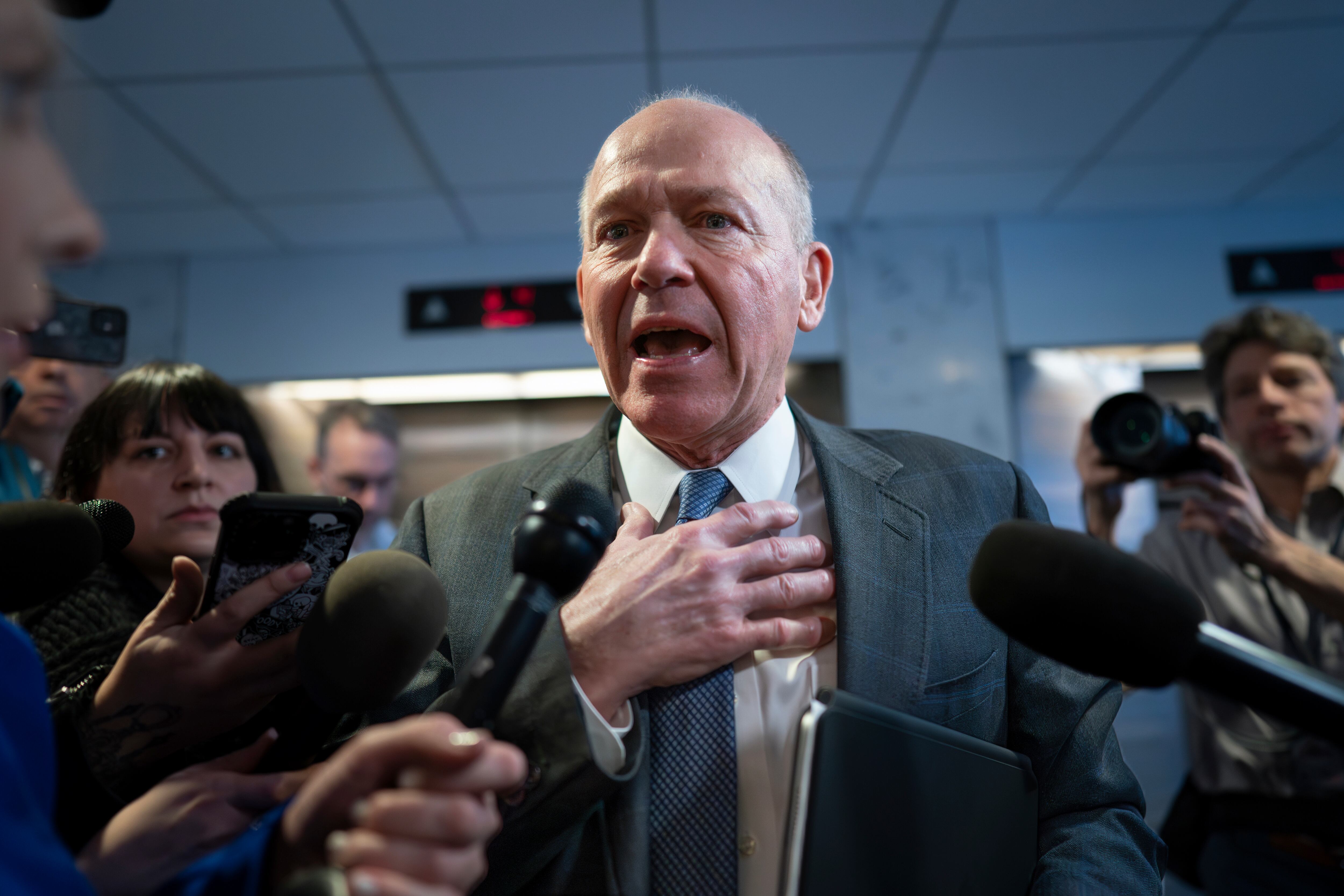
With an increasing demand for mental health services, one person wanted to change the therapy game. In 2017, CEO Alex Katz founded Two Chairs, a company that uses technology to match patients with the right therapist.
Not only is April Financial Literacy Month, it’s also the kickoff of the spring homebuying season. So now is the time to make sure you have a financial plan in place – and why it might not be wise for that to include buying your first home.
While the U.S. may slowly be on the path to lowering inflation (and therefore interest rates), Europe has thoroughly trounced America, putting it on the path to lower rates by this summer.
April's release of the monthly Housing Starts and Building Permits reports by the Census Bureau provides crucial insights into the construction activity in the housing market. These reports are an economic indicator, shedding light on the current state of the housing market and its broader economic impact.
Caitlin Clark is heading to the Indiana Fever, the number one draft pick and the highest-scoring college basketball player of all time. And while she may not be getting millions from the WNBA, there's a few ways she'll net compensation for her generational talents.
Author of 'Clean Meat,' Paul Shapiro joins Cheddar to discuss how the cellular agricultural revolution helps lower rates of foodborne illness and greatly improves environmental sustainability. Plus, how his company The Better Meat Co. is bringing healthier food options to the table.
Recent headlines might make it sound like World War III is imminent, but when it comes to your finances, it's not the time to panic. The market is coming off its longest winning streak since 2011.
You may have noticed fewer new venture capital-backed startups (like Airbnb or Uber) lately. The market slowed to a crawl after 2021, but things are expected to take off again in 2025.
Corporate earnings season is underway, that time when companies share their billions in sales or double-digit profits. But the data shows even companies are struggling with high inflation and interest rates.
Boeing continues their terrifying trend of having their planes fall apart mid-flight, inflation — checks notes — is still up and the future of AI looks terrifying. Cheery!