By Marcia Dunn

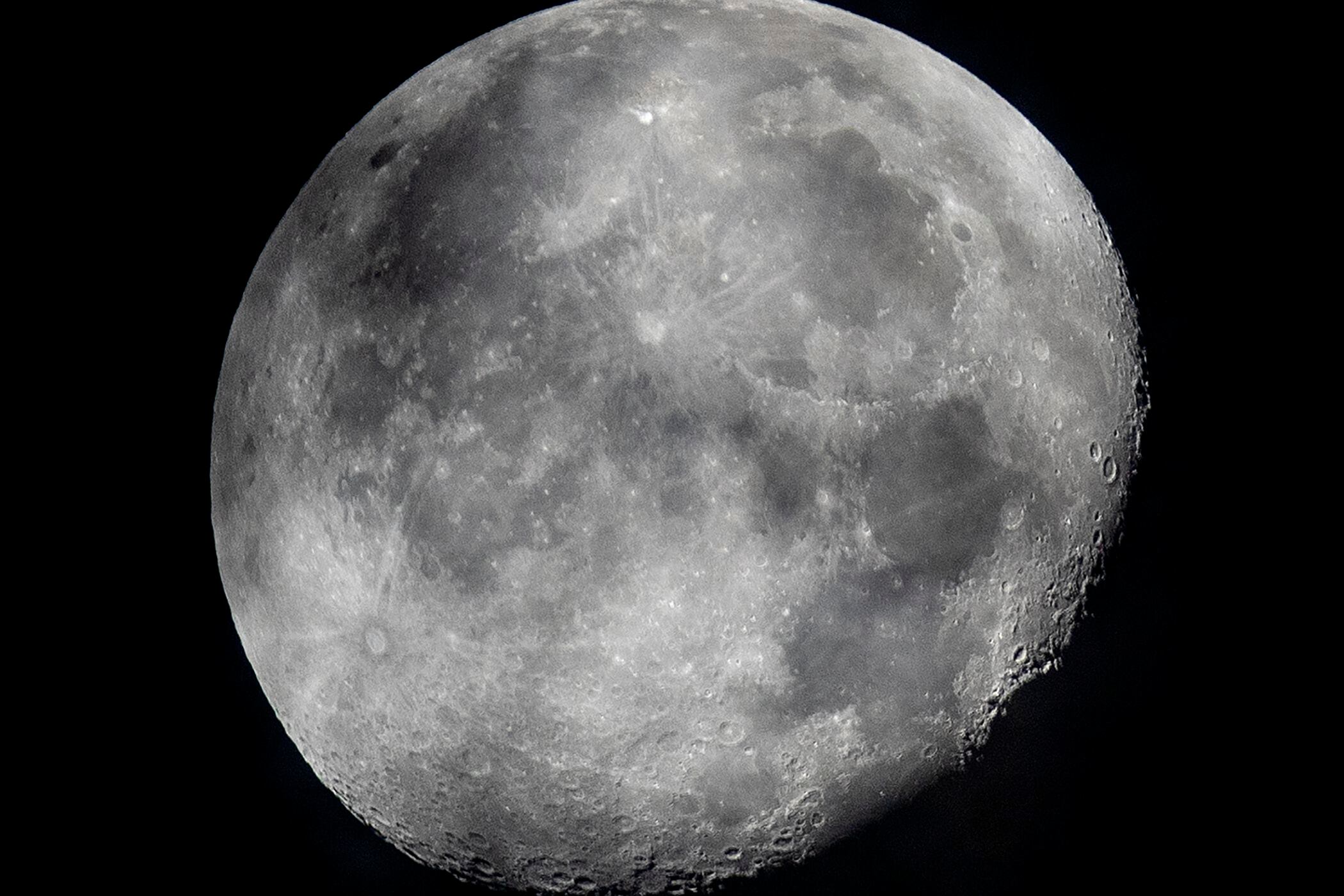
The moon’s shadowed, frigid nooks and crannies may hold frozen water in more places and in larger quantities than previously suspected, good news for astronauts at future lunar bases who could tap into these resources for drinking and making rocket fuel, scientists reported Monday.

While previous observations have indicated millions of tons of ice in the permanently shadowed craters of the moon’s poles, a pair of studies in the journal Nature Astronomy take the availability of lunar surface water to a new level.

More than 15,400 square miles (40,000 square kilometers) of lunar terrain have the capability to trap water in the form of ice, according to a team led by the University of Colorado’s Paul Hayne. That’s 20% more area than previous estimates, he said.

These ice-rich areas are near the moon’s north and south poles. Temperatures are so low in these so-called cold traps — minus 261 degrees Fahrenheit (minus 163 degrees Celsius) — that they could hold onto the water for millions or even billions of years.

“We believe this will help expand the possible landing sites for future lunar missions seeking water, opening up real estate previously considered ‘off limits’ for being bone dry,” Hayne said in an email to The Associated Press.

Using data from NASA’s Lunar Reconnaissance Orbiter, the researchers identified cold traps as small as a few yards (meters) across and as wide as 18 miles (30 kilometers) and more and used computer models to get all the way down to micrometers in size.

“Since the little ones are too small to see from orbit, despite being vastly more numerous, we can’t yet identify ice inside them,” Hayne said. “Once we’re on the surface, we will do that experiment.”

For a second study, scientists used NASA's airborne infrared observatory Sofia to conclusively identify water molecules on the sunlit portions of the moon, just outside the polar regions. Most of these molecules are likely stored in the voids between moon dust and other particles or locked inside glassy volcanic material.

Scientists believe all this water on the moon came from comets, asteroids, interplanetary dust, solar wind, or even lunar volcanic eruptions. They'll have a better idea of the sources “if we can get down on the surface and analyze samples of the ice,” Hayne said.

The lead researcher, Casey Honniball, a postdoctoral fellow at NASA’s Goddard Space Flight Center, said at a news conference that she wanted to make it clear the Sofia study had not found puddles on the moon. Rather, the identified hydrogen and oxygen molecules are so far apart, they are neither in liquid or solid form, she noted.

NASA is under White House direction to put astronauts back on the moon by 2024. The space agency wants its new Artemis moon-landing program to be sustainable, unlike the Apollo program a half-century ago.

___

The Associated Press Health and Science Department receives support from the Howard Hughes Medical Institute’s Department of Science Education. The AP is solely responsible for all content.

Share:
More In Science
Election Day, Climate Pledges & Cautionary TV Tale
Carlo and Baker cover the big races to watch on this off-cycle Election Day, the concrete pledges starting to come out of COP26, Jeffrey Epstein keeps causing CEOs to lose their jobs, and Ryan Murphy's TV hit that wasn't.
Climate-Focused Investing in Focus at COP26
The UN climate change conference kicked off on Sunday with about 120 world leaders and delegates gathering in Glasgow, Scotland this week, as experts continue to warn about the harms of heightened emissions and the effects on climate change. The topic of ESG investing is expected to be a top priority at the summit. Jefferies global head of ESG and sustainability research Aniket Shah joined Cheddar News' Closing Bell to discuss.
The Search Engine Fighting the Climate Crisis
Christian Kroll, CEO of Ecosia, joins 'Fast Forward' to discuss how Ecosia uses its ad revenue to plant trees, and what the company plans to do after launching a $405 million venture capital fund focused on combating the climate crisis.
How the Climate Crisis is Affecting Global Health
Dr. Ashley McClure, co-founder of Climate Health Now, joins 'Fast Forward' to discuss why the climate crisis is the greatest threat to humanity and health, and measures we need to take to reverse course.
Medable Secures $304M in Series D Funding
Clinical research company Medable has secured $304 million in Series D funding, marking its fourth round since 2020, giving the firm a valuation of just over $2 billion. Dr. Michelle Longmire, CEO and Co-founder, Medable joined Cheddar's Opening Bell to discuss the future of the company.
Tropical Storm Names List Exhausted for Only Third Time in History
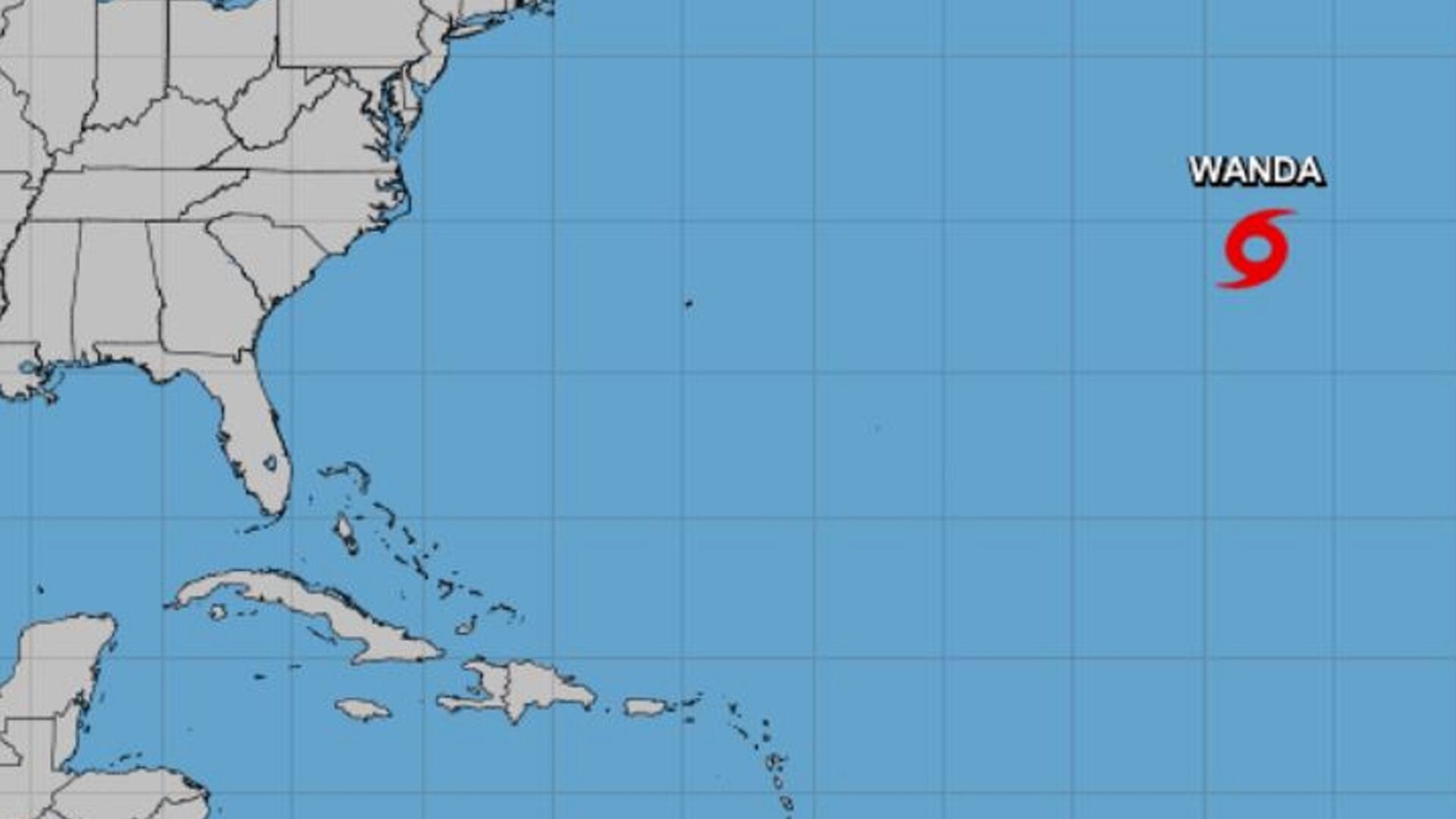
The National Hurricane Center announced that the list of storm names in 2021 has been exhausted as one of the most active hurricane seasons in history continues to stir in the Atlantic Ocean. Subtropical Storm Wanda marks only the third time in history (last year being the second) that all the names were used in a single season.
Astronomers Locate Potential Exoplanet 28 Million Light-Years Away
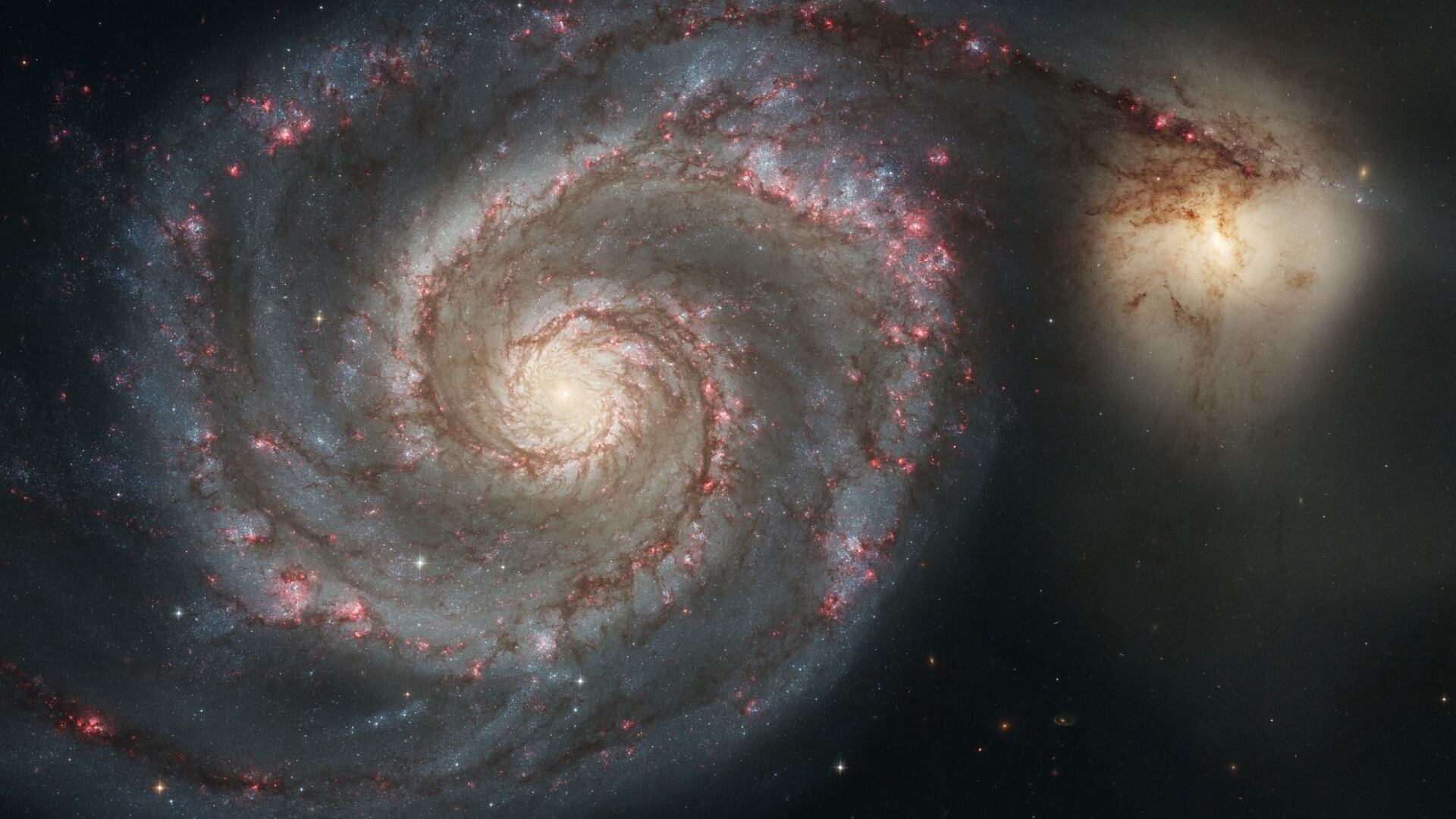
Astronomers at NASA have located what could be the first exoplanet not only outside of the solar system but outside of our own galaxy in the Messier 51 (or the Whirlpool Galaxy), 28 million light-years away. It could take astronomers up to 70 years to see if the planet passes in front of its star to verify the find.
Greenhouse Gas Levels Hit New Highs in 2020
Even with pandemic lockdowns, greenhouse gas levels reached new highs in 2020, according to the World Meteorological Organization. This report comes just a week ahead of the United Nations Climate Change Conference, otherwise known as Cop26. Shannon Osaka, climate policy and solutions reporter at Grist, joined Cheddar's Between Bells to discuss.
Food Left Off of COP26 Agenda
Oatly Chief Sustainability Officer, Ashley Allen joins Cheddar News to talk about food waste and hows its been left off the table in the upcoming COP26 agenda. Ashley will be on the ground at COP26 and advocating for this conversation to get the attention it deserves.
Climate Summit, Rittenhouse Trial & Traffic Deaths
Carlo's flying solo today, talking COP26 and climate change, another racially charged trial gets underway, SCOTUS takes on abortion and a stunning rise in traffic deaths points to a bigger societal breakdown sparked by the pandemic.
Load More