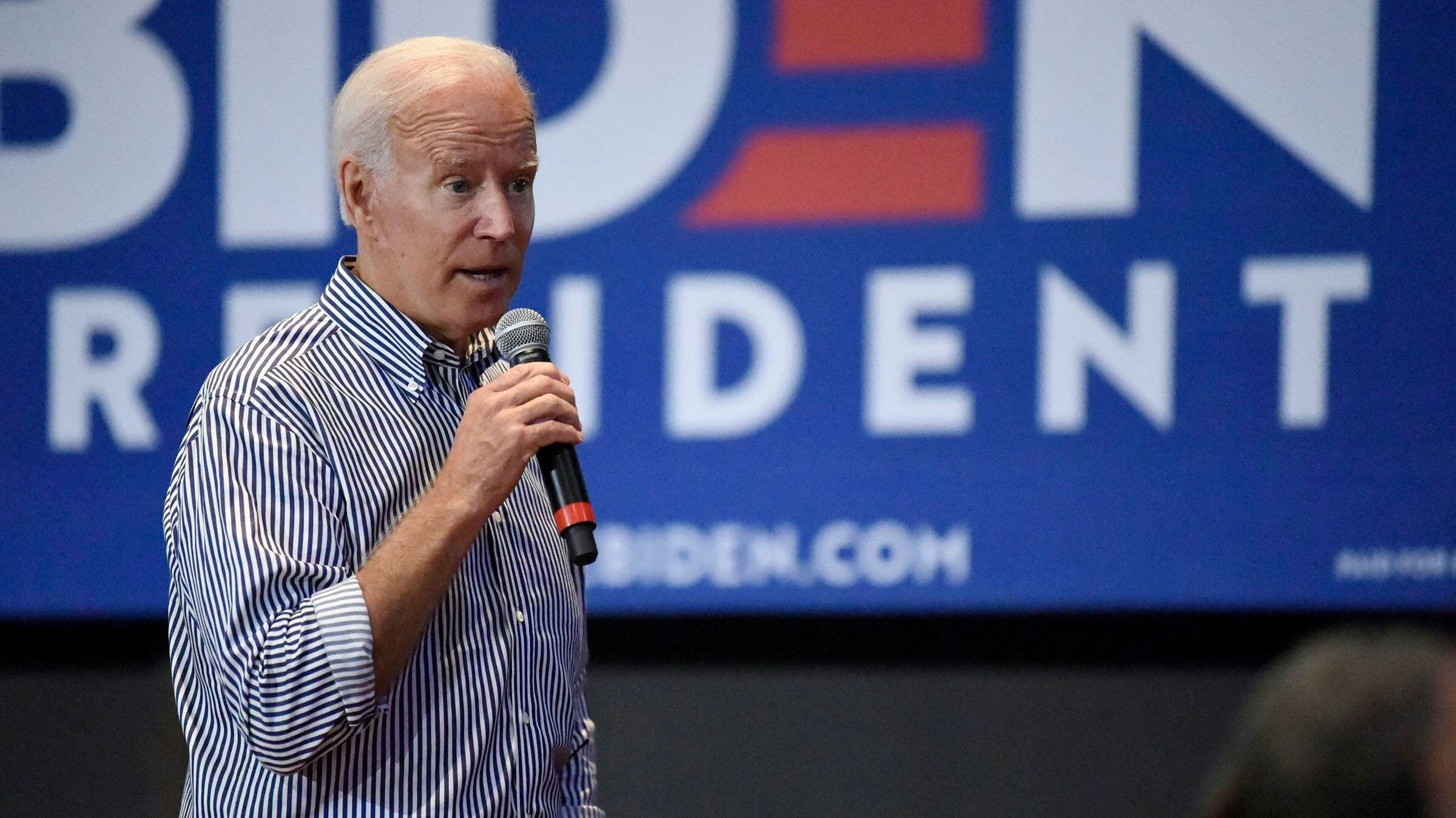
Monmouth University Polling Institute admitted Wednesday that it's most recent Democratic primary poll appears to be an outlier.
The poll quickly gained attention when it was released Monday because the results were a far cry from previous polls done by both Monmouth and other polling organizations. Specifically, it showed the frontrunner, former Vice President Joe Biden, falling 13 percent to a statistical tie with Senators Bernie Sanders and Elizabeth Warren.
"It occurs very infrequently, but every pollster who has been in this business a while recognizes that outliers happen. This appears to be one of those instances," Patrick Murray, director of the institute wrote in a statement on Wednesday.
The poll was notable because it was one of the final polls the Democratic Party used to determine which candidates will qualify to take the stage during the party's third debate in early September. Biden, Sanders, and Warren have already met the requirements.
On Tuesday, before Monmouth announced that the poll may not be the best indicator of public opinion, Murray told Cheddar that Democratic-leaning voters might be "second guessing" the former vice president.
"Voters are now searching for: who do I think is the best candidate for me, for the issues that I stand for, and also, for beating Donald Trump. Maybe they're second guessing Joe Biden," Murray said.
On Wednesday, after the poll was deemed an outlier, Murray issued a statement to Cheddar that still indicated his belief that Biden is largely finding success because of his name recognition.
"While the horse race results of our poll are different from other national polls, the underlying dynamics of the race remain that a large proportion of Biden's support is based on name recognition and perceptions of electability," he said.
Murray added: "Voters are starting to tune in and may cast about. They could end up sticking with Biden in the end, but it remains a sign that his support is based on a different set of priorities than it is for voters who back other candidates."
The Monmouth poll released Monday was based on 298 registered voters who identified as Democrats or lean toward the Democratic party, with a +/- 5.7 percent point margin of error.
On Wednesday, another set of DNC-approved qualifying polls were released. Both the USA Today/Suffolk University poll and Quinnipiac University poll show Joe Biden in the lead at 32 percent with Warren and Sanders in second and third by significant margins.
Biden's Deputy Campaign Manager and Communications Director Kate Bedingfield told MSNBC Tuesday, "He is leading in the polls, to be clear."
Jill and Carlo discuss the scenes of joy at American airports as borders reopen, another tool in the Covid toolbox, the latest in the Astroworld crowd crush tragedy and more.
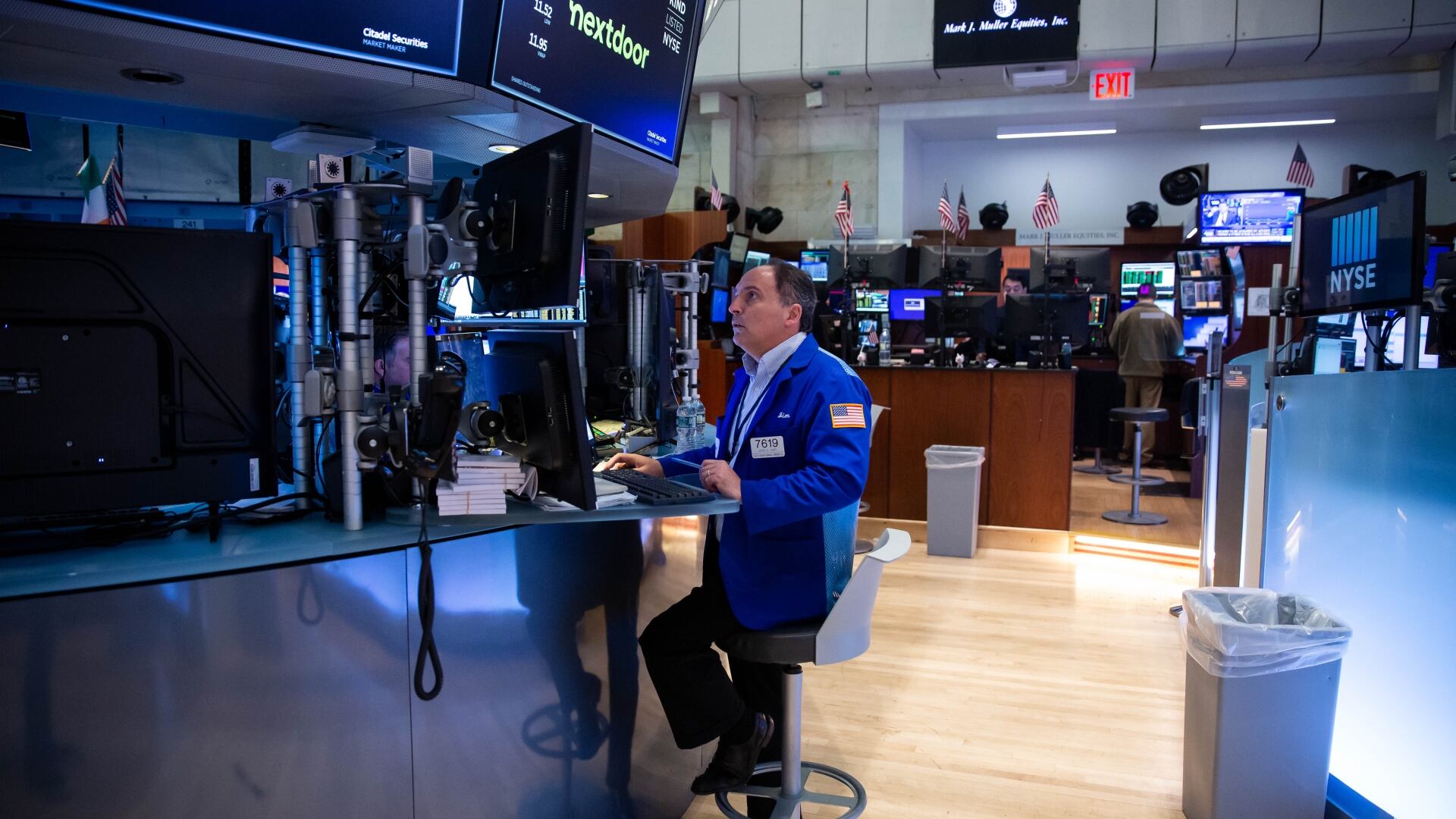
Frank Lee, Managing Director at Miracle Mile Advisors, joins Cheddar News' Closing Bell, where he explains why markets are soaring after the Dow, S&P, Nasdaq, and the Russell 2000 all reached new record closes to begin the trading week.
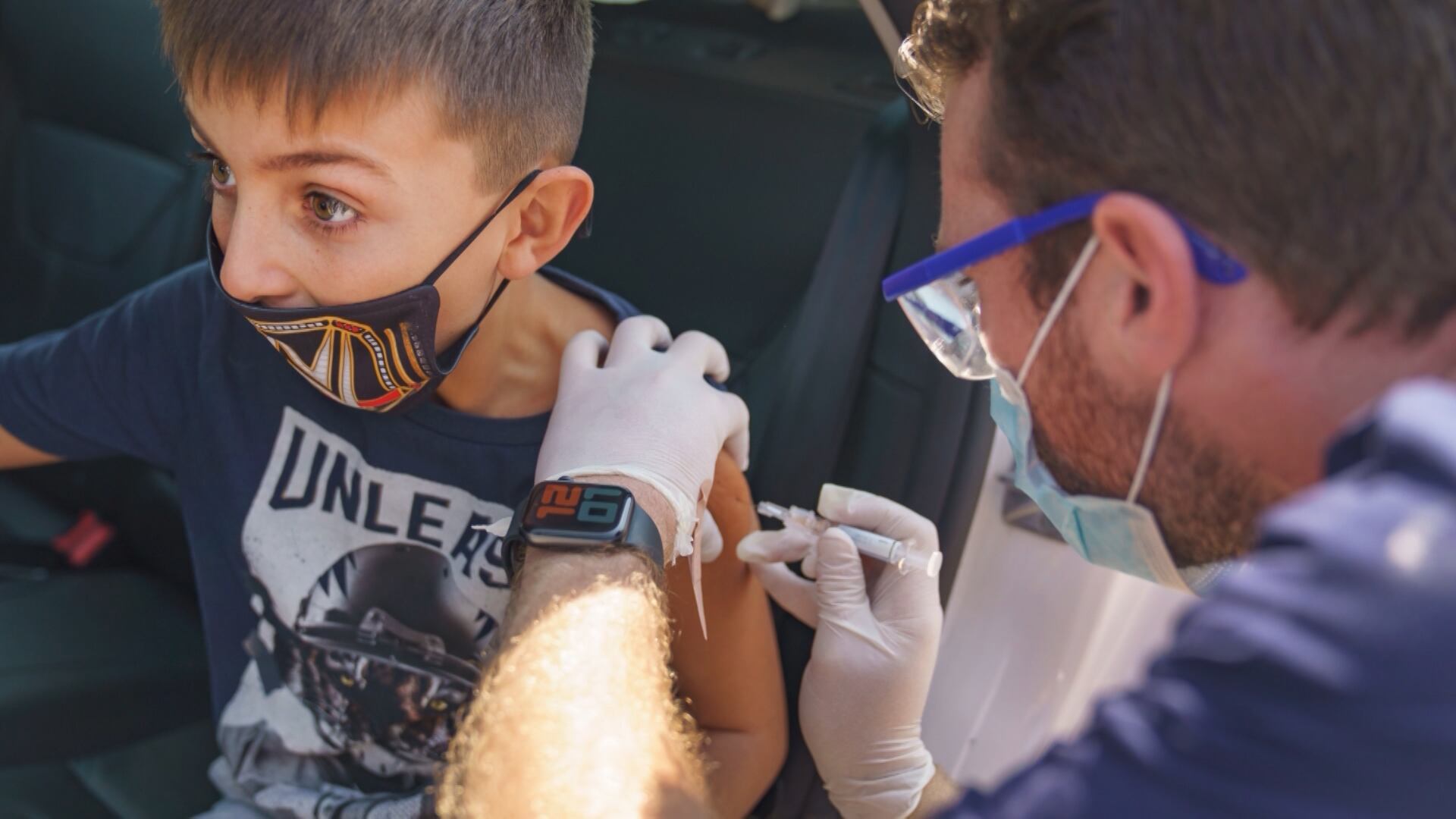
The Biden Administration's mandate for COVID vaccinations by large employers has been put on hold by federal courts as GOP-led states and some businesses push back on the order's legality. Jonathan Adler, a law professor at Case Western Reserve University, joined Cheddar to discuss the legal challenges to implementing such mandates through OSHA (Occupational Safety and Health Administration). "Certainly expanding vaccinations is a good thing, and as vaccination rates go up that's better for all of us," Adler said. "But there are some legal questions about whether or not it's appropriate to use a law about occupational safety and health as the means to do that."
The Biden administration is giving businesses a deadline to implement a vaccination mandate, saying companies can take until after the holiday season. Andew Noymer, Associate Professor of Population Health and Disease Prevention at the University of California, Irvine, joined Cheddar to discuss.
Jacob Rubashkin, reporter and analyst at Inside Elections, joined Cheddar to discuss Republicans' wins on election night and what they mean for Democrats going forward.
James Astill, Washington Bureau Chief at The Economist, joins Cheddar News to discuss the latest issue, 'ONE YEAR ON: The calamity facing Joe Biden and the Democrats.'
Elon Musk asked Twitter if he should sell about $20 billion worth of his Tesla stock and about 58 percent of those who answered said yes. The Tesla CEO pledged to abide by the results of the poll, whichever way it went. Arun Sundararajan, NYU Stern professor & author of "The Sharing Economy: The End of Employment and the Rise of Crowd-Based Capitalism," joined Cheddar to discuss what the Twitter poll says about America's attitude towards billionaires and the nation's tax system.
Dr. Nasia Safdar, Doctor at UW Madison, joined Wake Up With Cheddar to discuss the implications of Merck sharing its antiviral pill, which has been shown in early trials to cut hospitalizations and deaths by half, with poorer nations around the globe.
The Federal Reserve finally announced its taper plan on Wednesday saying that it planned to scale back on bond purchases as growth slows, and would not rush to raise interest rates. Ross Mayfield, Investment Strategy Analyst at Baird spoke on whether or not a decrease in inflation could be in the country’s future amidst comments made by Fed chairman Jerome Powell. Baird also broke down ADP jobs numbers ahead of the Labor Department's October jobs report.