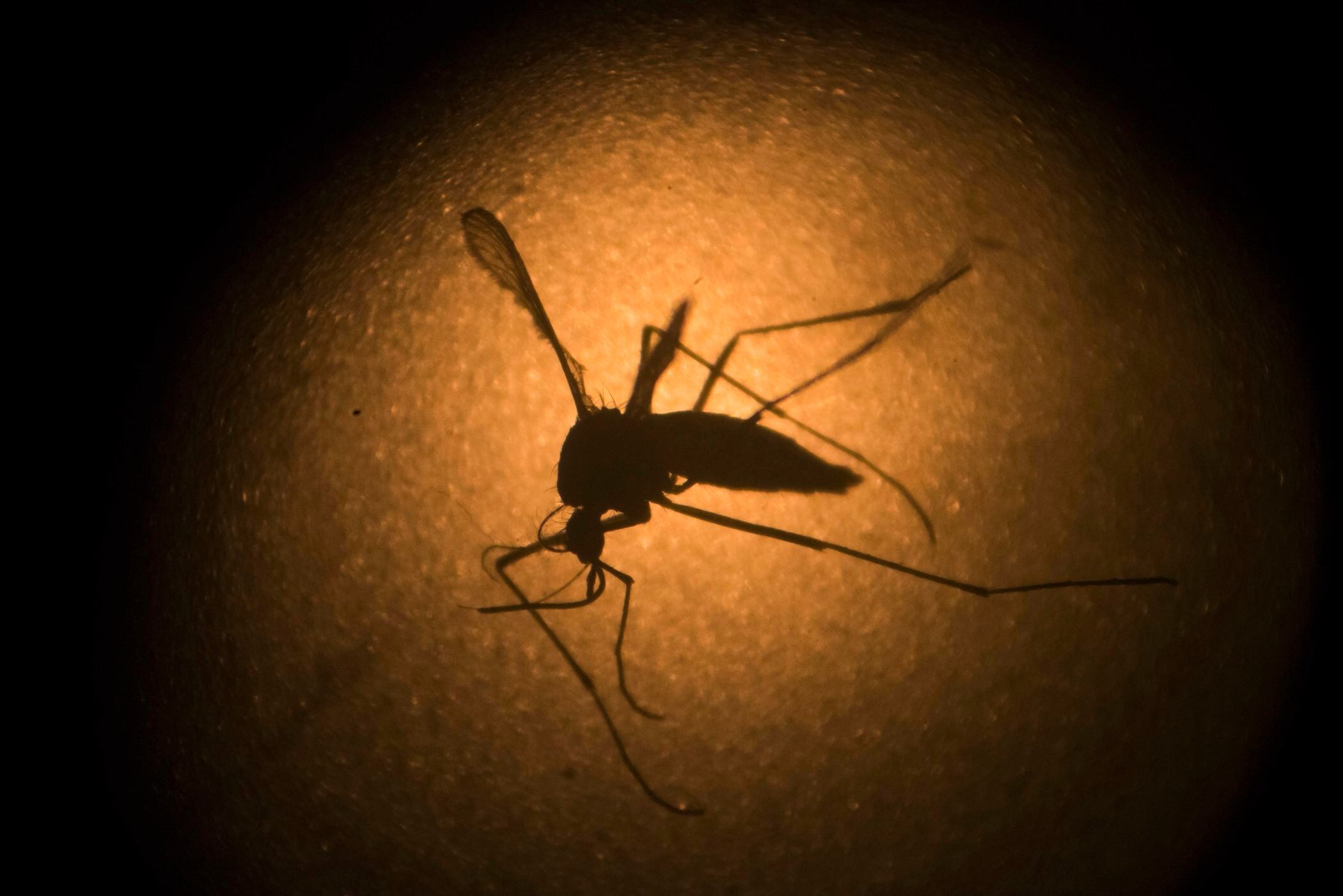
In this Jan. 27, 2016, file photo, an Aedes aegypti mosquito known to carry the Zika virus, is photographed through a microscope at the Fiocruz institute in Recife, Pernambuco state, Brazil. (AP Photo/Felipe Dana, File)
Genetically modified mosquitoes are being released in the Florida Keys in an effort to combat persistent insect-borne diseases such as Dengue fever and the Zika virus.
The Florida Keys Mosquito Control District and the Oxitec biotechnology company announced Thursday that release boxes, non-release boxes and netted quality control boxes are being placed this week in six locations: two on Cudjoe Key, one on Ramrod Key and three on Vaca Key.
Starting early next month, less than 12,000 mosquitoes are expected to emerge each week for approximately 12 weeks. Untreated comparison sites will be monitored with mosquito traps on Key Colony Beach, Little Torch Key and Summerland Key.
“We really started looking at this about a decade ago, because we were in the middle of a dengue fever outbreak here in the Florida Keys,” Florida Keys Mosquito Control District executive director Andrea Leal said during a video news conference. “So we’re just very excited to move forward with this partnership, working both with Oxitec and members of the community.”
Keys officials approved the pilot project last year involving the striped-legged Aedes aegypti mosquito, which is not native to Florida. The insect transmits several diseases to humans, particularly in the Keys island chain where dozens of cases of dengue fever were reported last year.
Oxitec’s non-biting male mosquitoes are expected to mate with the local biting female mosquitoes. The female offspring of these encounters cannot survive, controlling the Aedes aegypti population. The Aedes aegypti mosquito makes up about 4% of the mosquito population in the Keys but is responsible for virtually all mosquito-borne diseases transmitted to humans. This mosquitoes transmit dengue, Zika, yellow fever and other human diseases, and can transmit heartworm and other potentially deadly diseases to pets and other animals.
An earlier version of the genetically-modified mosquitoes was used in Brazil, but this is the first time they have been used in the United States.
“We’re an organization comprised of very passionate individuals working to develop solutions that can have a public health impact,” Oxitec CEO Grey Frandsen said. “We have people living in the Keys. We have spent a huge amount of time engaging with residents, with community leaders, with small businesses, and have seen the results of that.”
Some people worry about using genetically-modified organisms, or GMOs, that they believe could alter the planet’s natural balance. Barry Wray, director of the Florida Keys Environmental Coalition, has said that officials have no idea what the insects will do.
It’s also unclear whether the genetically-modified mosquitoes will be able to accomplish their intended task, said Max Moreno, an expert in mosquito-borne diseases at Indiana University who is not involved in the company or the pilot project. Moreno has said the lab-created males might have a difficult time competing with rivals that have gone through the natural selection process, in which only the fittest survive and mate.
The genetically-modified mosquitoes have been approved by the Environmental Protection Agency and the Florida Department of Agriculture and Consumer Services, officials said. It also has support from the U.S. Centers for Disease Control and Prevention. The project is being funded by Oxitec.
A subvariant of the omicron COVID-19 variant called BA.2 is causing an outbreak overseas. Now, some health experts worry it could also lead to an increase in COVID-19 cases in the U.S. Dr. Amesh Adalja, infectious disease specialist and senior scholar at Johns Hopkins Center for Health Security, joins Cheddar News to discuss.
Dr. Alan Kaplin, Chief Scientific Officer of MyMD, joins Cheddar Innovates to discuss how the MYMD-1 is on track to be the first FDA-approved drug to treat aging and age-related diseases.
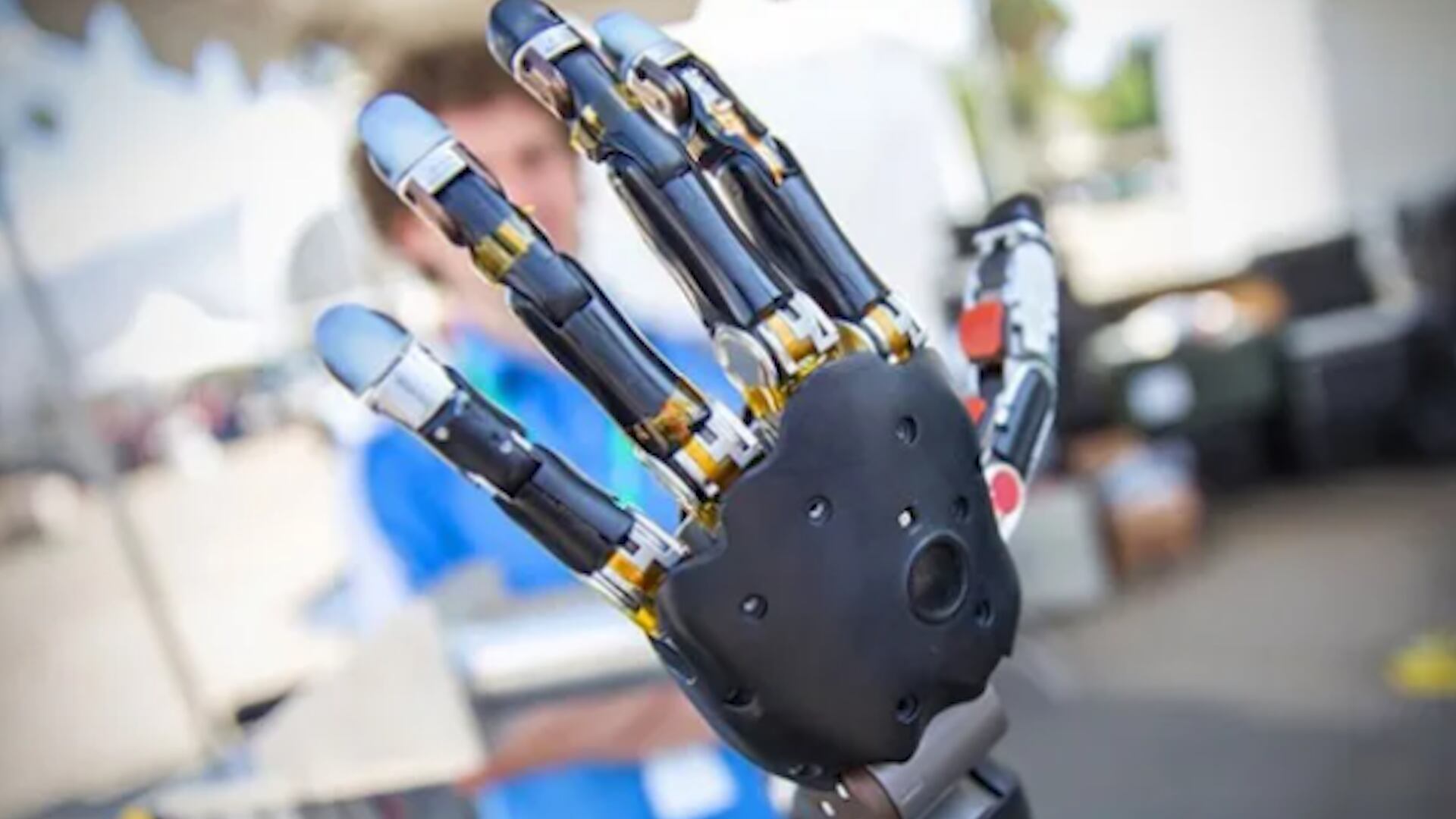
Tyler Hayes, CEO of Atom Limbs, joins Cheddar Innovates to discuss how the Atom Touch prosthetic is different from other prosthetics on the market, and how the Atom Limbs team of former Apple and Tesla leaders are bringing innovation into this industry.
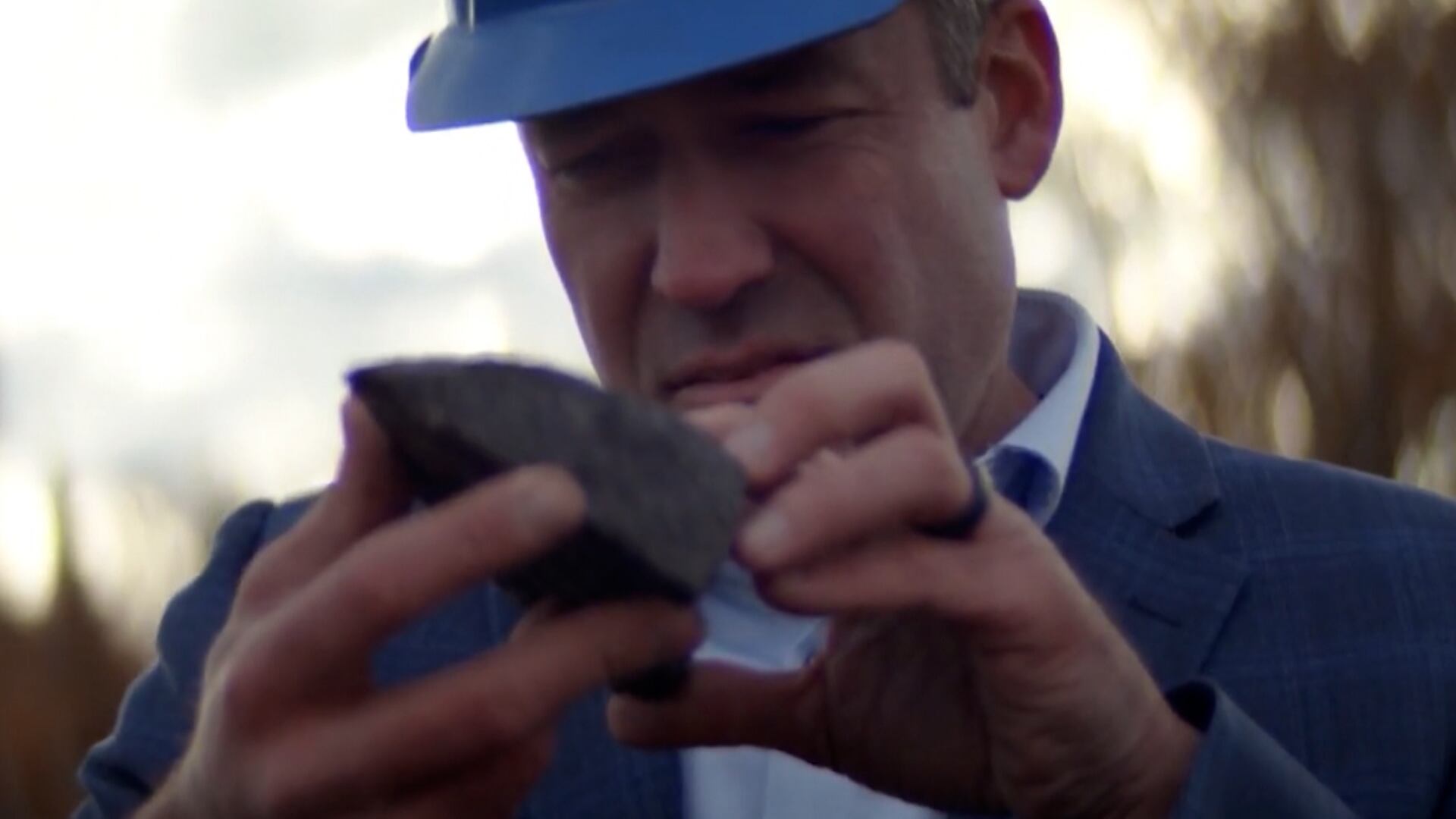
Nouveau Monde Graphite says it wants to power the sustainable energy revolution. The Canadian company is developing carbon-neutral battery materials to serve the growing EV and cleantech markets and is doing so via a mining and manufacturing operation in Quebec. Eric Desaulniers, founder, president & CEO of Nouveau Monde Graphite, joins Cheddar News' Closing Bell to discuss.
Health experts are warning an even more contagious subvariant of Omicron, known as BA.2, could soon lead to another surge in Covid cases here in the U.S. The variant has already driven cases to skyrocket in China and Europe, which has historically served as a preview to the pattern the U.S. has seen throughout the pandemic. This comes at a time when protection from booster shots is waning for most people who got them. Dr. Jen Caudle, Family Physician & Associate Professor at Rowan University, explains what we can do to protect ourselves against the new variant and how we should act as warnings of another surge rise.
Catching you up on what you need to know Mar 24, 2022, with NATO meeting updates, Ukraine retaking suburbs around Kyiv, the spread of omicron subvariant BA.2 in China, Google Pay launching a third-party billing option, and a 16-year-old is suspected of being the Lapsus$ mastermind behind hacks of Microsoft and others.
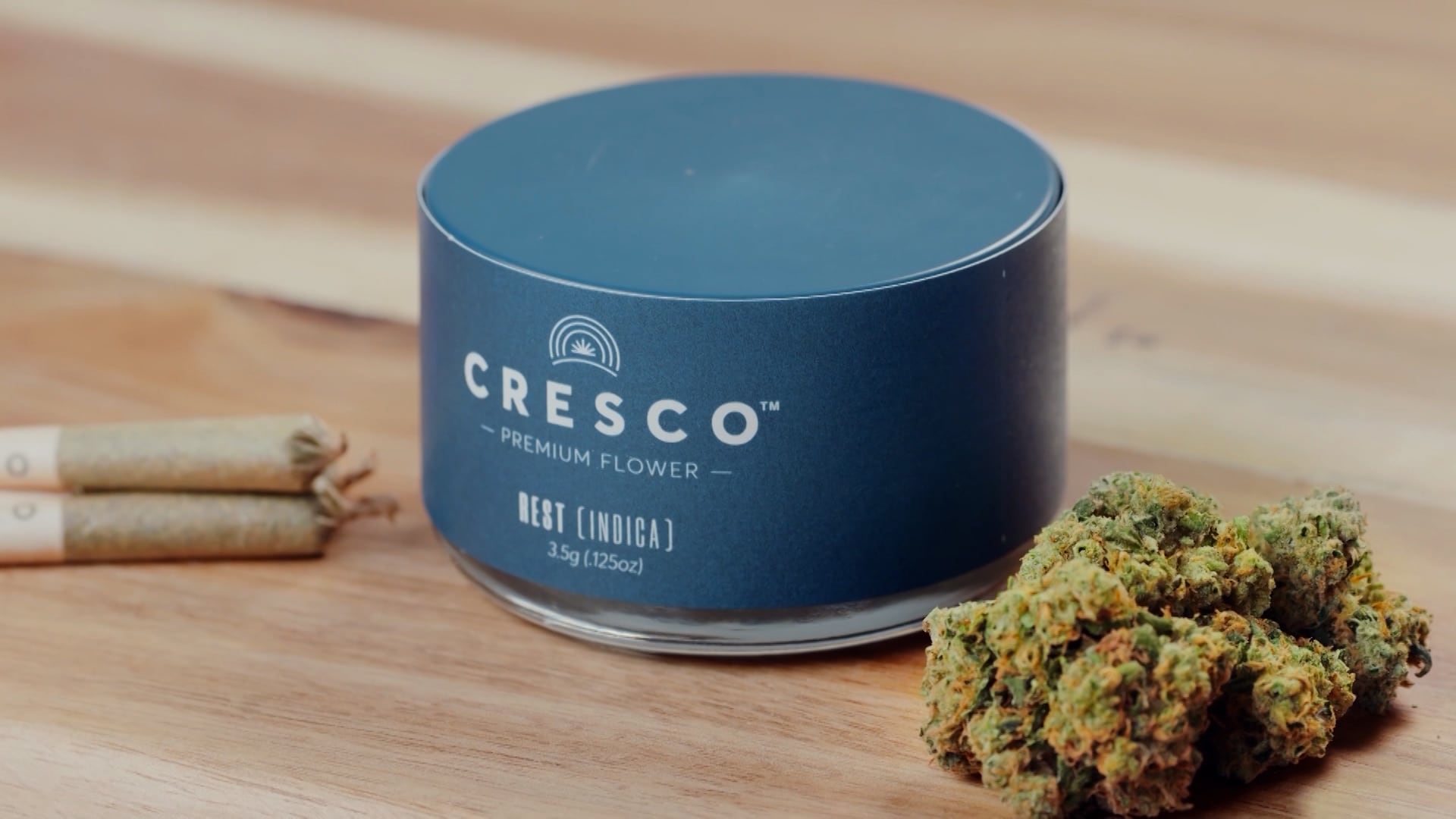
Cannabis producer Cresco Labs is acquiring rival Columbia Care in a $2 billion all-stock deal, creating the largest U.S. cannabis company by sales. The deal, which is expected to close in the fourth quarter of 2022, is one of the biggest in the industry's history and would make Cresco the dominant player in a market projected to reach $46 billion in revenue by 2026. Charlie Bachtell, CEO of Cresco Labs, joins Cheddar News' Closing Bell to discuss.
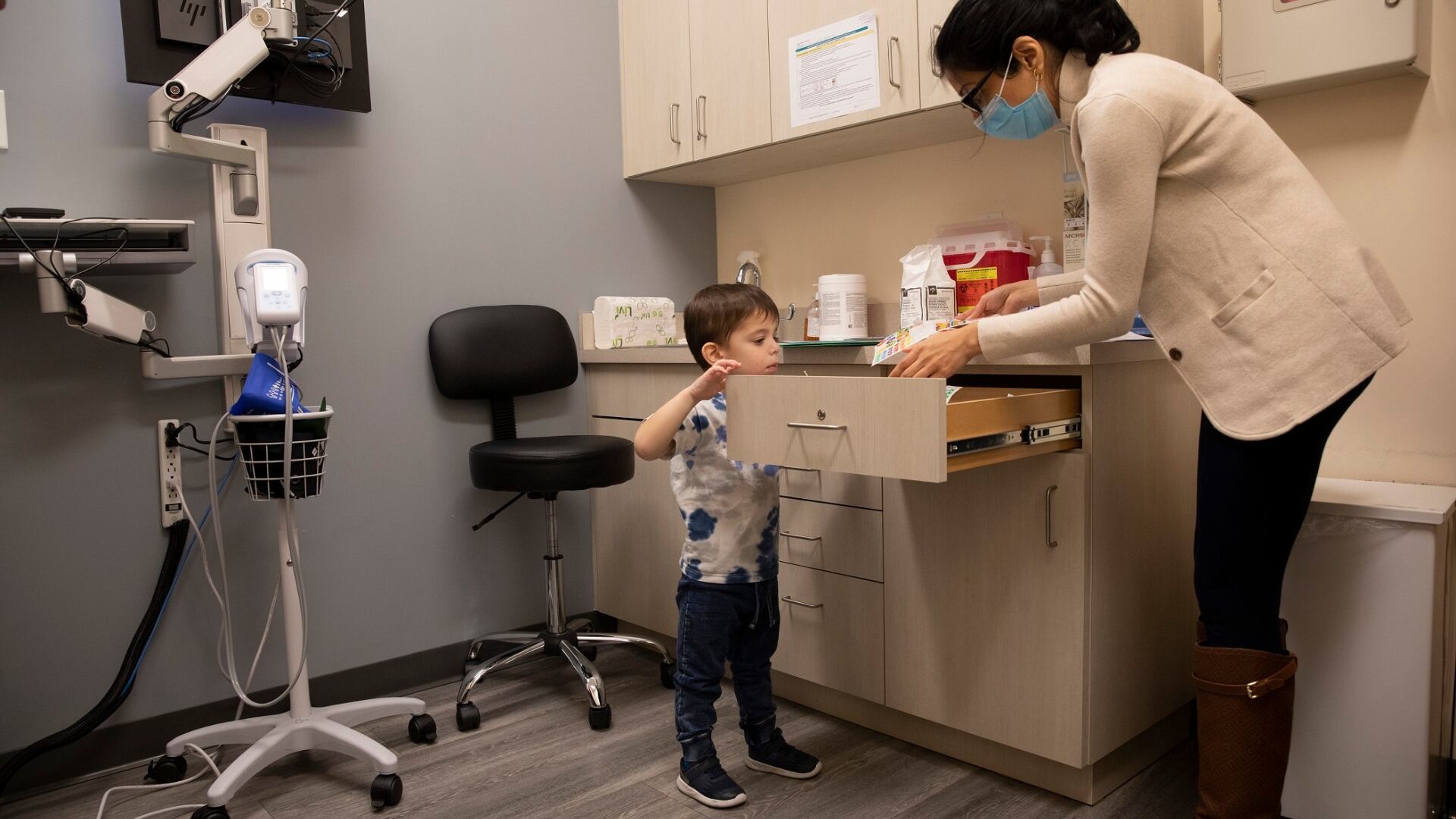
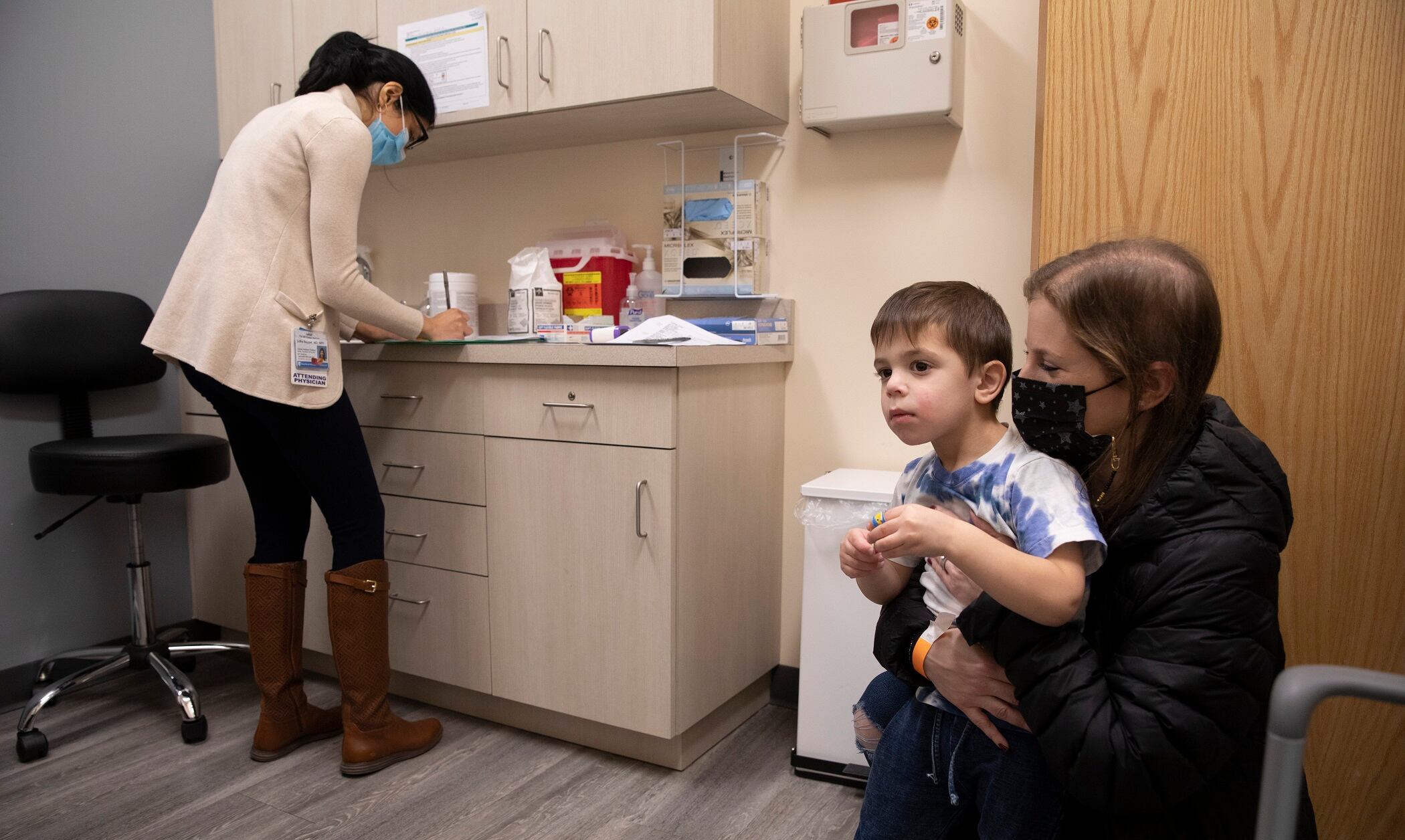
Moderna announced it's seeking emergency use approval for its COVID-19 vaccine from the FDA for children under 6 years old. A former FDA associate commissioner and the president and co-founder of the Center for Medicine in the Public Interest (CMPI) Peter Pitts joined Cheddar News to talk about the timeline, benefits, and risks that come with the approval of the vaccine. "We want to protect their parents and their grandparents and their caregivers and their daycare providers, so it's all about protecting not just the kids but all around the people that are surrounding those kids," he said.
Moderna says its COVID-19 vaccine works in babies, toddlers and preschoolers. The company announced early findings Wednesday from a study of children younger than 6.
Catching you up on what you Need to Know on Mar 23, 2022, as NATO meets in Brussels to discuss Ukraine, mortgage rates rise, Justin Trudeau is set to lead Canada until 2025, tornadoes sweep through Louisiana, California may do away with SATs, and a Starbucks in Seattle unionizes.