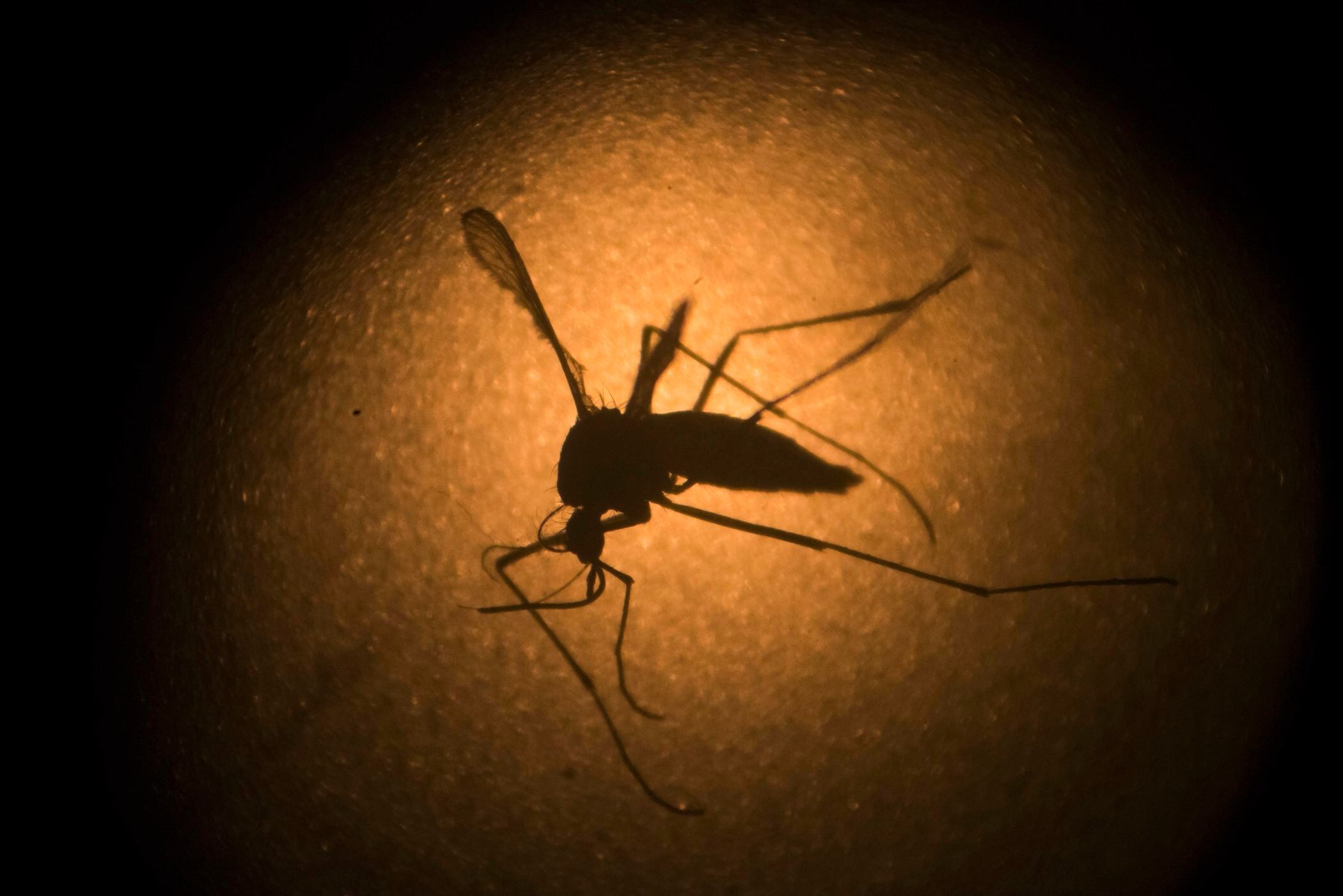
In this Jan. 27, 2016, file photo, an Aedes aegypti mosquito known to carry the Zika virus, is photographed through a microscope at the Fiocruz institute in Recife, Pernambuco state, Brazil. (AP Photo/Felipe Dana, File)
Genetically modified mosquitoes are being released in the Florida Keys in an effort to combat persistent insect-borne diseases such as Dengue fever and the Zika virus.
The Florida Keys Mosquito Control District and the Oxitec biotechnology company announced Thursday that release boxes, non-release boxes and netted quality control boxes are being placed this week in six locations: two on Cudjoe Key, one on Ramrod Key and three on Vaca Key.
Starting early next month, less than 12,000 mosquitoes are expected to emerge each week for approximately 12 weeks. Untreated comparison sites will be monitored with mosquito traps on Key Colony Beach, Little Torch Key and Summerland Key.
“We really started looking at this about a decade ago, because we were in the middle of a dengue fever outbreak here in the Florida Keys,” Florida Keys Mosquito Control District executive director Andrea Leal said during a video news conference. “So we’re just very excited to move forward with this partnership, working both with Oxitec and members of the community.”
Keys officials approved the pilot project last year involving the striped-legged Aedes aegypti mosquito, which is not native to Florida. The insect transmits several diseases to humans, particularly in the Keys island chain where dozens of cases of dengue fever were reported last year.
Oxitec’s non-biting male mosquitoes are expected to mate with the local biting female mosquitoes. The female offspring of these encounters cannot survive, controlling the Aedes aegypti population. The Aedes aegypti mosquito makes up about 4% of the mosquito population in the Keys but is responsible for virtually all mosquito-borne diseases transmitted to humans. This mosquitoes transmit dengue, Zika, yellow fever and other human diseases, and can transmit heartworm and other potentially deadly diseases to pets and other animals.
An earlier version of the genetically-modified mosquitoes was used in Brazil, but this is the first time they have been used in the United States.
“We’re an organization comprised of very passionate individuals working to develop solutions that can have a public health impact,” Oxitec CEO Grey Frandsen said. “We have people living in the Keys. We have spent a huge amount of time engaging with residents, with community leaders, with small businesses, and have seen the results of that.”
Some people worry about using genetically-modified organisms, or GMOs, that they believe could alter the planet’s natural balance. Barry Wray, director of the Florida Keys Environmental Coalition, has said that officials have no idea what the insects will do.
It’s also unclear whether the genetically-modified mosquitoes will be able to accomplish their intended task, said Max Moreno, an expert in mosquito-borne diseases at Indiana University who is not involved in the company or the pilot project. Moreno has said the lab-created males might have a difficult time competing with rivals that have gone through the natural selection process, in which only the fittest survive and mate.
The genetically-modified mosquitoes have been approved by the Environmental Protection Agency and the Florida Department of Agriculture and Consumer Services, officials said. It also has support from the U.S. Centers for Disease Control and Prevention. The project is being funded by Oxitec.
The 2022 County Health Rankings largely found that the pandemic worsened the burdens faced by women, people of color, and in low income brackets. Cheddar News speaks with Sheri Johnson, co-director of County Health Rankings and Roadmaps who breaks down the details.
With National Infertility Awareness Week underway, the fertility and family-building benefits provider for employers, Kindbody, is looking to make a full suite of treatments and care accessible — including for LGBTQ+ patients. Founder and chairwoman Gina Bartasi joined Cheddar's Opening Bell to talk about the importance of infertility awareness, what role employers play in offering benefits, and how to remove the stigma around the fertility conversation. "We have to talk about the patient holistically, not just fertility services, but what can we do from a mental health standpoint to support patients," she said. "Most patients talk about fertility being more stressful than divorce, infertility being more prevalent than cancer or diabetes. So it is our mission, remains our mission, to elevate awareness around infertility, not just [during] National Infertility Awareness Week."
New York City’s geography makes it particularly at risk to the impacts of climate change - like rising seas and subsequent flooding. The city has already experienced the effects of increasingly severe weather. In response, the city is building a plan to protect itself, from flood walls, to levees, to redesigning its coast.
With mask mandates lifted across various parts of the country, healthy indoor air quality in public spaces is more crucial than ever before. According to the CDC, proper ventilation, in addition to other preventative measures, is instrumental to preventing the rapid spread of covid-19 indoors. As the push for higher air quality ramps up, AtmosAir is providing a high-tech solution for cleaner, greener air indoors. Steve Levine, CEO, AtmosAir, joined Cheddar’s Opening Bell to discuss.
Catching you up on what you need to know on April 27, 2022, with Tesla stocks absorbing an initial hit following Elon Musk's purchase of Twitter, Russia pausing its natural gas supplies to Poland and Bulgaria, NASA's SpaceX Crew-4 mission taking off, and more.
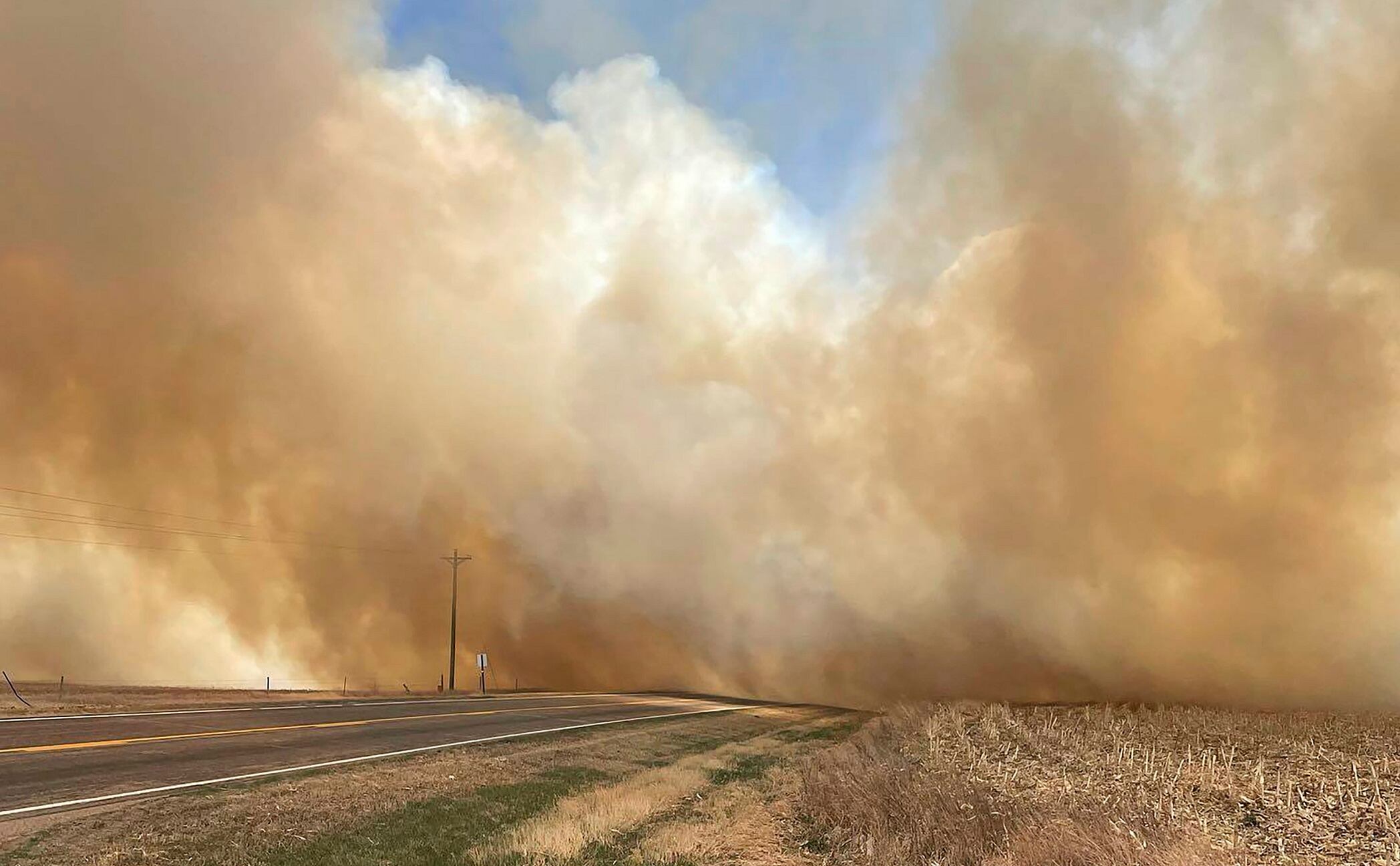
New Mexico is under a state of emergency after flames scorched across 84 square miles. Strong winds fueled 20 wildfires, destroying hundreds of buildings in the state this weekend. New Mexico is just one of several states across the southwest facing severe wildfires. James McMullen, retired California state fire marshal and forensic fire expert, joins Cheddar News to discuss.
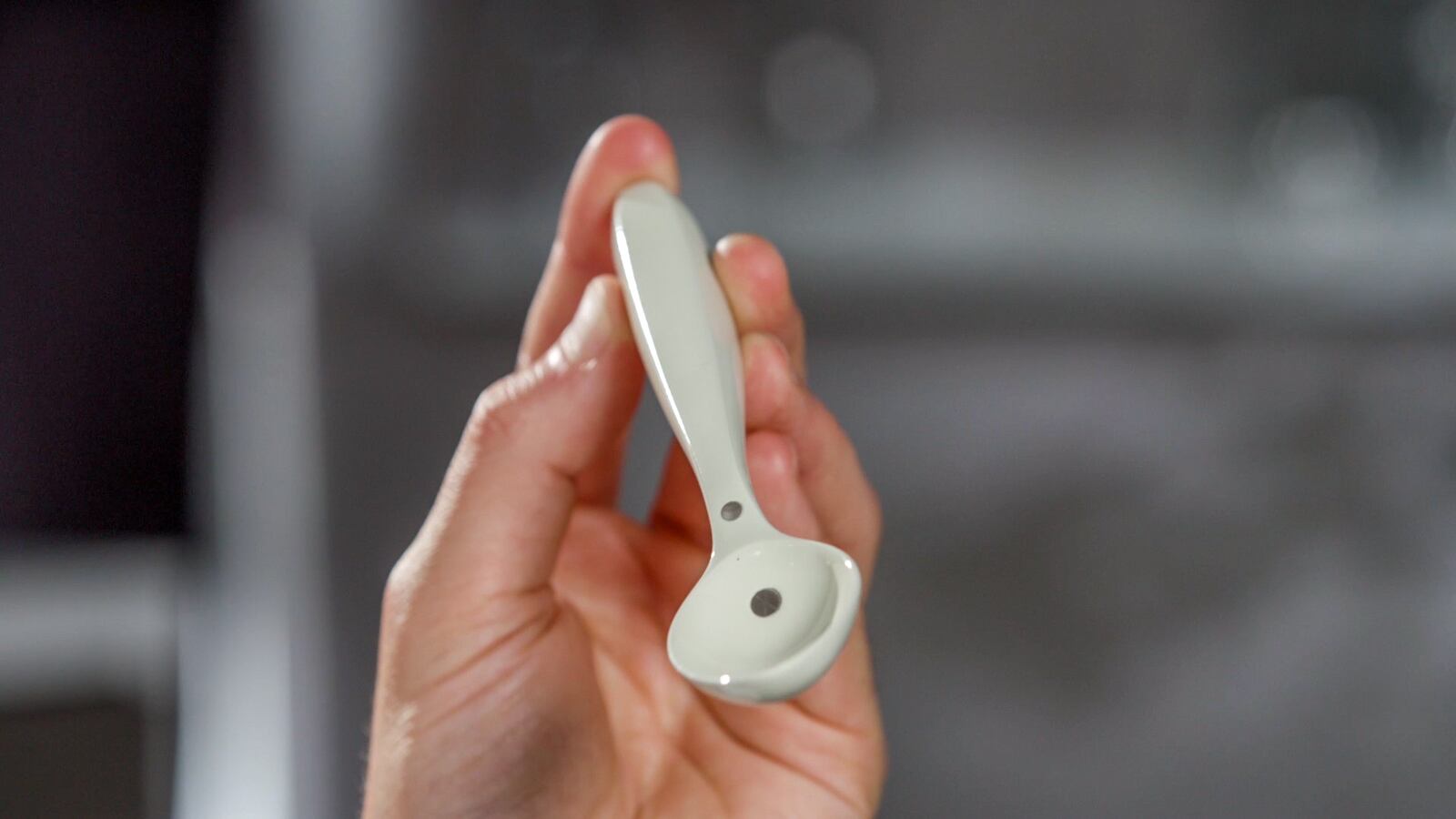
SpoonTEK is an eating utensil that uses new technology to enhance flavors. Co-founders Ken and Cameron Davidov join Cheddar News to explain how the high-tech silverware can not only boost taste but also the health of its user.
Tim Brown, research professor at Desert Research Institute and director at the Western Regional Climate Center, joins Cheddar News to discuss the environmental impact of recent wildfires.
Vice President Kamala Harris tested positive for COVID-19 on Tuesday, the White House announced. That's underscoring the persistence of the highly contagious virus even as the U.S. eases restrictions in a bid to revert to pre-pandemic normalcy.