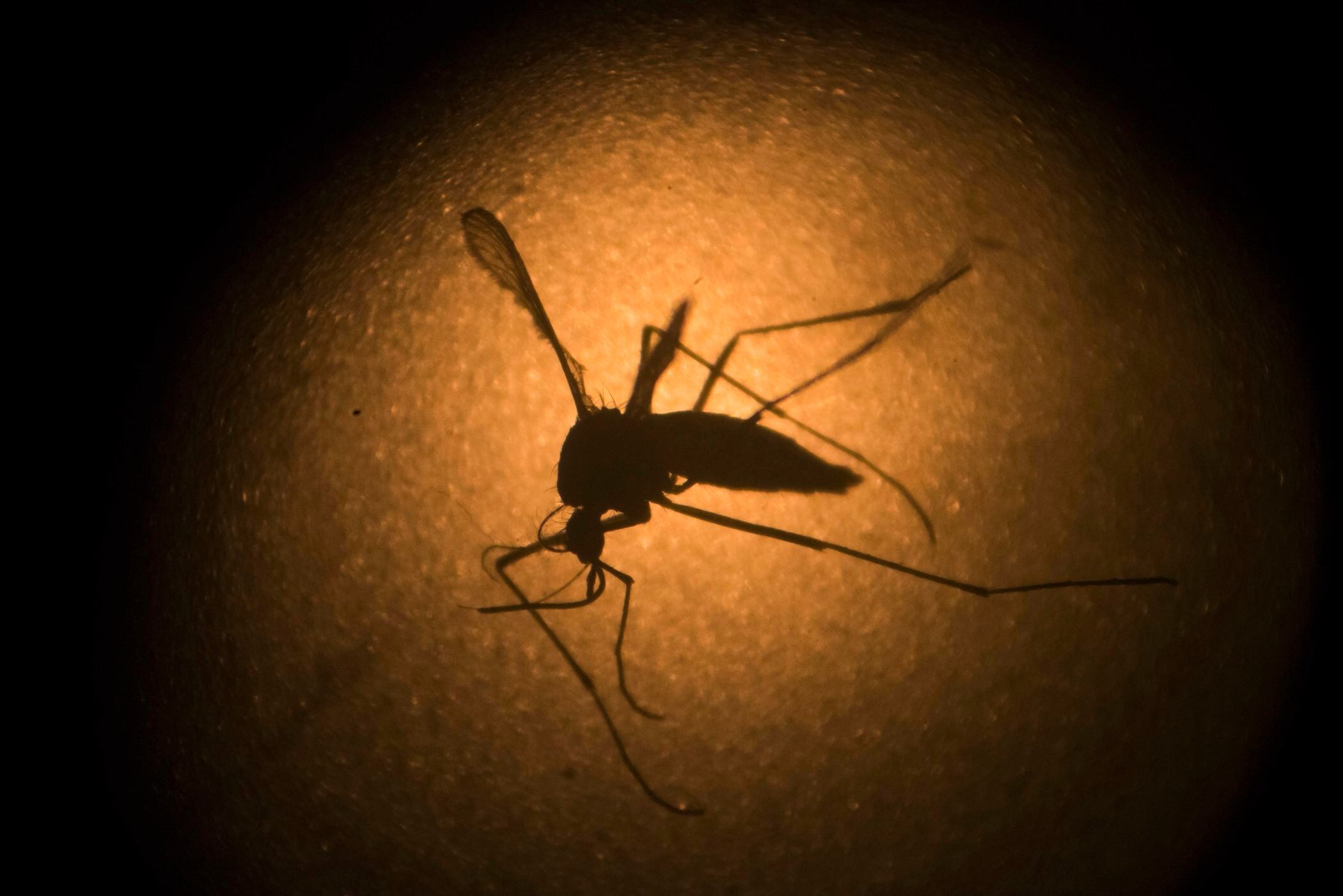
Genetically modified mosquitoes are being released in the Florida Keys in an effort to combat persistent insect-borne diseases such as Dengue fever and the Zika virus.
The Florida Keys Mosquito Control District and the Oxitec biotechnology company announced Thursday that release boxes, non-release boxes and netted quality control boxes are being placed this week in six locations: two on Cudjoe Key, one on Ramrod Key and three on Vaca Key.
Starting early next month, less than 12,000 mosquitoes are expected to emerge each week for approximately 12 weeks. Untreated comparison sites will be monitored with mosquito traps on Key Colony Beach, Little Torch Key and Summerland Key.
“We really started looking at this about a decade ago, because we were in the middle of a dengue fever outbreak here in the Florida Keys,” Florida Keys Mosquito Control District executive director Andrea Leal said during a video news conference. “So we’re just very excited to move forward with this partnership, working both with Oxitec and members of the community.”
Keys officials approved the pilot project last year involving the striped-legged Aedes aegypti mosquito, which is not native to Florida. The insect transmits several diseases to humans, particularly in the Keys island chain where dozens of cases of dengue fever were reported last year.
Oxitec’s non-biting male mosquitoes are expected to mate with the local biting female mosquitoes. The female offspring of these encounters cannot survive, controlling the Aedes aegypti population. The Aedes aegypti mosquito makes up about 4% of the mosquito population in the Keys but is responsible for virtually all mosquito-borne diseases transmitted to humans. This mosquitoes transmit dengue, Zika, yellow fever and other human diseases, and can transmit heartworm and other potentially deadly diseases to pets and other animals.
An earlier version of the genetically-modified mosquitoes was used in Brazil, but this is the first time they have been used in the United States.
“We’re an organization comprised of very passionate individuals working to develop solutions that can have a public health impact,” Oxitec CEO Grey Frandsen said. “We have people living in the Keys. We have spent a huge amount of time engaging with residents, with community leaders, with small businesses, and have seen the results of that.”
Some people worry about using genetically-modified organisms, or GMOs, that they believe could alter the planet’s natural balance. Barry Wray, director of the Florida Keys Environmental Coalition, has said that officials have no idea what the insects will do.
It’s also unclear whether the genetically-modified mosquitoes will be able to accomplish their intended task, said Max Moreno, an expert in mosquito-borne diseases at Indiana University who is not involved in the company or the pilot project. Moreno has said the lab-created males might have a difficult time competing with rivals that have gone through the natural selection process, in which only the fittest survive and mate.
The genetically-modified mosquitoes have been approved by the Environmental Protection Agency and the Florida Department of Agriculture and Consumer Services, officials said. It also has support from the U.S. Centers for Disease Control and Prevention. The project is being funded by Oxitec.