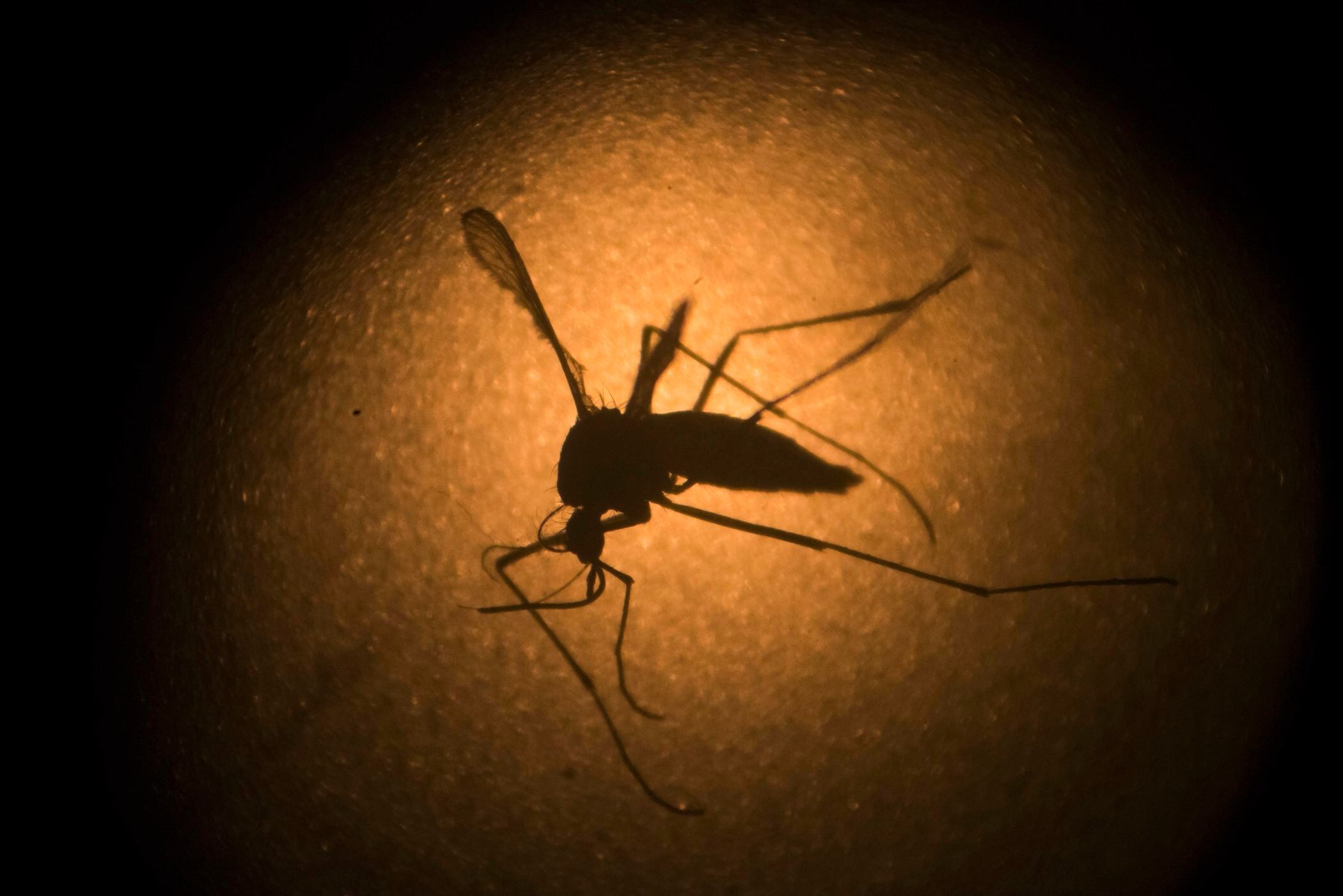
In this Jan. 27, 2016, file photo, an Aedes aegypti mosquito known to carry the Zika virus, is photographed through a microscope at the Fiocruz institute in Recife, Pernambuco state, Brazil. (AP Photo/Felipe Dana, File)
Genetically modified mosquitoes are being released in the Florida Keys in an effort to combat persistent insect-borne diseases such as Dengue fever and the Zika virus.
The Florida Keys Mosquito Control District and the Oxitec biotechnology company announced Thursday that release boxes, non-release boxes and netted quality control boxes are being placed this week in six locations: two on Cudjoe Key, one on Ramrod Key and three on Vaca Key.
Starting early next month, less than 12,000 mosquitoes are expected to emerge each week for approximately 12 weeks. Untreated comparison sites will be monitored with mosquito traps on Key Colony Beach, Little Torch Key and Summerland Key.
“We really started looking at this about a decade ago, because we were in the middle of a dengue fever outbreak here in the Florida Keys,” Florida Keys Mosquito Control District executive director Andrea Leal said during a video news conference. “So we’re just very excited to move forward with this partnership, working both with Oxitec and members of the community.”
Keys officials approved the pilot project last year involving the striped-legged Aedes aegypti mosquito, which is not native to Florida. The insect transmits several diseases to humans, particularly in the Keys island chain where dozens of cases of dengue fever were reported last year.
Oxitec’s non-biting male mosquitoes are expected to mate with the local biting female mosquitoes. The female offspring of these encounters cannot survive, controlling the Aedes aegypti population. The Aedes aegypti mosquito makes up about 4% of the mosquito population in the Keys but is responsible for virtually all mosquito-borne diseases transmitted to humans. This mosquitoes transmit dengue, Zika, yellow fever and other human diseases, and can transmit heartworm and other potentially deadly diseases to pets and other animals.
An earlier version of the genetically-modified mosquitoes was used in Brazil, but this is the first time they have been used in the United States.
“We’re an organization comprised of very passionate individuals working to develop solutions that can have a public health impact,” Oxitec CEO Grey Frandsen said. “We have people living in the Keys. We have spent a huge amount of time engaging with residents, with community leaders, with small businesses, and have seen the results of that.”
Some people worry about using genetically-modified organisms, or GMOs, that they believe could alter the planet’s natural balance. Barry Wray, director of the Florida Keys Environmental Coalition, has said that officials have no idea what the insects will do.
It’s also unclear whether the genetically-modified mosquitoes will be able to accomplish their intended task, said Max Moreno, an expert in mosquito-borne diseases at Indiana University who is not involved in the company or the pilot project. Moreno has said the lab-created males might have a difficult time competing with rivals that have gone through the natural selection process, in which only the fittest survive and mate.
The genetically-modified mosquitoes have been approved by the Environmental Protection Agency and the Florida Department of Agriculture and Consumer Services, officials said. It also has support from the U.S. Centers for Disease Control and Prevention. The project is being funded by Oxitec.
Virgin Galactic is reporting an increase in demand for commercial space flights after seeing a boost in ticket sales, raising the price for a seat on a shuttle to $450,000. The company said they now have 700 customers.
Jill Wagner and Baker Machado break down the state of the Opioid Crisis in the U.S. The CDC reported a 30% increase in overdose deaths from 2020 to 2021, but in recent months pharmaceutical companies have drastically raised the price of Naloxone or 'Narcan,' affecting the response of community harm prevention groups.
The world hit a grim milestone on Monday, with COVID-19 cases surpassing a quarter of a billion worldwide. As cases increase, the fight to beat the virus continues as well, with a number of medical breakthroughs coming out over the last few months in the form of pills from Pfizer and Merck. Regeneron is now the latest company to join the fight, recently releasing new data on a covid antibody cocktail. Professor Peter Pitts, former FDA Associate Commissioner and the founder of the Center for Medicine in the Public Interest breaks down the differences between the 3 treatments and why vaccines are still among the fire line of defense.
Jill and Carlo discuss the scenes of joy at American airports as borders reopen, another tool in the Covid toolbox, the latest in the Astroworld crowd crush tragedy and more.
The Biden Administration's mandate for COVID vaccinations by large employers has been put on hold by federal courts as GOP-led states and some businesses push back on the order's legality. Jonathan Adler, a law professor at Case Western Reserve University, joined Cheddar to discuss the legal challenges to implementing such mandates through OSHA (Occupational Safety and Health Administration). "Certainly expanding vaccinations is a good thing, and as vaccination rates go up that's better for all of us," Adler said. "But there are some legal questions about whether or not it's appropriate to use a law about occupational safety and health as the means to do that."
Dr. Nasia Safdar, Doctor at UW Madison, joined Wake Up With Cheddar to discuss the implications of Merck sharing its antiviral pill, which has been shown in early trials to cut hospitalizations and deaths by half, with poorer nations around the globe.
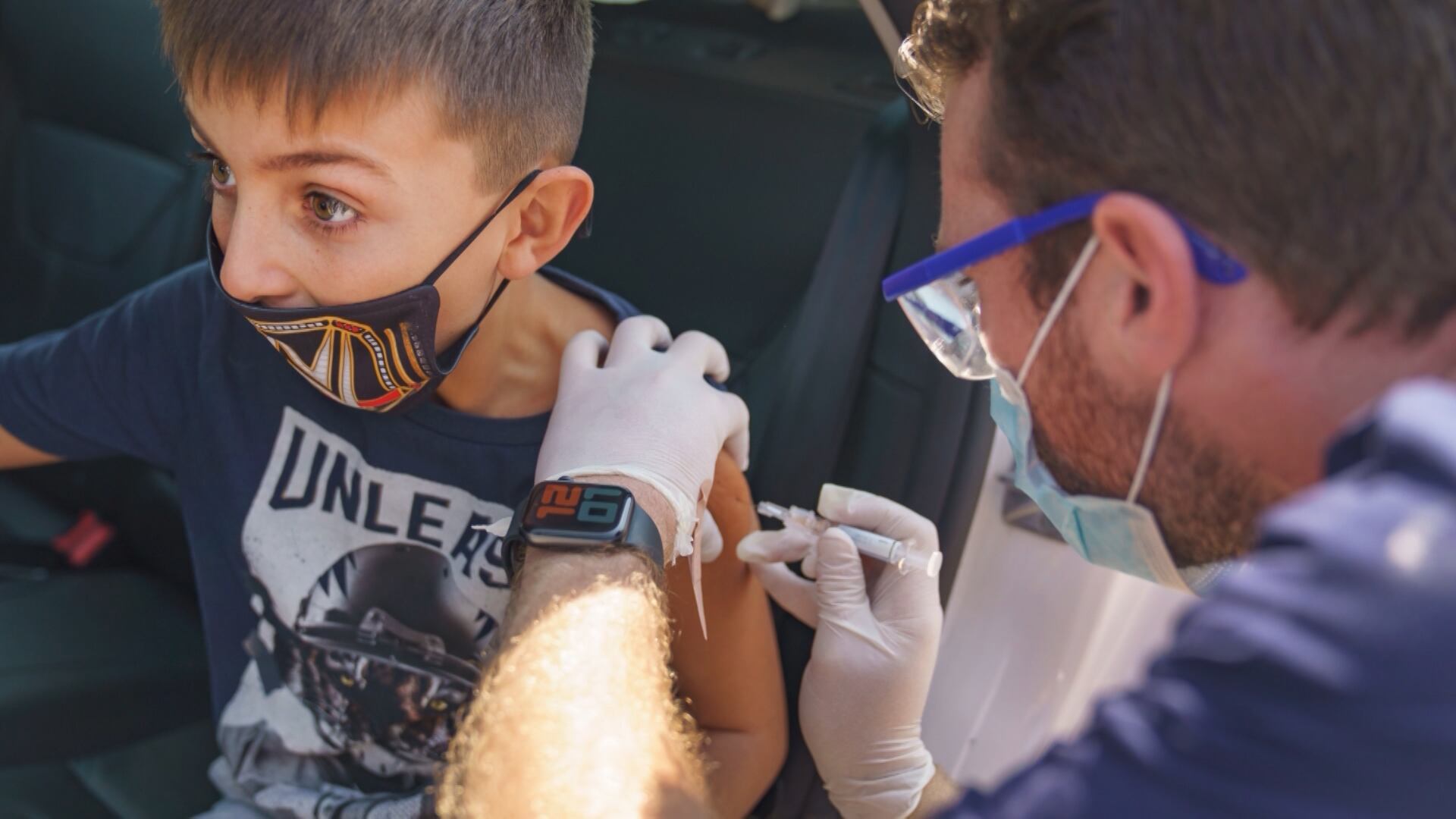
Dr. Robert Frenck, an infectious disease specialist at Cincinnati Children's Hospital, joined Cheddar to talk about the significance of children ages 5-11 being authorized to receive COVID-19 vaccinations. He also discussed schools being cleared to administer vaccines and noted the importance of meeting people where they are rather than forcing them to find the shots. Frenck also said he expects that children under 5 years old will begin getting vaccinations sometime in spring.
A CDC advisory committee as unanimously voted to recommend the Pfizer Covid-19 vaccine in children ages 5 to 11. Dr. Amesh Adalja, Infectious Disease Specialist and Senior Scholar at Johns Hopkins Center for Health Security, joined Cheddar News to discuss.
A Freitag pod with Carlo and Baker, talking about the upcoming federal vax-or-test deadline, the most shocking upset of this week's elections, an incredible story of selflessness and Love, Hate, Ate.