As the first set of Democratic candidates took the stage for the second round of presidential debates, some 2020 hopefuls criticized Sen. Bernie Sanders' (I-Vt.) plan to totally eliminate student loan debt by providing free college for all Americans.
During the debate, Sanders called for a political revolution to force Wall Street to pay for the crisis with a tax.
The "ultra-wealth tax" has gained steam among progressives in the race, like Massachusetts Sen. Elizabeth Warren. Because college costs are so high, Sanders argues, the wealth gap widens as most families are unable to pay for tuition. Therefore, his plan calls for the termination of student loan debt and would make two- and four-year public and tribal colleges and universities tuition-free and debt-free.
However, South Bend Mayor Pete Buttigieg who, in the last debate said he and his husband have a "six-figure student debt," rejected Sanders's plan to terminate all debt throughout the U.S., even though it would presumably mean his own family's debt would be forgiven.
<i>Sen. Amy Klobuchar, D-Minn., from left, South Bend Mayor Pete Buttigieg, Sen. Bernie Sanders, I-Vt., and Sen. Elizabeth Warren, D-Mass. / Photo Credit: Paul Sancya/AP/Shutterstock</i>
"That'd be great for us," Buttigieg said. "And then the next day there would be a student loan program and people would be out taking student loans wondering why they weren't lucky enough in timing to get theirs wiped away completely too."
Rather, the youngest candidate in the race proposed a plan to enact debt-free college for low- and middle-income students by expanding Pell Grants and "compelling states to pick up more of the burden." He also said he would open up access to a public service loan forgiveness program.
Like Buttigieg, former Texas Congressman Beto O'Rourke also disagreed with Sanders's plan for free college.
O'Rourke said he supports free two-year colleges, and debt-free four-year programs. He noted that his plan includes free board and books, a difference from other candidates' proposals.
Minnesota Sen. Amy Klobuchar, has said that taking on student debt is personal; however, she is wary of whose debt should be forgiven.
"I want to make it easier for kids to go to college, and I think we do it by using our resources on the people that need it the most," Klobuchar said Tuesday night.
Klobuchar critiqued Sanders's plan that would pay for all Americans to attend college, including students who are not in need. "It would literally pay for wealthy kids, for Wall Street kids, to go to college for free," she said.
Rather than providing free college to all young adults, Klobuchar said she plans to refinance loans and expand repayments for teachers.
The only candidate to offer support for Sanders' plan was author Marianne Williamson, who said a candidate must focus on stimulating the economy: "The best thing to do to stimulate this economy is to get rid of this debt."
Warren spoke briefly about her plan to end student debt, which includes universal, tuition-free college for all kids, increased Pell Grants and increasing funding in historically black colleges and universities by $50 billion. "It cancels student loan debt for 95 percent of the kids with student loan debt, and helps close the black-white wealth gap in America," said Warren
For more on 2020 candidates' plan to fix the student loan debt, click here.
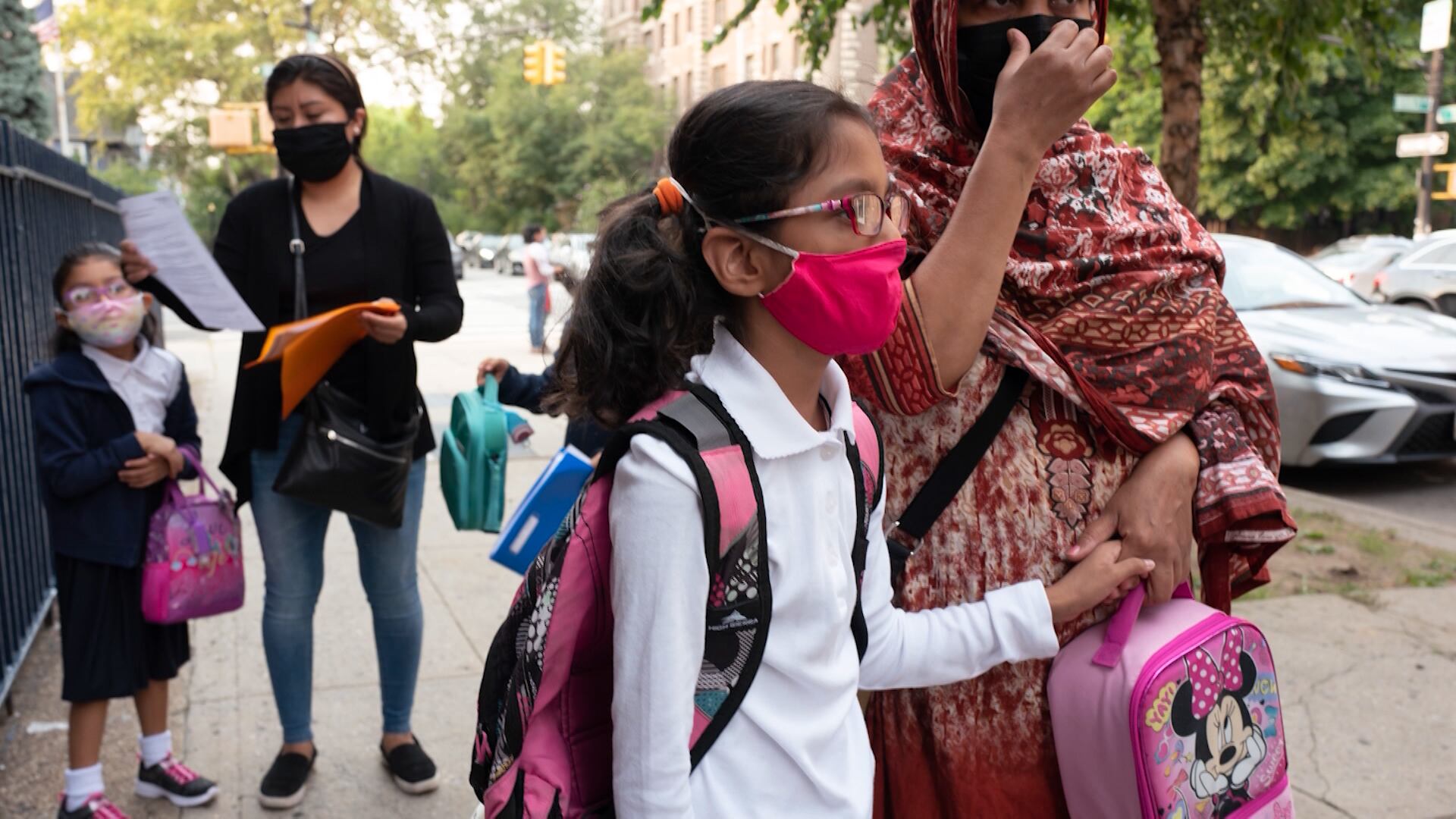
Gifted and talented education programs in schools throughout the United States are falling under greater scrutiny as the race and class divide in the programs remain wide. Marcia Gentry, a professor of educational studies and the director of the Gifted Education Research and Resource Institute at Purdue University, joined Cheddar to weigh in on if advanced tracking for students can also be equitable for lower income students and students of color.
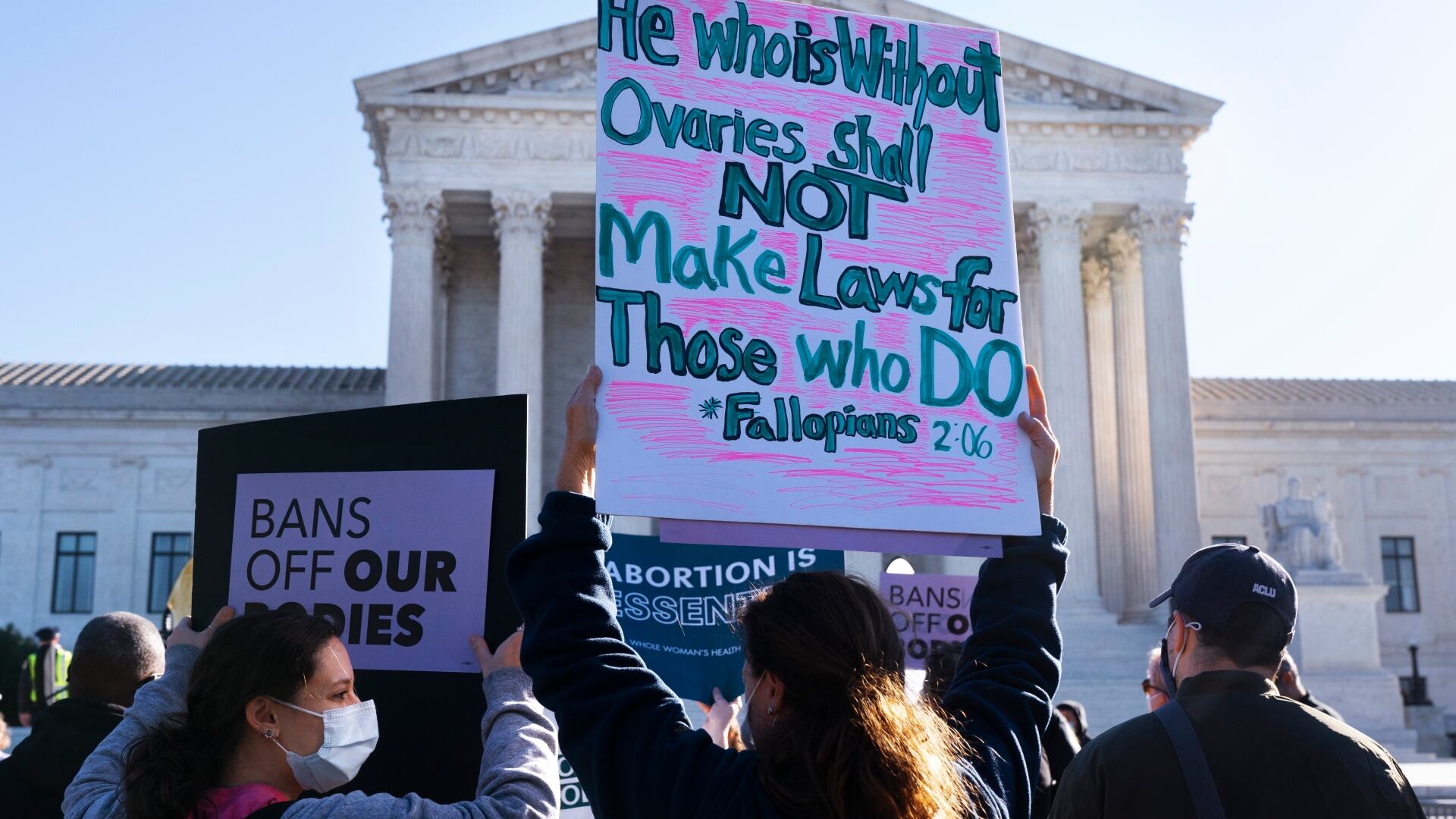
The Supreme Court is now weighing in on one of the nation's most restrictive abortion laws. The Texas law, which was enacted on September 1, bans abortions after six weeks of pregnancy. In addition, it allows any private citizen to sue anyone who helps a woman get an abortion. Jimmy Hoover, Supreme Court Editor-At-Large at Law360, joined Cheddar News to discuss more.
House Democrats are scrambling to hold a vote as soon as Tuesday on President Joe Biden's economic agenda — both the $1 trillion bipartisan infrastructure bill and the $1.85 trillion social safety net and climate bill. With Biden still overseas, the bill stands in flux. Jennifer Haberkorn, congressional reporter at the Los Angeles Times, joined Cheddar's "Opening Bell" to discuss.
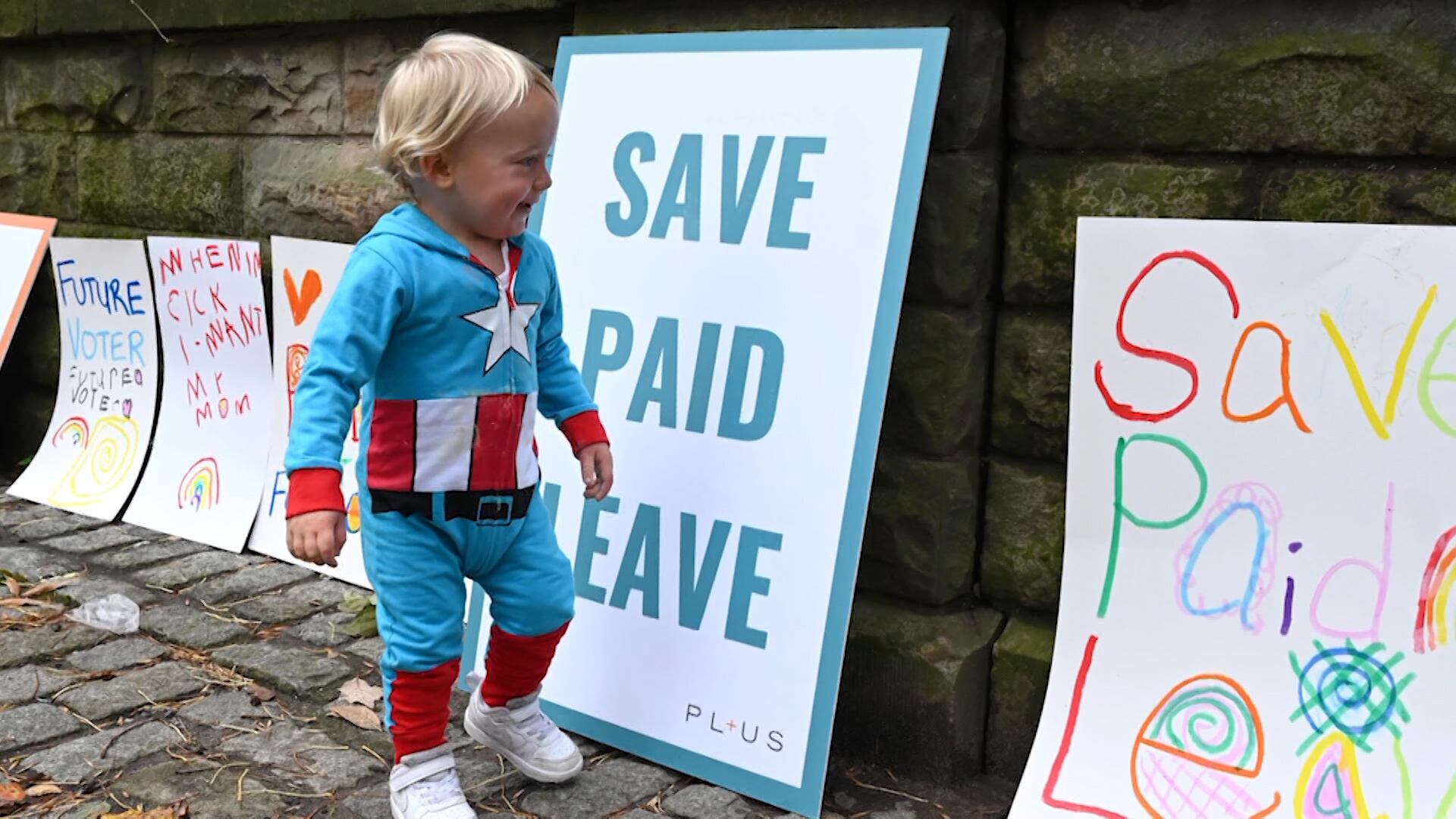
Lauren Brody, author of "The Fifth Trimester," joined Cheddar to talk about the ongoing fight for a national paid family leave policy after it was cut from the Democratic reconciliation bill negotiation reportedly due to objections from Senator Manchin. Brody discussed how parents are often forced to choose between work and caring for their family and newborns — or even taking time to deal with a traumatic loss. "Frankly, it's appalling to me that we live in a place that doesn't support people who have experienced the death of a baby and then had to go right back to work," she noted.
Even with pandemic lockdowns, greenhouse gas levels reached new highs in 2020, according to the World Meteorological Organization. This report comes just a week ahead of the United Nations Climate Change Conference, otherwise known as Cop26. Shannon Osaka, climate policy and solutions reporter at Grist, joined Cheddar's Between Bells to discuss.
Paid family & medical leave is left out of President Joe Biden's Build Back Better domestic policy plan. Abby Vesoulis, reporter for TIME joins Cheddar News to breakdown what this means for Americans.
Carlo's flying solo today, talking COP26 and climate change, another racially charged trial gets underway, SCOTUS takes on abortion and a stunning rise in traffic deaths points to a bigger societal breakdown sparked by the pandemic.
World leaders will converge this weekend at the 2021 G20 Summit in Rome and the UN COP26 conference in Glasgow with the climate crisis on the agenda. Lord Adair Turner, chair of the Energy Transitions Commission, joined Cheddar to discuss what people can expect to come out of the climate-focused conferences. Turner also noted that one of the biggest hurdles for the attending nations will be coming to a uniform decision on expanding on the Paris Climate Accord goals that have become insufficient to prevent global warming by 1.5 degrees celsius.