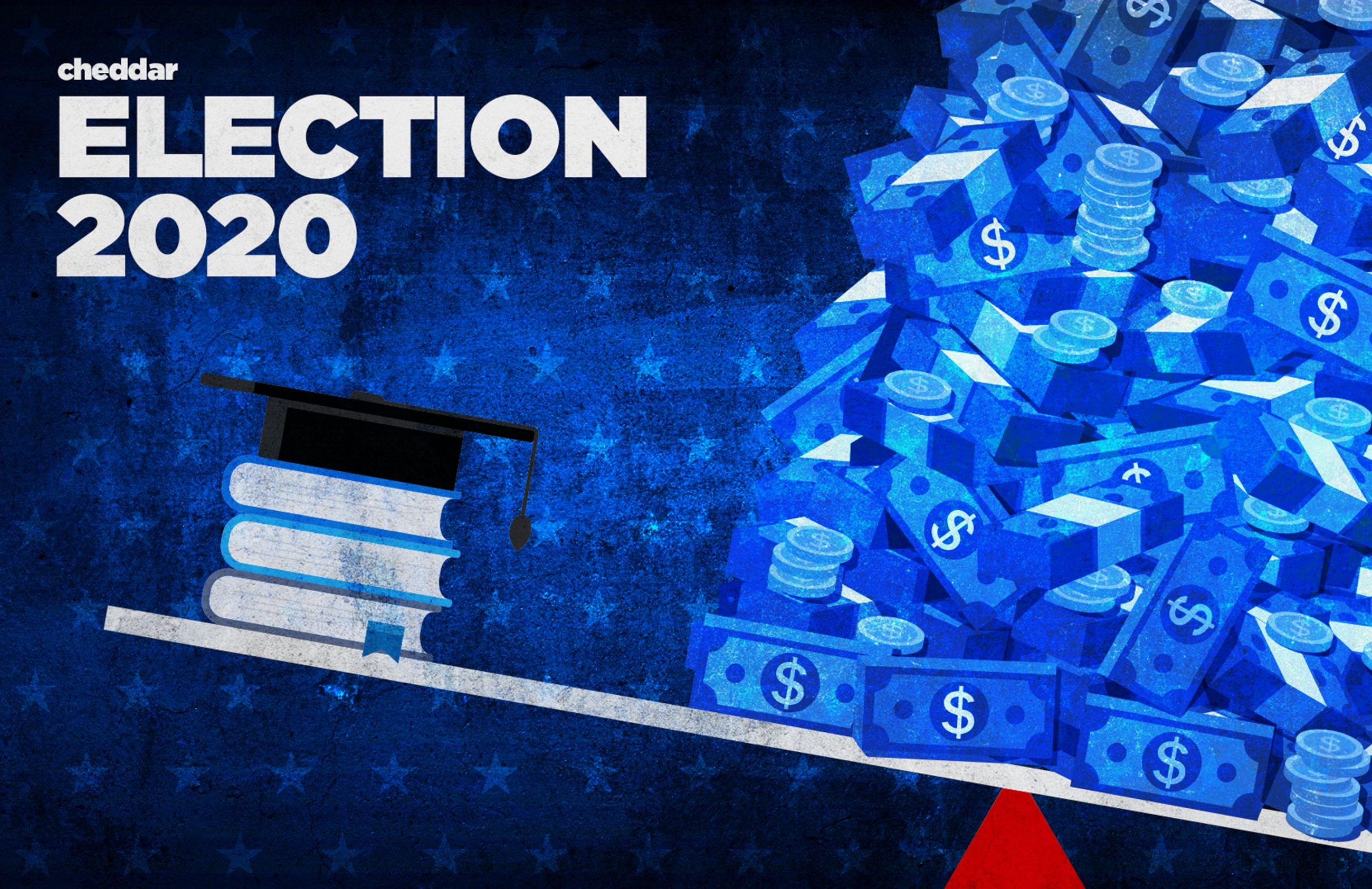
As the first set of Democratic candidates took the stage for the second round of presidential debates, some 2020 hopefuls criticized Sen. Bernie Sanders' (I-Vt.) plan to totally eliminate student loan debt by providing free college for all Americans.
During the debate, Sanders called for a political revolution to force Wall Street to pay for the crisis with a tax.
The "ultra-wealth tax" has gained steam among progressives in the race, like Massachusetts Sen. Elizabeth Warren. Because college costs are so high, Sanders argues, the wealth gap widens as most families are unable to pay for tuition. Therefore, his plan calls for the termination of student loan debt and would make two- and four-year public and tribal colleges and universities tuition-free and debt-free.
However, South Bend Mayor Pete Buttigieg who, in the last debate said he and his husband have a "six-figure student debt," rejected Sanders's plan to terminate all debt throughout the U.S., even though it would presumably mean his own family's debt would be forgiven.
<i>Sen. Amy Klobuchar, D-Minn., from left, South Bend Mayor Pete Buttigieg, Sen. Bernie Sanders, I-Vt., and Sen. Elizabeth Warren, D-Mass. / Photo Credit: Paul Sancya/AP/Shutterstock</i>
"That'd be great for us," Buttigieg said. "And then the next day there would be a student loan program and people would be out taking student loans wondering why they weren't lucky enough in timing to get theirs wiped away completely too."
Rather, the youngest candidate in the race proposed a plan to enact debt-free college for low- and middle-income students by expanding Pell Grants and "compelling states to pick up more of the burden." He also said he would open up access to a public service loan forgiveness program.
Like Buttigieg, former Texas Congressman Beto O'Rourke also disagreed with Sanders's plan for free college.
O'Rourke said he supports free two-year colleges, and debt-free four-year programs. He noted that his plan includes free board and books, a difference from other candidates' proposals.
Minnesota Sen. Amy Klobuchar, has said that taking on student debt is personal; however, she is wary of whose debt should be forgiven.
"I want to make it easier for kids to go to college, and I think we do it by using our resources on the people that need it the most," Klobuchar said Tuesday night.
Klobuchar critiqued Sanders's plan that would pay for all Americans to attend college, including students who are not in need. "It would literally pay for wealthy kids, for Wall Street kids, to go to college for free," she said.
Rather than providing free college to all young adults, Klobuchar said she plans to refinance loans and expand repayments for teachers.
The only candidate to offer support for Sanders' plan was author Marianne Williamson, who said a candidate must focus on stimulating the economy: "The best thing to do to stimulate this economy is to get rid of this debt."
Warren spoke briefly about her plan to end student debt, which includes universal, tuition-free college for all kids, increased Pell Grants and increasing funding in historically black colleges and universities by $50 billion. "It cancels student loan debt for 95 percent of the kids with student loan debt, and helps close the black-white wealth gap in America," said Warren
For more on 2020 candidates' plan to fix the student loan debt, click here.
Dr. Nasia Safdar, Doctor at UW Madison, joined Wake Up With Cheddar to discuss the implications of Merck sharing its antiviral pill, which has been shown in early trials to cut hospitalizations and deaths by half, with poorer nations around the globe.
The Federal Reserve finally announced its taper plan on Wednesday saying that it planned to scale back on bond purchases as growth slows, and would not rush to raise interest rates. Ross Mayfield, Investment Strategy Analyst at Baird spoke on whether or not a decrease in inflation could be in the country’s future amidst comments made by Fed chairman Jerome Powell. Baird also broke down ADP jobs numbers ahead of the Labor Department's October jobs report.
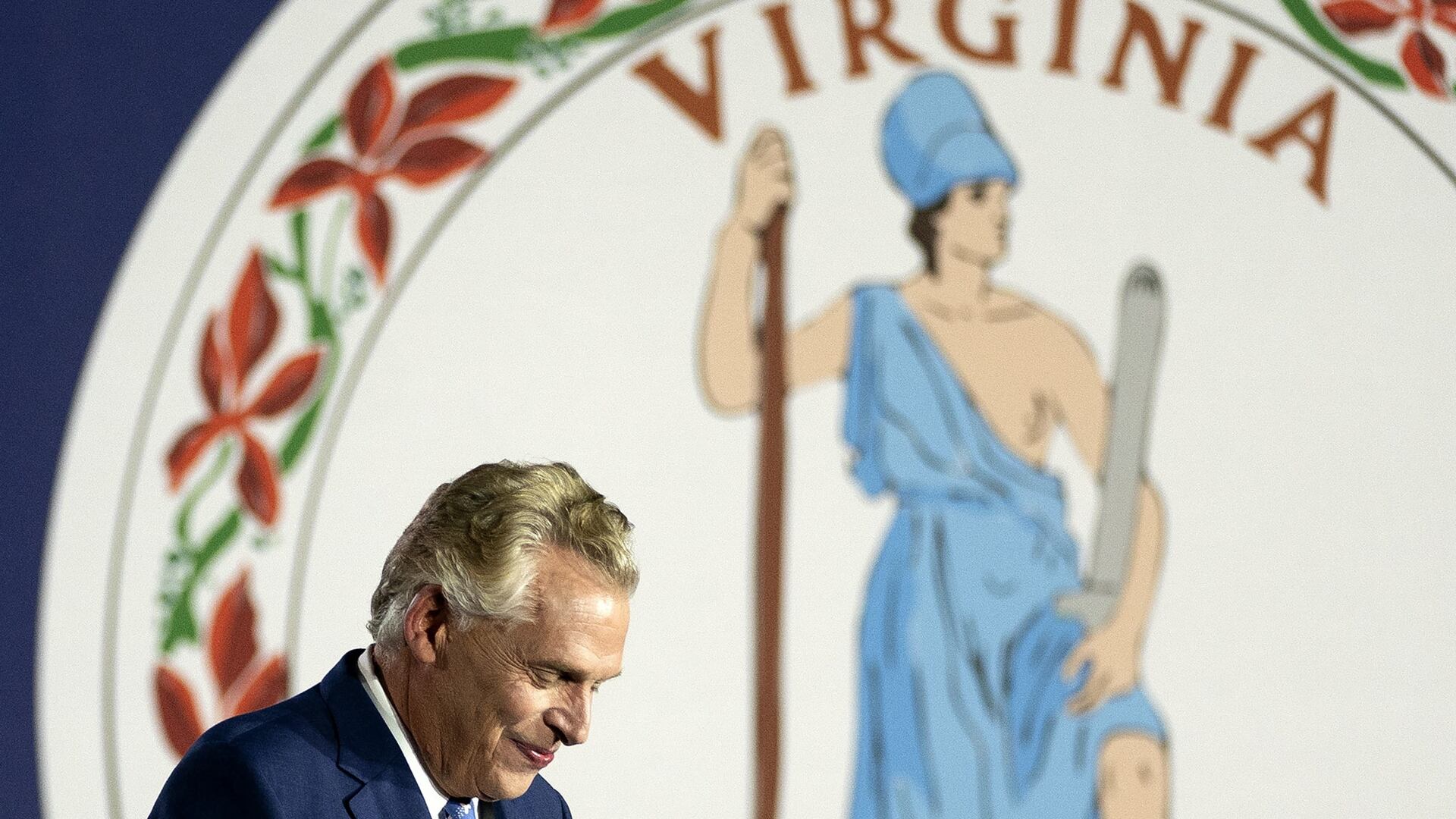
Going into election day on Tuesday, many of us had an inkling it might not be a great day for Democrats. History tells us the president's party tends to lose congressional seats, governorships and state legislature seats in off-year and midterm elections. Tuesday turned out to be a big wake-up call for democrats. Not only did Terry McAuliffe lose in the Virginia governor's race, Gov. Phil Murphy won re-election by an incredibly slim margin. Both races saw continued Democratic losses in rural areas and a shift of suburban voters back to the GOP. Liz Landers, chief political correspondent at Vice News, joins Cheddar Politics to discuss.
Week one of UN climate summit is coming to an end, world leaders made a number of promises to save the planet. President Biden attended the first two days of the meeting.
Alan Neuhauser, vice president of Silverline Communications, joined Cheddar Politics to talk more about the pledges that came out from the summit and their significance.
It's been a busy week for the Supreme Court. It heard arguments on three of the most watched cases in the docket for this term. The court heard arguments in two cases challenging the Texas abortion law on Monday - one filed by abortion providers and the other by the justice department. Instead of weighing in on the constitutionality of the matter itself, justices focused on the unusual structure of the law that enables citizens to enforce the law, not the state government.
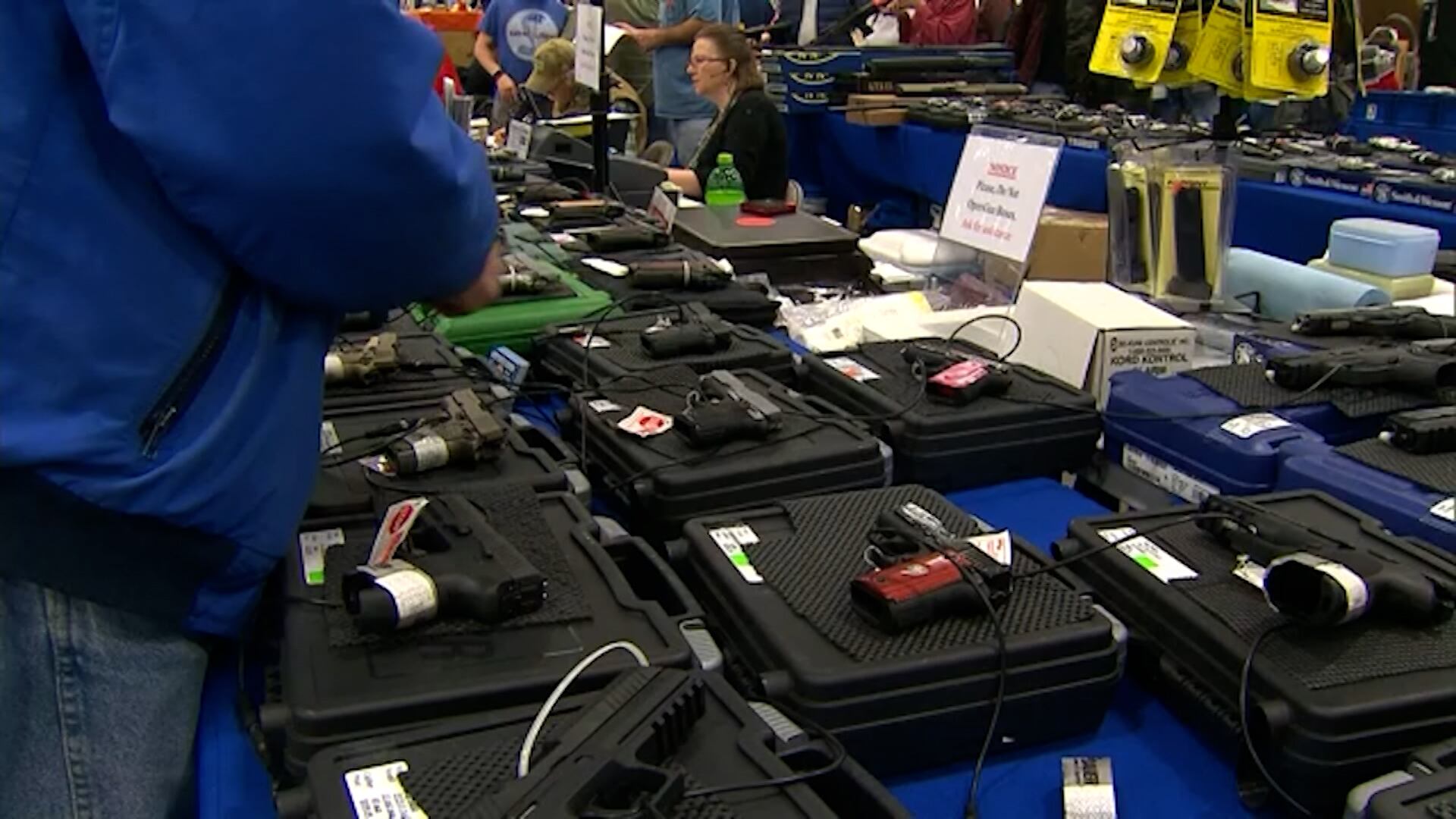
On Wednesday, the court heard arguments in the biggest Second Amendment case in more than a decade. The dispute is over a New York gun law that requires people seeking a license to carry a handgun in public to show a "proper cause." The challengers in this case claim the law inhibits their constitutional Second Amendment rights.
Amy Howe, co-founder of SCOTUSBlog, joined Cheddar Politics to break the cases down.
This is the first installment of Cheddar Changemakers, where we spotlight young activists making a difference in the world and speaking up on issues regarding mental health, voting, and climate change.
Republicans are considered, and often act like, the party opposed to action on climate change. They've made a point of fighting even modest regulations on businesses related to stemming the worst effects of climate change. But Republicans aren't a monolith on climate change, and our next guest reminds us that "conservation" and "conservative" have the same word root.
Quill Robinson, VP of government affairs at the American Conservation Coalition, joins Cheddar Politics to discuss.
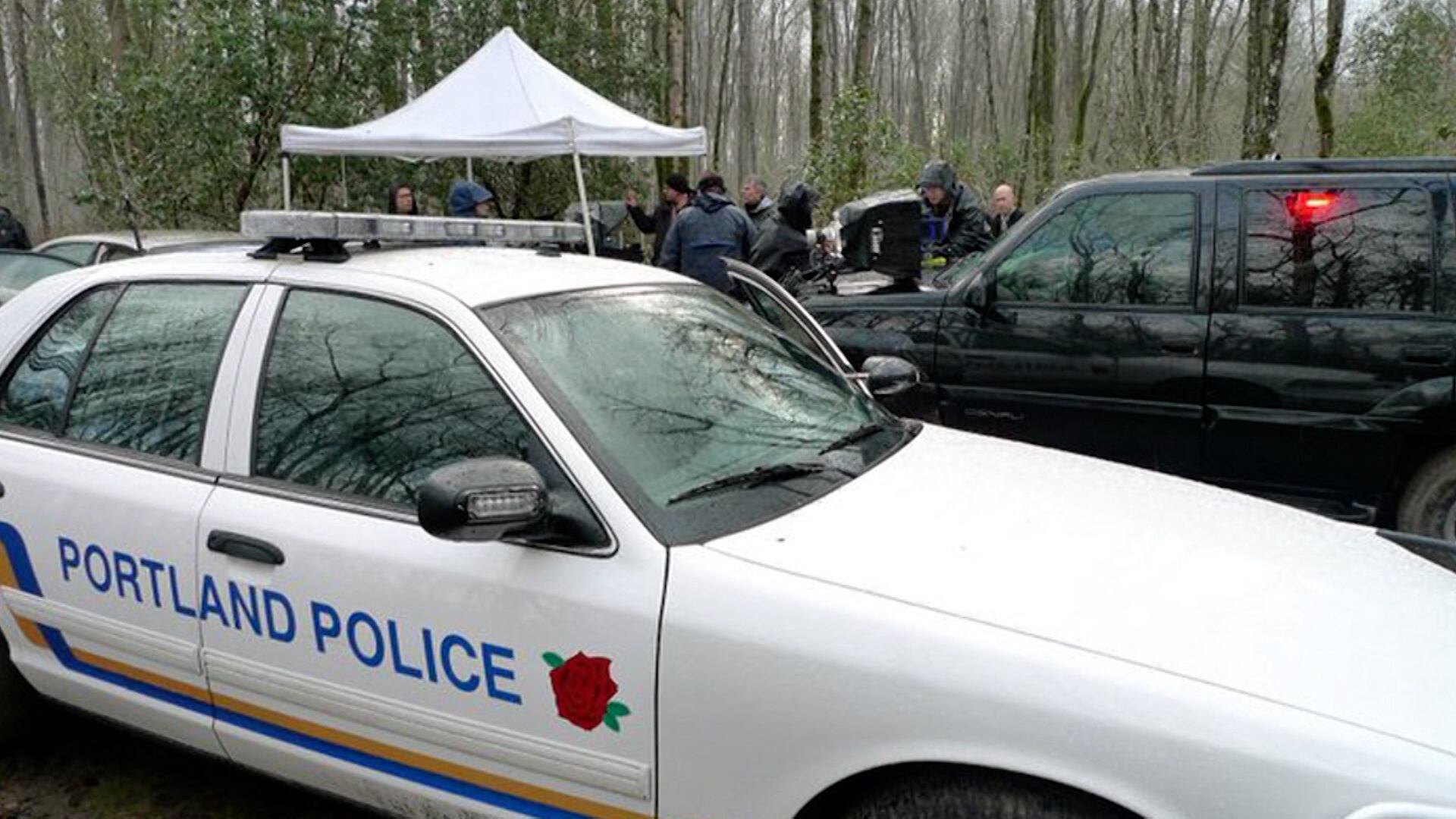
The mayor of Portland, Oregon, Ted Wheeler joined Cheddar News Wrap to discuss his plans to get an increase in the city's police budget for more personnel, changes to public safety response, and more body cameras. The Democratic mayor addressed the growth in violent crimes amid the pandemic, but noted the need for officers who take their roles seriously. We want officers who understand that policing is an important responsibility, it's a high calling," he said. "We also want a police bureau that is accountable and responsible to the public it serves."
More American tech companies continue to pull their businesses out of China as the Communist Party cracks down on firms — both foreign and domestic. Yahoo and Fortnite have become the latest companies to withdraw from the country, and the withdrawals come just days after Microsoft announced it would take LinkedIn offline. Shehzad Qazi, managing director at China Beige Book International, joined Cheddar to provide some insight into how the crackdowns in China would also impact the tech companies at home in the United States.