As the first set of Democratic candidates took the stage for the second round of presidential debates, some 2020 hopefuls criticized Sen. Bernie Sanders' (I-Vt.) plan to totally eliminate student loan debt by providing free college for all Americans.
During the debate, Sanders called for a political revolution to force Wall Street to pay for the crisis with a tax.
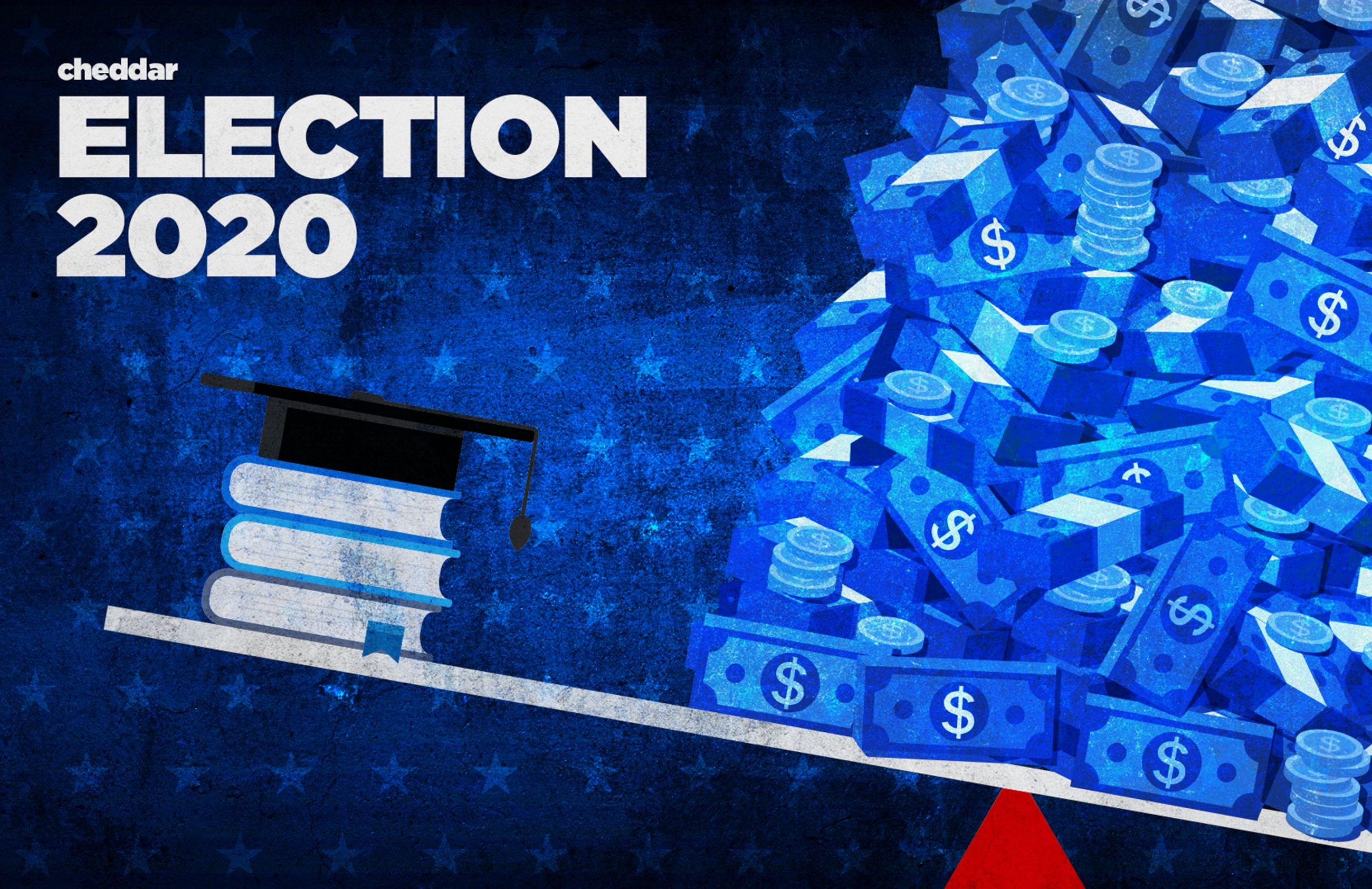
The "ultra-wealth tax" has gained steam among progressives in the race, like Massachusetts Sen. Elizabeth Warren. Because college costs are so high, Sanders argues, the wealth gap widens as most families are unable to pay for tuition. Therefore, his plan calls for the termination of student loan debt and would make two- and four-year public and tribal colleges and universities tuition-free and debt-free.
However, South Bend Mayor Pete Buttigieg who, in the last debate said he and his husband have a "six-figure student debt," rejected Sanders's plan to terminate all debt throughout the U.S., even though it would presumably mean his own family's debt would be forgiven.
<i>Sen. Amy Klobuchar, D-Minn., from left, South Bend Mayor Pete Buttigieg, Sen. Bernie Sanders, I-Vt., and Sen. Elizabeth Warren, D-Mass. / Photo Credit: Paul Sancya/AP/Shutterstock</i>
"That'd be great for us," Buttigieg said. "And then the next day there would be a student loan program and people would be out taking student loans wondering why they weren't lucky enough in timing to get theirs wiped away completely too."
Rather, the youngest candidate in the race proposed a plan to enact debt-free college for low- and middle-income students by expanding Pell Grants and "compelling states to pick up more of the burden." He also said he would open up access to a public service loan forgiveness program.
Like Buttigieg, former Texas Congressman Beto O'Rourke also disagreed with Sanders's plan for free college.
O'Rourke said he supports free two-year colleges, and debt-free four-year programs. He noted that his plan includes free board and books, a difference from other candidates' proposals.
Minnesota Sen. Amy Klobuchar, has said that taking on student debt is personal; however, she is wary of whose debt should be forgiven.
"I want to make it easier for kids to go to college, and I think we do it by using our resources on the people that need it the most," Klobuchar said Tuesday night.
Klobuchar critiqued Sanders's plan that would pay for all Americans to attend college, including students who are not in need. "It would literally pay for wealthy kids, for Wall Street kids, to go to college for free," she said.
Rather than providing free college to all young adults, Klobuchar said she plans to refinance loans and expand repayments for teachers.
The only candidate to offer support for Sanders' plan was author Marianne Williamson, who said a candidate must focus on stimulating the economy: "The best thing to do to stimulate this economy is to get rid of this debt."
Warren spoke briefly about her plan to end student debt, which includes universal, tuition-free college for all kids, increased Pell Grants and increasing funding in historically black colleges and universities by $50 billion. "It cancels student loan debt for 95 percent of the kids with student loan debt, and helps close the black-white wealth gap in America," said Warren
For more on 2020 candidates' plan to fix the student loan debt, click here.
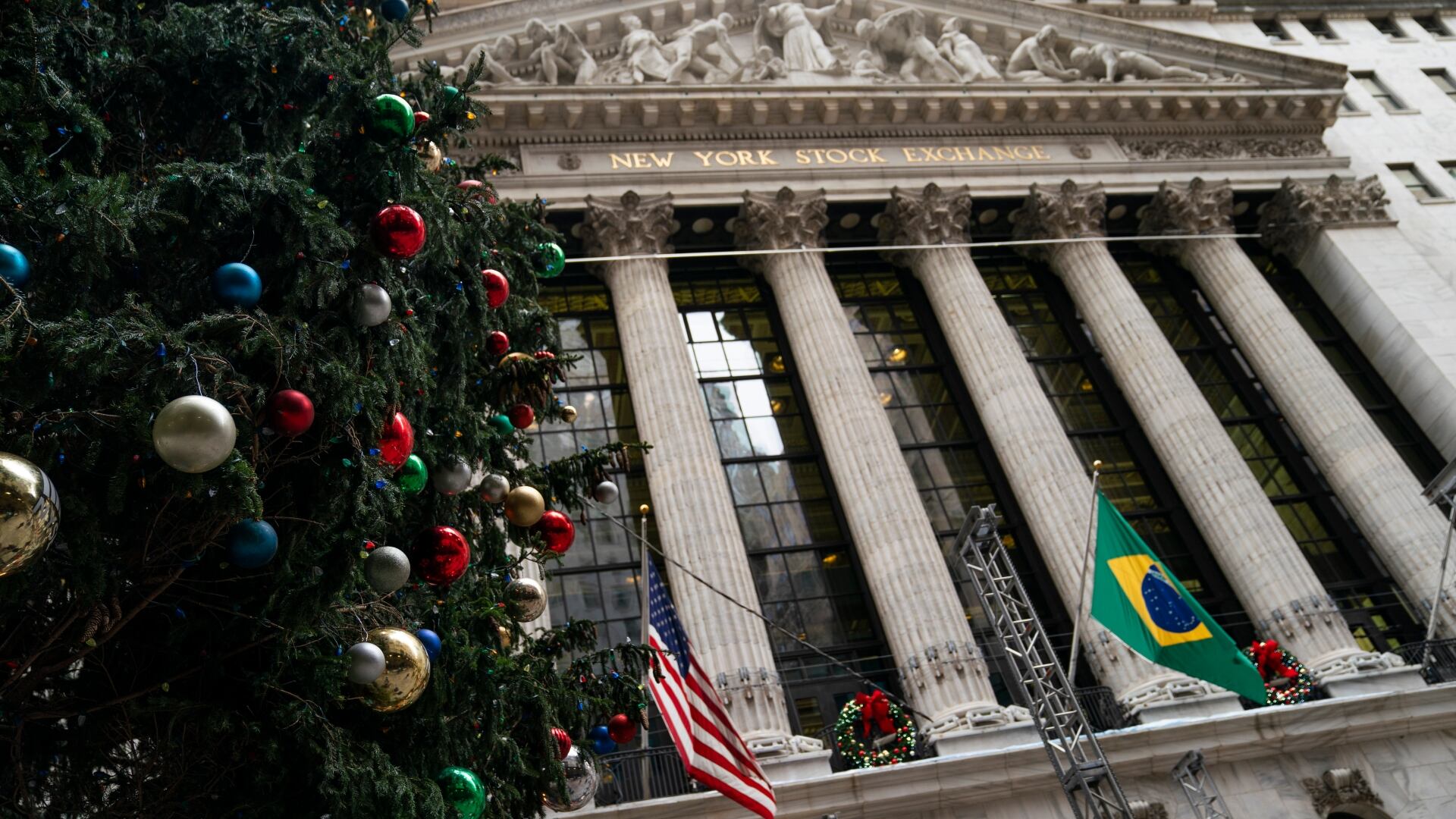
2021 saw markets continue to be impacted by the onslaught of the coronavirus pandemic -most recently in the form of the Omicron variant- in addition to the global supply chain shortage, and increased inflation. But it wasn't all bad news, as crypto soared throughout the year, and meme stocks continued to have a moment. With the year coming to a close, investors are keeping an eye out to see if they should expect more of the same in the new year. Chris Vecchio, Senior Analyst, at DailyFX tells us what market trends to be on the watch for in 2022.
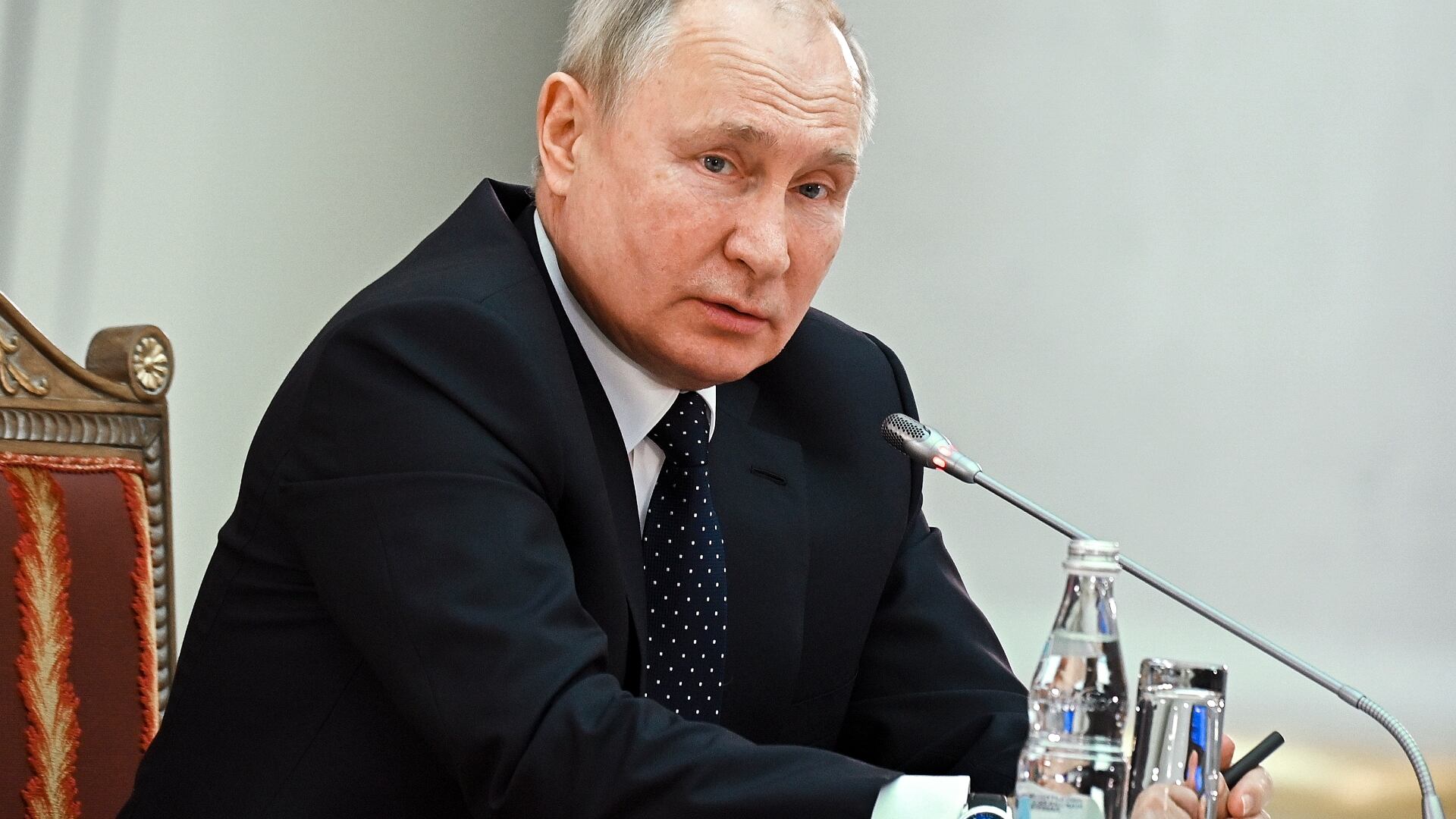
Matt Hayden, vice president of govtech solutions at Exiger and a former assistant secretary of cyber at Department of Homeland Security, joined Cheddar to discuss the surprise phone call initiated by Russian President Vladimir Putin to President Joe Biden, ahead of January security talks about the rising tensions over Ukraine. "We're hoping to hear that we're able to talk about the aggression and the leadup of the Ukrainian militarization," Hayden said. "But we're also looking to hear is how the Kremlin leveraged their talking points to try to test their negotiation stance with the United States leading into this January 10th meeting."
The No Surprises Act begins implementation on January 1, 2022. The legislation is meant to curb the practice of unexpected billing for care from providers the patient was unaware were out-of-network from their insurance. Patricia Kelmar, director of health care campaigns for U.S. PIRG joined Cheddar to describe the hundreds, sometimes thousands, of dollars charged to unsuspecting patients and how things will change under the new law. "If we are picking an in-network doctor and an in-network hospital, we should not see those added costs from anesthesiologists, radiologists, scrub-in surgeons," she said. "The other area it protects you is in air ambulances — not ground ambulances, unfortunately — but the helicopters or the airplanes you might need to transport you in an emergency situation."
President Joe Biden and Russian President Vladmir Putin are expected to have another conversation surrounding escalating tensions between Russia and Ukraine. Ariel Cohen, senior fellow at the Atlantic Council, joined Cheddar's Ken Buffa to discuss the ongoing tensions and why Putin's request for a conversation with Biden comes now. "This is very serious. This is the worst security crisis we had since the collapse of the Soviet Union," Cohen told Cheddar.
Stocks closed mixed on Wednesday, but two indexes - the Dow and the S&P 500 - ended the session with a new record. Akshata Bailkeri, Equity Analyst at Bruderman Asset Management, joins Cheddar News' Closing Bell, where she says there is a consensus for robust consumer spreading in 2022, especially as the Omicron variant is proving to be milder than other COVID-19 strains.