Model and Influencer Olivia Culpo Says Stolen Content Is a Major Issue
Model and former Miss Universe Olivia Culpo says that her social media content has been stolen in the past, and that security is still very much an issue within the influencer community.
"There's a lot of times where I see a picture of myself, and it's promoting a skin care brand or something that I have absolutely no idea what it is... I didn't approve it," Culpo said on Cheddar. "I'm sure things fly under the radar all the time."
The focus on copyright issues within the world of social media comes after reports that media company PopSugar used influencer content without properly compensating the content creators. The site allegedly stripped content from separate rewardStyle affiliate links, which pay influencers a portion of the sales generated from the post. PopSugar then allegedly included links from rewardStyle competitor ShopStyle, allowing PopSugar to profit from resulting sales rather than compensating the influencer behind the content.
Culpo is no stranger to social media. The beauty and lifestyle influencer has racked up over 2.7 million followers on [her Instagram account](https://www.instagram.com/oliviaculpo/?hl=en) and almost 700,000 followers on [her Facebook page](https://www.facebook.com/OliviaCulpoOfficial/). While she didn't say she was impacted by the PopSugar scandal, she did say brands have used her content without paying her.
The 25-year-old socialite recently partnered with Timex to be the face of the company's new SS18 watch collection called [Crystal Bloom](https://www.timex.com/browse/women/trending/crystal-bloom/). Timex partnered with Swavorski to create 10 new, blinged-out styles.
Culpo says she wears her new timepiece when she wants "to add a touch of glam and femininity" to her style. Pieces in the Crystal Bloom collection cost between $65-$80.
For full interview, [click here](https://cheddar.com/videos/model-olivia-culpo-partners-with-timex-to-launch-spring-collection).
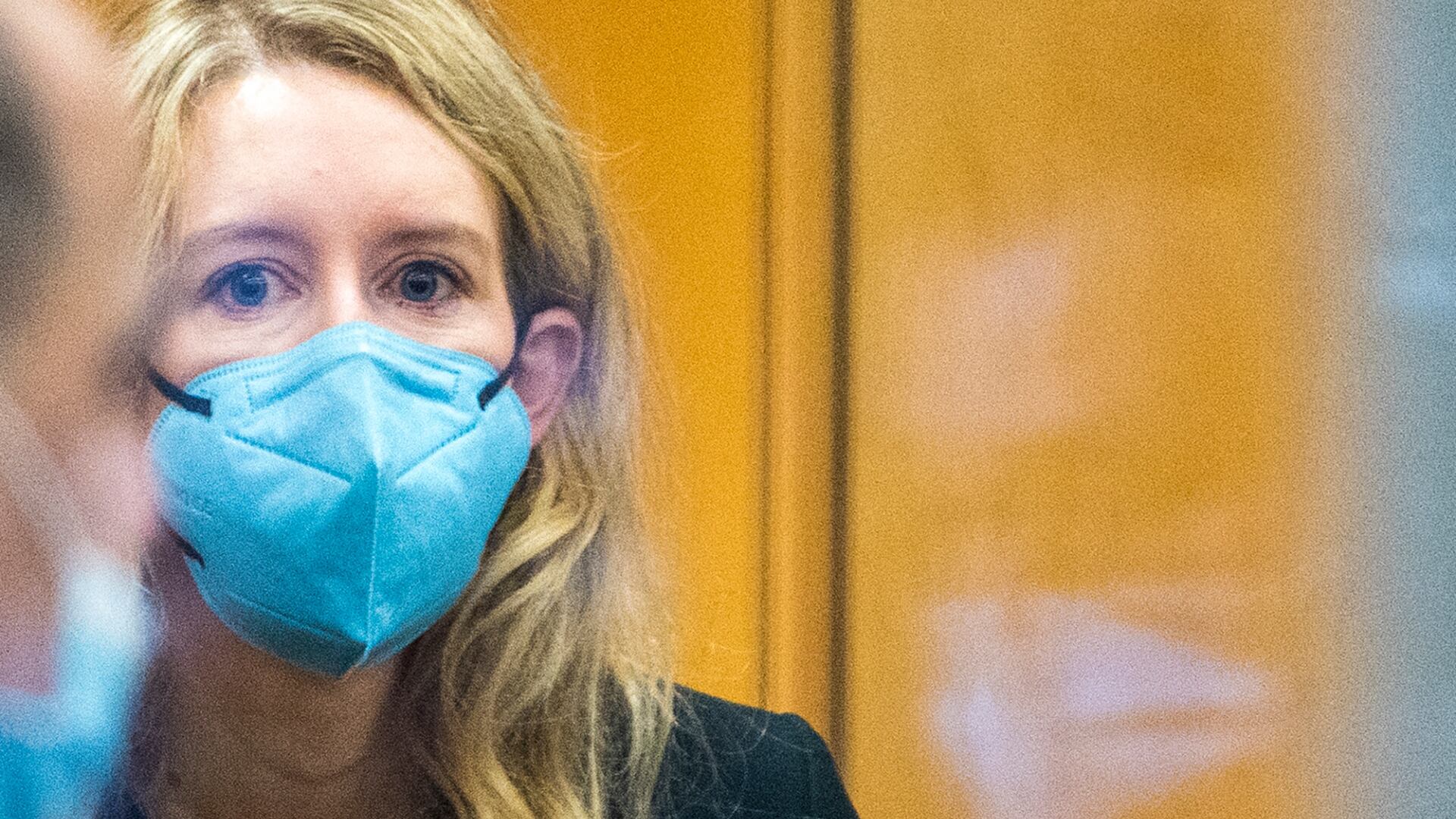
Jurors in the trial against Theranos CEO Elizabeth Holmes have entered day six of deliberations. Holmes is accused of lying to investors about the functionality of a newly developed blood-testing technology. Andrew George, partner at Baker Botts, joined Cheddar to break down key points in the case and what the jury might be considering during their deliberations. He also noted that the rest of Silicon Valley, including Holmes' business partner, Ramesh "Sunny" Balwani, who is facing identical charges, is closely watching the outcome of deliberations — as it could set the tone for future regulations and Balwani's own trial.
While slumps within the crypto market have typically correlated with major developments, such as China's crypto crackdown or Tesla reversing course on accepting bitcoin, the current slide is coming at a time when the stock market is at or near record levels. Reporter Alex Vuocolo talks about the role of the crypto derivatives market in bitcoin's latest price drop, as well as the future of sustainability in the space.
According to a recent report from T-Mobile, spam call traffic doubled in 2021. The company says so far they have been able to block just 21 billion spam calls for their customers this year. Despite telecom giants blocking these calls, a number of customers continue to receive these spam calls, especially during the holiday season. Founder and President of Vertical Consultants Hugh Odom, joined Cheddar to discuss more.
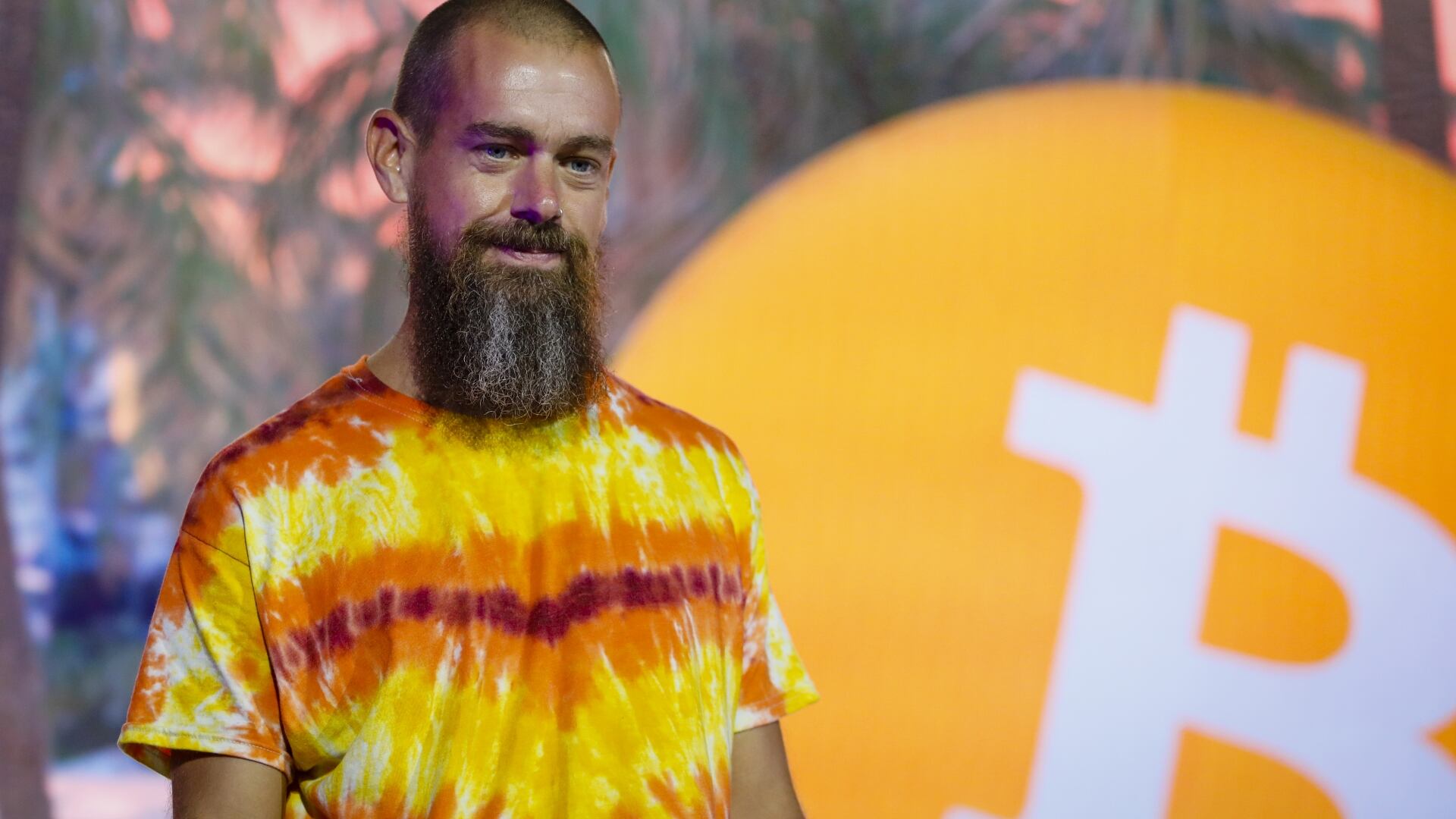
Venture capitalists and CEOs are clashing over the future of the internet. Web3 is the tech world's name for a decentralized, blockchain-based internet that runs on cryptocurrency. It was recently the topic of a tweet from Block CEO and former Twitter CEO Jack Dorsey who wrote that Web3 will not actually be owned by users, and instead be controlled by rich venture capitalists. Dorsey later shared that he was blocked on Twitter by Marc Andreesen, co-founder of VC firm Andreesen Horowitz, which has invested billions of dollars into Web3 and crypto projects. Correspondent for DealBook from the New York Times, Ephrat Livni, joins Cheddar News' Closing Bell to discuss what this could mean for the future of Web3.