Model and Influencer Olivia Culpo Says Stolen Content Is a Major Issue
Model and former Miss Universe Olivia Culpo says that her social media content has been stolen in the past, and that security is still very much an issue within the influencer community.
"There's a lot of times where I see a picture of myself, and it's promoting a skin care brand or something that I have absolutely no idea what it is... I didn't approve it," Culpo said on Cheddar. "I'm sure things fly under the radar all the time."
The focus on copyright issues within the world of social media comes after reports that media company PopSugar used influencer content without properly compensating the content creators. The site allegedly stripped content from separate rewardStyle affiliate links, which pay influencers a portion of the sales generated from the post. PopSugar then allegedly included links from rewardStyle competitor ShopStyle, allowing PopSugar to profit from resulting sales rather than compensating the influencer behind the content.
Culpo is no stranger to social media. The beauty and lifestyle influencer has racked up over 2.7 million followers on [her Instagram account](https://www.instagram.com/oliviaculpo/?hl=en) and almost 700,000 followers on [her Facebook page](https://www.facebook.com/OliviaCulpoOfficial/). While she didn't say she was impacted by the PopSugar scandal, she did say brands have used her content without paying her.
The 25-year-old socialite recently partnered with Timex to be the face of the company's new SS18 watch collection called [Crystal Bloom](https://www.timex.com/browse/women/trending/crystal-bloom/). Timex partnered with Swavorski to create 10 new, blinged-out styles.
Culpo says she wears her new timepiece when she wants "to add a touch of glam and femininity" to her style. Pieces in the Crystal Bloom collection cost between $65-$80.
For full interview, [click here](https://cheddar.com/videos/model-olivia-culpo-partners-with-timex-to-launch-spring-collection).
New York City ride-hailing app drivers are about to get a pay raise. According to the city's Mayor Eric Adams, New York will increase its minimum driver pay rate for both Uber and Lyft drivers. This means both platforms would now be required to pay their drivers a minimum of $1.61 cents per mile and about 0.50 cents per minute. Ultimately, the move would give riders at least a 5.3% race. New York City Comptroller Brad Lander, joined Cheddar to discuss more.
A Senate bill unveiled on Wednesday looks to tackleonline safety for children by regulating Big Tech and social media platforms to deter users from content that can harm their mental health. Irene Ly, a policy counsel for the age-based ratings and review organization Common Sense Media, joined Cheddar News to break down the potential of the Kids Online Safety Act. "We can't be imposing such a big burden on parents to be doing it all on theirselves," Ly said. "I think you also have to keep in mind that parents often didn't grow up with social media, so they don't understand what it's like to be addicted to social media or really understand how they work."
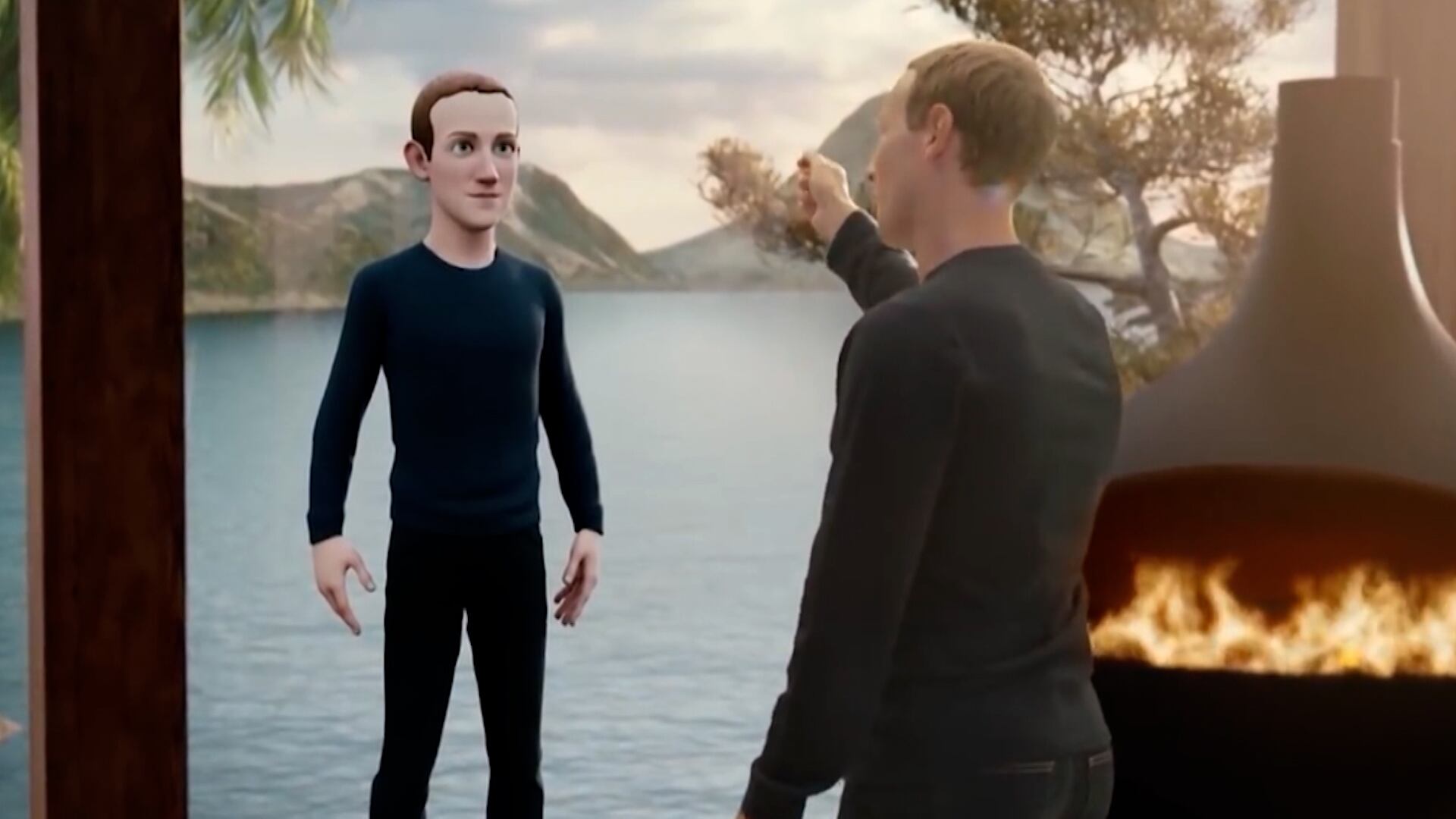
While many still remain skeptical about the metaverse, big tech firms and even one big bank are ready to expand their virtual worlds. Facebook parent company has pivoted so hard it will now call its employees 'Metamates,' and even JPMorgan Chase has created its own digital lounge on one virtual platform. While the sector remains young, there seems to be significant investment opportunity, especially with companies like Nvidia. Adam Johnson, a portfolio strategist at Adviser Investments, joins Closing Bell to discuss which companies could win in this space, consumer appetite, and more.
Marc Blinder, Co-Founder and CEO of Aikon, joins Cheddar News' Closing Bell, where he discusses how his company is helping businesses use blockchain applications without needing to learn the intricacies of the new technology.
Senators Richard Blumenthal (D-Conn.) and Marsha Blackburn (R-Tenn.) have introduced a new bill to afford greater protection to minors on social media. The genesis of the Kids Online Safety Act came from a Facebook whistleblower case exposing the harm apps can have on the mental health of young girls.