Mizzou Students Throw Support Behind Medical Pot Initiative: 'It's Just a Plant'
*By Carlo Versano*
On Tuesday, Missouri could become the 32nd state in the U.S. to legalize medical marijuana.
On the ballot are three proposals on the issue ー regarding regulation, taxation, and the distribution of tax revenues. The amendments are byzantine and confusing, but if one passes, medical marijuana will become the law of the land in the "Show-Me" State.
Cannabis legalization has garnered more public support in recent years, and medical pot is often thought to be the gateway to fuller legalization. While the Missouri medical community is [split](https://kcmedicine.org/survey-results-physician-attitudes-medical-marijuana/) on the drug's medicinal value, much of the student body at the University of Missouri has a pro-legalization stance.
CheddarU went to Mizzou's campus to hear what students had to say ahead of the vote.
"I just can't see any good reason not to have it medicinally available here," said In'lana Henderson, VP of Students for Sensible Drug Policy at Mizzou.
"People think that it's very taboo here," she added.
That possibility that Missouri, a reliably red state in the country's heartland, could pass a progressive drug law, gives some students hope that the end result could galvanize public support for cannabis legalization.
"I think that if we can legalize it, it will help other states do that, too," freshman Payton Nichols-Pittman said.
Or, as senior Meg Rogers put it: "It's just something that we don't need to make people feel bad for."
She added: "It's just a plant."
The U.S. Department of Agriculture is proposing a new rule to narrow what products qualify for a "Product of USA” or “Made in the USA” label. Now only meat, poultry and egg products from animals "born, raised, slaughtered, and processed in the United States" will make the grade.
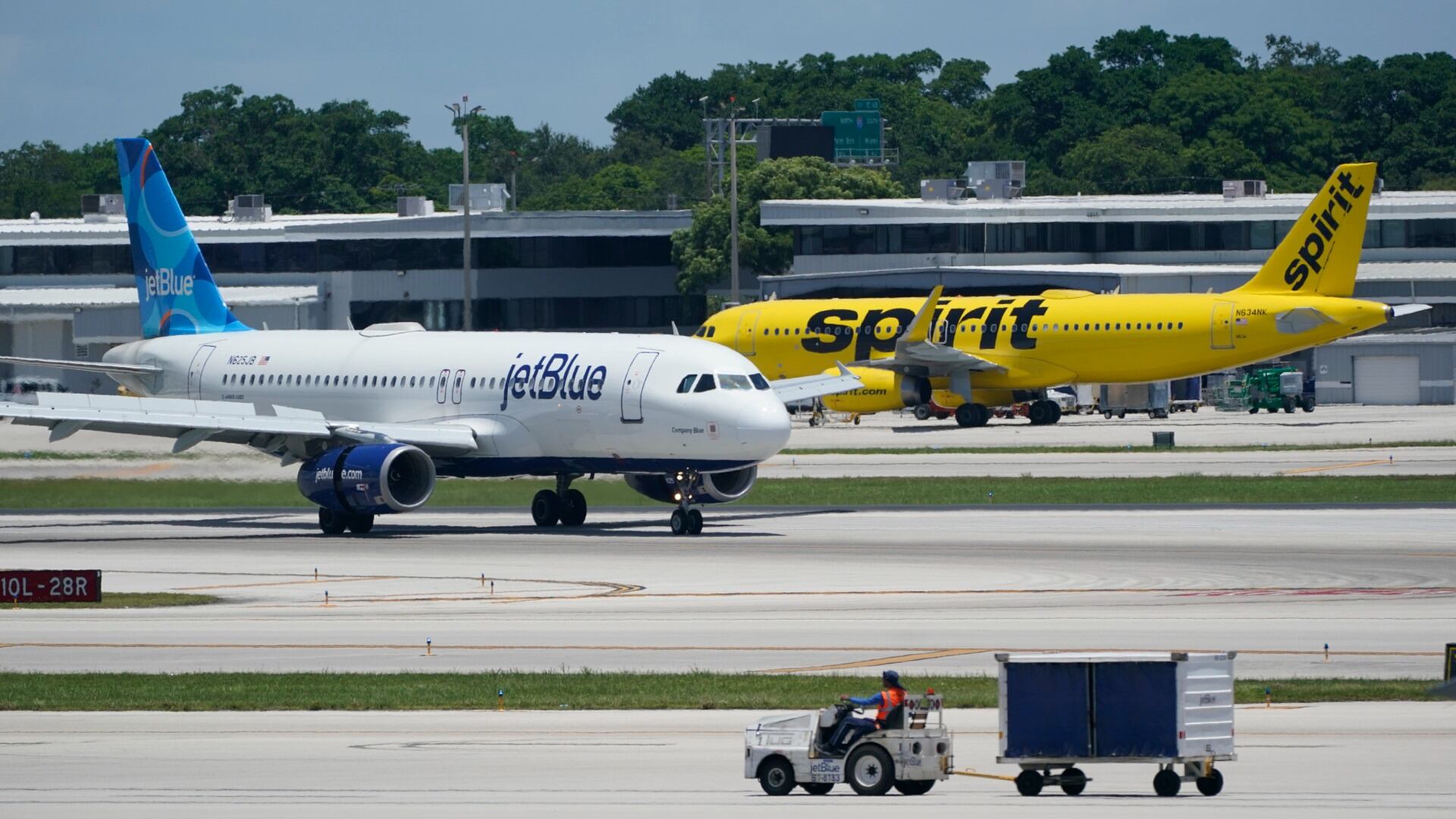
The Biden administration sued to block JetBlue Airways' $3.8 billion purchase of Spirit Airlines, saying Tuesday that the deal would reduce competition and drive up air fares for consumers.
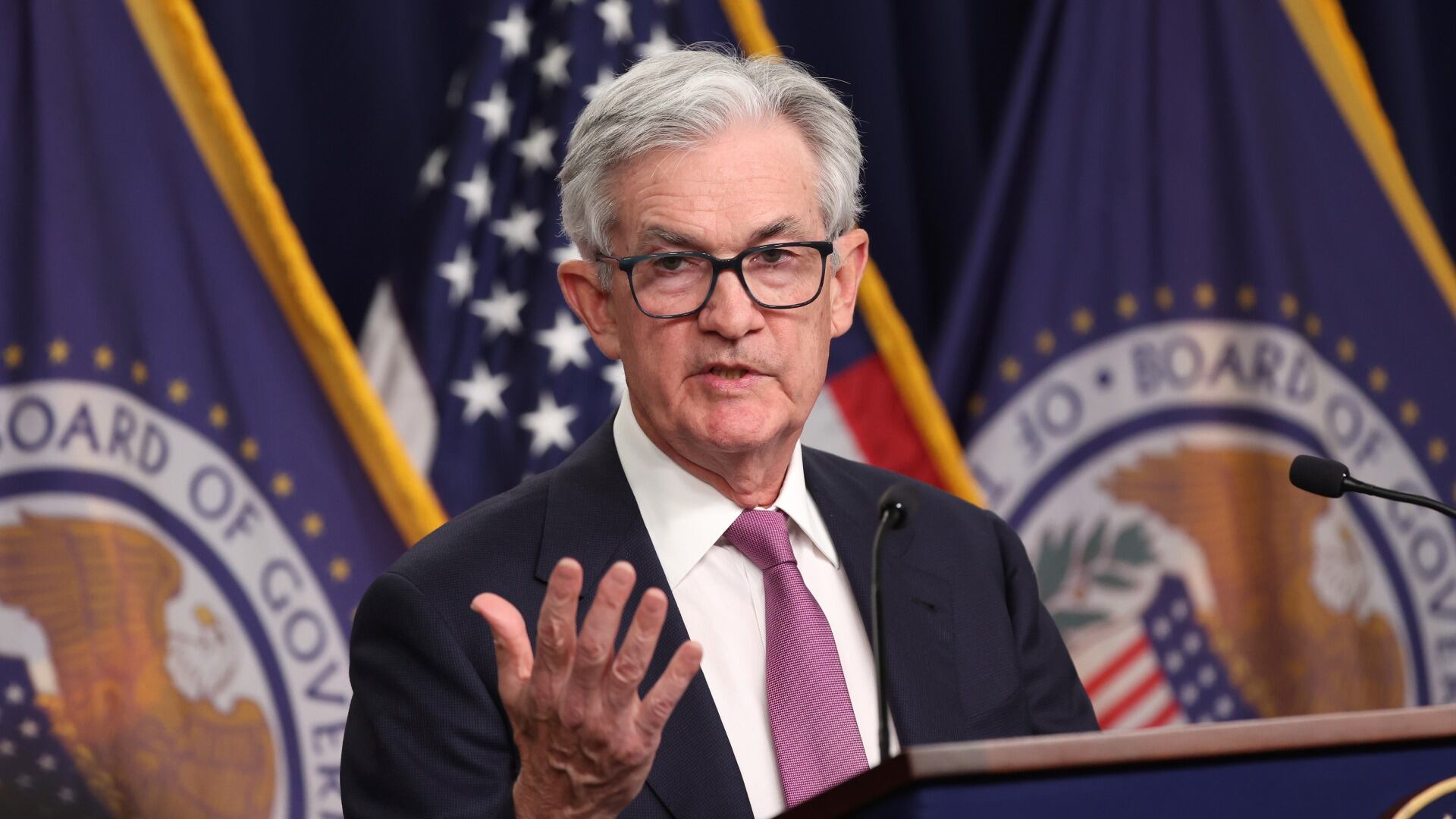
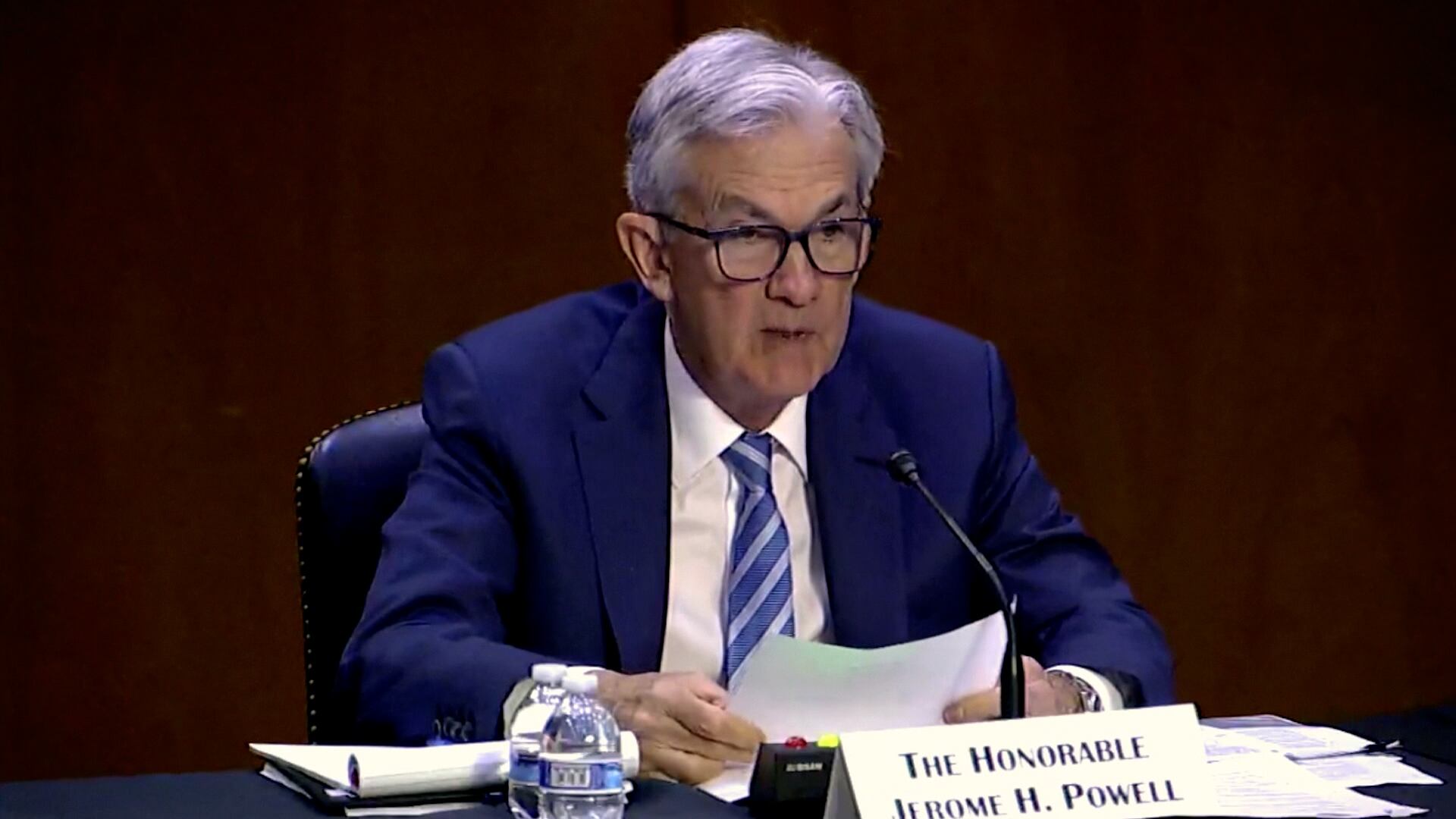
Federal Reserve Chair Jerome Powell will hint that the central bank could increase the pace of interest rate hikes if data indicate price pressures continuing.
Stocks sank on Wall Street after the head of the Federal Reserve warned it could speed up its economy-rattling hikes to interest rates if pressure stays high on inflation.
If measures of the U.S. economy keep coming in hot, as they did in January, the Federal Reserve will likely have to raise interest rates even higher than it has already signaled — and keep them there longer — Chair Jerome Powell will likely warn in testimony to Congress on Tuesday.