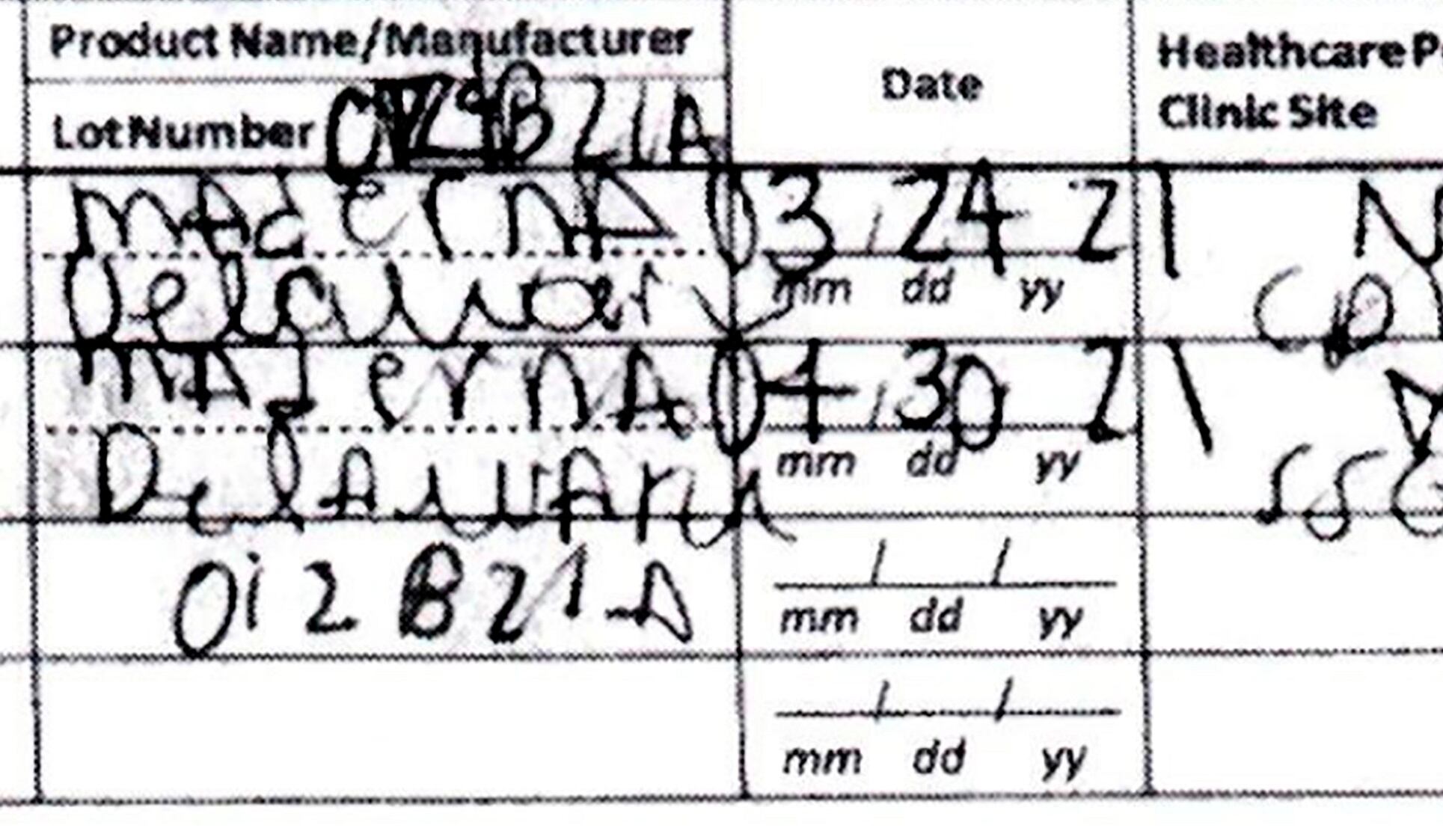
This document provided by the Hawaii Attorney General's Office shows a fake COVID-19 Vaccination Record Card from a tourist visiting Hawaii. The Illinois woman submitted the fake card to avoid Hawaii's 10-day traveler quarantine, according to authorities, but there a glaring spelling error that led to her arrest: Moderna was misspelled "Maderna." (Hawaii Attorney General's Office via AP)
By Jennifer Sinco Kelleher
A 24-year-old Illinois woman submitted a fake COVID-19 vaccination card to visit Hawaii with a glaring spelling error that led to her arrest: Moderna was spelled “Maderna," according to court documents.
In order to bypass Hawaii's 10-day traveler quarantine, she uploaded a vaccination card to the state's Safe Travels program and arrived in Honolulu Aug. 23 on a Southwest Airlines flight, the documents said.
“Airport screeners found suspicious errors ... such as Moderna was spelled wrong and that her home was in Illinois but her shot was taken at Delaware,” Wilson Lau, a special agent with the Hawaii attorney general's investigation division, wrote in an email to a Delaware official who confirmed there was no vaccination record for the woman under her name and birth date.
The email is included in documents filed in court. She was charged with two misdemeanor counts of violating Hawaii's emergency rules to control the spread of COVID-19. She had been in custody on $2,000 bail until a judge released her at a hearing Wednesday and scheduled another hearing in three weeks, according the public defender's office.
State Public Defender James Tabe, whose office represented her at hearings this week, declined to comment on her case, noting it's not clear if she'll hire her own attorney or apply to have a public defender represent her.
The voicemail at a number listed for her in court documents was full Wednesday. She didn't immediately respond to a text message from The Associated Press.
In addition to the suspicious card, authorities determined that the travel information she provided listed she would be staying at a Waikiki Holiday Inn but didn't include a reservation number and return flight information, court documents said.
An assistant manager at the hotel confirmed to Lau that she didn't have a reservation. Lau said in the court document that he tried to call the number she listed, but her voicemail was full. He said he emailed her and didn't get a response.
Lau said he searched for her on Facebook and found a photo showing a “distinctive tattoo on her left hip area.”
The tattoo helped authorities find her at a Southwest Airlines counter when she was trying to leave Honolulu on Aug. 28, the court document said. She showed her ID and vaccination card to Lau, who informed her she was being arrested for falsifying vaccination documents.
Other visitors to Hawaii have been arrested for fake vaccination cards, including a father and son from California, who appeared in court via Zoom Wednesday and waived their rights to a jury trial.
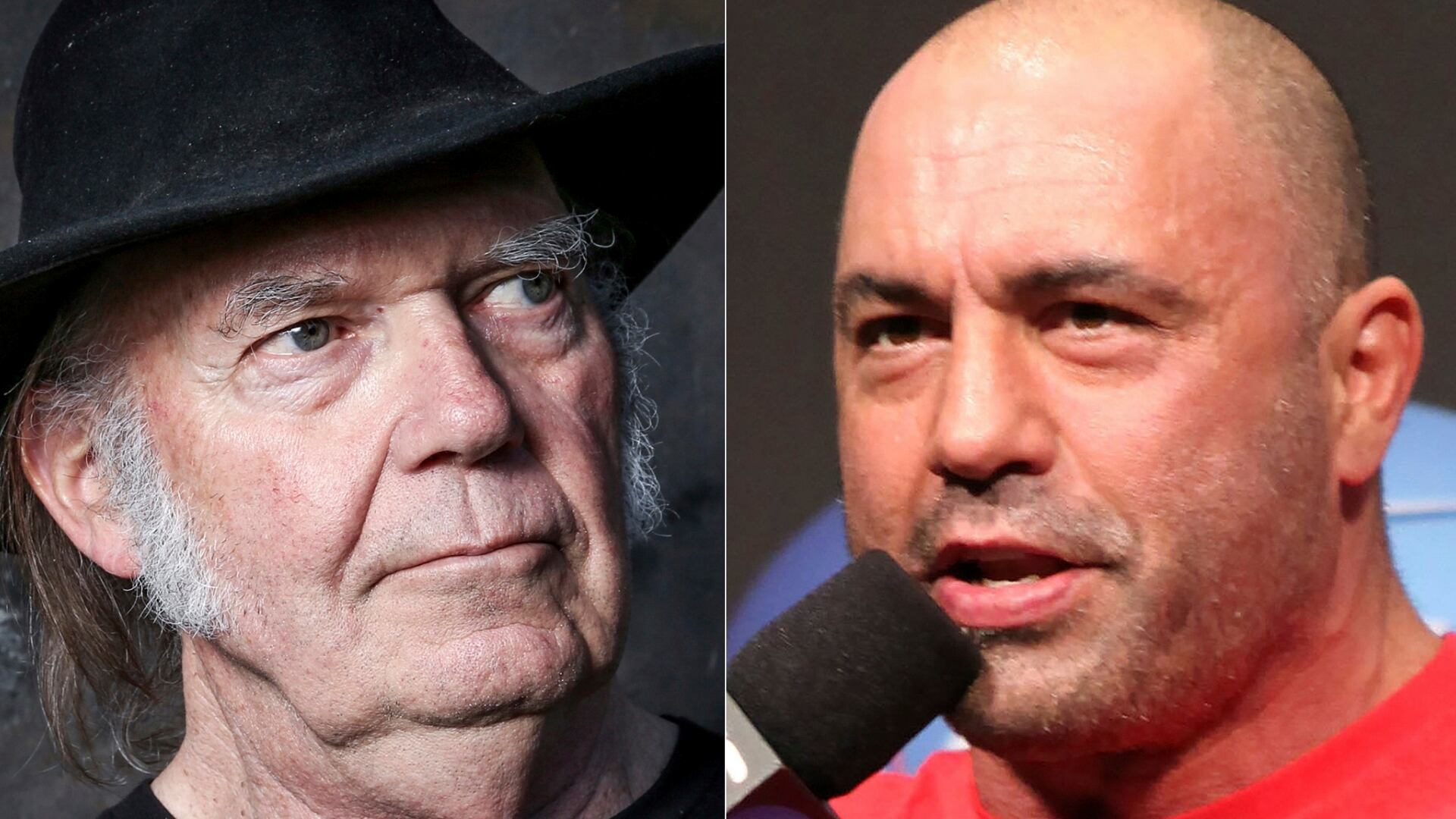
Neil Young has come up with an ultimatum for Spotify: his music or Joe Rogan’s podcast. This comes over concerns that the podcast is spreading COVID-19 vaccine misinformation to its listeners. "The Joe Rogan Experience," which is exclusive to Spotify, is currently the number one streamed podcast on the platform.
The American Federation Teachers Union has announced its latest partnership with NewsGuard in efforts to help educators play a greater role in deciphering facts from fiction that students see online. They say the goal is to help students build critical-thinking skills while also teaching them the importance of media literacy. Executive Vice President of Partnerships at NewsGuard, Sarah Bandt, joined Cheddar to talk more.
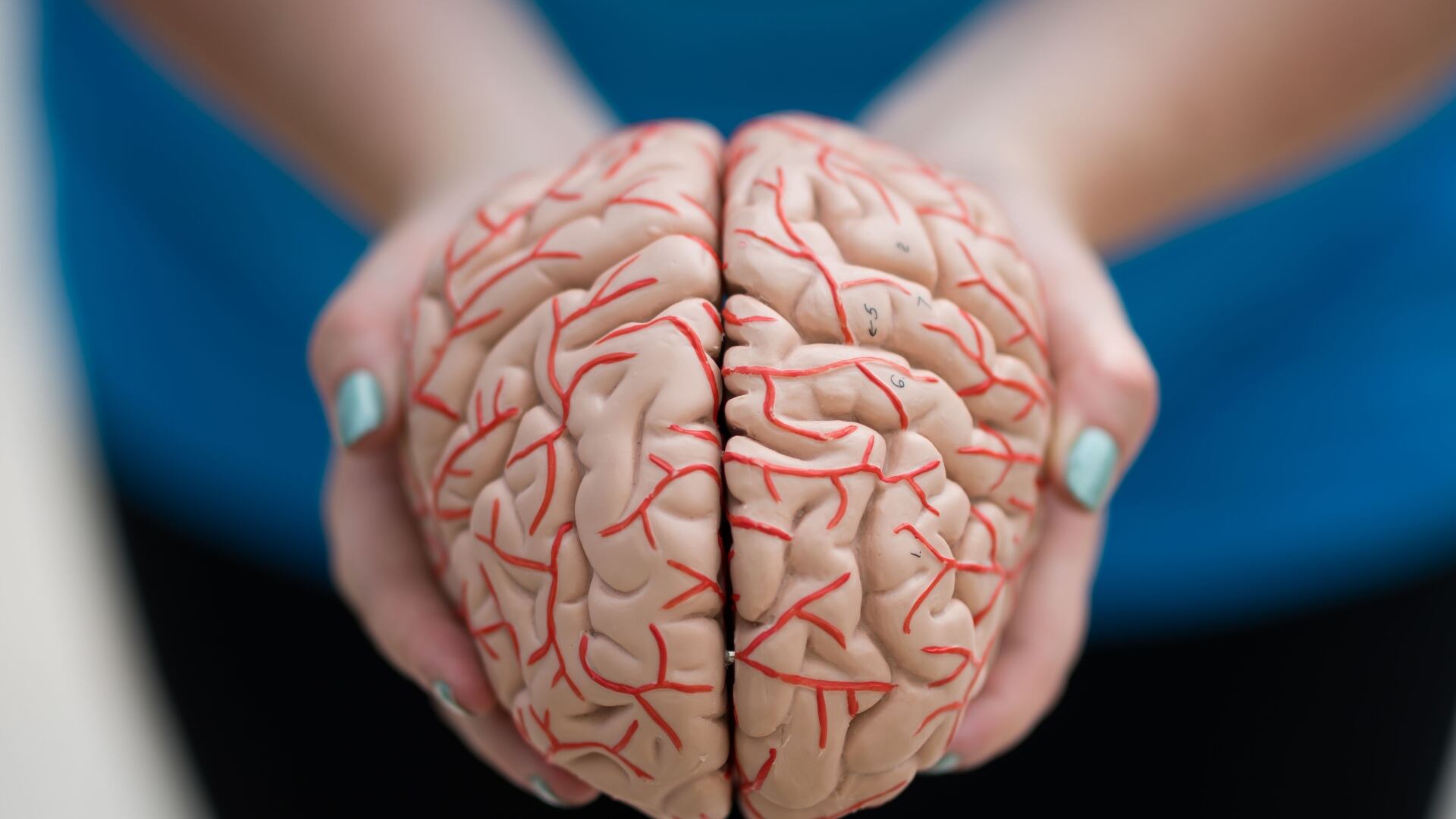
Doctor Caroline Leaf has created a 21-day program, consisting of five simple, but mindful, steps designed to rid our minds of toxic thoughts, anxiety, and depression. This brain detox is scientifically proven to impact one's happiness and success. Doctor Caroling Leaf, neuroscientist, author, and speaker at Switch Your Brain, joins Cheddar News to discuss.
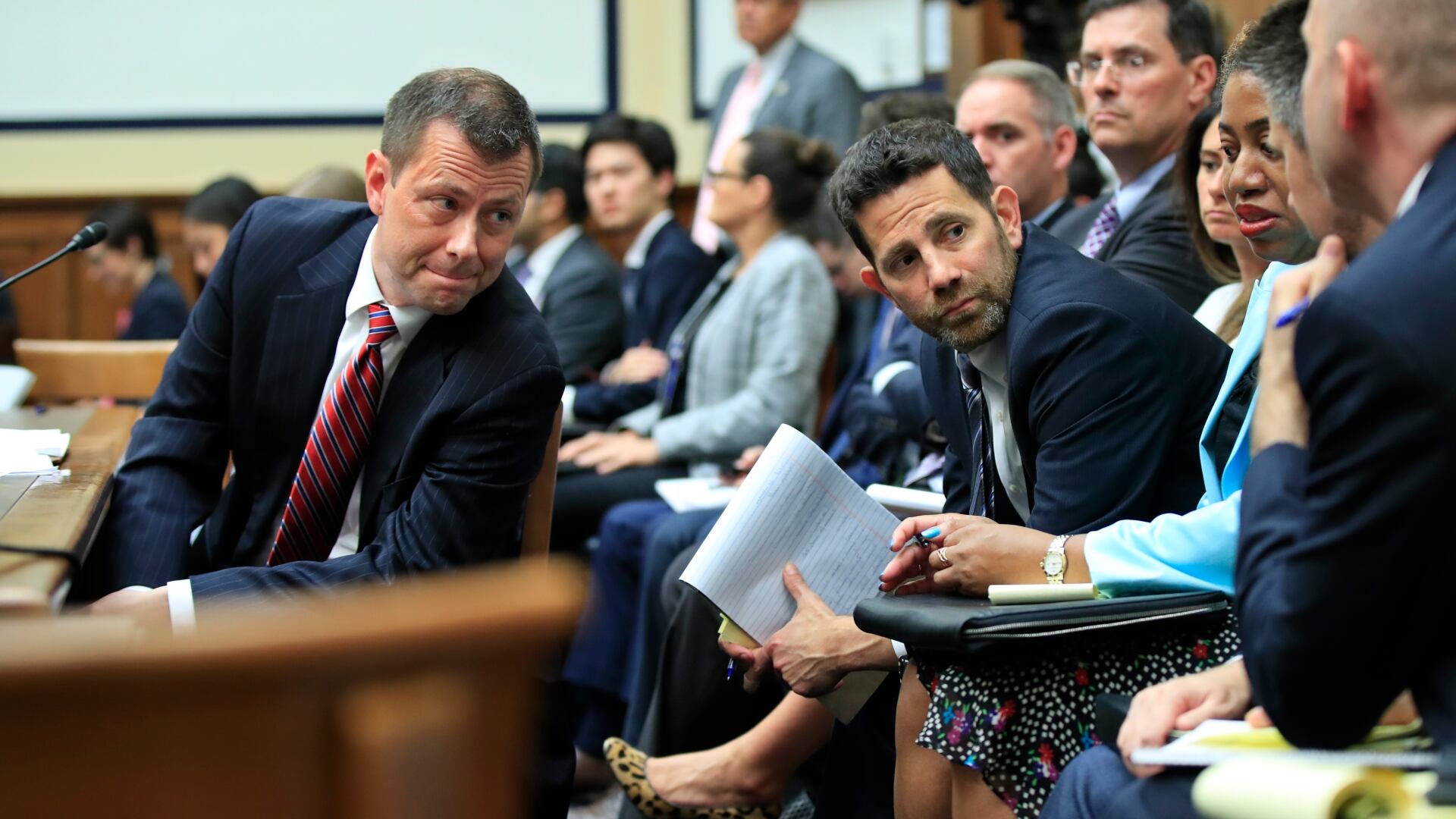
The memoir, "COMPROMISED: Counterintelligence and the Threat of Donald J. Trump", tells a familiar story from a bit of a different source: Peter Strzok himself, former FBI Counterintelligence Agents and Agency Veteran who spent most of his very long career investigating some of the most controversial inquiries, most notably in recent American history. Those inquiries were Hillary Clinton's email to even Trump Russia investigations. Former FBI Agent and Author of "Compromised" Peter Strzok, joined Cheddar to discuss more.
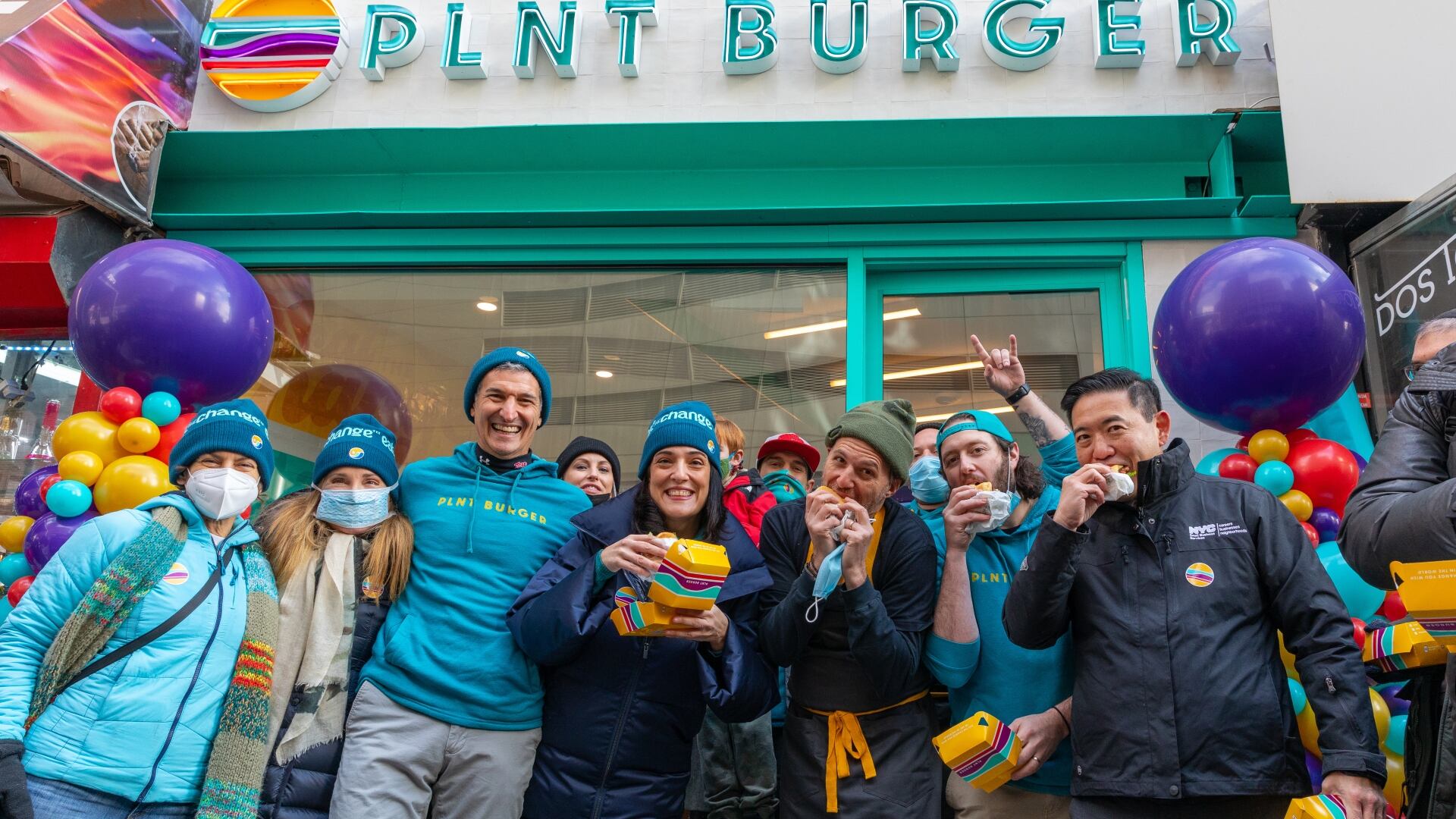
Foodable Labs data shows restaurants that started offering vegan options saw a 13% increase in traffic. According to this 2018 study, 51% of U.S. restaurants now offer vegan options, and we can expect that number to keep rising. This week, one plant-based, fast-casual restaurant celebrates the grand opening of their first brick-and-mortar store in New York City: PLNT Burger. Ben Kaplan, CEO of PLNT Burger, joins Cheddar News to discuss.
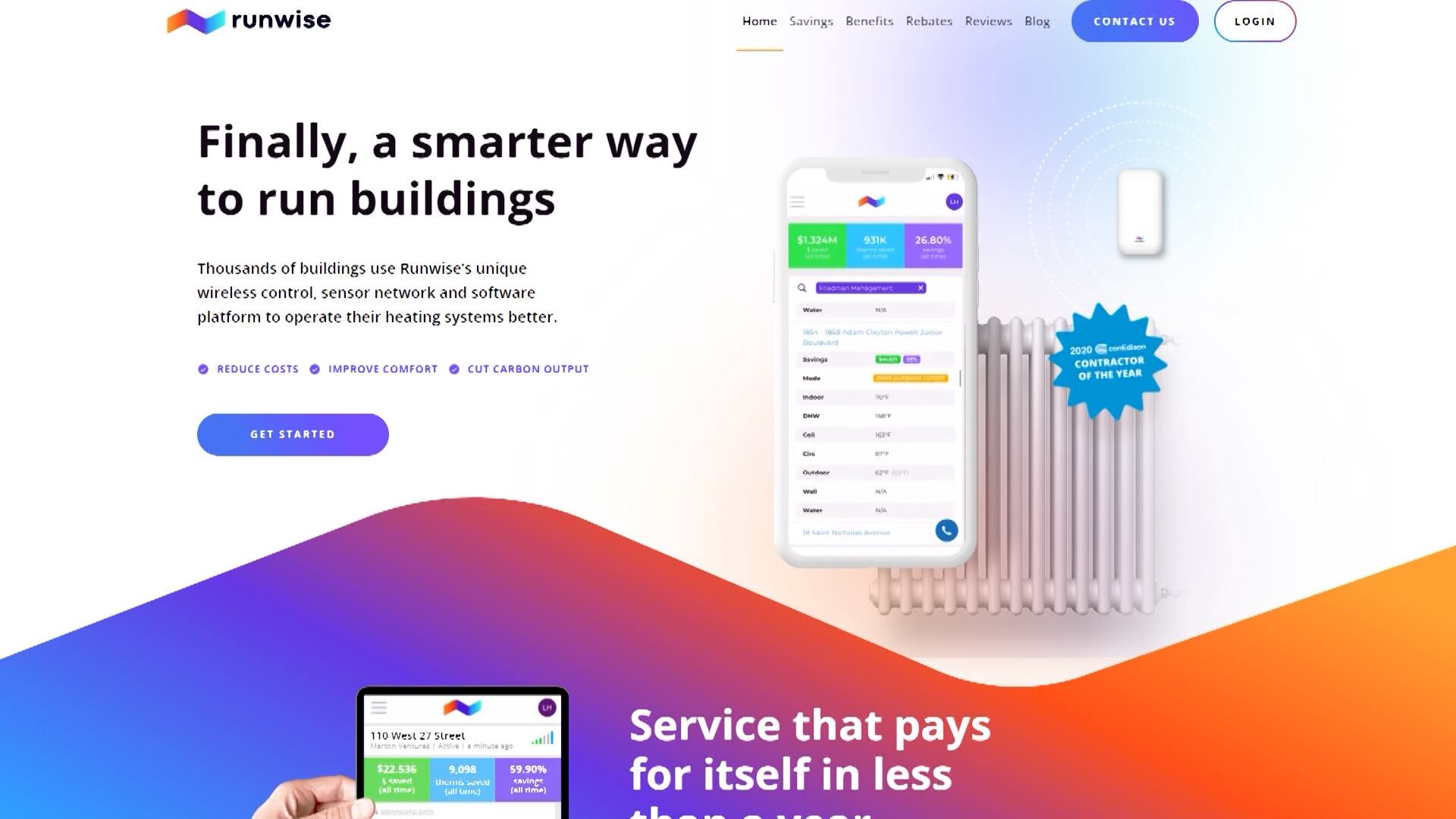
Commercial and residential buildings account for 13% of carbon emissions in the U.S., according to the EPA, and one company says it has a solution. Runwise says it has updated the boiler and heating systems of thousands of buildings, and that its technology not only lowers carbon output but also saves landlords money. Lee Hoffman, Co-Founder and COO of Runwise, joined Cheddar Climate to discuss.
Kirsten Jordan, real estate broker and star of 'Million Dollar Listing New York,' joins Cheddar News to talk about the state of New York City real estate, tips for homebuyers, and season 9 of the Bravo show.
No. 2 pencils or Scantron bubble sheets are a thing of the past for the SATs. Priscilla Rodriguez, head of college readiness assessment for the College Board, joined Cheddar News Wrap to talk about the modern overhaul of the college entrance exam. On top of the change to an all-digital format and shorter time limit, the latest iteration will feature updates to help with flexibility and security. "As we've built our own digital testing platform, the app the students will do this on, we built this with security at the core," Rodriguez said. "And, in going digital we can do something we can't do today, which is, give every student who's taking the SAT, let's say in a given day, even in a given room in a school, a different version of the SAT."