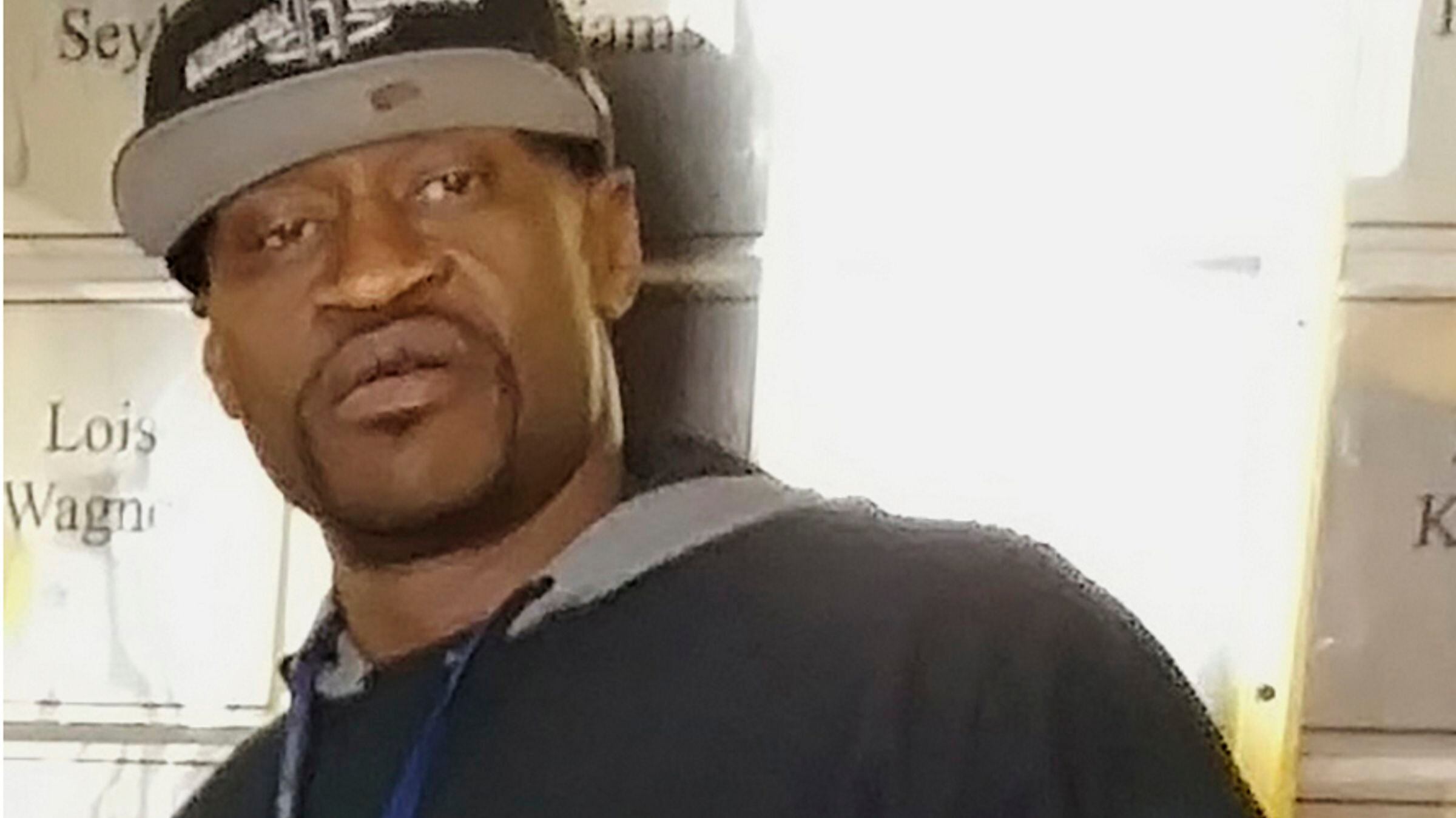
This undated file photo provided by Christopher Harris shows George Floyd. Floyd died May 25, after he was pinned to the pavement by a police officer who put his knee on the handcuffed black man's neck until he stopped breathing. (Christopher Harris via AP, File)
By Steve Karnowski and Amy Forliti
The state of Minnesota filed a human rights complaint Tuesday against the Minneapolis Police Department in the death of George Floyd who died after an officer pressed his knee into Floyd’s neck for minutes, even after he stopped moving.
Gov. Tim Walz and the Minnesota Department of Human Rights announced the filing at a news conference Tuesday afternoon.
“We know that deeply seated issues exist," the governor said. "I know it because we saw the casual nature of the erasing of George Floyd’s life and humanity. We also saw the reaction of the community. They expected nothing to happen because nothing happened so many times before.”
Walz said the investigation into the police department's policies, procedures, and practices over the past 10 years will determine if the force has engaged in systemic discrimination toward people of color, and work out how to stop it. State Human Rights Commissioner Rebecca Lucero will lead the investigation.
Lucero's department will seek an agreement from Minneapolis city leaders and the police department to immediately implement interim measures, followed by long-term measures to address systemic discrimination.
The FBI is also investigating whether police willfully deprived Floyd of his civil rights.
Spokesmen for the police department and the mayor’s office didn’t immediately respond to messages seeking comment. The Minneapolis City Council planned to issue a statement on the investigation later Tuesday.
The department enforces the state’s human rights act, particularly as it applies to discrimination in employment, housing, education, public accommodations, and public services. Mediation is one of its first-choice tools, but the cases it files can lead to fuller investigations and sometimes end up in litigation.
The Minneapolis Police Department has faced decades of allegations of brutality and other discrimination against African Americans and other minorities, even within the department itself. Critics say its culture resists change, despite the elevation of Medaria Arradondo as its first black police chief in 2017.
Arradondo himself was among five black officers who sued the police department in 2007 over alleged discrimination in promotions, pay, and discipline. They said in their lawsuit that the department had a history of tolerating racism and discrimination. The city eventually settled the lawsuit for $740,000.
Earlier Tuesday, an attorney for Floyd's family again decried the official autopsy that found his death was caused by cardiac arrest as police restrained him and compressed his neck. The medical examiner also listed fentanyl intoxication and recent methamphetamine use, but not as the cause of death.
A separate autopsy commissioned for Floyd’s family concluded that he died of asphyxiation due to neck and back compression.
“The cause of death was that he was starving for air. It was lack of oxygen. And so everything else is a red herring to try to throw us off,” family attorney Ben Crump said Tuesday. He said the Hennepin County medical examiner went to great lengths to try to convince the public that what was shown on bystander video didn’t cause Floyd to die.
Minnesota Attorney General Keith Ellison told ABC's “Good Morning America” that prosecutors are working as fast as they can to determine whether more charges will be filed.
Catching you up on today's entertainment headlines with the Tribeca Film Festival has kicked off in NYC, "Black Adam," starring Dwayne "The Rock" Johnson dropped its first full trailer, the musical "Come From Away" based on a true story set during 9/11 will be closing on Broadway this October, and more.
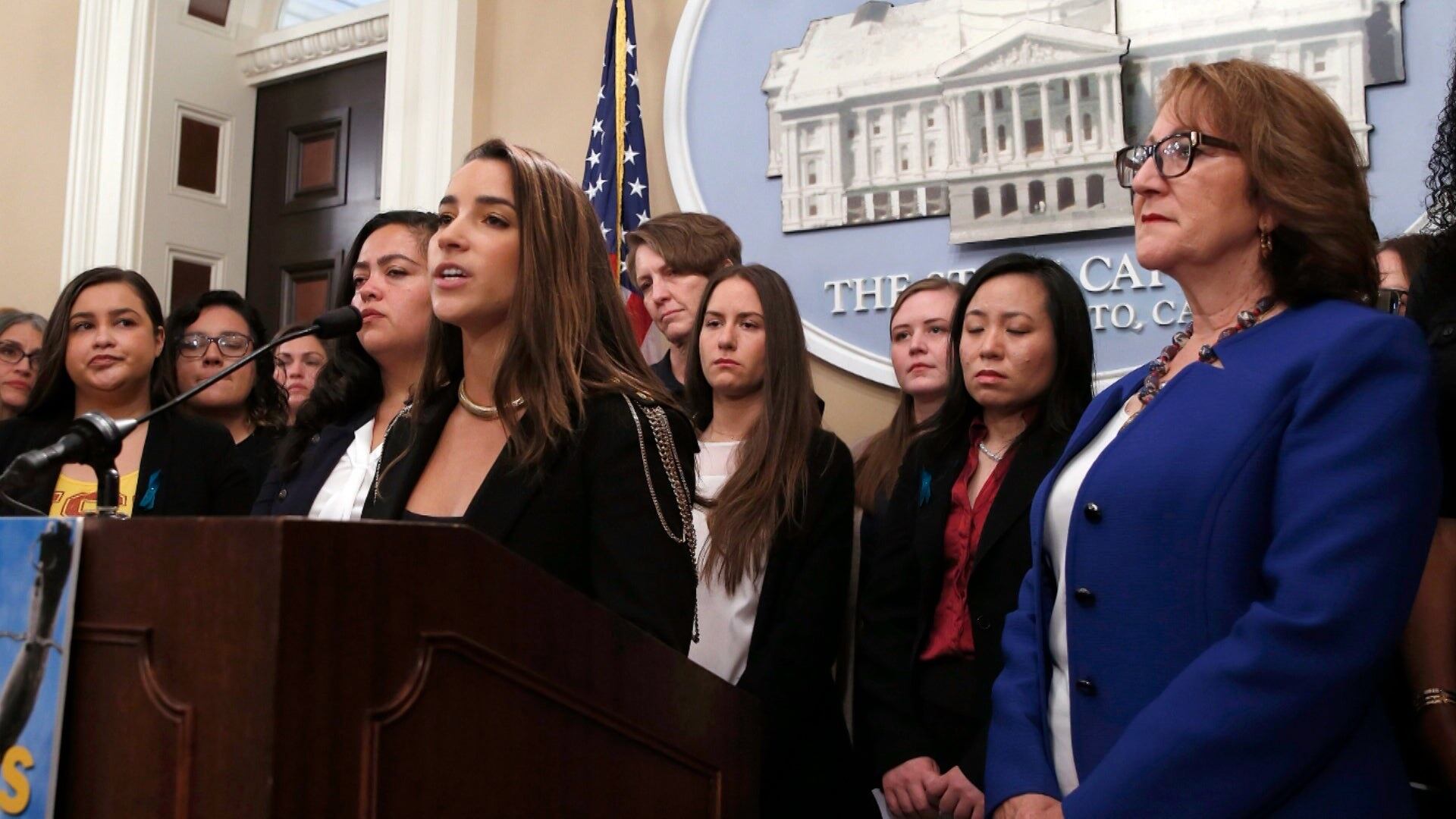
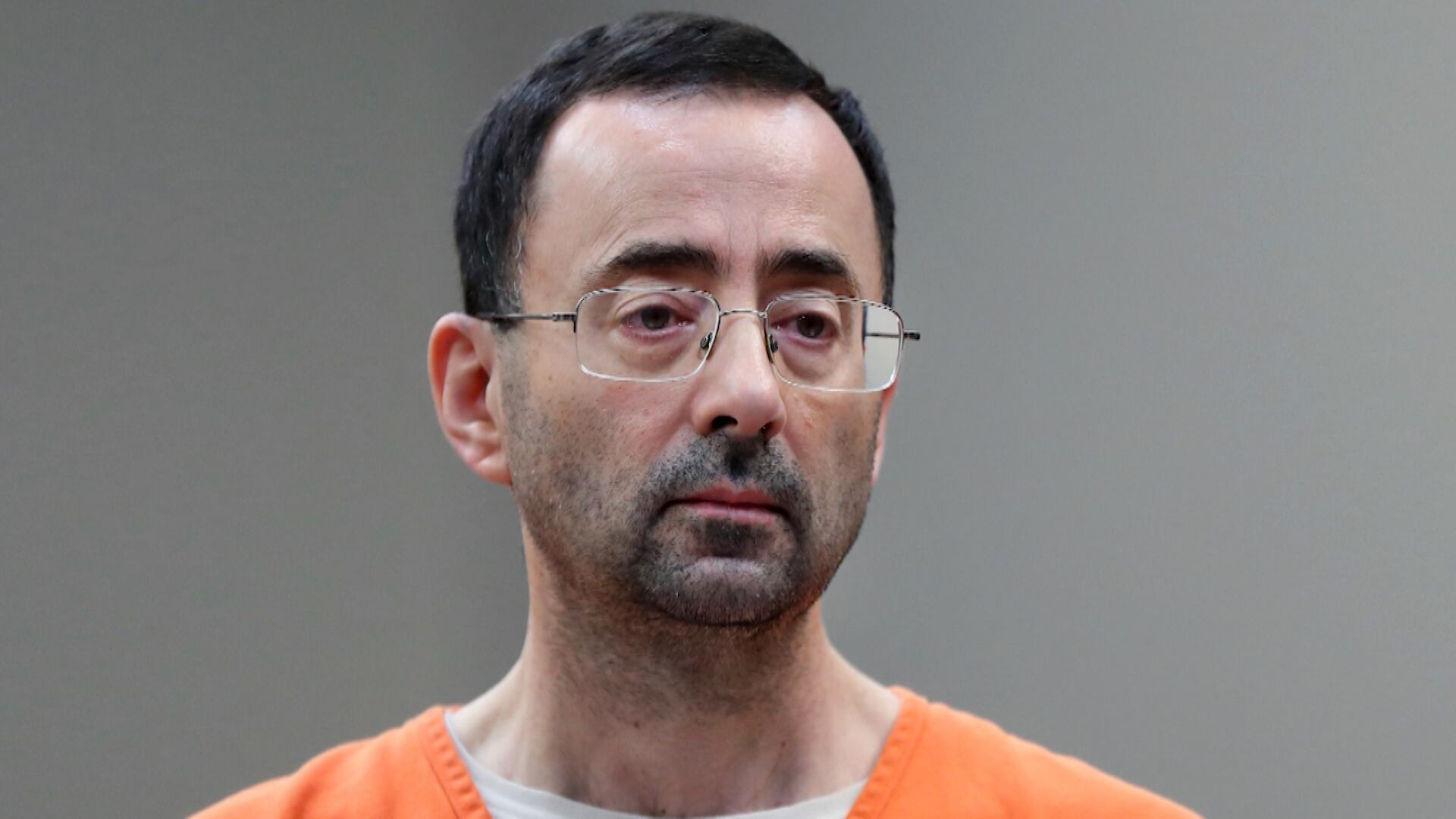
Survivors of Larry Nassar, including Olympian Simone Biles, are seeking $1 billion in damages from the FBI due to its failure to investigate the former gymnastics team doctor convicted of committing years of serial sexual abuse of minors. Jack Queen, a senior reporter at Law360, joined Cheddar News to break down the legal grounds of this case. "This is one of the biggest black eyes that the Bureau has faced in generations, quite frankly, and the FBI has taken full responsibility and admitted that it completely botched this investigation," he said. "So, there's a lot of pressure to settle."
The Elevate Prize Foundation is donating $10,000 to different grassroots organizations based on a theme every month to help scale their work, focusing on a different theme each time. Upcoming prizes will help uplift an organization supporting the LGBTQ community and one mobilizing to help end gun violence. The foundation's CEO Carolina Garcia Jayaram joined Cheddar to discuss the initiative and why it's important to uplift these grassroots organizations. "We are identifying social entrepreneurs around the world to help them scale their work. but the ultimate purpose of that is to create the first-ever fanbase for good," she said. "We're trying to make good famous and by inspiring people to think about the role they can play in doing good in the world."
With real estate being a largely male-dominated industry, Stephanie Shojaee, vice president and chief marketing officer at development company Shoma Group, joined Cheddar News to discuss how she took on the gender gap for women to achieve leadership roles, starting at her own company. “It's been very important to teach all the women that work here, especially the younger ones, that they shouldn't change themselves," she said. "You need to be happy with who you are and just keep breaking barriers."
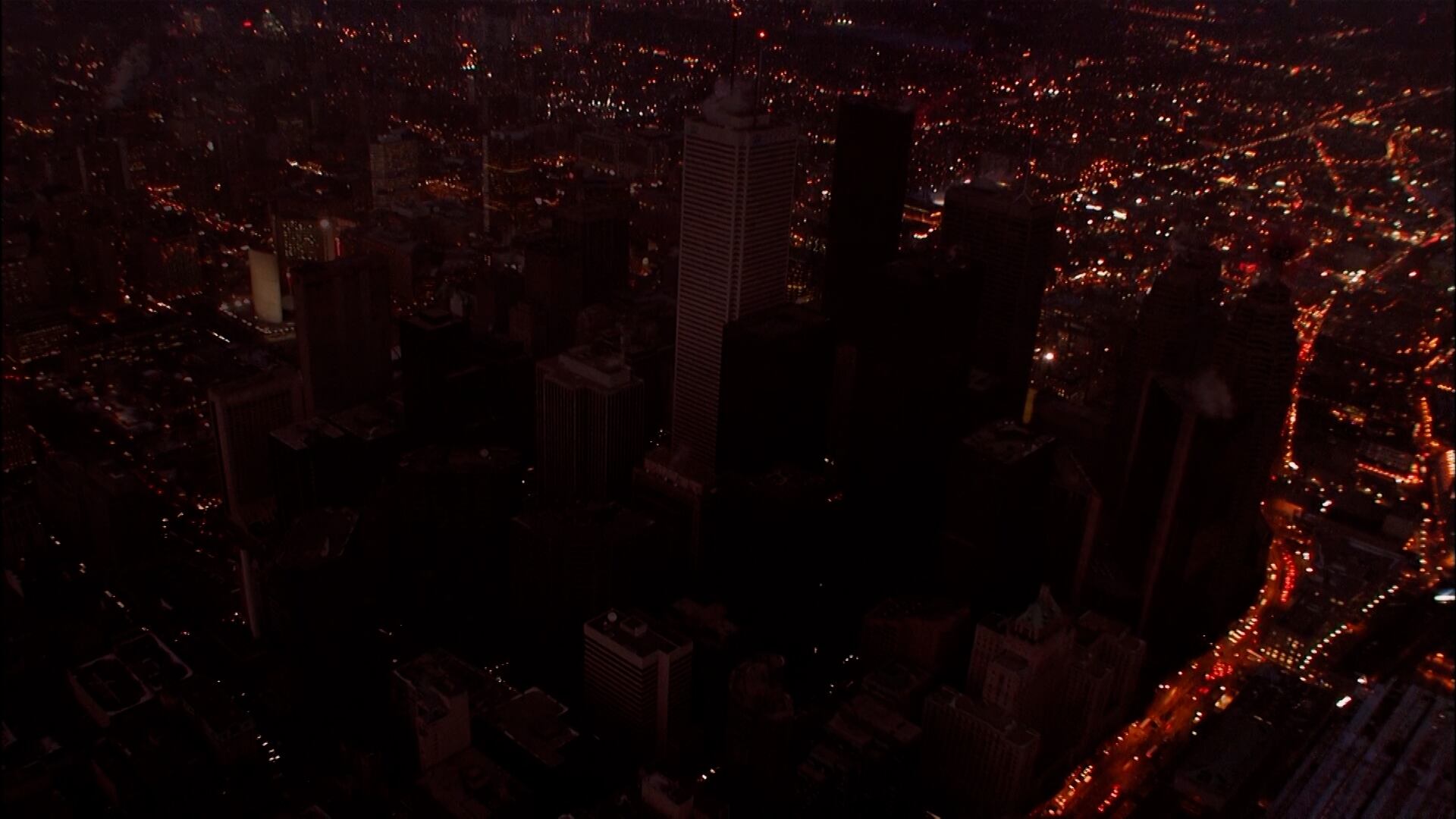
We are already starting to feel the effects of summer. Heat waves in Texas and California are already sending temperatures soaring. That could spell trouble for the nation's power supply. there are new concerns about outages in many areas of the country. Cheddar's Shannon Lanier explains the two main causes of blackouts, and what states are doing to keep the lights on and the air conditioning running.
If you have been on the road this past year, you've probably seen more accidents on the road than you ever have. You're not wrong. Traffic fatalities are not only increasing they are hitting historic highs. Almost 43,000 people died in motor vehicle accidents in 2021. Cheddar's Shannon Lanier investigates - and finds out why.
U.S. stocks close Tuesday at session highs after a subpar start to the trading day. Tim Chubb, Chief Investment Officer at the wealth advisory firm, Girard, joins Cheddar News' Closing Bell to discuss. 'We're starting to see the moderation of three core things -- we've seen the moderation of prices, we've seen the moderation of wage growth we've seen in the labor market, and we've also seen a moderation of job openings,' he says.
The victims from the USA gymnastics sexual abuse scandal continue to seek justice. Survivors of Larry Nassar are seeking more than one-billion dollars from the FBI for failing to stop the convicted sports doctor when the agency first received allegations. According to a report released by the Justice Department's Inspector General, FBI agents knew
in July of 2015 that Nassar was accused of abusing gymnasts; however, Nassar wasn't arrested until December of 2016. The group that filed the claim includes Olympic medalist Simone Biles and around 90 other women. Louise Radnofsky, sports reporter at The Wall Street Journal, joins Cheddar News' Closing Bell to discuss.
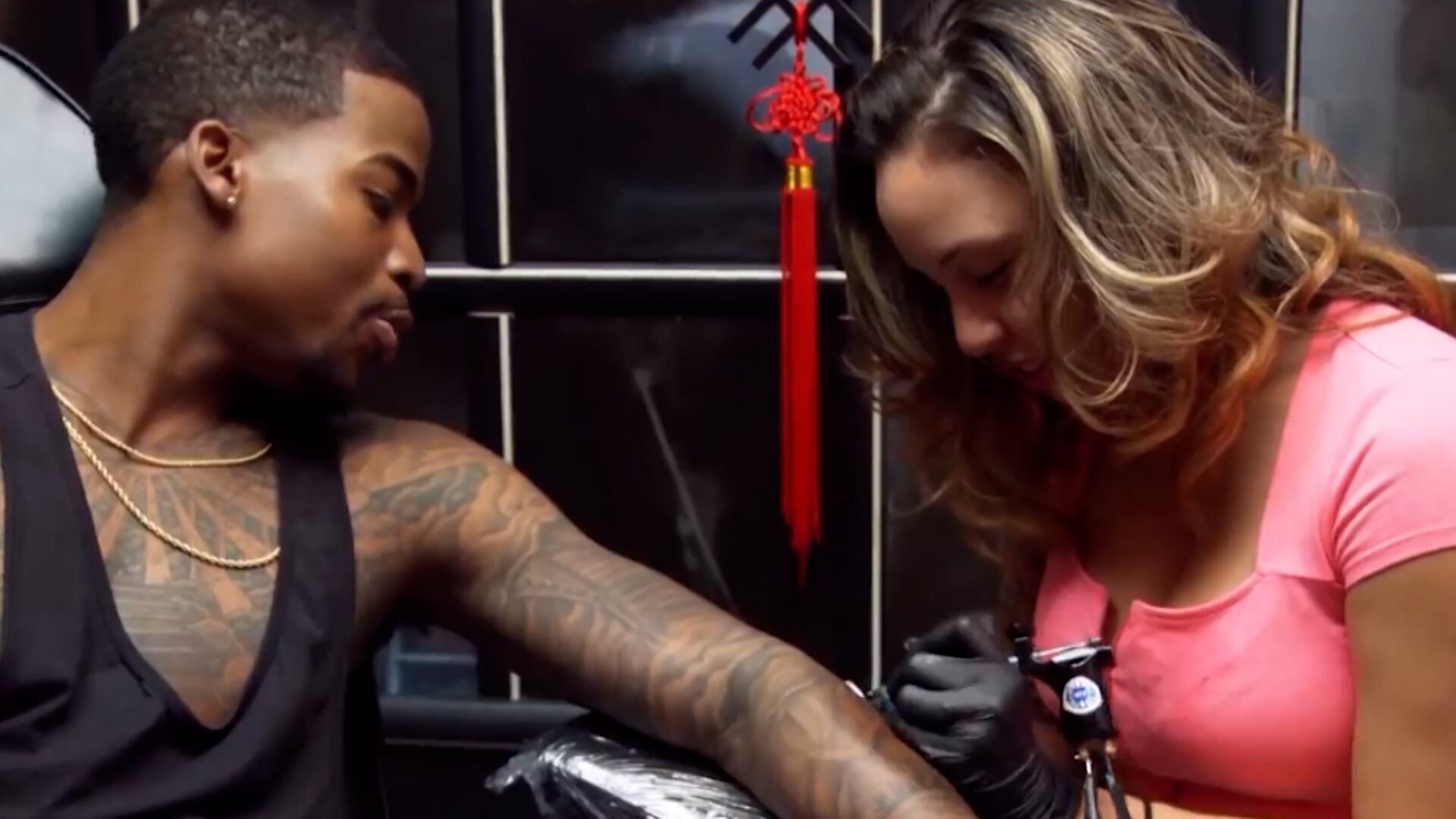
Tattoo artist Katrina "Kat Tat" Jackson, famous for starring in the VH1 hit series "Black Ink Crew: Chicago," is also the first Black woman to own a tattoo shop in Beverly Hills. She joined Cheddar News to discuss her trailblazing work, the stigma BIPOC tattoo artists face in the industry, and the way the space has changed for artists of color since her start. "In the beginning, I remember walking into a tattoo shop just like, hey, I wanna learn, I wanna be a tattoo artist and kind of just being laughed at, not taken seriously," she said. "Even with the tattoo conventions, a lot of African American tattoo artists were almost scared to go to conventions because it's not a welcoming environment."