Psychedelic research company MindMed pledged $5 million to NYU Langone Health for developing a psychedelic research center, the first of its kind in New York. The move comes amid a resurgence of research and investment in psychedelic therapies that has been called a renaissance.
Psychedelics have not been considered mainstream in psychology, "and we believe that's part of the biggest challenge around psychedelics," said J.R. Rahn, co-founder and co-CEO of MindMed, "Not necessarily proving the safety and efficacy of these substances, but destigmatizing them to both the psychiatric community and the patients that really need them."
MindMed is a psychedelic health company focused on researching drugs like 18-MC, a legal derivative of psychedelic drug ibogaine, and LSD for application on conditions like treatment-resistant depression and addiction. The company's investment will first go toward training psychiatrists and clinical investigators at NYU Langone Health to work with psychedelic-assisted therapies, with the eventual goal of establishing a psychedelic research center, like the one founded in 2019 at Johns Hopkins. Both universities are among those leading the charge of psychedelic research in recent years.
"NYU has really been advancing psychedelic medicine, the research of these substances as medicines," Rhan said. "This was always something that was on the fringes."
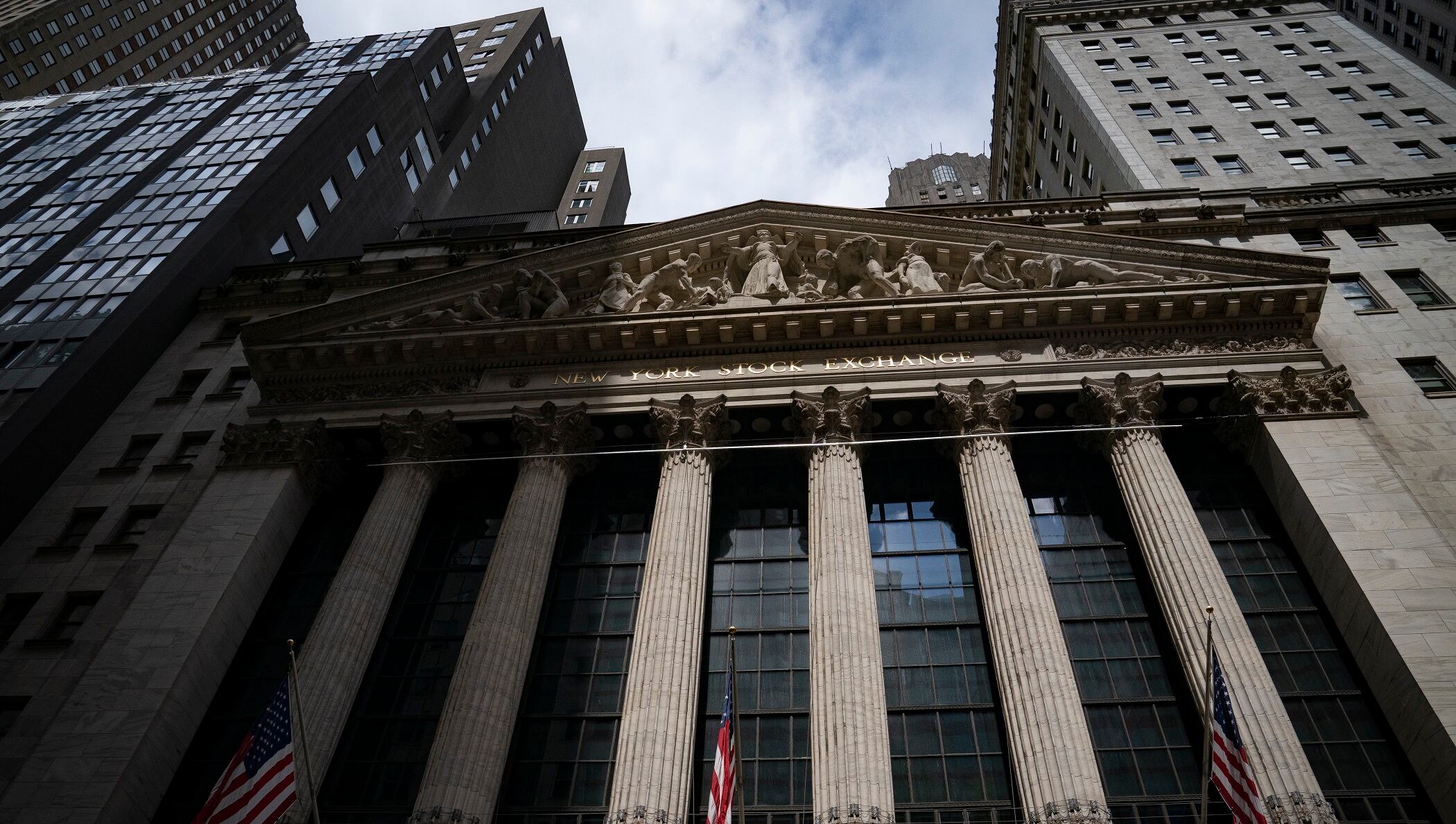
MindMed, which went public on the NEO Exchange in March, is one of a crop of high-profile psychedelic medicine companies making a name for itself among Wall Street investors. Another of these companies, Compass Pathways, received Breakthrough Therapy designation from the Food and Drug Administration for using psilocybin on treatment-resistant depression. Famously backed by PayPal founder Peter Thiel, Compass went public on the Nasdaq in September.
Compass' successful IPO prompted MindMed to apply to uplist to Nasdaq earlier this month.
"NEO has been a very, very supportive exchange. I think they really took a chance on this space. They were the first exchange to do that. But what I think Nasdaq allows us is we want to start accessing more institutional capital," Rahn said. "I think a lot of Wall Street investors are saying, 'I better have this as part of my portfolio.'"
Rahn said the need for alternative mental health treatment has perhaps never been so urgent. According to the Centers for Disease Control and Prevention, mental health issues have worsened in response to the coronavirus pandemic and its mitigation efforts. Some 40 percent of Americans, surveyed at the end of June reported battling some form of adverse mental health or substance abuse issue.
For entrepreneurs like Rahn, this tragedy poses an opportunity.
"I think any renaissance happens because there's a prior problem and right now, what we're seeing is really an apocalypse of mental health and addiction [problems]. Mental health and addiction are America's unfortunate, next great growth story," Rahn said.