Mindbody Keeps Your Business Model in Tip-Top Shape
New Year's fitness resolutions are already hard enough to keep, but it's even more difficult when the classes you want to go to are always booked up. Mindbody, a cloud-based provider of business management software focused on health and wellness, introduced a new dynamic pricing strategy to help fitness studios get consumers the classes they want. Rick Stollmeyer, Co-Founder, Chairman, and CEO of Mindbody, joined us to discuss the new feature.
Thoughts of dynamic pricing could cause consumers to become concerned about surge pricing similar to the strategy used by Uber. Stollmeyer shares why consumers shouldn’t be afraid, saying it works both ways. Dynamic pricing can go low enough to attract price sensitive users, but high enough to provide decent growth margins to build a sustainable business.
Stollmeyer also chats about the company's pilot program with Google and breaks down what they learned from the partnership. He says it was a success and Google expanded integration nationwide. The key result was bringing people in to the platform who weren’t already engaged in the wellness community. Stollmeyer sees VR and AR as an opportunity to expand even more.
It’s a chicken-and-egg problem: Restaurants are struggling with record-high U.S. egg prices, but their omelets, scrambles and huevos rancheros may be part of the problem. Breakfast is booming at U.S. eateries. First Watch, a restaurant chain that serves breakfast, brunch and lunch, nearly quadrupled its locations over the past decade to 570. Fast-food chains like Starbucks and Wendy's added more egg-filled breakfast items. In normal times, egg producers could meet the demand. But a bird flu outbreak that has forced them to slaughter their flocks is making supplies scarcer and pushing up prices. Some restaurants like Waffle House have added a surcharge to offset their costs.
William Falcon, CEO and Founder of Lightning AI, discusses the ongoing feud between Elon Musk and Sam Altman, and how everyday people can use AI in their lives.
U.S. tariffs on steel and aluminum “will not go unanswered,” European Union chief Ursula von der Leyen vowed on Tuesday, adding that they will trigger toug
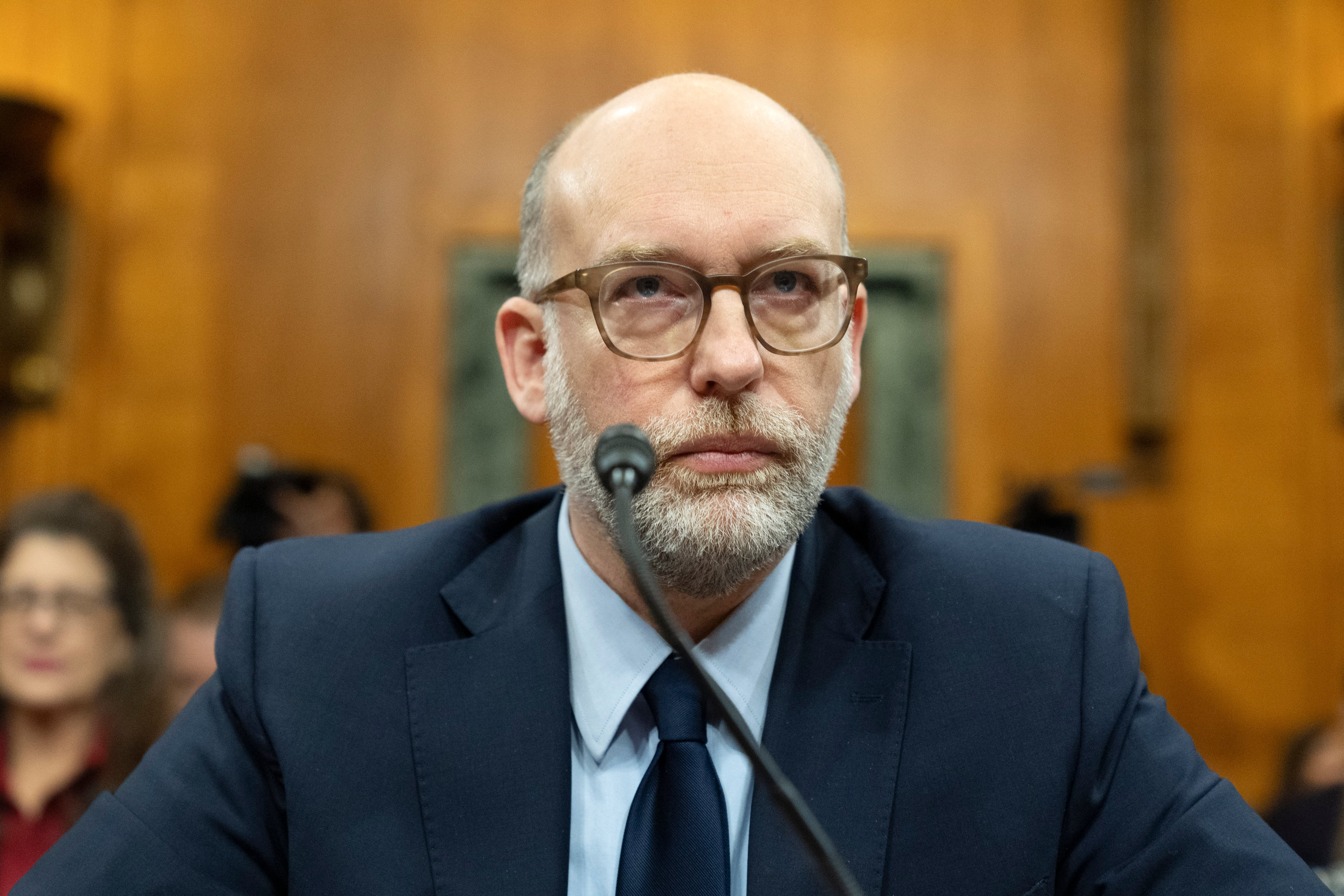
The Trump administration has ordered the Consumer Financial Protection Bureau to stop nearly all its work, effectively shutting down the agency that was created to protect consumers after the 2008 financial crisis and subprime mortgage-lending scandal. Russell Vought is the newly installed director of the Office of Management and Budget. Vought directed the CFPB in a Saturday night email to stop work on proposed rules, to suspend the effective dates on any rules that were finalized but not yet effective, and to stop investigative work and not begin any new investigations. The agency has been a target of conservatives since President Barack Obama created it following the 2007-2008 financial crisis.
Jeff Benedict, author of 'The Dynasty,' weighs in on the Kansas City Chiefs being the next big dynasty, who he thinks will win Super Bowl LIX and more. Watch!