A large cross-section of Americans is at risk of falling below the poverty line as the program that provided more than 32 million people with extra SNAP (Supplemental Nutrition Assistance Program) benefits during the pandemic is set to end. Families received at least $95 extra per month to spend on food.
In place since 2020, it provided an emergency allotment of benefits as an unprecedented number of people faced added financial hardship as COVID-19 spread. Congress passed the Consolidated Appropriations Act at the end of 2022, which concludes the expanded program in February. The change comes as food prices have continued to skyrocket at grocery stores.
During the pandemic, nearly 4.2 million Americans were able to stay above the poverty line with the additional aid at the end of 2021, according to a study conducted by the Urban Institute, with poverty reduced by 9.6 percent in states with the SNAP expansion. But in states where the program has already ended, there have been reports of people struggling to buy necessary food items.
"The emergency allotments were always intended to be temporary and they did tremendous good during a very difficult time in our country," Stacy Dean, USDA deputy undersecretary for Food, Nutrition and Consumer Services, told the Associated Press.
Older Americans on social security will feel the reduction in SNAP funds particularly hard as a recent 8.7 percent cost of living adjustment will be unlikely to offset the loss of the benefits.
North Korean leader Kim Jong Un vowed support for Russia’s “sacred fight” during a summit with President Vladimir Putin that the U.S. warned could lead to a deal to supply ammunition for Moscow’s war in Ukraine.
Child poverty in the United States more than doubled and median household income declined last year when coronavirus pandemic-era government benefits expired and inflation kept rising, according to figures released Tuesday by the U.S. Census Bureau.
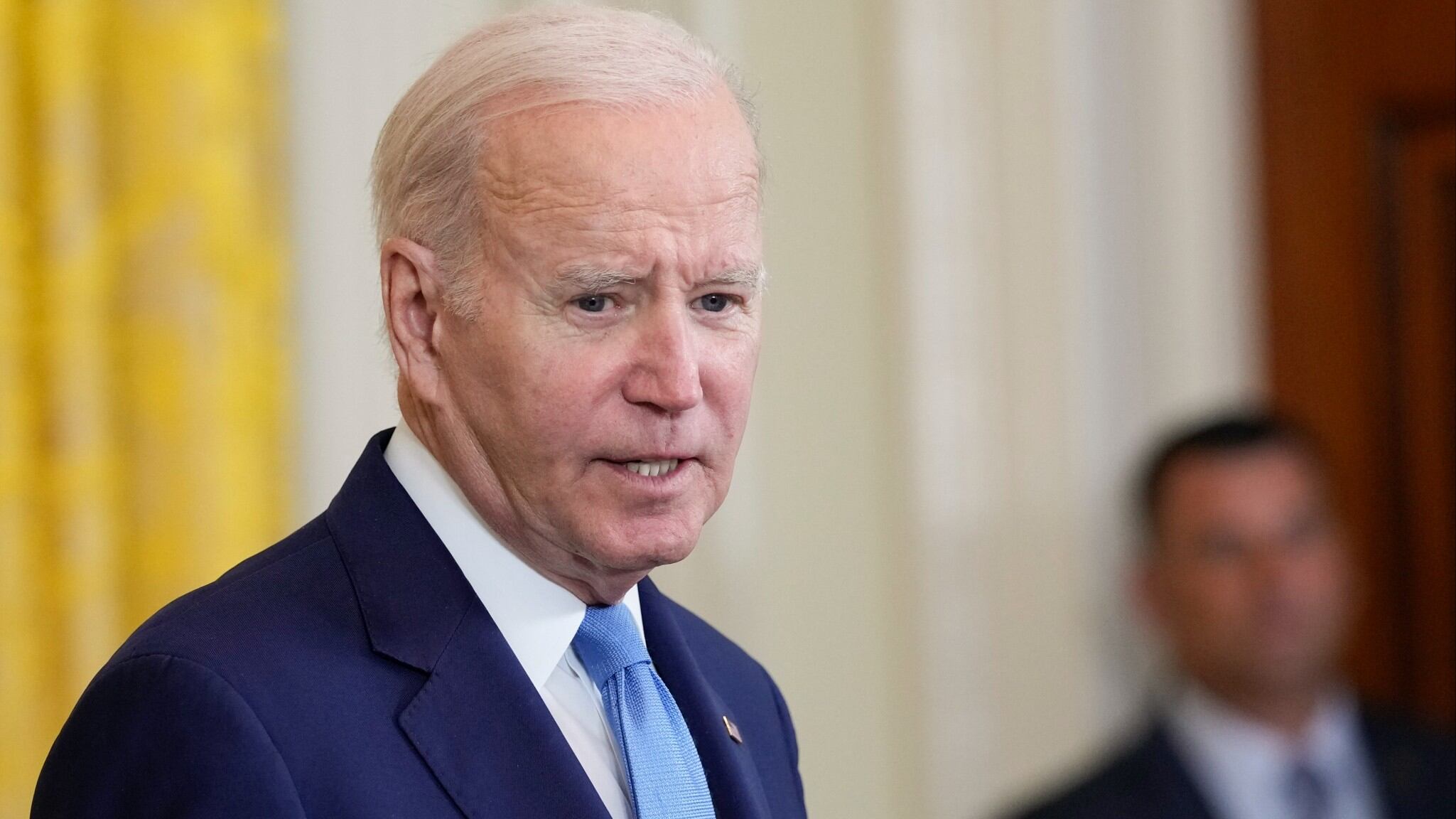
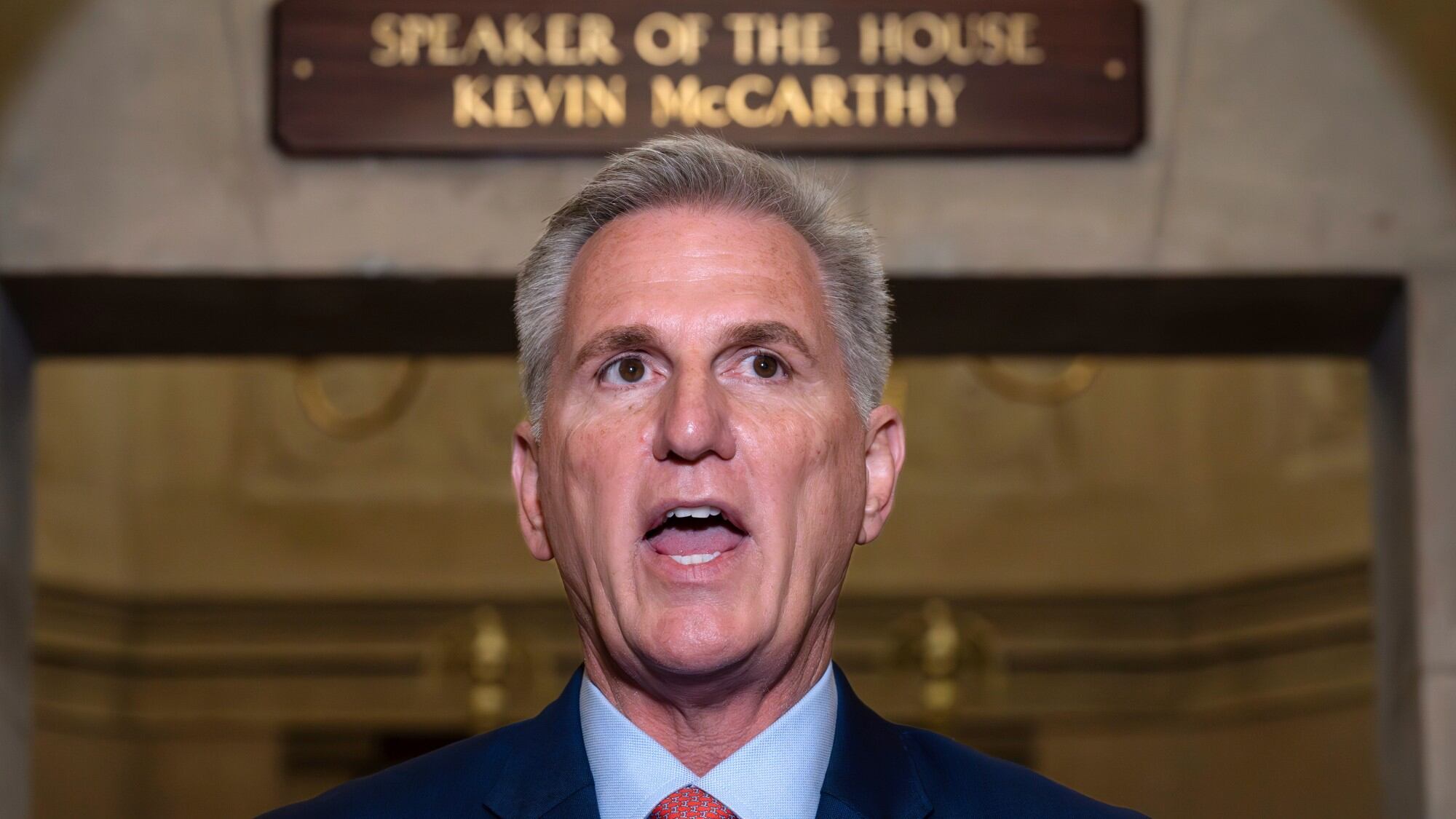
Speaker Kevin McCarthy said Tuesday he is directing a House committee to open an impeachment inquiry into President Joe Biden over his family's business dealings, launching historic proceedings ahead of the 2024 election.
The Biden administration issued a waiver to allow banks to transfer $6 billion in frozen Iranian oil funds without facing U.S. sanctions, a key step in a prisoner swap deal.
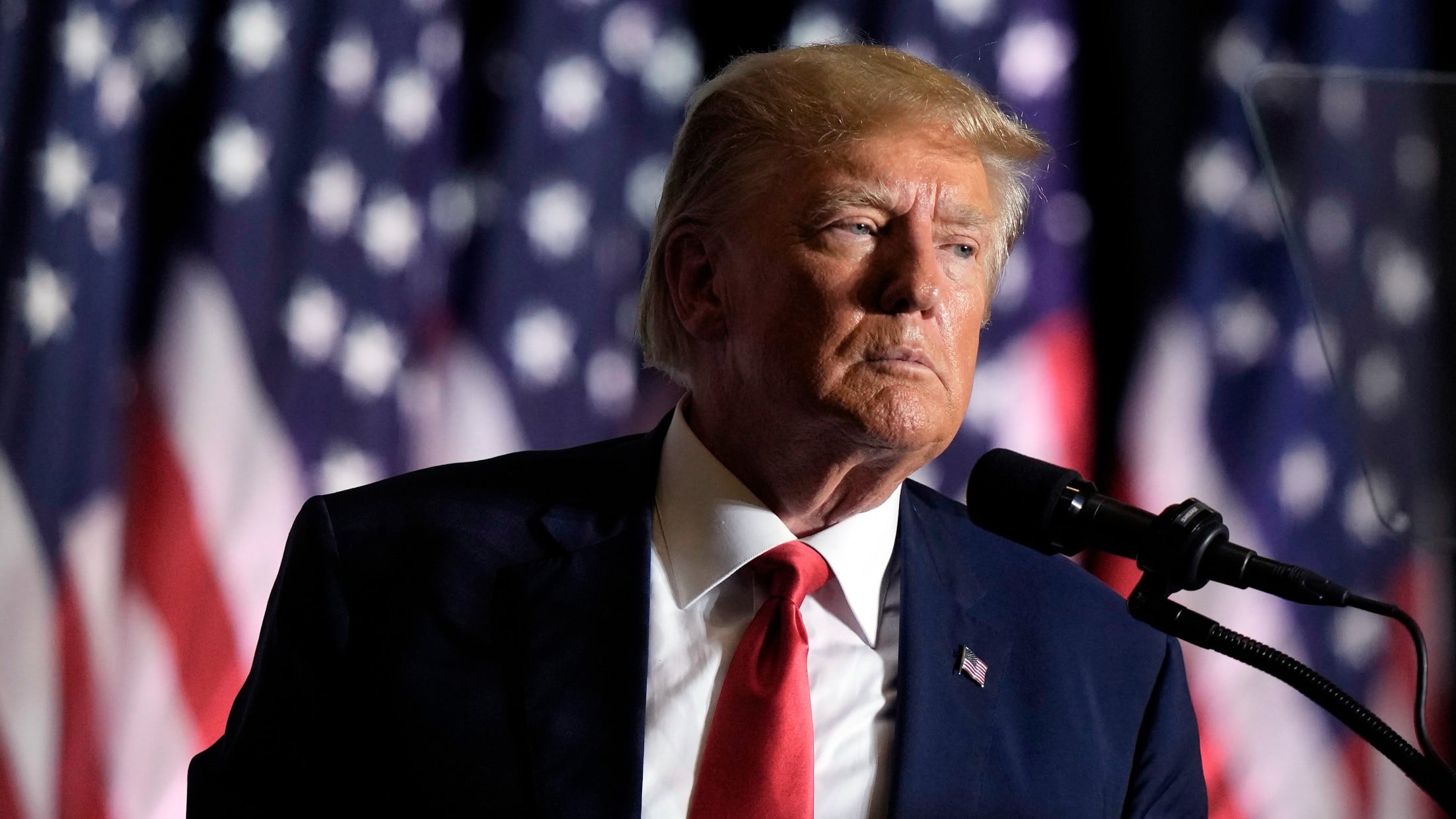
Attorneys for former President Donald Trump requested that the judge presiding over the federal case involving attempts to overturn the 2020 election be reassigned.